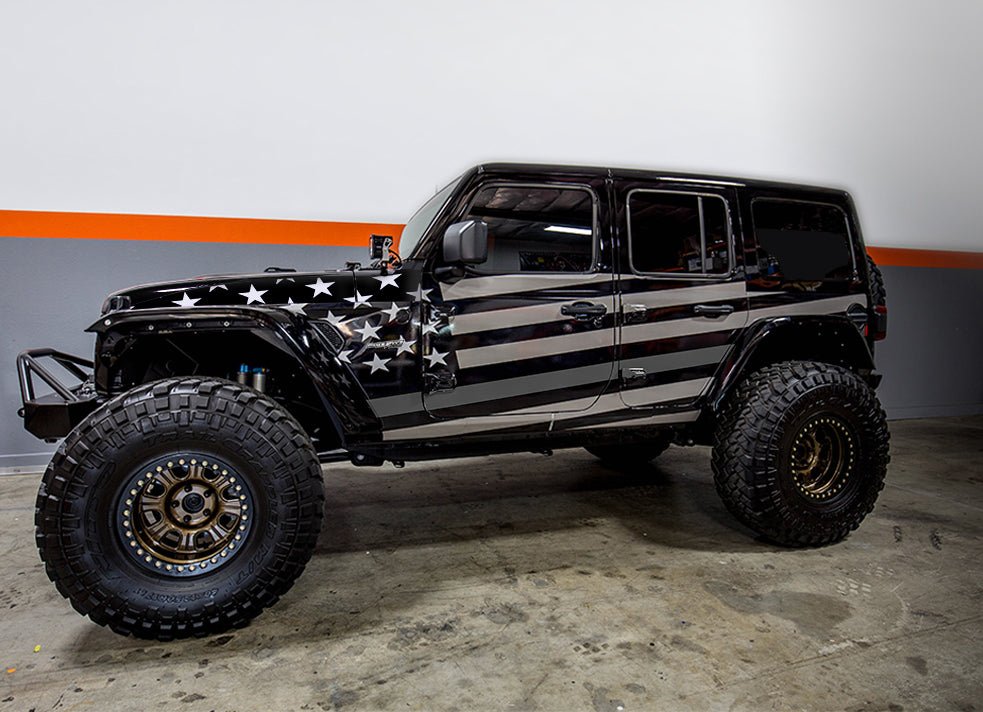
Wrapping a Jeep is a smart way to protect paint, change style, or advertise your business. Many Jeep owners choose wraps because they are cheaper than painting and can be removed anytime.
With the right tools and knowledge, you can wrap your own Jeep and make it look brand new.
This article explains each step, shares expert tips, and helps you avoid common mistakes.
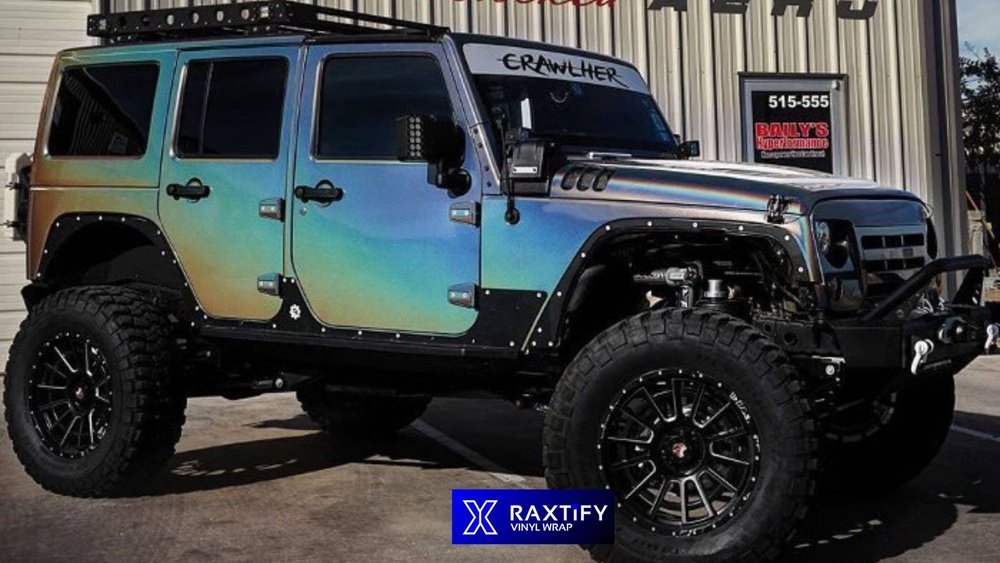
What Is Jeep Wrapping?
A vehicle wrap is a thin, sticky vinyl film applied over the paint. This film can be any color, finish, or even printed with graphics. Wrapping does not damage the original paint if done correctly. It also protects the paint from scratches, UV rays, and minor chips.
Jeep wraps are popular for two main reasons:
- Customization: You can choose matte, gloss, camouflage, or even carbon fiber designs.
- Protection: The wrap acts as a shield against weather and stones.
Planning Your Jeep Wrap
Before starting, you need to plan carefully. Wrapping a Jeep is not the same as wrapping a sedan.
Jeeps have curves, hinges, and removable parts like doors and roofs.
Choosing The Right Vinyl
Vinyl comes in different qualities. Cheaper films may bubble or fade fast. High-quality brands like 3M or Avery Dennison last up to 7 years and resist fading.
| Brand | Expected Lifespan | Finish Options |
|---|---|---|
| 3M | 5–7 years | Gloss, Matte, Satin, Textured |
| Avery Dennison | 5–7 years | Gloss, Matte, Brushed Metal |
| Oracal | 3–5 years | Gloss, Matte |
Measuring Your Jeep
Jeep sizes vary. Most Wranglers need 60 to 75 feet of vinyl for a full wrap. Measure every panel, including the hood, fenders, doors, and roof. Add extra for mistakes.
Tools You Need
- Heat gun or hair dryer
- Squeegee and felt edge
- Utility knife
- Isopropyl alcohol and towels
- Gloves
- Masking tape
Buying the right tools prevents damage and makes the job faster.
Step-by-step Jeep Wrapping Guide
Wrapping is not just sticking vinyl on panels. Every step matters, especially for complex shapes on a Jeep.
1. Clean The Surface
Wash the Jeep with soap and water. Remove all dirt, grease, and wax. Wipe the panels with isopropyl alcohol to ensure the vinyl sticks well. Dirt under the vinyl causes bubbles.
2. Remove Parts
Take off mirrors, door handles, and lights if possible. Wrapping around these parts is difficult and can leave gaps. Removing parts gives a smoother finish.
3. Measure And Cut Vinyl
Lay vinyl flat and cut sections for each panel. Always cut slightly larger than needed.
This lets you stretch and trim for a perfect fit.
4. Apply Vinyl
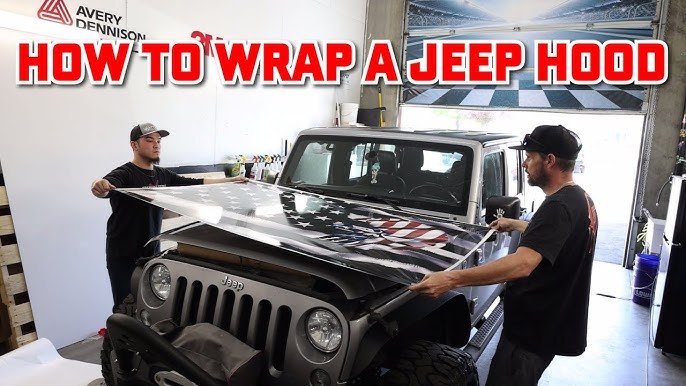
Start with the largest panels, like the hood or doors. Peel the backing and place the vinyl gently. Use a squeegee to push out air bubbles from the center to the edges.
Heat the vinyl with a heat gun to soften it. This helps it stick around curves and edges.
Be careful not to overheat, as this can damage the vinyl.
5. Trim And Tuck Edges
After sticking the vinyl, use a utility knife to trim excess. Tuck the edges behind panels for a clean look. Wrapping the edges prevents peeling.
6. Repeat For All Panels
Follow the same steps for each part. Complex areas like hinges or fender flares need extra care and heat.
7. Reinstall Parts
When all panels are wrapped, put back mirrors, handles, and lights. Check for bubbles or wrinkles.
If you see any, use heat and a squeegee to fix them.
Comparing Diy Vs Professional Jeep Wraps
Some people wrap their Jeep at home, while others hire professionals. Here’s a quick comparison:
| Factor | DIY Wrap | Professional Wrap |
|---|---|---|
| Cost | $800–$1,500 | $2,500–$4,000 |
| Time | 2–4 days | 1–2 days |
| Skill Needed | High | Expert |
| Finish Quality | Varies | Consistent |
Common Mistakes And How To Avoid Them
- Skipping cleaning: Always clean thoroughly. Even a tiny bit of oil can ruin adhesion.
- Not using enough heat: Heat is needed for corners and curves. Without it, the vinyl can tear.
- Stretching vinyl too much: Overstretching makes the color fade and causes peeling.
- Ignoring edges: If you don’t wrap edges, vinyl can lift and water can seep underneath.
- Rushing the process: Wrapping takes patience. Rushing leads to bubbles and creases.
A non-obvious tip: Always check the weather. Vinyl applies best at 60–80°F. Cold or damp weather can cause poor adhesion.
Aftercare And Maintenance
A wrapped Jeep needs special care to keep the vinyl looking good.
- Wash with mild soap and water. Avoid strong chemicals.
- Do not use automatic car washes with brushes.
- Protect from direct sun when possible. UV rays can fade colors.
- Fix small tears quickly to prevent peeling.
On average, a well-maintained wrap lasts 5–7 years.
Examples: Jeep Wrap Styles
Jeep owners often choose bold styles. Here are some popular choices:
| Style | Color | Finish |
|---|---|---|
| Urban Camo | Gray/Black/White | Matte |
| Desert Sand | Tan | Satin |
| Carbon Fiber | Black | Textured |
| Gloss Red | Red | Gloss |
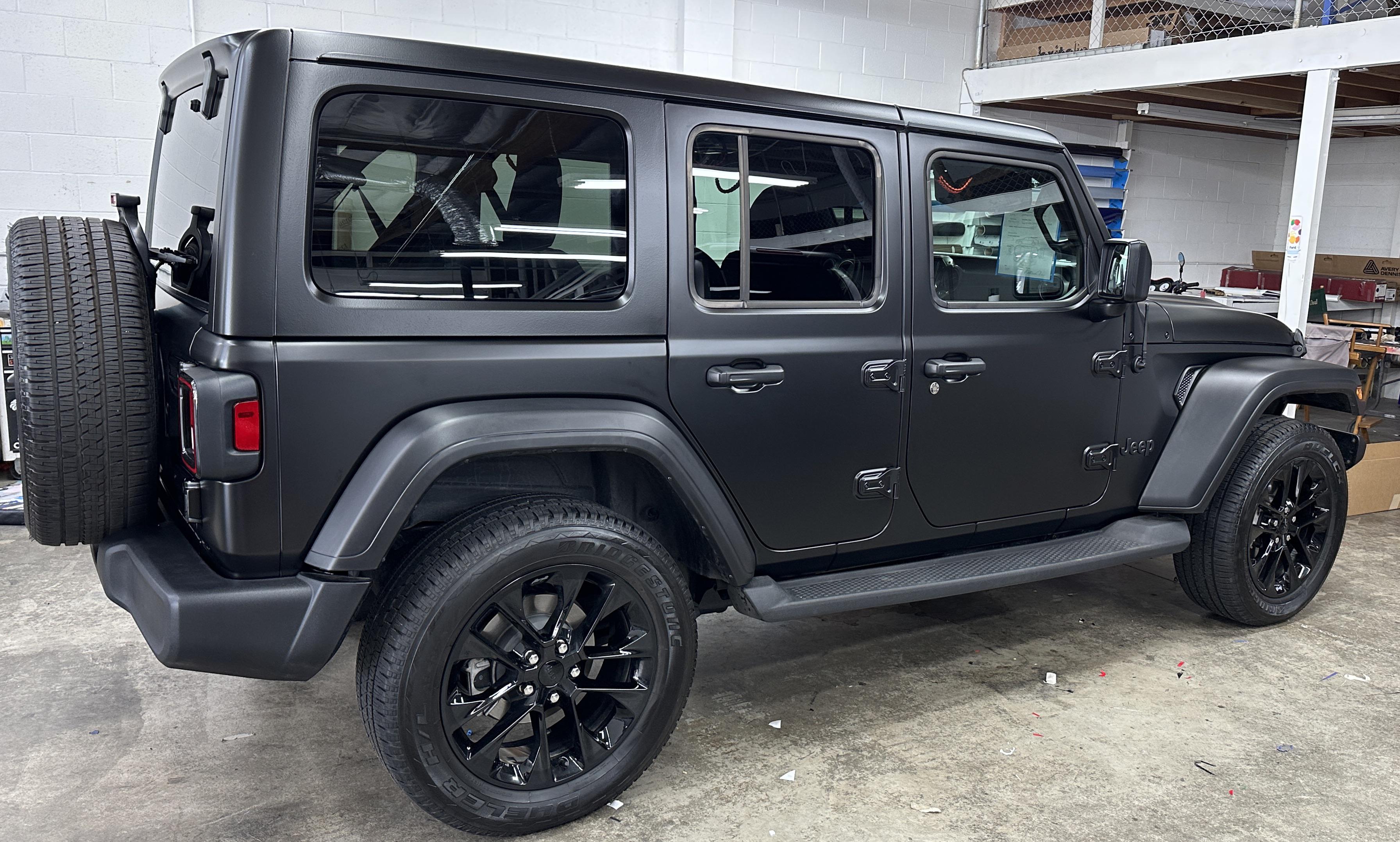
Some Jeep owners use wraps for branding. For example, a business might wrap a Jeep with their logo and website for advertising.
Frequently Asked Questions
How Long Does A Jeep Wrap Last?
A high-quality wrap lasts 5–7 years with proper care. Cheap vinyl or poor installation can cause peeling in less than 2 years.
Can I Remove The Wrap Myself?
Yes, you can remove the wrap using heat. Start at an edge and slowly peel away.
If the wrap is old or brittle, use more heat and take your time.
Is Wrapping A Jeep Cheaper Than Painting?
In most cases, yes. A full Jeep wrap costs $800–$4,000, while a paint job can cost $3,000–$7,000. Wraps also allow more design options.
Does Vinyl Wrap Damage The Paint?
No, vinyl wrap does not damage paint if applied and removed correctly. In fact, it protects paint from scratches and UV rays.
Where Can I Learn More About Vehicle Wraps?
You can find useful information at Wikipedia.
Wrapping your Jeep is a rewarding project that can give your vehicle a new look and protect it for years. With careful planning, the right tools, and patience, you can achieve professional results.
If you’re unsure, try wrapping a small panel first before doing the whole Jeep.
Happy wrapping!