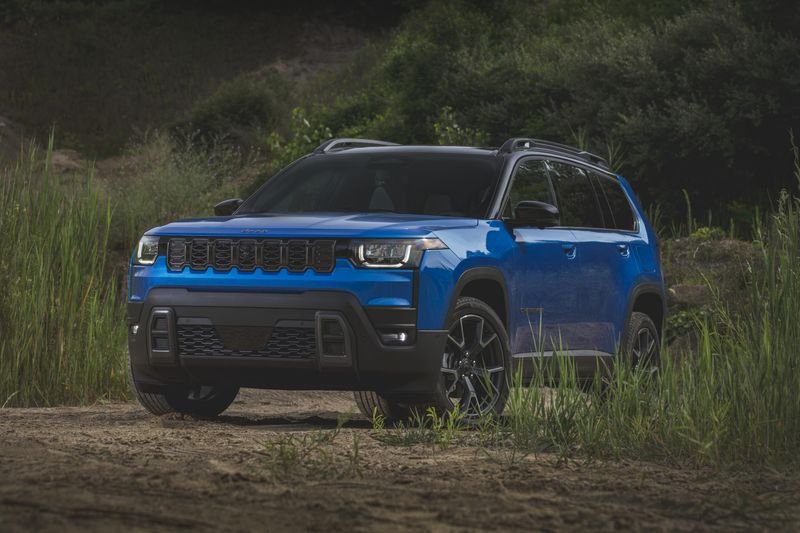
Jeep Auxiliary-Light Wiring may look like a simple task, but model year and fitted equipment can change the answer. Inspect lamp load first, then review fuse so the next step matches this Jeep.
Quick Answer
External-light wiring should protect the Jeep as well as power the lamps. Plan the current demand, fuse placement, relay or controller, wire routing, switch location and weather protection before making a connection.
Calculate the Load
Use the lamp manufacturer’s current information. Wire size, fuse rating and control equipment should match the actual load.
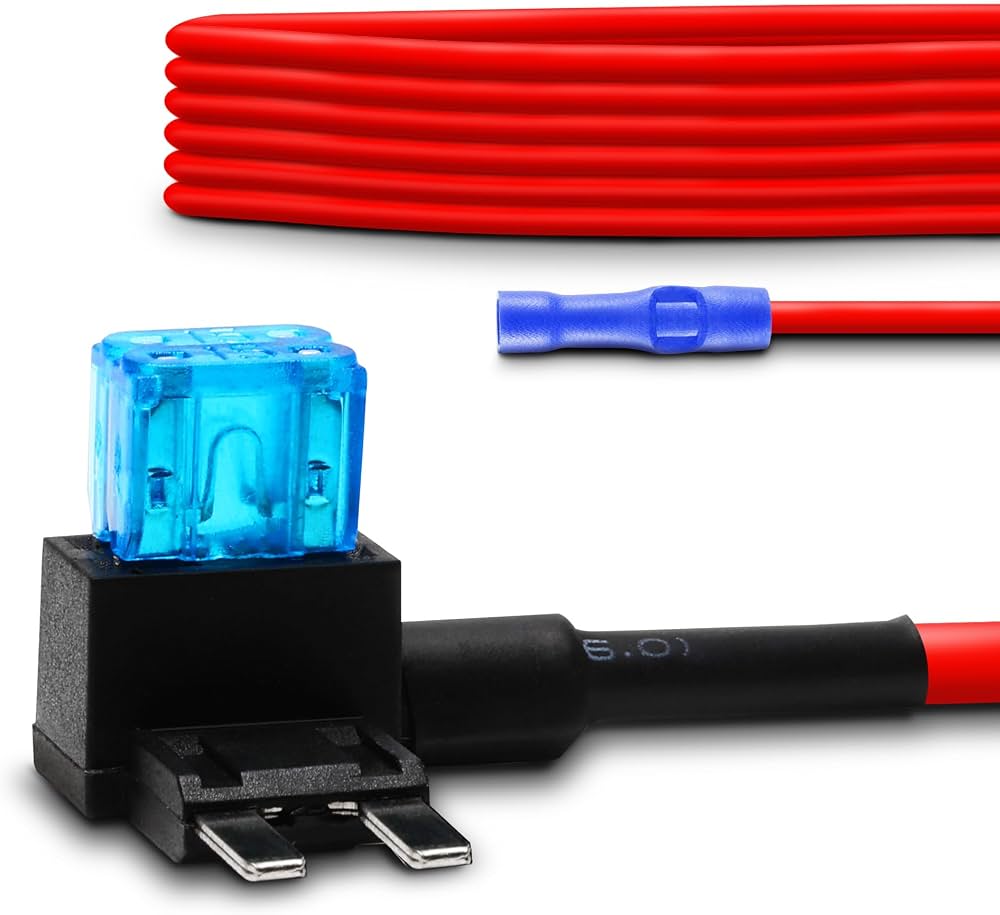
Fuse the Circuit Close to the Source
A fuse protects the wire when a short occurs. It should be selected and positioned as part of the design, not added as an afterthought.
Use a Relay or Rated Controller
Do not send a high lighting load through a small dashboard switch. Use suitable control equipment.
Route Wires Away From Damage
Protect wiring from exhaust heat, sharp edges, steering parts, belts, fans and water entry.
Keep Road Use Legal
Auxiliary lamps may have local restrictions. Cover, aim or use them only as permitted.
Key Details to Check
| Item | What to verify | Why it matters |
|---|---|---|
| Lamp load | Manufacturer current rating | Sets wire and fuse requirements |
| Fuse | Correct rating near the power source | Protects the circuit |
| Control | Relay or rated controller | Keeps switch wiring appropriate |
| Routing | Heat, movement and abrasion protection | Prevents shorts |
| Use rules | Local road-lighting requirements | Avoids unsafe glare |
Step-by-Step Review
- List the lamps and their current demand.
- Choose suitable wire, fuse and relay or controller.
- Plan the power source and ground points.
- Route wiring away from heat and moving parts.
- Protect pass-through points with appropriate grommets.
- Mount the switch or controller securely.
- Test the circuit, aim the lamps and inspect for heat.
Common Mistakes to Avoid
- Running high current through a small switch.
- Skipping the fuse.
- Routing wires near the exhaust or fan.
- Using poor grounds.
- Aiming bright lights into traffic.
A Better Decision Rule for Jeep Auxiliary-Light Wiring
Build a protected circuit, not a shortcut. Load calculation, a nearby fuse, suitable control equipment and careful routing matter more than a fast installation.
For Jeep auxiliary-light wiring, begin with lamp load and fuse. Choose suitable wire, fuse and relay or controller.
This keeps the next Jeep auxiliary-light wiring decision connected to evidence from the same Jeep.
When to Stop and Get Help
Stop when wire rating, fuse selection or safe routing remains uncertain.
When Jeep auxiliary-light wiring moves beyond a routine owner check, save the latest observation and use qualified help. That handoff is more useful than changing several parts or settings at once.
Keep a Useful Vehicle Record
Keep a diagram, fuse rating and lamp specification with the Jeep records.
Add the Jeep model year, VIN, mileage and the date of the Jeep auxiliary-light wiring review. A focused Jeep auxiliary-light wiring note helps the next owner, parts counter or workshop understand what was checked.
Check the Result Under Normal Conditions
For Jeep auxiliary-light wiring, a parked inspection is only the beginning. Once the basic work is complete, compare Control and Use rules under safe normal-use conditions. Record anything that changed after route wiring away from heat and moving parts.. If the Jeep auxiliary-light wiring outcome is inconsistent, repeat the same check before moving to a more expensive repair.
Before You Finish
- Confirm lamp load: Manufacturer current rating.
- Review fuse: Correct rating near the power source.
- Check control: Relay or rated controller.
- Complete this follow-up step: Test the circuit, aim the lamps and inspect for heat.
- Avoid this common mistake: Running high current through a small switch.
What to Save With the Jeep Records
For How to Wire External Lights on a Jeep: Fuse, Relay and Routing Guide, save the model year, VIN, mileage, one photo or screenshot, and the result of the final check. Add any receipt, scan report, alignment sheet, battery test, part number or manual page that applies to this Jeep auxiliary-light wiring topic. These Jeep auxiliary-light wiring details reduce confusion when the Jeep needs seasonal setup, resale research or another workshop visit.
Post-Installation Heat Check
After wiring auxiliary lights, test the circuit while the Jeep remains parked. Turn the lamps on long enough to inspect the fuse holder, relay or controller, switch area and wiring route for unexpected heat.
Move the steering through its normal range and look near hinges, sharp edges and hood closures. Secure any loose section before driving.
Recheck the installation after the first trail outing because vibration can expose a weak mount or poor routing choice.
Lighting Aim and Trail Courtesy
Auxiliary lights should solve a visibility need without creating glare for other drivers or trail users. Aim the beams on level ground and understand which lamps are legal on public roads.
Use covers or switch discipline when a light is intended only for off-road use. Recheck the mounts after vibration and inspect the harness near the bumper after mud or water exposure.
Good wiring is only half the job; responsible use matters too.
Waterproofing Connections
Use weather-resistant connectors and protect exposed wiring where mud, rain or wash water can reach the harness. Mount relays and controllers in suitable locations, seal pass-through points properly and inspect the circuit after wet trail use.
Water protection should be part of the original plan, not a repair added after corrosion reaches the terminals.
Frequently Asked Questions
Do I need a relay?
Use a relay or controller rated for the lighting load instead of sending high current through a small switch.
Where should the fuse go?
Place circuit protection close to the power source according to the design.
Can I use off-road lights on public roads?
Check local rules and aim lamps responsibly.
Final Takeaway
Finish the Jeep auxiliary-light wiring review only after the Jeep has been checked under safe conditions. Save the Jeep auxiliary-light wiring result, note any remaining concern, and avoid normal use when the final inspection raises a safety question.