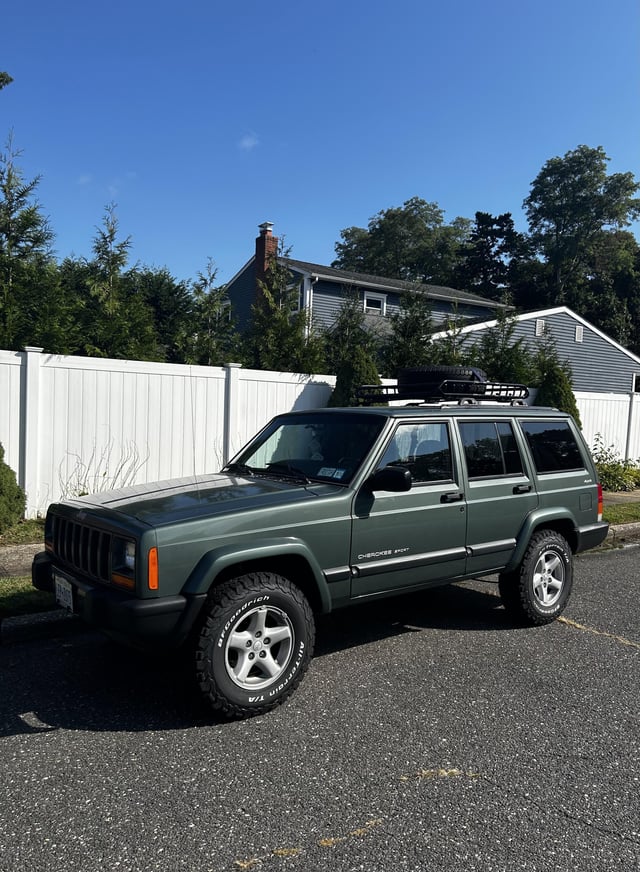
Wiring extra lights to your Jeep can transform your off-road experience. Whether you want fog lights, LED light bars, or work lights, connecting them to the fuse box is one of the safest ways to get reliable power while protecting your Jeep’s electrical system. While it might sound complicated, learning how to wire lights to the Jeep fuse box is a skill every Jeep owner can master with the right guidance. This article will help you understand the process step by step, with practical tips, safety advice, and expert insights so you can light up your next adventure with confidence.
Why Wire Lights To The Jeep Fuse Box?
Adding lights directly to the fuse box has several advantages:
- Safety: The fuse box protects your Jeep’s electrical system from overloads and short circuits.
- Clean Installation: You avoid messy wires and reduce the risk of electrical problems.
- Easy Access: The fuse box is usually accessible and organized, making wiring easier for future upgrades.
Many beginners make the mistake of connecting lights directly to the battery or splicing into factory wires without protection. This can lead to blown fuses, electrical fires, or even damage to the Jeep’s computer.
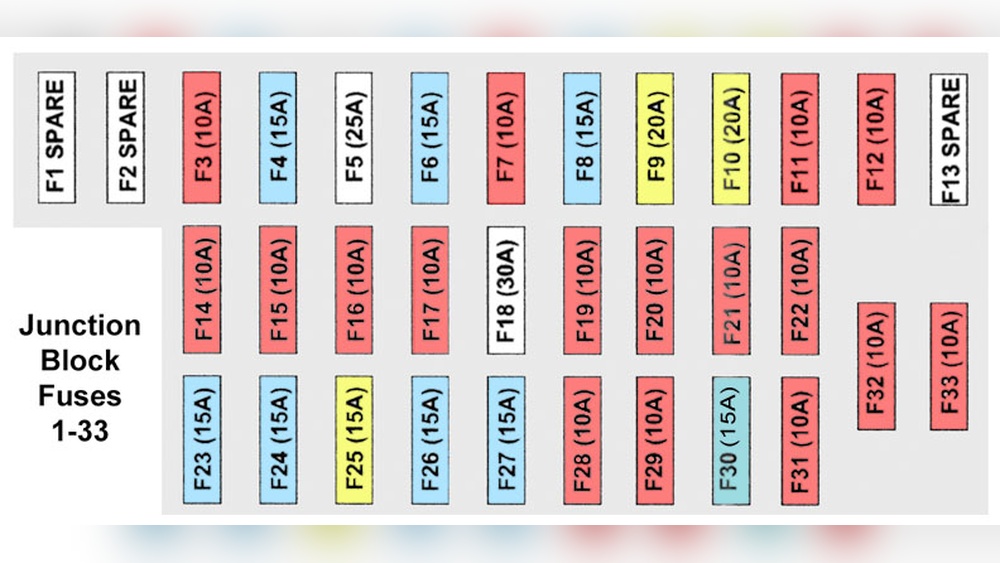
Using the fuse box is not just safer; it’s the professional way to do it.
Tools And Materials Needed
Before starting, gather these essential tools and materials:
- Wiring harness with relay and fuse (often included with light kits)
- Automotive wire (14-16 gauge for most lights)
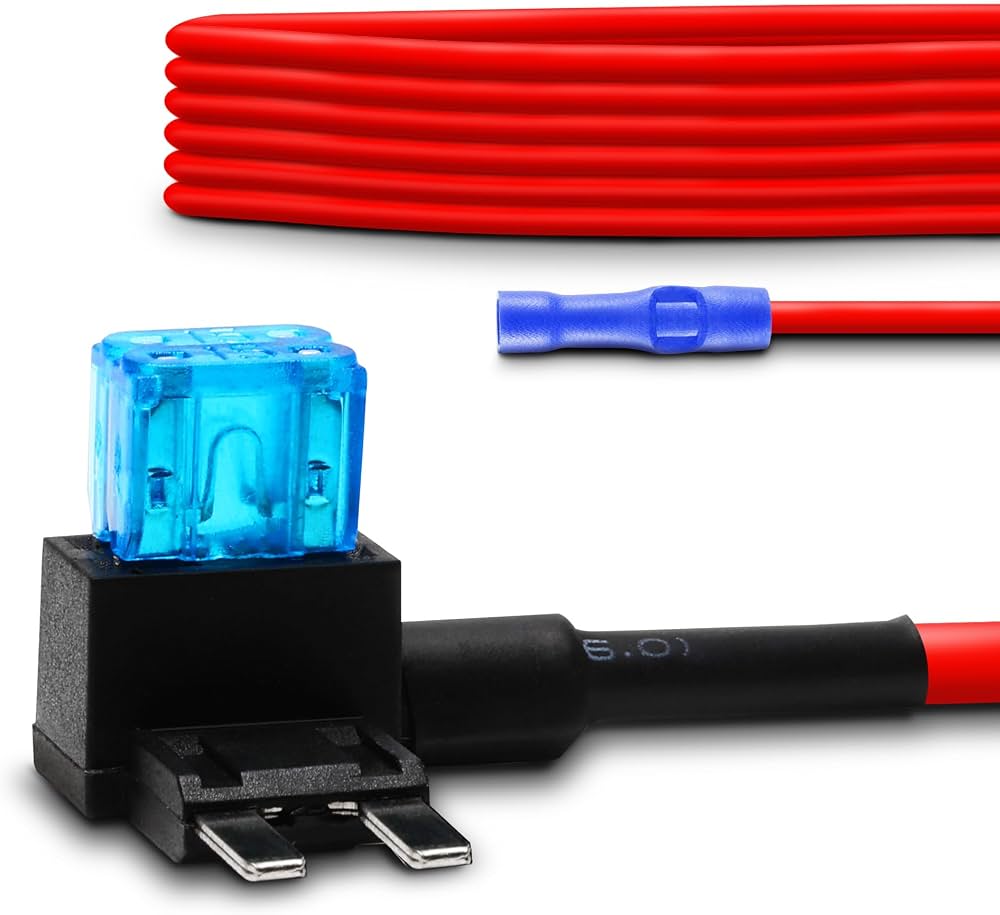
- Add-a-circuit fuse tap (matches your Jeep’s fuse type, e.g., mini, micro)
- Wire connectors (butt connectors, ring terminals, spade connectors)
- Crimping tool and wire strippers
- Multimeter (for testing voltage and continuity)
- Electrical tape or heat shrink tubing
- Zip ties for securing wires
- Drill and mounting hardware (if needed for switch or lights)
- Switch (toggle, rocker, or factory-style)
Pro tip: Always buy extra connectors and fuses. Small mistakes, like a bad crimp or blown fuse, can stall your project.
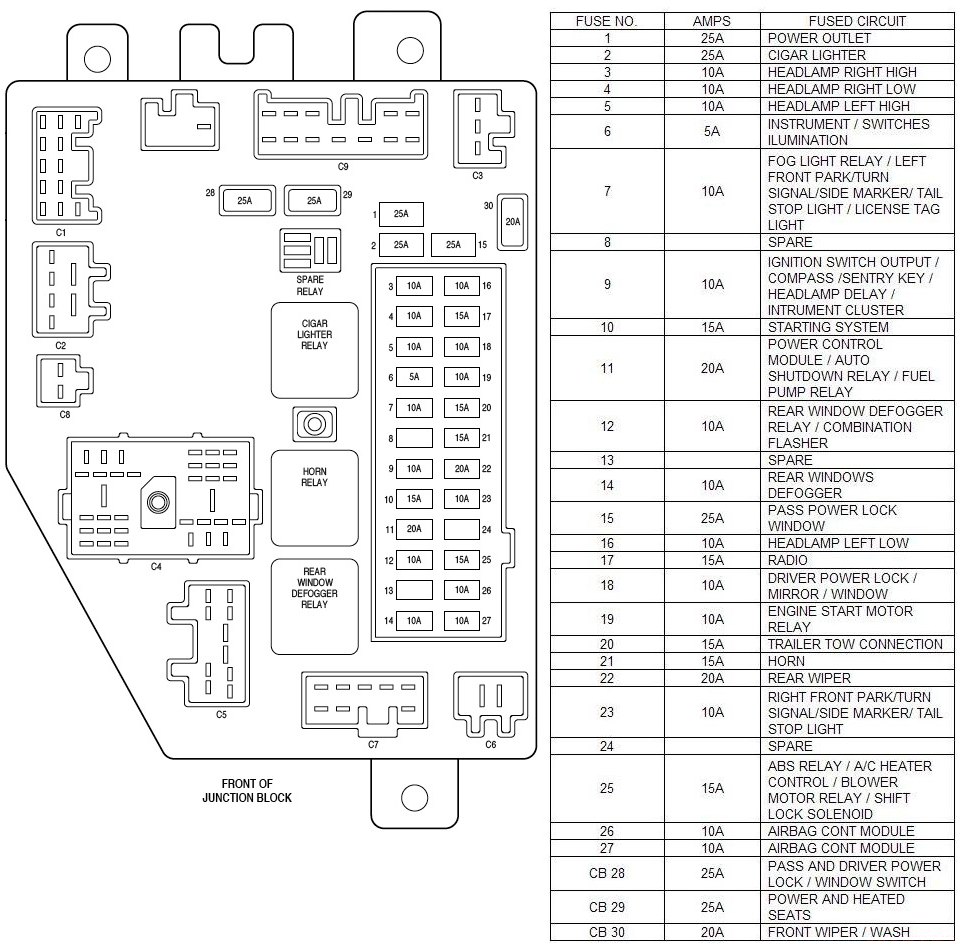
Understanding The Jeep Fuse Box
The Jeep fuse box (also called the Power Distribution Center) is usually under the hood or beneath the dashboard, depending on the model and year. It contains fuses and relays that control all major electrical circuits.
Here’s a quick comparison of common Jeep fuse box locations:
| Jeep Model | Fuse Box Location | Notes |
|---|---|---|
| Wrangler JK (2007-2018) | Engine bay, near battery | Easy access, weather-sealed |
| Wrangler JL (2018+) | Engine bay, passenger side | Modern blade fuses |
| Grand Cherokee | Engine bay & under dash | Multiple fuse boxes |
Always check your owner’s manual for the exact location and fuse layout. It’s important to use a circuit that turns off with the ignition, so your lights don’t drain the battery when the Jeep is off.
Step-by-step Guide: How To Wire Lights To Your Jeep Fuse Box
Wiring lights to the fuse box takes careful planning and attention to detail. Follow these steps for a safe and reliable installation.
1. Plan Your Wiring Route
Before touching any wires, decide:
- Where you’ll mount the lights
- How you’ll run wires to the fuse box and switch
- Where the switch will be located (dashboard, A-pillar, etc.)
Keep wires away from moving parts, hot surfaces (like the exhaust), and sharp edges. Use zip ties to keep everything secure and neat.
2. Connect The Wiring Harness
Most aftermarket lights come with a harness, relay, and in-line fuse. Here’s a typical wiring diagram:
| Wire Color | Connects To | Purpose |
|---|---|---|
| Red (+) | Fuse box (via add-a-circuit) | Power supply |
| Black (-) | Chassis ground | Completes circuit |
| Blue/White | Switch | Turns light on/off |
Run the harness from the lights to the engine bay, keeping wires protected and hidden where possible.
3. Add-a-circuit: Tapping Power Safely
An add-a-circuit fuse tap is the safest way to draw power from the fuse box. Here’s how to use it:
- Identify a fuse slot that powers on/off with the ignition (like the accessory or cigarette lighter circuit).
- Remove the existing fuse and insert it into the lower slot of the fuse tap.
- Insert a new fuse (same or lower amperage as your lights) into the upper slot.
- Plug the fuse tap into the fuse box slot.
- Connect the fuse tap’s power wire to the red wire of your harness (crimp or solder).
Insider tip: Never use a circuit that controls safety features like airbags or ABS.
4. Grounding The Circuit
A proper ground is critical for safe and reliable operation. Use a factory grounding point or a clean, bare metal spot on the chassis. Sand away any paint or rust for the best connection. Secure the black ground wire from your harness with a ring terminal and bolt.
5. Installing The Switch
Mount the switch inside the cabin where you can easily reach it. Drill a hole if you use a toggle or rocker switch.
Connect the switch wiring as shown in your harness diagram usually, this involves running a wire from the relay to the switch and another to a ground.
Some switches light up when on. For these, you may need to connect a small wire to an “accessory on” circuit so the switch only glows with the ignition.
6. Mounting And Testing The Lights
With all wiring complete:
- Mount the lights securely, aiming them for maximum visibility but not blinding other drivers.
- Reconnect the battery (if you disconnected it for safety).
- Test the system with a multimeter before turning on the lights.
- Flip the switch and check that the lights work as expected.
Common mistake: Forgetting to check for short circuits or loose connections before powering up. Always double-check your work.
7. Finalizing Your Installation
Use electrical tape or heat shrink tubing on all connections for weather protection. Bundle wires with zip ties and keep everything tidy. Replace the fuse box cover and ensure nothing is pinched or stressed.
If you ever plan to add more lights, label your wires and keep a diagram for future reference.
Choosing The Right Fuse And Wire Size
Picking the correct fuse and wire size is critical for safety and performance. Here’s a helpful reference:
| Light Power (Watts) | Recommended Fuse (Amps) | Wire Gauge |
|---|---|---|
| Up to 60W (pair) | 10A | 16 AWG |
| 60–120W (pair) | 15A | 14 AWG |
| 120–180W (pair) | 20A | 12 AWG |
Always use a fuse rated just above the total current draw of your lights. For example, a 100-watt pair of LED lights at 12 volts draws about 8. 3 amps, so a 10-amp fuse is safe.
Non-obvious insight: Oversizing the fuse doesn’t protect your wiring and can cause fires if a short happens.
Practical Tips For A Trouble-free Install
- Test fit everything before making final connections.
- Use dielectric grease on terminals to prevent corrosion, especially if you off-road in wet or salty environments.
- Double-check that your new circuit doesn’t interfere with existing electronics.
- Never run wires across sharp metal edges without a grommet—vibration can wear through insulation.
- If you plan to add more accessories, consider a dedicated relay/fuse panel for future expansion.
Many Jeepers overlook the importance of relays. A relay allows you to use a small switch to control a high-power device safely. Don’t skip this step direct wiring can melt your switch or cause electrical issues.
Common Mistakes To Avoid
- Skipping the relay: Directly wiring high-power lights to a switch is unsafe.
- Wrong fuse size: Too large won’t protect; too small blows constantly.
- Bad ground: Weak grounds cause flickering or non-working lights.
- Poor wire routing: Loose wires can snag or melt on hot engine parts.
- Not checking for ignition power: Using a constant power source drains your battery if you forget to turn off the lights.
Many beginners also forget to check local laws. Some states limit the number or brightness of aftermarket lights you can use on public roads.
Legal And Safety Considerations
Adding lights to your Jeep is legal in most areas, but there are rules:
- DOT-approved lights are required for on-road use.
- Cover off-road lights when driving on highways.
- Don’t aim lights to blind oncoming drivers.
For more details on vehicle lighting laws, see NHTSA Lighting Regulations.

Troubleshooting: If Your Lights Don’t Work
If your lights don’t turn on after wiring:
- Double-check all connections for tightness and correct routing.
- Use a multimeter to verify voltage at each step (fuse tap, relay, light).
- Check for blown fuses or tripped relays.
- Confirm the ground is solid and connected to bare metal.
- Try swapping fuses or relays with known-good ones.
If the lights flicker, the most likely cause is a poor ground or a loose connection. If they stay on after the ignition is off, you probably used a constant power source instead of an ignition-switched one.
Frequently Asked Questions
How Do I Know Which Fuse Slot To Use In My Jeep Fuse Box?
Choose a fuse slot that powers up only when the ignition is on. Use a multimeter or test light to check which slots are ignition-switched. Avoid circuits critical to vehicle safety, like airbags or ABS.
Do I Need A Relay If My Lights Are Low Power?
Even for low-power lights, using a relay is safer. It allows you to use a small switch and keeps high current out of the dashboard. Most harnesses include a relay, and it extends the life of your switch.
Can I Wire Multiple Lights To One Fuse?
You can, as long as the total current draw doesn’t exceed the fuse and wire rating. Add up the wattage of all lights and use the correct fuse size for that total. For more than two lights, consider a relay panel.
What Should I Do If My Lights Are Dim After Wiring?
Dim lights usually mean a poor ground or undersized wire. Check your ground connection, make sure it’s on bare metal, and use thicker wire if your lights draw a lot of power.
Is It Safe To Install Lights Myself, Or Should I Get A Professional?
If you’re comfortable with basic wiring and follow safety steps, you can do it yourself. Take your time, double-check everything, and don’t rush. For complex installs or if you’re unsure, a professional can save you trouble later.
Adding lights to your Jeep’s fuse box is a smart upgrade that boosts safety and style for your adventures. By following these steps and tips, you can enjoy brighter trails and safer night driving, knowing your installation is secure and reliable.