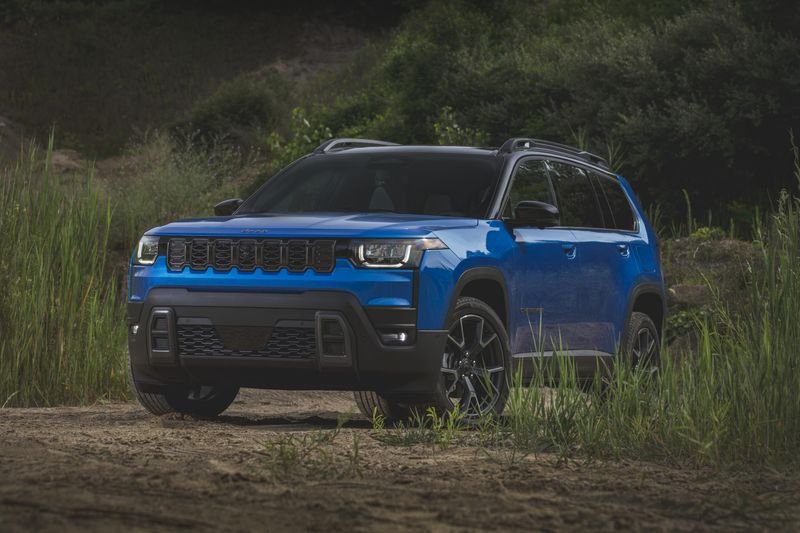
Owning a Jeep means adventure, but it also brings challenges. If you drive through rivers, mud, or heavy rain, your vehicle’s electrical components are at risk. Water can cause short circuits, corrosion, and even complete failure. Waterproofing is not just for extreme off-roaders; it’s smart for anyone who wants their Jeep to stay reliable. In this guide, you’ll learn simple, practical steps to protect your Jeep’s electrical parts, plus some tips that even seasoned drivers sometimes miss. You’ll also discover why waterproofing matters for everyday drivers, not just for those who tackle wild terrain.
Why Jeep Electrical Components Need Waterproofing
Jeep vehicles are made for tough environments, but their electrical systems are not fully sealed. The main risks are:
- Short circuits from water exposure
- Corrosion of connectors and wires
- Loss of functionality (lights, engine, sensors)
In fact, research shows that water damage is responsible for up to 30% of vehicle electrical failures after floods. Even a small splash can cause expensive repairs.
Many Jeep owners don’t realize that rainwater, car washes, and puddles are enough to cause problems. It’s not just deep river crossings.
For example, the fuse box is often located low in the engine bay, making it easy for water to seep in during a storm.
Some owners report issues after driving through heavy rainfall, when water sneaks in through poorly sealed grommets or cracks.
Key Areas To Waterproof
Some parts of your Jeep are more vulnerable than others. Focus on these:
- ECU (Engine Control Unit) – Controls the engine and transmission.
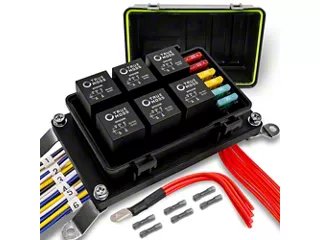
- Fuse box – Distributes power to all systems.
- Wiring harnesses – Connects electrical parts.
- Battery terminals – Essential for starting and running.
- Lights and sensors – Often exposed to water.
Below is a quick comparison of vulnerability and repair costs:
| Component | Water Vulnerability | Typical Repair Cost |
|---|---|---|
| ECU | High | $500-$1,200 |
| Fuse Box | Medium | $150-$400 |
| Wiring Harness | High | $300-$700 |
| Battery Terminals | Low | $50-$100 |
| Lights/Sensors | Medium | $60-$250 |
Besides the listed parts, don’t forget about auxiliary equipment. Aftermarket parts like winches and light bars can be even more vulnerable because their installation isn’t always weatherproof. Protecting these will save you headaches later.
Step-by-step: How To Waterproof Jeep Electrical Components
Protecting your Jeep is easier than you think. Here are clear steps:
1. Inspect And Clean
Start by checking all connectors, wires, and boxes. Remove dirt, mud, and moisture. Clean contacts with electrical cleaner spray.
Look for signs of old water damage, like green or white corrosion on connectors. Use a soft brush for stubborn dirt, and let everything dry fully before moving to the next step.
If you spot cracked or brittle wires, replace them before sealing.
2. Use Dielectric Grease
Apply dielectric grease to connectors and terminals. It blocks moisture and prevents corrosion. A little goes a long way—just a thin layer.
When applying, spread grease inside the connector housing and on the metal pins. This creates a barrier against water and humidity.
Many owners skip this step, but it’s one of the easiest ways to prevent rust and electrical failure.
3. Wrap Connections
Use self-fusing silicone tape to wrap exposed wires and connectors. This tape sticks to itself, making a waterproof seal without sticky residue.
Wrap tape tightly but not so hard that it damages the wire. Cover all areas where wires enter connectors or plugs.
Pay special attention to areas where wires rub against metal parts, as these spots are more likely to develop leaks.
4. Seal Fuse Boxes And Ecus
Install waterproof covers on fuse boxes and ECUs. Many aftermarket kits are made for Jeep models. Make sure the cover fits tightly.
If you don’t have a custom cover, you can use a plastic bag and zip ties as a temporary fix, but this is not recommended for long-term use. For extra protection, add a bead of silicone sealant around the edges.
5. Upgrade To Waterproof Connectors
Replace old connectors with waterproof types (like IP67-rated). These are designed to keep water out even during deep river crossings.
Look for connectors made for marine or industrial use they’re built to resist both water and vibration. This upgrade takes time, but it pays off if you drive in wet or muddy places often.
6. Protect Battery Terminals
Cover battery terminals with rubber boots. These are cheap and prevent splash damage.
Rubber boots also reduce the risk of accidental short circuits if a metal tool touches the terminals. Make sure boots are snug and cover all exposed metal.
7. Elevate Vulnerable Components
If possible, move sensitive parts higher in the engine bay. The higher, the safer from water.
For example, relocate the ECU or fuse box to a higher spot using brackets. If you don’t know how, ask a mechanic.
Even moving parts a few inches up can make a big difference.
Here’s a quick look at waterproofing methods versus effectiveness:
| Method | Ease of Use | Protection Level |
|---|---|---|
| Dielectric Grease | Easy | Medium |
| Silicone Tape | Moderate | High |
| Waterproof Covers | Moderate | High |
| Waterproof Connectors | Hard | Very High |
| Elevating Parts | Hard | Very High |
Extra Tips Most Jeep Owners Miss
- Check for hidden leaks: Water can enter from unexpected places like the firewall or under seats. Use a flashlight after rain or a wash.
- Regular maintenance: Waterproofing is not a one-time job. Reapply grease and tape every 6–12 months.
- Protect aftermarket accessories: Winches, light bars, and radios often have low-quality connectors. Upgrade these too.
Also, check drain holes in the floor and doors. Clogged drains can trap water, which then finds its way into wiring.
Adding small desiccant packs near electrical clusters can absorb extra moisture, especially in humid areas.
Common Mistakes To Avoid
- Skipping connectors: Many people only protect main boxes, ignoring small connectors. These are often the first to fail.
- Over-tightening tape: Too much pressure can cut wires inside. Wrap gently for best results.
- Using household tape: Only use automotive-grade silicone tape. Normal tape does not seal against water.
Another mistake is ignoring rust on mounting brackets or bolts. Rust weakens the structure and can let water in.
Clean and protect metal parts as well, especially near wiring.
How Waterproofing Affects Jeep Performance
Waterproofing doesn’t just prevent failure—it can improve reliability. Jeeps with well-protected electrical systems have fewer breakdowns and can handle deeper water crossings. Some Jeep clubs report that waterproofed vehicles last 25% longer in harsh conditions.
Below is a comparison of Jeep performance before and after waterproofing:
| Condition | Breakdowns per Year | Average Repair Cost |
|---|---|---|
| Unprotected | 3-5 | $1,000 |
| Waterproofed | 1-2 | $400 |
Waterproofing also helps your Jeep hold its value. Buyers look for well-maintained vehicles, especially ones with clean wiring and no signs of water damage.
If you plan to sell or trade in the future, these steps can make a real difference.
Frequently Asked Questions
How Often Should I Reapply Waterproofing Materials?
Most experts suggest every 6 12 months. If you drive in wet or muddy areas often, check connectors every few months.
Can I Waterproof My Jeep’s Electrical Parts Myself?
Yes, most steps are easy for beginners. Use proper tools and materials, and follow instructions carefully.
What Is The Best Waterproofing Product For Connectors?
Dielectric grease and IP67-rated connectors offer strong protection. Silicone tape is also effective for quick fixes.
Will Waterproofing Affect My Jeep’s Warranty?
Usually, using aftermarket covers or grease does not affect warranty. But changing wiring or connectors might.
Always check your Jeep’s manual or ask your dealer.
Is Waterproofing Necessary For Newer Jeep Models?
Even new Jeeps are vulnerable. Factory seals can fail, and off-road conditions are harsh. Waterproofing adds extra safety.
Protecting your Jeep’s electrical components is essential for adventure and daily use. With these steps, your vehicle will resist water damage, keeping you safe and avoiding expensive repairs. Take time to check, seal, and upgrade key parts—your Jeep will thank you on the next trail. For more technical details, visit Jeep Official Site.