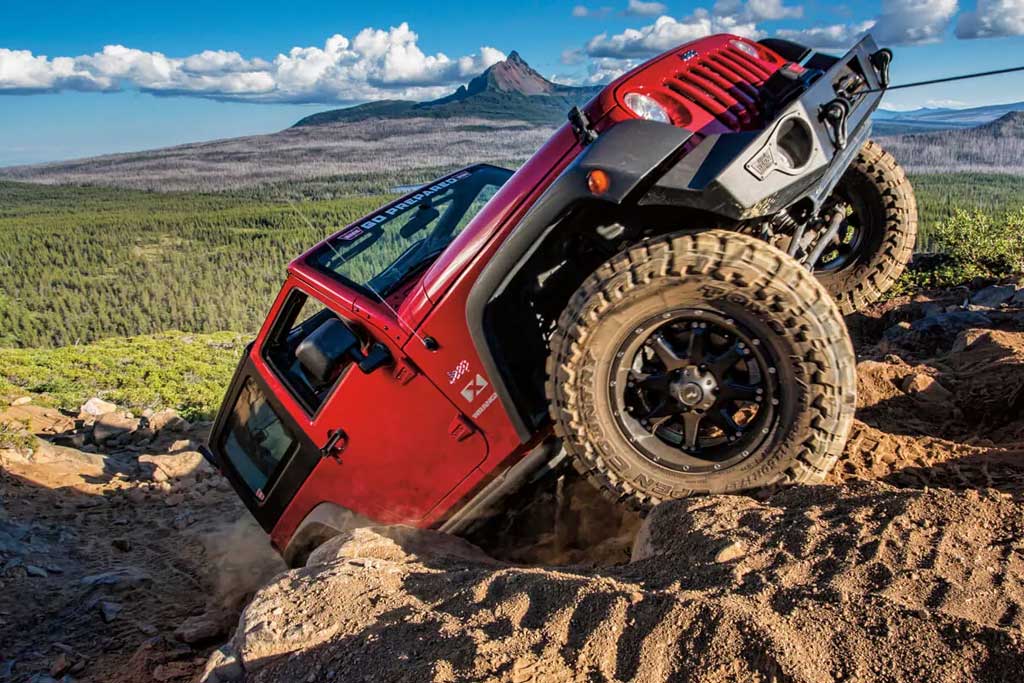
Getting stuck in mud, sand, or rough terrain is a common challenge for off-road Jeep owners. Having a Jeep winch can turn a stressful situation into a manageable one.
A winch lets you pull your vehicle out of trouble, move heavy objects, or help others on the trail. But using a winch safely and effectively requires knowledge, the right equipment, and careful steps.
In this guide, you’ll learn everything you need to operate a Jeep winch with confidence—even if you’ve never used one before.
Understanding Jeep Winch Basics
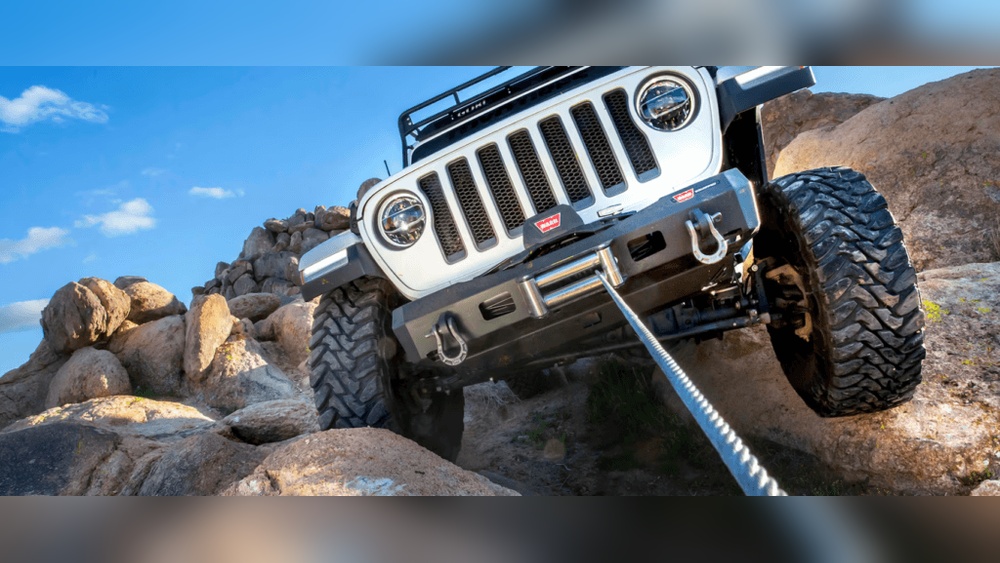
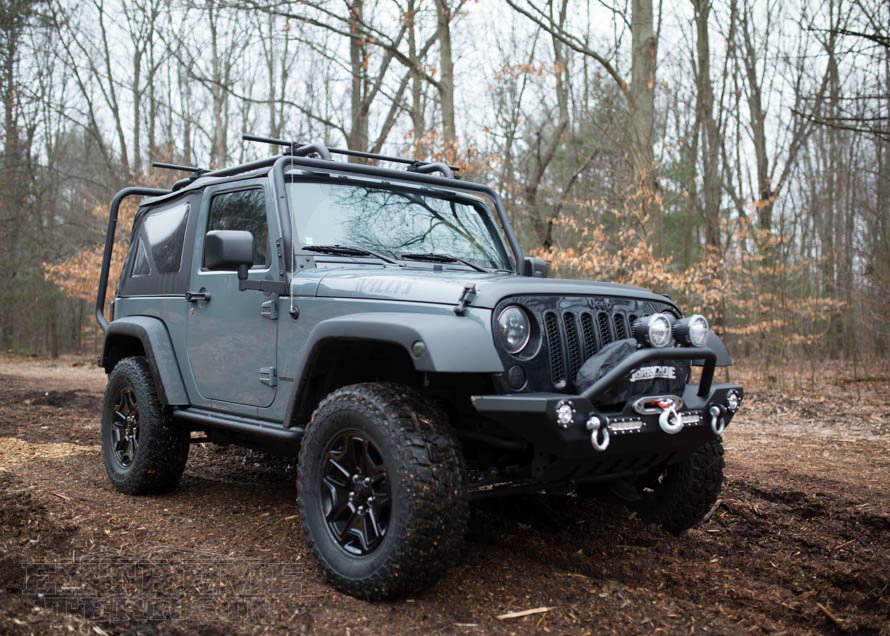
A Jeep winch is a powered device, usually mounted on the front bumper, that uses a strong cable or synthetic rope to pull heavy loads. Winches come in different sizes and strengths. Most Jeep winches have pulling capacities between 8,000 and 12,000 pounds.
Winches are powered in two main ways:
- Electric winches use your Jeep’s battery.
- Hydraulic winches use power from the vehicle’s steering pump.
Choosing the right winch depends on your Jeep’s weight and your typical off-road use.
| Jeep Model | Recommended Winch Capacity | Common Winch Type |
|---|---|---|
| Wrangler Sport | 8,000 lbs | Electric |
| Wrangler Rubicon | 10,000 lbs | Electric |
| Gladiator | 12,000 lbs | Electric/Hydraulic |
Essential Preparation Before Using A Jeep Winch
Before you operate your winch, preparation is crucial. Skipping these steps is a common mistake.
- Check the winch cable or rope for fraying, kinks, or damage. A damaged cable can snap, causing injury.
- Inspect all connections between the winch, battery, and controls.
- Wear gloves to protect your hands from sharp strands.
- Pack recovery gear: Carry a tree saver strap, snatch block, D-rings, and a winch dampener.
Many beginners forget to use a winch dampener, which reduces the risk of injury if the cable breaks.

Step-by-step: How To Use Your Jeep Winch
Using a winch follows a clear process. Here’s how to recover your Jeep safely:
- Plan the recovery: Decide the best anchor point (tree, rock, another vehicle). Make sure it’s strong enough for your Jeep’s weight.
- Attach the winch line: Use a tree saver strap and D-ring for trees, or connect to a tow point on another vehicle.
- Set up a winch dampener: Place it over the cable halfway between the winch and anchor.
- Engage the winch clutch: Pull out the cable or rope until you reach the anchor point.
- Lock the clutch: Secure the clutch before beginning the pull.
- Begin winching: Stand clear and use the remote control. Pull slowly, keeping tension steady.
- Monitor the Jeep’s movement: Stop winching if the cable angles too much or if the Jeep moves off course.
- Re-spool the cable: Once free, rewind the cable carefully to prevent tangles.
A practical tip: Use a snatch block to double the pulling power or change the direction of the winch line. This is often missed by new Jeep owners.
| Winch Accessory | Main Use | Benefit |
|---|---|---|
| Tree Saver Strap | Protects anchor tree | Spreads force, prevents damage |
| Snatch Block | Redirects cable | Increases pulling power |
| Winch Dampener | Safety device | Reduces injury risk |
Safety Tips For Jeep Winching
Winching involves strong forces. Here’s how to stay safe:
- Always stand clear of the winch line during operation.
- Keep bystanders at least 1.5 times the length of the winch cable away.
- Never use a winch cable as a tow rope for driving.
- Avoid shock loads (sudden jerks); always pull smoothly.
- If using a synthetic rope, avoid sharp edges that can cut fibers.
Most winch accidents happen because people underestimate the cable tension. Always use a winch dampener and keep the area clear.
Common Problems And Solutions
Winch issues can happen anytime. Here are typical problems and how to fix them:
- Winch not pulling: Check battery voltage. Low power can cause slow or no movement.
- Cable stuck or tangled: Try reversing the winch. If that fails, unwind and respool manually.
- Remote not working: Check connections and battery in the remote. Replace if needed.
- Winch overheated: Wait 10–15 minutes for cooling. Avoid long, continuous pulls.
Non-obvious insight: Winch motors lose efficiency as they heat up. Plan short pulls with breaks to prevent overheating.
| Problem | Quick Fix | Preventive Action |
|---|---|---|
| Slow pulling | Check battery charge | Use high-capacity battery |
| Cable damage | Replace cable | Inspect before each use |
| Remote failure | Try manual controls | Carry backup remote |
Maintenance For Reliable Winch Operation
Regular care extends your winch’s life:
- Clean the winch after each off-road trip.
- Lubricate moving parts, especially the drum and clutch.
- Check all bolts and mounting brackets.
- Inspect electrical connections for corrosion.
Replace the cable or rope every 2 3 years if you use your winch often. Synthetic ropes wear faster but are safer and lighter.
Frequently Asked Questions
How Do I Choose The Right Winch For My Jeep?
Pick a winch rated at least 1.5 times your Jeep’s weight. For most Wranglers, an 8,000–10,000 lb winch is enough.
Can I Use My Winch In Water Or Mud?
Most modern winches are water-resistant but not fully waterproof. Avoid submerging the winch motor. Clean and dry the winch after use in wet conditions.
What’s Better: Steel Cable Or Synthetic Rope?
Steel cable is durable and handles heat well, but it’s heavy and can cause more injury if it snaps. Synthetic rope is lighter and safer, but it needs extra care and can degrade in sunlight.
Do I Need Special Training To Use A Jeep Winch?
Basic training helps. Many off-road clubs offer winch classes and demonstrations. Reading your winch manual and practicing in safe conditions is highly recommended.
How Often Should I Inspect My Winch?
Inspect your winch before every use. Check for cable damage, loose bolts, and electrical issues. Annual professional servicing is wise if you use it regularly.
Using your Jeep winch correctly turns tricky recoveries into safe, smooth operations. With careful preparation, the right gear, and steady attention to safety, you’ll be ready for whatever the trail throws at you. For more details on winch operation and safety, visit 4 Wheel Parts. Proper winch use is not just about getting unstuck—it’s about confidence and readiness on every adventure.