Getting the most from your Jeep Cherokee 2014 4 wheel drive system can transform your driving experience. Whether you’re tackling rough roads, snowy streets, or planning an off-road adventure, knowing exactly how to use the 4WD features helps you stay safe and in control. Many drivers make mistakes with their 4WD, but with the right steps and practical tips, you’ll avoid costly errors and enjoy a smoother drive.
Understanding The 4 Wheel Drive System
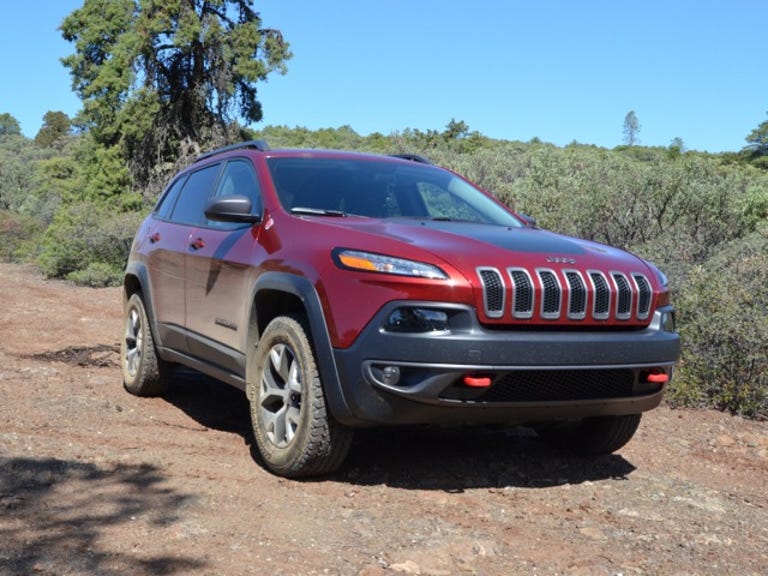
The Jeep Cherokee 2014 offers several 4WD modes. Most models use Jeep’s Active Drive system, which is fully automatic. Some versions (like Trailhawk) feature extra settings for advanced off-roading. Here’s what you need to know:
- Auto Mode: Default setting; the vehicle decides when to engage 4WD.
- Snow Mode: Designed for slippery conditions, like snow and ice.
- Sport Mode: Adjusts performance for faster driving.
- Sand/Mud Mode: Helps with loose surfaces.
- Rock Mode: For extreme off-road, available only in Trailhawk.
How The System Works
The Cherokee’s 4WD system uses sensors to detect wheel slip, then shifts power from front to rear wheels. This happens in milliseconds, so you rarely notice.

Unlike older systems, you don’t need to stop or shift manually most of the time.
Step-by-step: Using The 4 Wheel Drive
- Start the Vehicle: Always begin with your Jeep in park.
- Select the Right Mode: Use the rotary knob or touchscreen to pick the best mode for your conditions.
- Drive Normally: The system handles most adjustments automatically.
- Switching Modes: You can change modes while driving under 55 mph. For Rock Mode, stop and shift to neutral.
- Monitor Conditions: Watch for dashboard alerts or warnings. If you see “4WD temporarily unavailable,” let the system cool down.
Example: Driving In Snow
If you’re facing heavy snow, turn the knob to Snow Mode before leaving your driveway. The system will adjust throttle and transmission for better grip. You’ll feel more confident, especially when turning or stopping.
Example: Off-road Adventure
For mud or sand, switch to Sand/Mud Mode. The system allows more wheel spin, which helps you keep momentum. If you’re in deep mud, keep a steady speed—don’t stop, or you might get stuck.
Comparing Modes: What’s Best For You?
Let’s look at how the 4WD modes perform in different situations:
| Mode | Best Use | Performance |
|---|---|---|
| Auto | Daily driving, mixed conditions | Balanced, automatic engagement |
| Snow | Snow, ice, slippery roads | Enhanced traction, gentle throttle |
| Sport | Highway, fast driving | Improved response, tighter handling |
| Sand/Mud | Loose, soft surfaces | More wheel spin, keeps momentum |
| Rock | Trailhawk off-road only | Maximum grip, slow speed control |
Common Mistakes To Avoid
Many new Jeep owners forget these important points:
- Switching modes too late: Always select the right mode before entering difficult terrain.
- Ignoring tire condition: Worn tires reduce grip, even with 4WD.
- Overconfidence: 4WD helps, but you can still lose control on ice or mud.
- Not cooling the system: Extended use in tough conditions can overheat the system. Pause if you see warnings.

Practical Tips For Beginners
- Practice Switching Modes: Try changing modes on safe roads to get comfortable.
- Know Your Limits: 4WD can’t fix bad driving or extreme conditions.
- Check Tire Pressure: Proper pressure improves grip.
- Read the Manual: Jeep provides detailed instructions for each mode.
- Regular Maintenance: Keep your 4WD system serviced to avoid breakdowns.
Useful Data: Tire Pressure Vs Traction
A quick comparison shows how tire pressure affects performance:
| Tire Pressure (psi) | Traction Rating | Recommended Use |
|---|---|---|
| 35 | High | Normal road |
| 30 | Medium | Wet, mild off-road |
| 25 | Low | Sand, deep mud |
Lower tire pressure helps in mud or sand but is risky on highways. Always inflate tires back to normal after off-roading.
Advanced Features: Trailhawk Exclusive
If you own the Trailhawk version, you get extra tools:
- Locking Rear Differential: For tough climbs or rocks.
- Hill Descent Control: Maintains speed downhill.
- Skid Plates: Protects the underside.
These features are for serious off-road use. Beginners should practice first before tackling difficult trails.
Real-world Example: Mountain Trip
Imagine you’re driving up a steep gravel mountain. Start in Auto Mode. If you feel the wheels slipping, switch to Sand/Mud Mode. For rocky areas, Trailhawk owners can use Rock Mode and the locking differential. Always descend slowly using Hill Descent if available.
Non-obvious Insights
- Mode memory: The Cherokee remembers your last setting. If you restart after a break, check if the right mode is still active.
- Partial engagement: In some situations, the system may only send partial power to the rear wheels. Don’t assume full 4WD is always on.
Frequently Asked Questions
How Do I Know If 4wd Is Active?
Look for the 4WD indicator on the dashboard. In Auto Mode, the system engages automatically when needed, so you may not see a light unless conditions demand it.
Can I Switch 4wd Modes While Driving?
Yes, except for Rock Mode. Most modes can be changed at speeds up to 55 mph.
For Rock Mode, stop the vehicle and shift to neutral.
Is 4wd Needed On Dry Pavement?
No. Using 4WD on dry roads doesn’t improve safety and can wear out parts faster. Stick to Auto Mode for daily driving.
What Should I Do If 4wd Overheats?
If you see a warning about 4WD overheating, stop and let the system cool. This happens after extended use in tough conditions. Check for debris around the wheels and clear mud if needed.
Where Can I Find More Details?
For in-depth technical info, visit the official Jeep site: Jeep Cherokee Official.
Using your Jeep Cherokee 2014 4 wheel drive correctly makes every journey safer and more enjoyable. With practice, you’ll feel confident switching modes and tackling all kinds of roads. Remember, 4WD is a tool—use it wisely, and your Jeep will handle almost anything you throw at it.