Using a high lift jack on your Jeep can seem intimidating, especially if you’ve never used one before. But this tool is a lifesaver for off-road drivers, helping you lift your vehicle out of tough spots, change tires, or perform quick repairs.
The trick is knowing how to use it safely and efficiently, because a high lift jack can be dangerous if handled incorrectly.
Here, you’ll learn step-by-step how to use a high lift jack on your Jeep, along with practical tips and key safety advice that most beginners miss.
By the end, you’ll feel confident lifting your Jeep and handling common situations.
Understanding High Lift Jacks
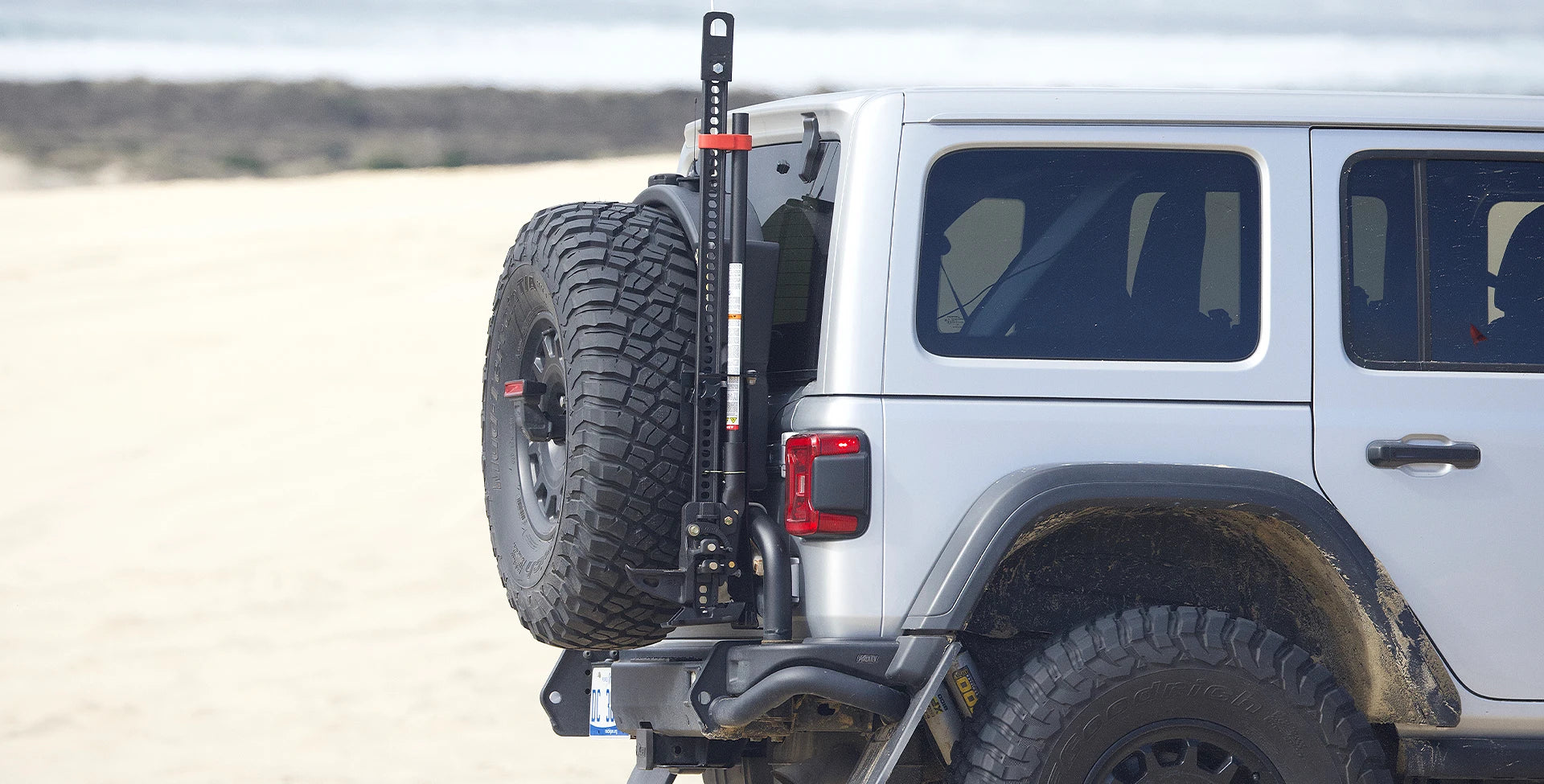
A high lift jack is a mechanical device designed to lift vehicles with higher ground clearance, like Jeeps and trucks. Unlike standard jacks, it can lift your vehicle much higher—sometimes up to 48 inches. This makes it ideal for off-road situations, such as freeing a stuck wheel or changing a tire on uneven ground.
Key features:
- Long steel bar (typically 48-60 inches)
- Large base for stability
- Clamping mechanism for lifting and lowering
Typical uses:
- Lifting your Jeep for tire changes
- Recovering from mud or sand
- Repairing suspension or undercarriage
Here’s a quick comparison of high lift jacks versus standard floor jacks:
| Feature | High Lift Jack | Standard Floor Jack |
|---|---|---|
| Lift Height | Up to 48-60 inches | Up to 20 inches |
| Stability | Needs careful placement | Stable on flat ground |
| Weight Capacity | 4,660 lbs (typical) | 2,000-6,000 lbs |
| Best Use | Off-road recovery | Garage repairs |
Preparing To Use A High Lift Jack
Before you start, make sure you have the right equipment and know your Jeep’s lifting points.
- Safety gloves and eye protection
- Solid base (wood or plastic pad for soft ground)
- Jack handle and jack base
- Wheel chocks to prevent rolling
Check your Jeep’s manual for recommended lifting points. Most Jeeps have reinforced spots on the frame or aftermarket bumpers designed for high lift jacks.
Common mistake: Many beginners try to lift their Jeep from weak spots, such as the body panels or thin metal. Always use the frame or bumper to avoid damage.
Step-by-step: Using The High Lift Jack
Follow these steps to lift your Jeep safely:
- Park on level ground: If possible, find a flat area. If you’re off-road, clear away rocks or debris.
- Apply wheel chocks: Place them behind the wheels you’re not lifting.
- Position the jack: Place the base under the lifting point. Make sure it’s solid and won’t sink.
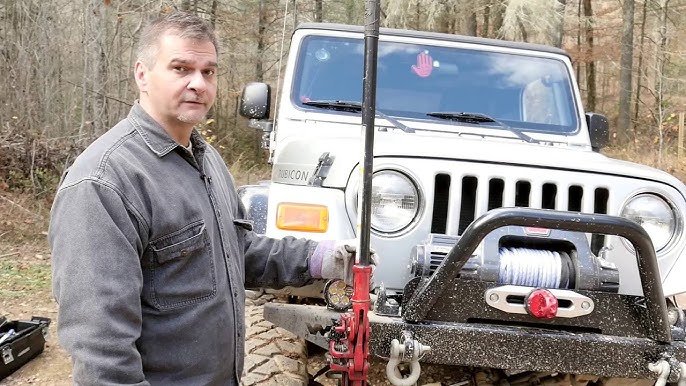
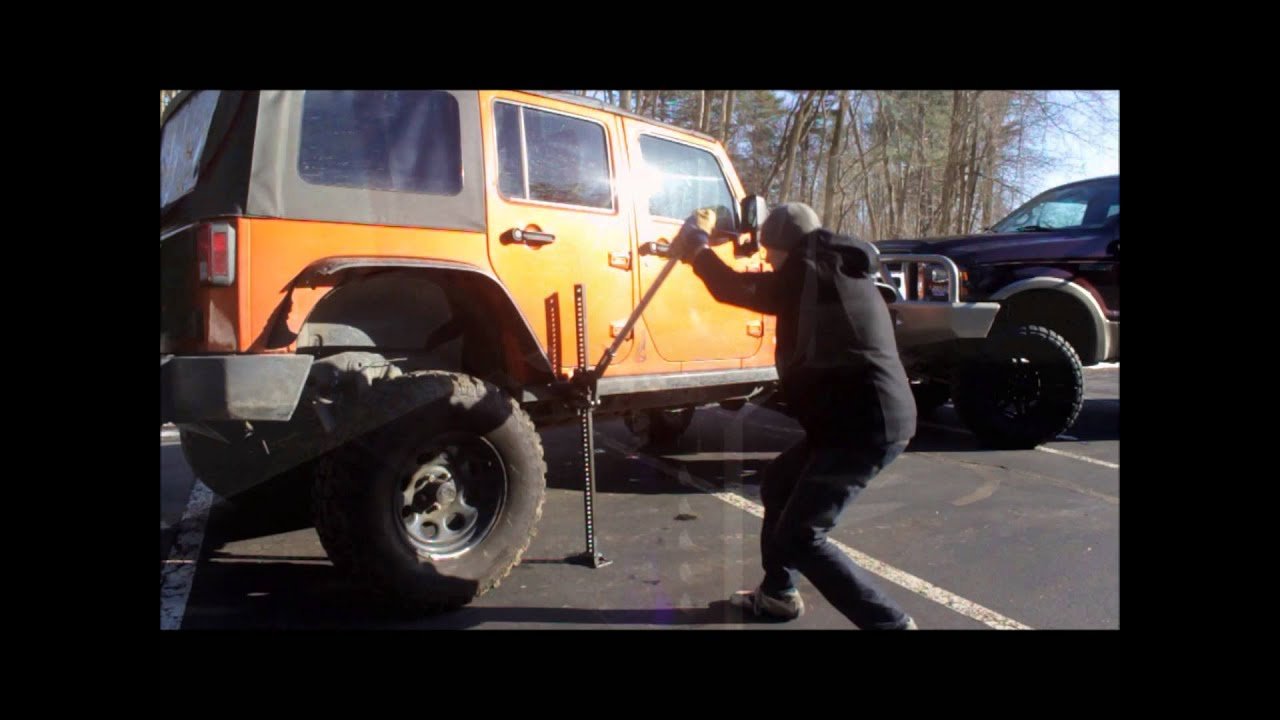
- Engage the lifting point: Hook the jack’s nose onto the Jeep’s frame or bumper.
- Lift slowly: Pump the handle in steady motions. Watch for any shifting or instability.
- Stop at desired height: Only lift as much as needed. Never go higher than necessary.
- Perform your task: Change the tire, recover the vehicle, or make repairs.
- Lower carefully: Reverse the handle direction, keeping hands clear of moving parts.
Here’s a table showing safe lifting points for common Jeep models:
| Jeep Model | Recommended Lift Point | Notes |
|---|---|---|
| Wrangler (JK) | Frame rail, aftermarket bumper | Factory bumpers usually not strong enough |
| Wrangler (TJ) | Frame, rock slider | Watch for rusted spots |
| Grand Cherokee | Frame, tow hooks | Use jack base for stability |
| Gladiator | Frame, rear bumper | Check bumper strength |
Safety Tips When Using A High Lift Jack
The high lift jack is powerful, but it can be risky. Here are proven ways to stay safe:
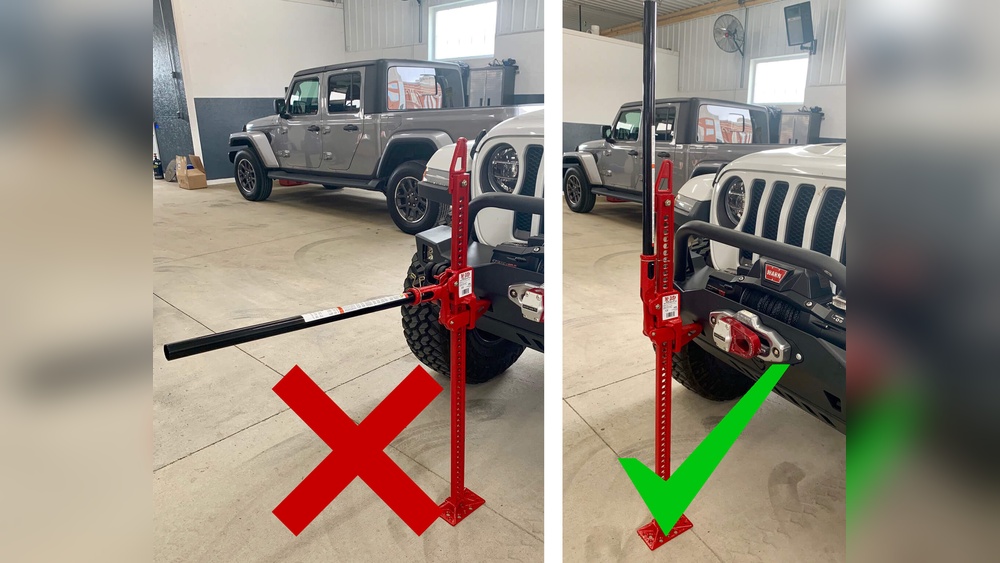
- Never crawl under your Jeep when using a high lift jack. It’s for lifting, not holding.
- Keep your hands clear of the mechanism. The handle can snap back unexpectedly.
- Secure the jack base on soft ground. Use a pad or solid board to prevent sinking.
- Do not exceed weight limit. Check your jack’s rating—most handle up to 4,660 lbs.
- Avoid sudden movements. Lower the Jeep slowly and carefully.
Non-obvious insight: The high lift jack can also be used as a winch in emergencies, pulling your Jeep out of mud with a chain or tow strap. However, this requires special skills and should only be done if you know how.
Common Mistakes And How To Avoid Them
- Using the wrong lift point: Always check for strong, reinforced spots.
- Not stabilizing the base: On sand or mud, use a wide pad.
- Lifting too high: Only lift as much as you need—higher means less stability.
- Ignoring the vehicle’s weight: Make sure your jack can handle your Jeep’s weight.
- Letting the handle fly: Always control the handle during lifting and lowering.
Many Jeep owners forget to inspect their jack regularly. Dirt, rust, or worn parts can make the jack unsafe. Always check before you use it.
Practical Tips For Jeep Owners
- Carry a jack base and gloves in your Jeep at all times.
- Practice using the jack at home before heading off-road.
- Invest in aftermarket bumpers with built-in lift points for easier, safer lifting.
- Keep your jack clean and lubricated for smooth operation.
Here’s a table comparing popular high lift jack models for Jeep owners:
| Model | Lift Height | Weight Capacity | Price Range |
|---|---|---|---|
| Hi-Lift Xtreme | 48 inches | 4,660 lbs | $120–$150 |
| Hi-Lift Cast/Steel | 48 inches | 4,660 lbs | $90–$120 |
| Smittybilt Trail Jack | 54 inches | 4,660 lbs | $110–$130 |
For more in-depth guidance, you can visit the official Hi-Lift Jack website.
Frequently Asked Questions
How Do I Know Where To Place The High Lift Jack On My Jeep?
Always check your Jeep’s manual for recommended lift points. These are usually reinforced spots on the frame or specialized aftermarket bumpers. Avoid body panels or thin metal, as they can bend or break.
Can I Use A High Lift Jack On All Jeep Models?
Yes, but you must use the correct lift point and ensure your jack’s capacity matches your Jeep’s weight. Some models require aftermarket bumpers or accessories for safe lifting.
What Should I Do If The Jack Sinks In Mud Or Sand?
Place a wide, solid base (like a wooden or plastic pad) under the jack to prevent sinking. This gives stability, especially off-road.
Is It Safe To Work Under The Jeep With A High Lift Jack?
No, never work under your Jeep when supported by a high lift jack. The jack is designed for lifting, not for holding the vehicle safely in place.
How Often Should I Inspect My High Lift Jack?
Check your jack before every use. Look for rust, dirt, worn parts, and ensure the mechanism moves smoothly. Regular maintenance keeps your jack safe and reliable.
With the right technique, using a high lift jack on your Jeep becomes a simple, safe process. Always prepare carefully, respect safety rules, and practice before heading off-road.
This knowledge will help you handle emergencies and routine maintenance confidently, making your Jeep adventures smoother and safer.