Using a Jeep jack can seem challenging if you’re new to off-roading or vehicle maintenance. But knowing how to use this tool safely is essential. Whether you need to change a flat tire on a trail or lift your Jeep for repairs, the right technique will keep you safe and make the job faster. Let’s walk through the process step by step, with practical advice, tips, and answers to questions Jeep owners often ask.
What Is A Jeep Jack?
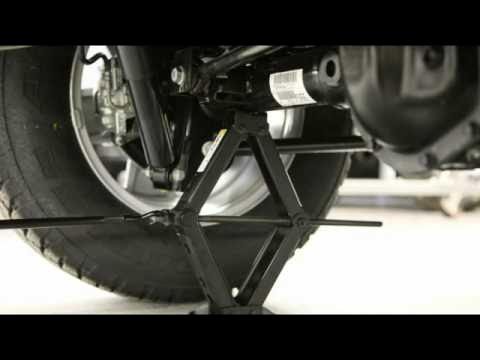
A Jeep jack is a tool designed to lift Jeeps and other off-road vehicles. Most Jeeps come with a standard scissor jack or bottle jack, but many off-road drivers upgrade to a high-lift jack. These jacks can lift a vehicle higher, which is important if you have larger tires or a lifted suspension.
| Jack Type | Lift Height | Best For |
|---|---|---|
| Scissor Jack | 10-15 inches | Stock Jeeps, small repairs |
| Bottle Jack | 12-20 inches | Heavy-duty, uneven ground |
| High-Lift Jack | Up to 48 inches | Off-roading, lifted Jeeps |
Preparing To Use A Jeep Jack
Before you start, take time to prepare. This will make the process safer and more efficient.
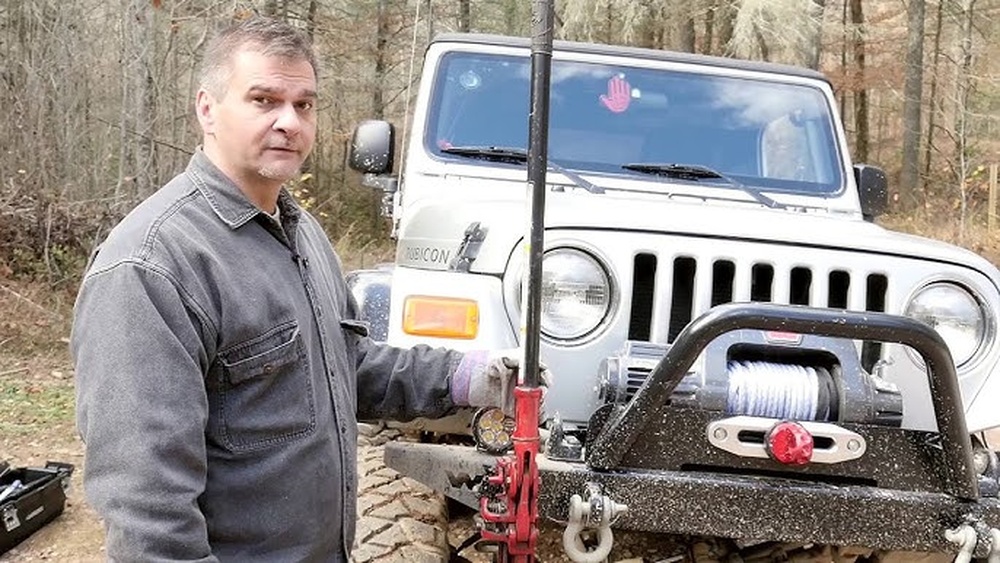
- Find a stable, flat surface. If you’re on a trail, clear away loose rocks and mud.
- Engage the parking brake. This prevents your Jeep from moving unexpectedly.
- Chock the wheels. Place wheel chocks or large stones behind and in front of the wheels not being lifted.
- Gather your tools. You’ll need your jack, a lug wrench, and possibly a base plate if the ground is soft.
A base plate under the jack helps prevent sinking and adds stability an extra step that beginners often overlook.
Step-by-step: How To Use A Jeep Jack
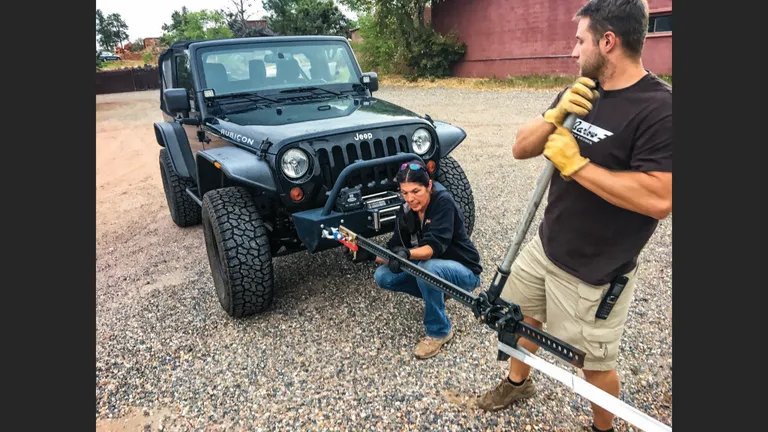
Let’s break down the process. For this guide, we’ll focus on the high-lift jack since it’s common for Jeep owners.
1. Locate The Jack Points
Most Jeeps have reinforced jack points. These are the safest places to lift the vehicle. Check your owner’s manual for their locations. Never place the jack under thin sheet metal or plastic parts.
2. Position The Jack
Slide the high-lift jack under the jack point. Make sure the base is flat and stable.
If the ground is soft, use a base plate.
3. Start Lifting
Hold the handle firmly. Pump the handle up and down.
The lifting nose will rise and press against the Jeep’s frame. Only lift as high as you need unnecessarily high lifts are risky.
4. Remove And Replace The Tire
Once the tire is off the ground, remove the lug nuts with a wrench and take off the wheel. Replace it with your spare and hand-tighten the lug nuts.
5. Lower The Jeep
Slowly lower the jack by raising the handle and letting it come down in a controlled way. Never let the handle snap back.
Once the tire touches the ground, remove the jack and tighten the lug nuts fully.
| Step | Action | Key Tip |
|---|---|---|
| 1 | Locate jack point | Check owner’s manual |
| 2 | Position jack | Use base plate if needed |
| 3 | Lift Jeep | Keep hands clear |
| 4 | Change tire | Hand-tighten lug nuts first |
| 5 | Lower Jeep | Go slowly and steadily |
Safety Tips And Common Mistakes
Using a Jeep jack is simple, but mistakes can be dangerous. Here’s what to avoid:
- Not using wheel chocks. The Jeep can roll if you skip this step.
- Lifting on soft ground without a base. The jack can sink or tip over.
- Ignoring the jack’s weight limit. Exceeding it can cause sudden failure.
- Placing the jack on weak parts. Always use reinforced points.
- Standing too close. If the jack slips, you could be injured.
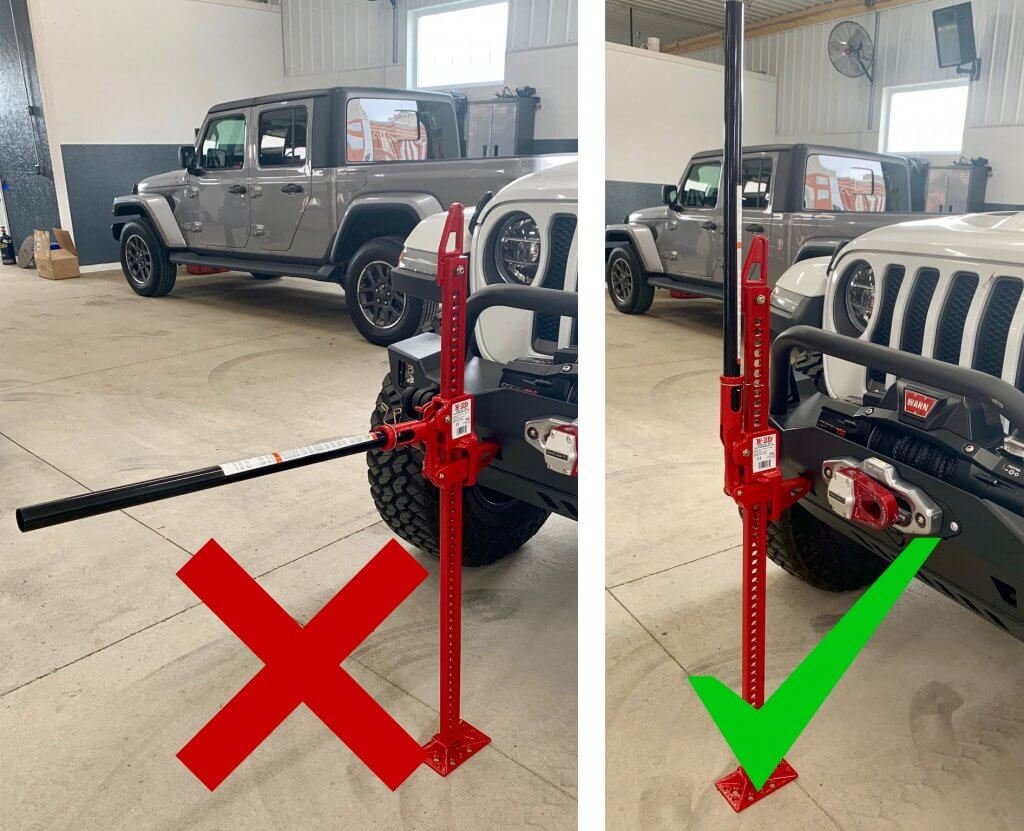
A non-obvious tip: Always keep your head and body to the side of the jack, never directly above or in line with the handle. High-lift jacks can release energy suddenly if not used carefully.
High-lift Jack Vs. Stock Jeep Jack
Should you stick with the stock jack, or upgrade to a high-lift? Here’s a quick comparison:
| Feature | Stock Jeep Jack | High-Lift Jack |
|---|---|---|
| Portability | Compact, easy to store | Bulky, needs mounting |
| Lift Height | Low | Very High |
| Ease of Use | Simpler for beginners | Requires learning |
| Best For | Roadside emergencies | Off-road recovery |
For most off-road situations, a high-lift jack is preferred. But for daily driving and easy tire changes, the stock jack is usually enough.
Practical Tips For Jeep Owners
- Practice at home first. Don’t wait for an emergency to learn how your jack works.
- Check all equipment. Make sure your jack isn’t rusty and works smoothly.
- Carry a base plate and gloves. These small extras make a big difference.
- Inspect your jack points regularly. Rust or damage makes lifting unsafe.
Many beginners don’t realize that even a small tilt or unsteady jack can make the whole process dangerous. Always take a few extra seconds to double-check everything.
If you want more in-depth information about jacks and recovery gear, visit the official Jeep Accessories site.
Frequently Asked Questions
How Much Weight Can A Jeep Jack Lift?
Most high-lift jacks can lift up to 7,000 pounds. Stock scissor or bottle jacks usually support 2,000–4,000 pounds. Always check your jack’s label before using it.
Can I Use A Jeep Jack On Uneven Ground?
Yes, but it’s riskier. Use a base plate to spread out the pressure and keep the jack stable. Avoid large rocks, deep mud, or slopes.
What Should I Do If My Jack Gets Stuck?
If a high-lift jack handle won’t move, do not force it. Spray a lubricant, check for dirt or damage, and try again.
Forcing the handle can break the jack or cause injury.
Where Should I Store My Jeep Jack?
Store it in a secure mount inside your Jeep or attach it to a roof or rear rack. Make sure it’s easy to access and won’t become a hazard during a bumpy ride.
Do I Need Any Special Training To Use A High-lift Jack?
You don’t need formal training, but watching tutorials and practicing at home is strongly recommended. Understanding the steps in advance prevents panic during real emergencies.
Using a Jeep jack is a skill every Jeep owner should master. With careful preparation and practice, you’ll be ready for anything the trail throws at you.
Stay safe, and always double-check your setup before lifting your Jeep.


















