Using a floor jack on a Jeep Wrangler might seem simple, but there are important steps and safety tips every owner should know. Lifting your Jeep is not just about raising it off the ground; it’s about doing it safely, quickly, and without damage to your vehicle or yourself.
Whether you are changing a tire on the trail or doing garage maintenance, learning the right way to use a floor jack can save time, money, and even prevent injury.
Why Use A Floor Jack For A Jeep Wrangler?
A floor jack offers more stability and lifting power than the small, factory-supplied scissor jack. Jeep Wranglers are heavier and have higher ground clearance than most cars. This means a standard car jack may not reach or hold the weight safely. A floor jack provides:
- A wider base for stability
- Faster lifting with less effort
- Better reach for lifted or modified Wranglers
Many Jeep owners upgrade their suspension or tires, making a quality floor jack even more important.
Choosing The Right Floor Jack
Not all floor jacks are suitable for a Jeep Wrangler. Here are key factors to consider:
| Feature | Recommended Value | Why It Matters |
|---|---|---|
| Weight Capacity | At least 3 tons | Supports the Wrangler’s curb weight safely |
| Lifting Height | 18–20 inches minimum | Reaches high clearance or oversized tires |
| Jack Type | Hydraulic floor jack | Offers smooth and stable lifting |
A common mistake is choosing a jack with too low a lifting height or insufficient weight rating. Always check your Wrangler’s weight (usually 4,000 4,500 lbs for a 4-door model) before buying.
Preparing Your Jeep Wrangler
Preparation is critical for safe lifting:
- Park on level ground – Never jack on a slope or soft surface.
- Engage the parking brake – Prevents rolling.
- Place wheel chocks – Block wheels opposite to the one being lifted.
- Gather tools – Floor jack, jack stands, lug wrench, gloves.
Before lifting, inspect your floor jack for leaks or damage. A faulty jack can fail without warning.
Where To Place The Floor Jack
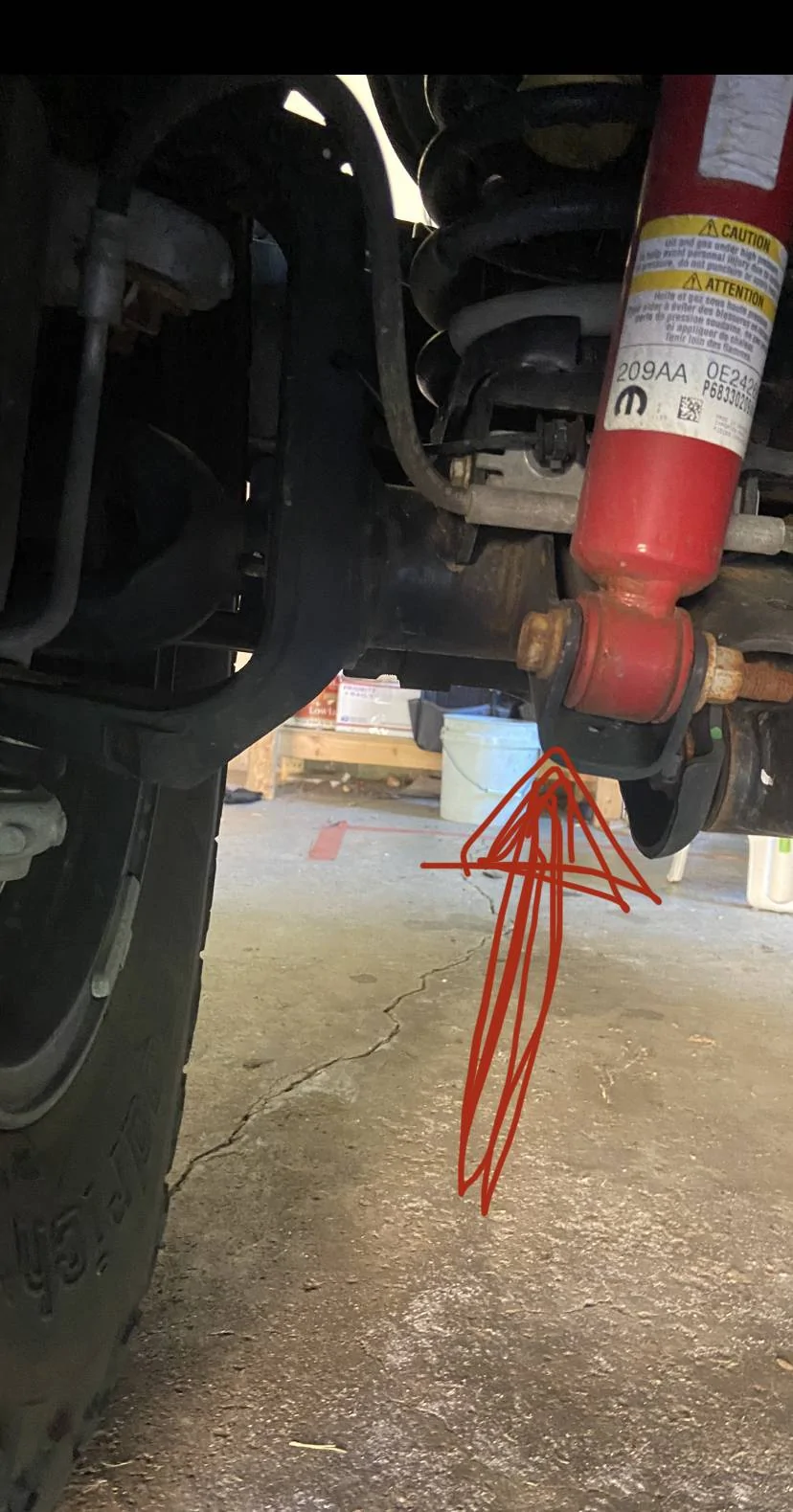
Placing the jack in the right spot is vital. On a Jeep Wrangler, the best points are the axle tubes or the frame rails near the wheels. Avoid jacking under thin sheet metal or suspension components.
| Jeep Model | Primary Jack Points | Notes |
|---|---|---|
| Wrangler JK (2007–2018) | Axle tubes, frame rails | Check for skid plates |
| Wrangler JL (2018+) | Axle tubes, frame rails | Plastic trim can cover jack points |
| Wrangler TJ/YJ | Axle tubes, frame rails | Older models may have rust—inspect first |
Pro tip: The rear differential is not a safe lifting point with a floor jack. Use the axle tubes near the wheels instead.
Step-by-step: How To Use A Floor Jack On A Jeep Wrangler
Follow these steps for safe and effective lifting:
- Position the jack under the correct jack point.
- Pump the handle slowly, raising the saddle until it contacts the axle or frame.
- Double-check alignment to ensure the jack is centered and stable.
- Lift the Jeep until the tire is clear off the ground. Avoid raising higher than needed.
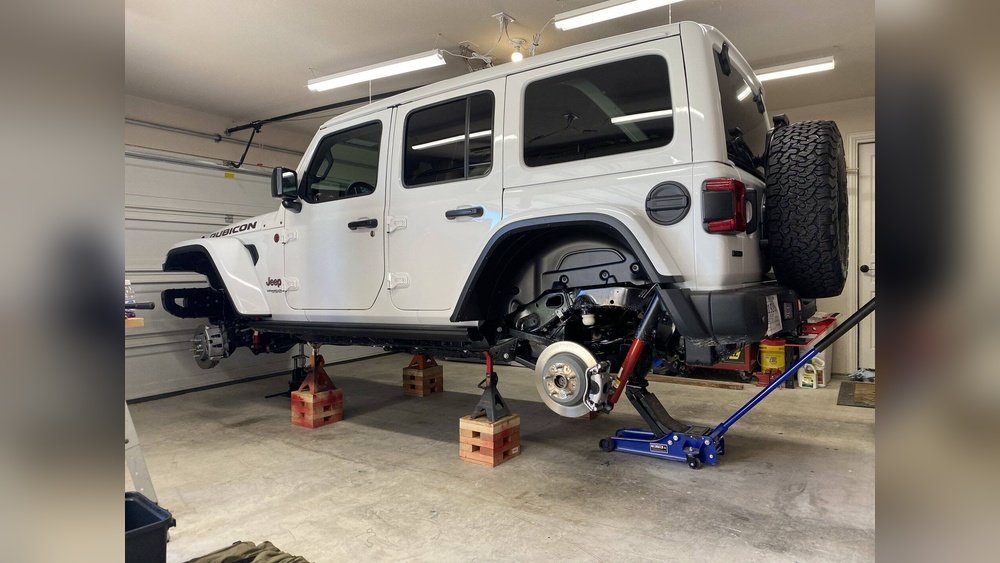
- Place jack stands under the frame or axle for safety. Never work under a Jeep supported only by a jack.
- Lower the jack until the Jeep rests on the stands, then remove the jack if you need full wheel access.
When finished, reverse the process: raise the Jeep slightly, remove the jack stands, and slowly lower the Jeep back to the ground.
Common Mistakes And How To Avoid Them
- Using the wrong jack point – This can bend parts or cause the Jeep to slip.
- Lifting on unstable ground – Soft soil or gravel can let the jack sink or tip.
- Not using jack stands – A floor jack can fail or leak pressure over time.
- Lifting too high – Lifting higher than needed increases risk.
- Ignoring weight limits – Exceeding the jack’s rated capacity is dangerous.
Beginners often miss that Wranglers may have modified parts like aftermarket bumpers or skid plates, which can block access to standard jack points. Always check before lifting.
Advanced Tips For Jeep Owners
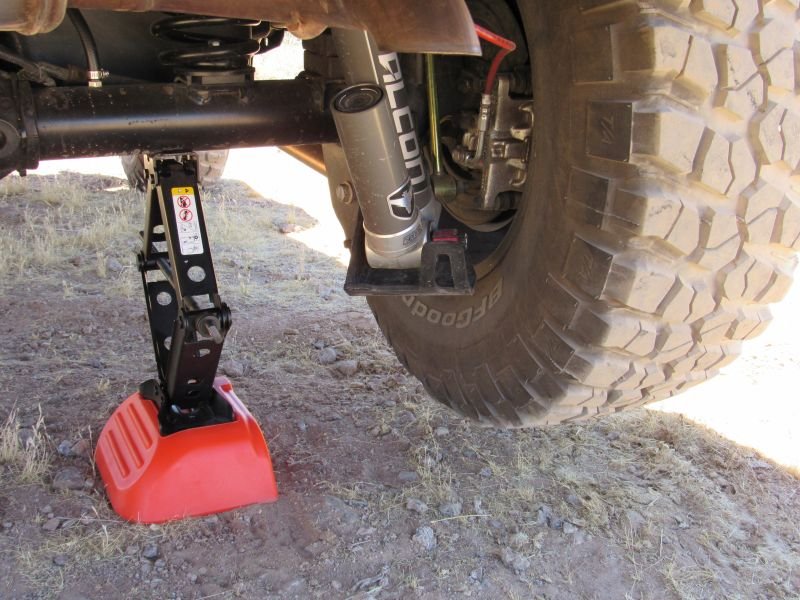
- Carry a folding floor jack for off-road trips; it’s safer and faster than the factory jack.
- Clean the jack points before lifting. Mud or rust can cause slipping.
- If you have a lifted Jeep, consider a jack pad or extension to reach safely.
- Inspect your floor jack and stands every few months. Look for leaks, bent parts, or rust.
These details separate experienced Jeep owners from beginners and help you avoid unexpected problems.
Frequently Asked Questions
How Do I Know If My Floor Jack Is Strong Enough For My Wrangler?
Check the jack’s weight rating. It should be at least 3 tons for most Wranglers. Always verify with your owner’s manual and never use a jack rated below your Jeep’s curb weight.
Can I Lift My Jeep By The Differential?
No, it’s not recommended with a floor jack. The differential is not designed as a lifting point and can be damaged.
Use the axle tubes or frame rails instead.
Is It Safe To Work Under My Jeep With Only The Floor Jack?
Never. Always support the Jeep with jack stands before working underneath. Floor jacks can fail suddenly due to leaks or mechanical problems.
What’s The Difference Between A Bottle Jack And A Floor Jack For Jeeps?
A floor jack offers more stability and a wider lifting base, making it safer for home garages. Bottle jacks are more portable but can be unstable on uneven ground or with lifted vehicles.
Where Can I Find More Official Safety Information?
You can review the official Jeep Wrangler owner’s manual or visit NHTSA’s vehicle safety resources for more on safe jacking and vehicle maintenance.
Learning to use a floor jack properly is a valuable skill for any Jeep Wrangler owner. With the right equipment, preparation, and safety steps, you can confidently handle tire changes, repairs, or upgrades on your own.
Always take time to double-check your setup and never rush the process a few extra minutes can prevent costly mistakes or injuries.