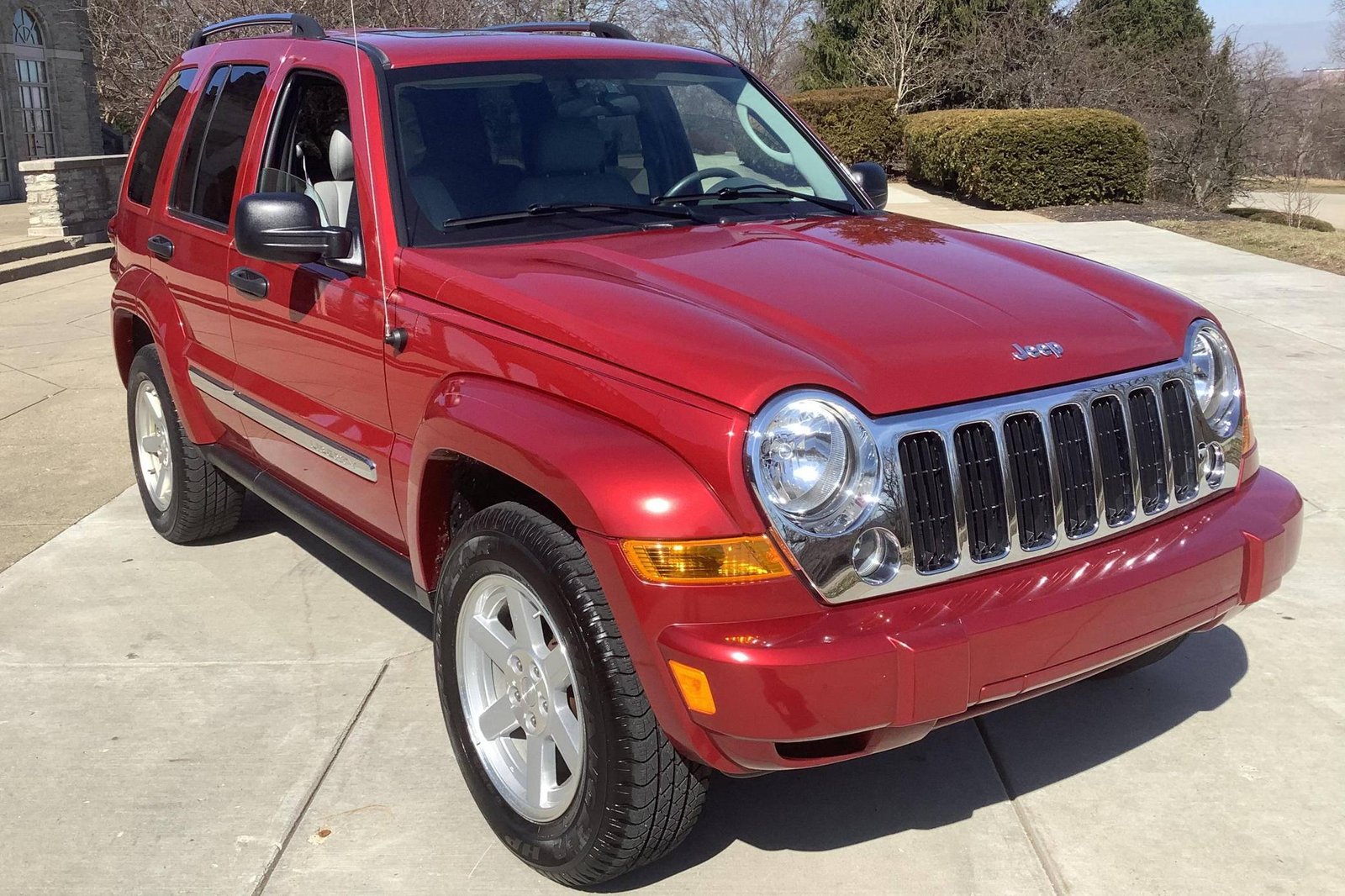
Driving a 4X4 Jeep Liberty opens up new possibilities for adventure and safety. Whether you are crossing muddy tracks, snowy roads, or rocky hills, knowing how to use the four-wheel drive is essential.
Many drivers feel unsure about which settings to use, and when. If you learn the right steps, your Jeep Liberty can help you handle tough conditions confidently.
Understanding Jeep Liberty’s 4×4 System
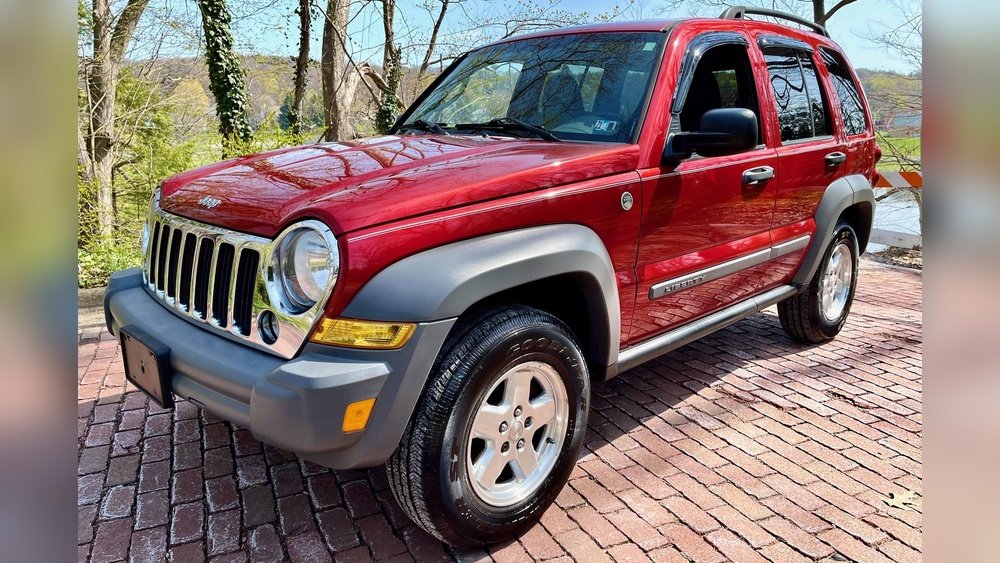
The Jeep Liberty is known for its reliable four-wheel drive system. Most models have two main types: the Command-Trac and the Selec-Trac. Both systems let you choose between two-wheel drive (2WD) and four-wheel drive (4WD), but Selec-Trac offers more flexibility.
Here is a quick comparison of these systems:
| System | Modes Available | Best Use |
|---|---|---|
| Command-Trac | 2WD, 4WD High, 4WD Low | Basic off-road and slippery roads |
| Selec-Trac | 2WD, 4WD High, 4WD Low, Full-Time 4WD | Mixed driving, changing conditions |
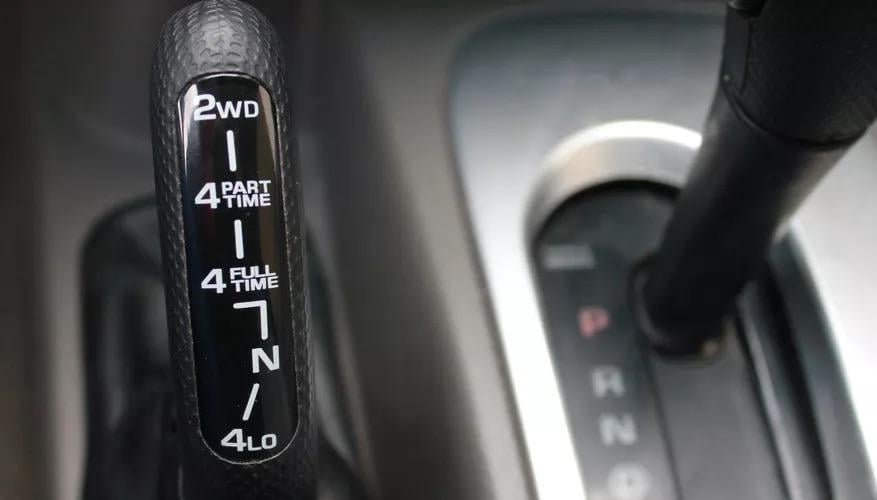
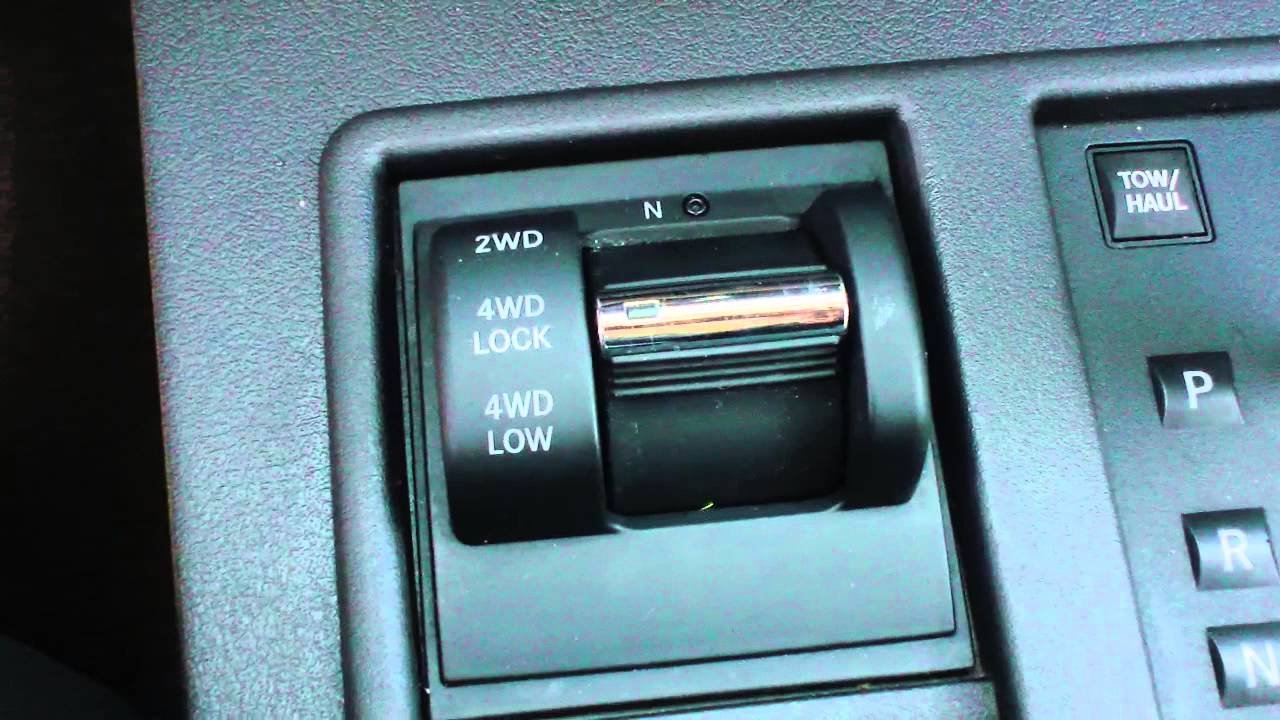
Command-Trac is simple and strong, perfect for beginners. Selec-Trac gives you more control if you switch between dry and wet roads often. Both systems use a lever or switch near the gear shifter.
How To Use 4×4 Jeep Liberty: Four Key Modes
Every Jeep Liberty 4X4 system includes four main modes. Each mode is made for different situations. Let’s look at each mode, with practical examples and clear instructions.
1. 2wd (two-wheel Drive)
2WD is your default mode. It sends power only to the rear wheels. This mode is best for:
- Dry, paved roads
- Normal city driving
- Highway travel
To use 2WD, make sure the lever or switch is set to “2WD.” Driving in 2WD saves fuel and reduces wear on the front axle. Many drivers forget to switch back after off-roading, which can cause unnecessary stress on the vehicle.
2. 4wd High (four-wheel Drive High)
4WD High is for situations where you need extra traction but still want to drive at normal speeds. Use 4WD High when:
- Roads are snowy or icy
- Rain makes roads slippery
- You are driving on gravel or light mud
Switching to 4WD High is simple. Slow down to under 55 mph, then move the lever or press the switch to "4WD High.
" You do not need to stop the vehicle. The system will engage automatically.
A common mistake: using 4WD High on dry pavement. This can damage the system because there is no need for extra traction.
3. 4wd Low (four-wheel Drive Low)
4WD Low is for extreme conditions. It gives maximum torque and control, but limits speed. Use 4WD Low for:
- Deep mud, sand, or snow
- Steep hills (up or down)
- Rocky trails or off-road obstacles
To engage 4WD Low:
- Stop your Jeep completely.
- Shift the transmission into “Neutral” (N).
- Move the 4X4 lever or switch to “4WD Low.”
- Shift the transmission back to “Drive” or “Reverse.”
Never use 4WD Low for normal driving it's made for slow, tough situations. Many beginners forget to return to 2WD or 4WD High after leaving rough terrain, which can cause problems.
4. Full-time 4wd (selec-trac Only)
If your Jeep Liberty has Selec-Trac, you can use “Full-Time 4WD.” This mode works well when conditions change often, like driving from dry to wet roads. Full-Time 4WD sends power to all wheels, but lets the system adjust for different surfaces.
You can use Full-Time 4WD in:
- Mixed weather (rain, snow, dry)
- Long trips with changing road quality
- Anytime you want extra safety
Full-Time 4WD is not available on Command-Trac models. Always check your owner’s manual to know your Jeep’s system.
When To Switch Between Modes
Choosing the right mode depends on road conditions, speed, and what you want to do. Here’s a simple guide:
| Condition | Recommended Mode | Speed Range |
|---|---|---|
| Dry pavement | 2WD | Any speed |
| Snow, ice | 4WD High / Full-Time 4WD | Up to 55 mph |
| Deep mud, sand | 4WD Low | Below 25 mph |
| Mixed conditions | Full-Time 4WD | Any speed |
Always slow down before switching modes, especially between 4WD High and 4WD Low.
Common Mistakes To Avoid
Many new Jeep Liberty drivers make these mistakes:
- Using 4WD on dry roads: This can damage the transfer case.
- Not returning to 2WD after off-roading: Causes extra wear and lower gas mileage.
- Trying to switch to 4WD Low while moving: Always stop and shift to Neutral first.
- Forgetting to check tire pressure: Uneven tires reduce 4WD performance.
- Ignoring regular maintenance: Check fluids, axles, and transfer case often.
Practical Tips For Safe Driving
- Test your 4X4 system in a safe area before using it in tough conditions.
- Keep your speed low when in 4WD Low—never drive fast.
- If you feel vibration or strange noises, stop and check the system.
- Read your owner’s manual for specific instructions on your model.
- Practice switching modes so you feel confident in emergencies.
A hidden insight: The Jeep Liberty 4X4 system works best when all tires are the same size and brand. Mixing tires can cause the system to act strangely.
Maintenance And Care
Taking care of your 4X4 system is simple but important. Change transfer case fluid every 30,000 miles. Check axle seals and driveshafts for leaks or damage.
Here’s a maintenance comparison chart:
| Task | Recommended Interval | Reason |
|---|---|---|
| Transfer case fluid change | 30,000 miles | Prevent wear and overheating |
| Axle inspection | Every 12 months | Detect leaks early |
| Tire rotation | 6,000 miles | Even tire wear for best traction |
For more details, you can check the Jeep official website: Jeep Liberty Guide.
Frequently Asked Questions
What Is The Difference Between 4wd High And 4wd Low?
4WD High is for normal speeds and light off-road, while 4WD Low is for slow driving in deep mud, sand, or steep hills.
Can I Switch To 4wd While Driving?
Yes, you can switch to 4WD High when moving under 55 mph. For 4WD Low, always stop and shift to Neutral first.
Does Using 4wd Affect Fuel Economy?
Yes, driving in 4WD uses more fuel. Stay in 2WD for daily driving to save gas.
How Often Should I Maintain The 4×4 System?
Check fluids and parts every 30,000 miles or once a year. Regular care keeps the system working well.
What If My Jeep Liberty Doesn’t Shift Into 4wd?
Check if you are in the correct gear and speed. If it still won’t shift, visit a mechanic for inspection.
Learning how to use your 4X4 Jeep Liberty helps you drive safer and reach places others can’t. With the right settings, careful maintenance, and smart driving, your Jeep will be ready for any challenge.