Driving a Jeep Wrangler is always an adventure, but many owners feel unsure when it comes to using 4L (4 Low) mode. This powerful setting is designed for tough off-road conditions, but using it incorrectly can damage your vehicle or leave you stuck.
If you’re new to the Jeep world or just want clear, confident advice, this guide will explain what 4L is, when to use it, and exactly how to switch safely—without the jargon.
What Is 4l In A Jeep Wrangler?
The 4L (4 Low) mode is part of the Jeep Wrangler’s four-wheel-drive system. Unlike regular two-wheel drive (2H) or four-wheel drive high (4H), 4L gives you maximum torque and control at low speeds. This means your Jeep moves slower, but with much more power to the wheels. It’s perfect for rock crawling, deep mud, steep hills, and sand.

In 4L, the transfer case multiplies engine power. This lets you move carefully over obstacles or through tough terrain without spinning the wheels.
It is not for highway driving or even most dirt roads using 4L on easy surfaces can harm your Jeep’s drivetrain.
When Should You Use 4l?
Knowing when to use 4L is key to safe and fun off-roading. Here are the situations where 4L is best:
- Steep inclines or declines: Going up or down sharp hills where regular drive modes can’t provide enough control.
- Deep mud or snow: When your tires risk getting stuck and need extra torque.
- Rocky terrain: Crawling over rocks or uneven ground at slow speeds.
- Loose sand or deep ruts: When wheels might dig in or lose traction.
If you can drive faster than 15 mph and the ground isn’t difficult, 4H (four-wheel-drive high) is usually better. Save 4L for moments when you need maximum grip and precise control.
How To Shift Into 4l (step-by-step)
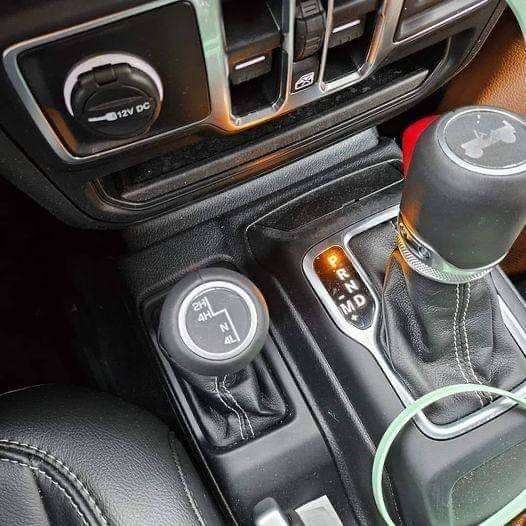
Switching into 4L is simple if you follow the right steps. Here’s how to do it safely in a Jeep Wrangler:
- Stop your Jeep completely.
- Keep your foot on the brake.
- Shift the transmission into Neutral (N)—this is critical.
- Firmly pull the transfer case lever from 2H or 4H down to 4L. You may feel some resistance; that’s normal.
- Once in 4L, shift the transmission back to Drive (D) if you have an automatic, or 1st gear for manual.
- Start driving slowly and enjoy the extra power and control.
Never shift into 4L while moving. This can damage your transfer case. If the lever feels stuck, gently rock the Jeep back and forth in Neutral, but do not force it.
Common Mistakes To Avoid
- Using 4L on pavement: This can cause drivetrain binding and expensive repairs.
- Shifting at high speeds: Only shift into 4L when stopped.
- Forgetting to return to 2H: After leaving tough terrain, always shift back to 2H or 4H for normal driving.
4l Vs 4h Vs 2h: What’s The Difference?
Here’s a quick comparison to make things clearer:
| Mode | When to Use | Max Speed |
|---|---|---|
| 2H (Two-Wheel Drive High) | Normal, dry roads | All speeds |
| 4H (Four-Wheel Drive High) | Snow, rain, loose gravel | Up to 55 mph |
| 4L (Four-Wheel Drive Low) | Off-road, mud, rocks, deep snow | Up to 25 mph |
4L is not about speed—it’s about torque and control. For most winter roads, 4H is enough. Reserve 4L for the truly tough spots.
Real-world Example: Using 4l On A Steep Trail
Imagine you’re driving up a steep, rocky trail. In 2H or 4H, your Jeep might slip, and you’ll need to use lots of throttle.
That can spin the wheels and dig ruts. But in 4L, you move slowly but with strong, even power to all wheels.
You climb with less effort, avoid wheel spin, and protect your Jeep’s parts.
This is why experienced off-roaders always switch to 4L before tackling tough climbs or descents—they want maximum traction and safety.
Tips For First-time 4l Users
- Practice in a safe place: Try shifting into and out of 4L on flat dirt before you need it on a tough trail.
- Listen for strange noises: If you hear grinding or clunking, stop and check the lever position.
- Check your owner’s manual: Some Jeep models have electronic shifters or extra steps. Always follow your model’s instructions.
A common beginner mistake is forgetting to slow down before shifting. Remember, patience prevents damage.

Key Data: Jeep Wrangler 4l System Specs
To understand your Jeep’s 4L system better, here are some typical specs for recent models:
| Year | Engine | Max Torque (4L) | Max Speed (4L) |
|---|---|---|---|
| 2022 | 3.6L V6 | 260 lb-ft | 25 mph |
| 2020 | 2.0L Turbo | 295 lb-ft | 25 mph |
| 2018 | 3.6L V6 | 260 lb-ft | 25 mph |
Always remember, the power in 4L is not for speed, but for traction and crawling ability.
Keeping Your 4l System In Good Shape
Proper care of your 4L system keeps your Jeep reliable. Shift into 4L every few months to keep parts moving smoothly, even if you don’t off-road often.
Watch for leaks under the transfer case and listen for odd noises. If shifting feels rough or difficult, have your system checked by a professional.
If you plan to do lots of off-roading, consider regular transfer case fluid changes. Dirty fluid can lead to expensive repairs down the road.
For more technical details, the official Jeep owner’s site is a trusted resource: Jeep Official Site.
Frequently Asked Questions
How Fast Can I Drive In 4l?
You should drive under 25 mph in 4L. This mode is for slow, controlled movement—not speed.
Is It Safe To Shift Into 4l While Moving?
No. Always stop the vehicle and shift the transmission to Neutral before engaging 4L.
Can I Use 4l On The Highway In Bad Weather?
Never use 4L on the highway. For wet or slippery roads, use 4H instead.
Will Using 4l Damage My Jeep?
No, as long as you use it correctly on loose, rough terrain and at low speeds. Using 4L on paved roads or at high speeds can cause damage.
How Often Should I Use 4l?
Even if you don’t off-road, engage 4L every few months to keep the system working smoothly.
Driving a Jeep Wrangler in 4L opens up new possibilities for adventure and safety in tough conditions. By understanding when and how to use it, you’ll protect your vehicle and enjoy the full capabilities of your Jeep.
Always practice on easy terrain first and keep your 4L system in good shape for years of reliable performance.