Owning a Jeep Wrangler often means you’re ready for adventure—on rocky trails, deep snow, or muddy roads. But even experienced drivers sometimes feel unsure about how to use the 4 wheel drive system properly.
Understanding when and how to engage each 4WD mode is key for your safety and your Jeep’s performance. This guide will break down all four 4WD modes, explain when to use each, and help you avoid common mistakes.
Whether you’re new to off-roading or just want a refresher, you’ll find clear, practical advice here.
Understanding Jeep Wrangler’s 4 Wheel Drive System
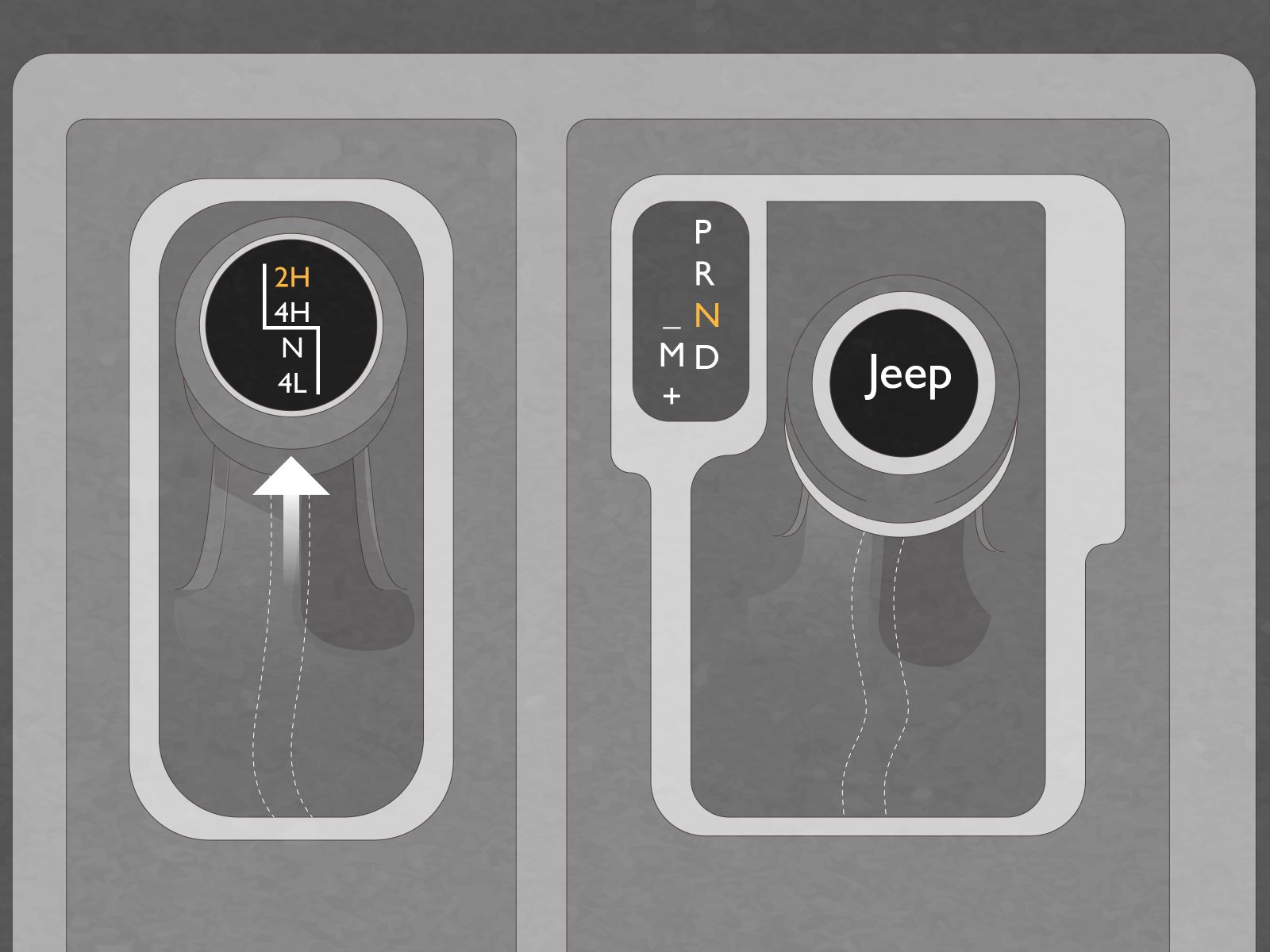
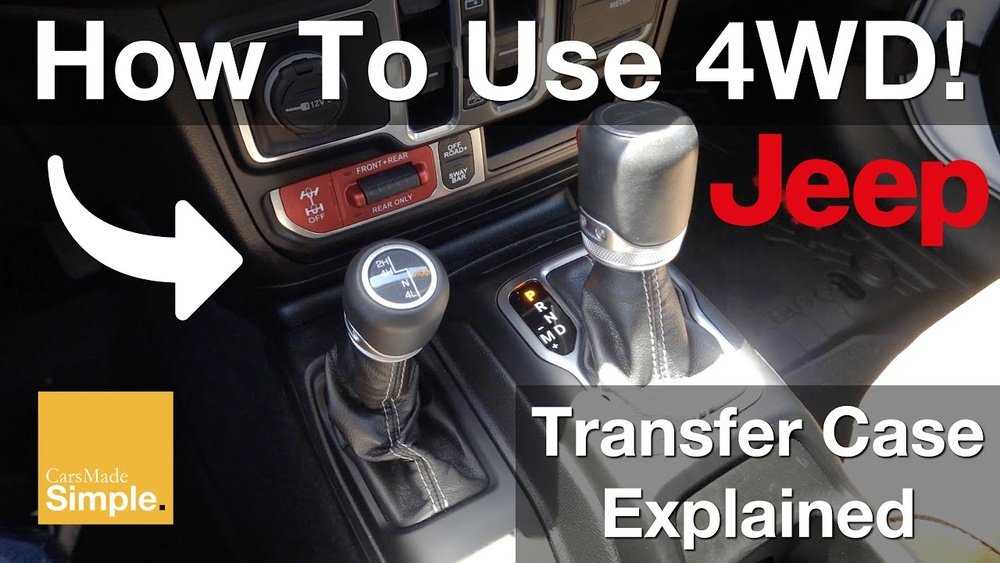
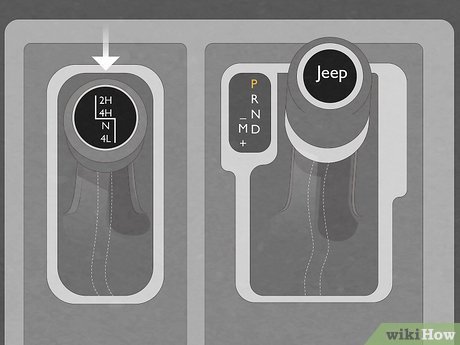
The Jeep Wrangler comes with a part-time 4WD system, meaning you choose when to engage it. Most models have four main settings on the transfer case lever or knob:
- 2H (Two High)
- 4H (Four High)
- N (Neutral)
- 4L (Four Low)
Let’s look at what each setting means, how to use it, and when it’s best suited for your drive.
2h (two High)
This is the default mode for everyday driving. In 2H, power goes only to the rear wheels. This setting gives you the best fuel efficiency and smooth handling on dry, paved roads.
How to use it:
Simply keep the transfer case in the 2H position during normal, dry-road driving. No special action is needed.
When to use:
- City streets
- Highways
- Any dry, firm surface
Common mistake:
Some drivers leave their Jeep in 4H or 4L on dry pavement, which can cause drivetrain damage and poor gas mileage. Always switch back to 2H when you return to normal roads.
4h (four High)
4H sends power to all four wheels, helping your Jeep grip slippery surfaces. It’s ideal for moderate off-roading or bad weather.
How to use it:
Shift to 4H while driving below 55 mph (usually without stopping). Many Wranglers allow “shift-on-the-fly,” so you don’t need to stop if you’re moving slowly and the wheels are not spinning.
When to use:
- Rain, snow, or ice
- Dirt or gravel roads
- Light off-roading
Key insight:
Don’t use 4H on dry pavement. The extra traction isn’t needed and can strain your Jeep’s drivetrain. Use it only when surfaces are slippery or loose.
N (neutral)
Neutral disconnects the transmission from the wheels, allowing your Jeep to roll freely. It’s not a driving mode, but it’s important for certain situations.
How to use it:
Shift the transfer case to N only when towing your Jeep with all four wheels on the ground (flat towing). Follow your owner’s manual to avoid transmission damage.
When to use:
- Flat towing behind an RV
- Some recovery situations
Common mistake:
Accidentally shifting to N while driving can leave you without any power to the wheels. Always double-check the lever position before moving.
4l (four Low)
4L gives you maximum power and control at low speeds by multiplying engine torque. This mode is designed for extreme off-road conditions.
How to use it:
Come to a complete stop, place the transmission in Neutral, then shift the transfer case to 4L. Some resistance is normal—apply steady pressure.
When to use:
- Steep hills or declines
- Deep mud, sand, or snow
- Rock crawling
- Getting unstuck
Key insight:
Never use 4L at high speeds. This mode is for slow, careful driving—usually under 25 mph.
Quick Reference: 4wd Modes And Uses
Here’s a simple table to compare the four settings and their ideal uses:
| Mode | Power Distribution | Best For | Speed Range |
|---|---|---|---|
| 2H | Rear Wheels Only | Dry pavement | Any legal speed |
| 4H | All Wheels | Slippery roads, light off-road | Up to 55 mph |
| N | None (disengaged) | Flat towing | Not for driving |
| 4L | All Wheels (high torque) | Deep mud, steep terrain | Under 25 mph |
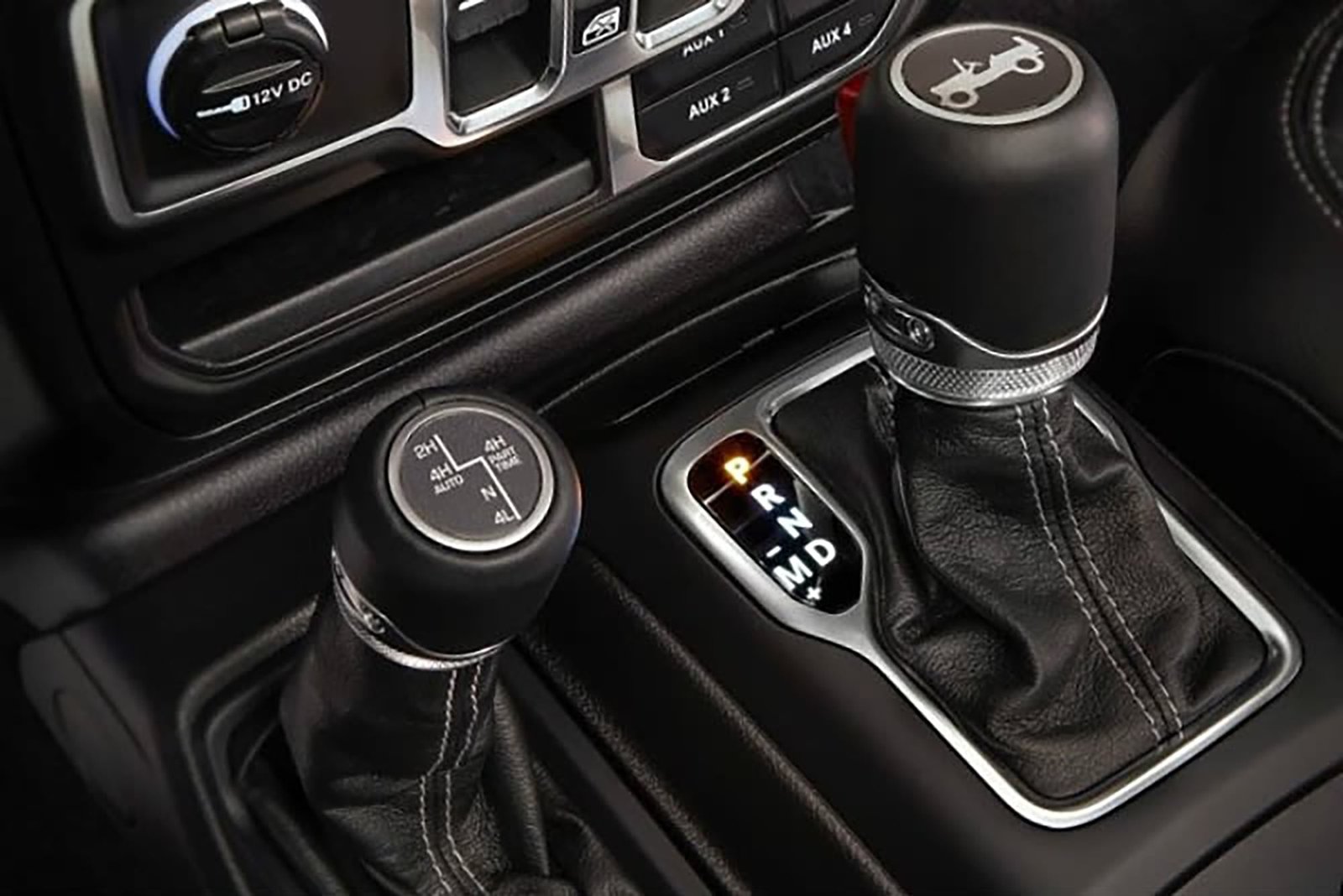
How To Shift Between 4wd Modes
Changing between these modes is simple, but it’s important to do it the right way:
- 2H to 4H (and back): Can be done while moving slowly (below 55 mph) with a steady hand on the lever or knob.
- 4H to 4L (and back): Always stop your Jeep completely, shift the transmission to Neutral, then move the transfer case lever.
- To Neutral (N): Only when preparing for flat towing. Follow the steps in your manual.
Common Shifting Problems
Sometimes the lever feels stuck or grinding noises occur. This is usually because the Jeep isn’t stopped fully or the wheels are not lined up.
Try rolling forward or back a few inches, then shift again.
Advantages And Drawbacks Of Each Mode
To help you make smarter choices, here’s another table comparing the main benefits and limits of each mode:
| Mode | Advantages | Drawbacks |
|---|---|---|
| 2H | Best fuel economy, smooth ride | No extra traction on slippery surfaces |
| 4H | Better traction, easy shifting | Not for dry roads, can reduce MPG |
| N | Safe for towing | Can’t drive, risk if used by mistake |
| 4L | Maximum control and torque | Only at low speeds, hard on drivetrain if misused |
Expert Tips For 4wd Success
- Practice shifting in a safe, empty area before you need it off-road or in bad weather.
- Listen for changes—if you hear clunking or grinding, stop and check your shifting process.
- Tire pressure matters—slightly lower pressure can help grip in sand or snow, but always return to normal levels for highways.
- Maintenance is key—check transfer case fluid and axles regularly.
Many beginners forget to return to 2H after using 4H or 4L, which causes unnecessary wear. Another common oversight is ignoring the owner’s manual—each Jeep model can have small differences.
For more technical details, check the official Jeep Owner’s Manual.
Frequently Asked Questions
What Happens If I Use 4h Or 4l On Dry Pavement?
Using 4H or 4L on dry roads can damage your Jeep’s drivetrain and make steering harder. These modes are designed only for loose or slippery surfaces.
Can I Shift To 4h While Moving?
Yes, you can shift between 2H and 4H while driving at speeds below 55 mph, as long as the wheels are not spinning.
Is It Safe To Use 4l For Towing Heavy Trailers?
No, 4L is not meant for towing on normal roads. Use it only in off-road or recovery situations where slow speed and high torque are needed.
How Do I Know If My Jeep Is In 4wd?
Most Wranglers have a dashboard light that shows when 4H or 4L is active. You’ll also feel a change in traction and steering.
Why Can’t I Shift Into 4l Sometimes?
You must stop the vehicle and shift the transmission to Neutral before shifting into 4L. If it still won’t shift, try rolling forward or backward slightly.
Using your Jeep Wrangler’s 4 wheel drive system correctly means more fun and fewer repairs. Learn the feel of each mode, practice safe shifting, and always switch back to 2H for daily driving. With these basics, you’ll handle tough terrain—and tricky weather—with confidence.