Upgrading your Jeep car suspension for off-road adventures can transform your driving experience. The right suspension upgrade helps you tackle rocky paths, muddy trails, and steep hills with confidence. Many Jeep owners think about adding bigger tires or flashy lights first, but suspension is truly the foundation for off-road success. If you’re ready to make your Jeep more capable, this guide will walk you through the essentials.
Why Upgrade Jeep Suspension For Off-road?
Most factory Jeep suspensions are designed for daily driving. That means comfort on paved roads, but limited ability on rough terrain. When you upgrade, you gain:
- Increased ground clearance to avoid rocks and obstacles.
- Better wheel articulation for uneven surfaces.
- Improved shock absorption for a smoother ride on bumps.
- Enhanced durability against harsh off-road conditions.
If you’re serious about exploring trails, upgrading your suspension is one of the smartest moves you can make.

Types Of Suspension Upgrades
Choosing the right suspension upgrade depends on your driving style, budget, and terrain. Here are the main options:
| Type | Benefits | Drawbacks |
|---|---|---|
| Lift Kits | More clearance, bigger tires | Higher center of gravity, possible alignment issues |
| Shock Absorbers | Better ride quality, handling | Limited lift, must match spring rates |
| Coil Springs | Improved flexibility, support heavy loads | May require new shocks |
| Control Arms | Enhanced articulation, durability | Higher cost, complex installation |
Lift Kits
Lift kits raise your Jeep’s body or suspension. There are two main types: body lifts (simple spacers between the frame and body) and suspension lifts (replace springs and shocks). Suspension lifts are better for off-road because they improve performance, not just height.
Shock Absorbers
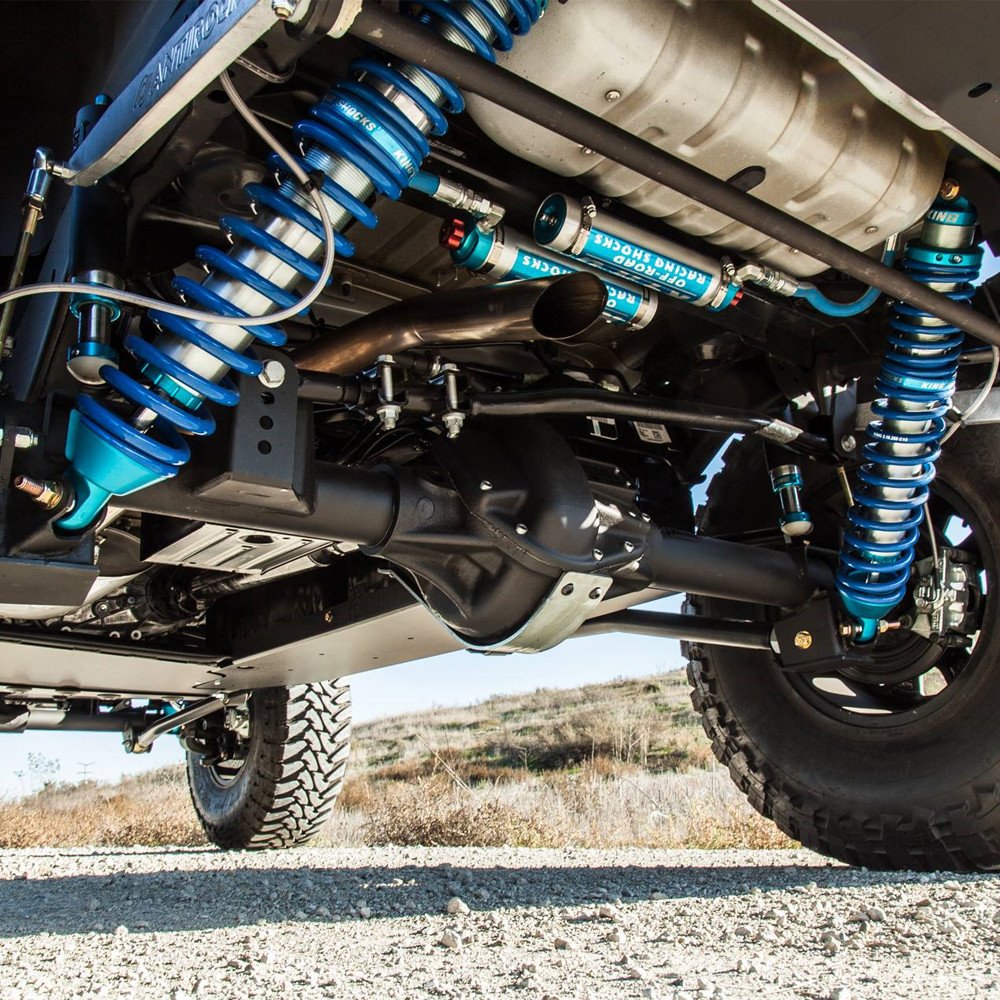
Upgraded shocks help handle bumps, rocks, and drops. Brands like Bilstein or Fox offer adjustable shocks for different terrains. For example, monotube shocks are good for heat dissipation on long trails.
Coil Springs
Stiffer or taller springs can support heavier loads and add height. If you carry gear or passengers often, choose springs with a higher load rating.
Control Arms
Heavy-duty control arms improve wheel movement and prevent damage. They are essential for extreme off-roading or if you use large lift kits.
Step-by-step Guide To Upgrading Jeep Suspension
Upgrading your Jeep’s suspension involves planning and careful installation. Here’s how you can do it:
- Assess your needs: Decide how much lift you need and what terrain you’ll tackle. For mild trails, a 2-inch lift may suffice. For rock crawling, aim for 4 inches or more.
- Choose quality parts: Select reputable brands like Teraflex, Rubicon Express, or Old Man Emu. Cheap parts can fail fast and ruin your trip.
- Gather tools and equipment: You’ll need a jack, jack stands, wrenches, and possibly a spring compressor.
- Remove old components: Safely lift your Jeep and take off the wheels, shocks, and springs.
- Install new parts: Follow manufacturer instructions for each component. Double-check bolts and alignment.
- Align your wheels: A lift can change your wheel angles. Get a professional alignment to avoid uneven tire wear.
- Test drive: Try your Jeep on a safe trail before going on a major adventure.
Many beginners forget about alignment, causing steering problems after installation. Also, skipping heavy-duty control arms when adding big lifts can damage your suspension.
Comparing Suspension Lift Heights
To help you decide how much lift you need, consider this comparison:
| Lift Height | Terrain Suitability | Recommended Tire Size |
|---|---|---|
| 1-2 inches | Mild trails, daily driving | 31-33 inches |
| 2-4 inches | Moderate trails, rocks | 33-35 inches |
| 4+ inches | Extreme off-road, mud, deep rocks | 35-37 inches |
Most Jeep owners start with a 2-3 inch lift. It’s a good balance between performance and stability.
Common Mistakes And How To Avoid Them
Upgrading suspension isn’t just about buying parts. Avoid these mistakes:
- Ignoring alignment: Always get a professional alignment after lifting.
- Choosing mismatched parts: Springs, shocks, and control arms must work together.
- Skipping brake line extensions: A lift may stretch your brake lines. Replace them if needed.
- Overlooking tire size: Not all lifts allow bigger tires. Check clearance before buying.
- Not upgrading sway bars: If you lift more than 2 inches, consider adjustable sway bars for stability.
Another mistake is not checking local laws. In some states, lifts above 4 inches may be restricted.
Real-world Example: Jeep Wrangler Suspension Upgrade
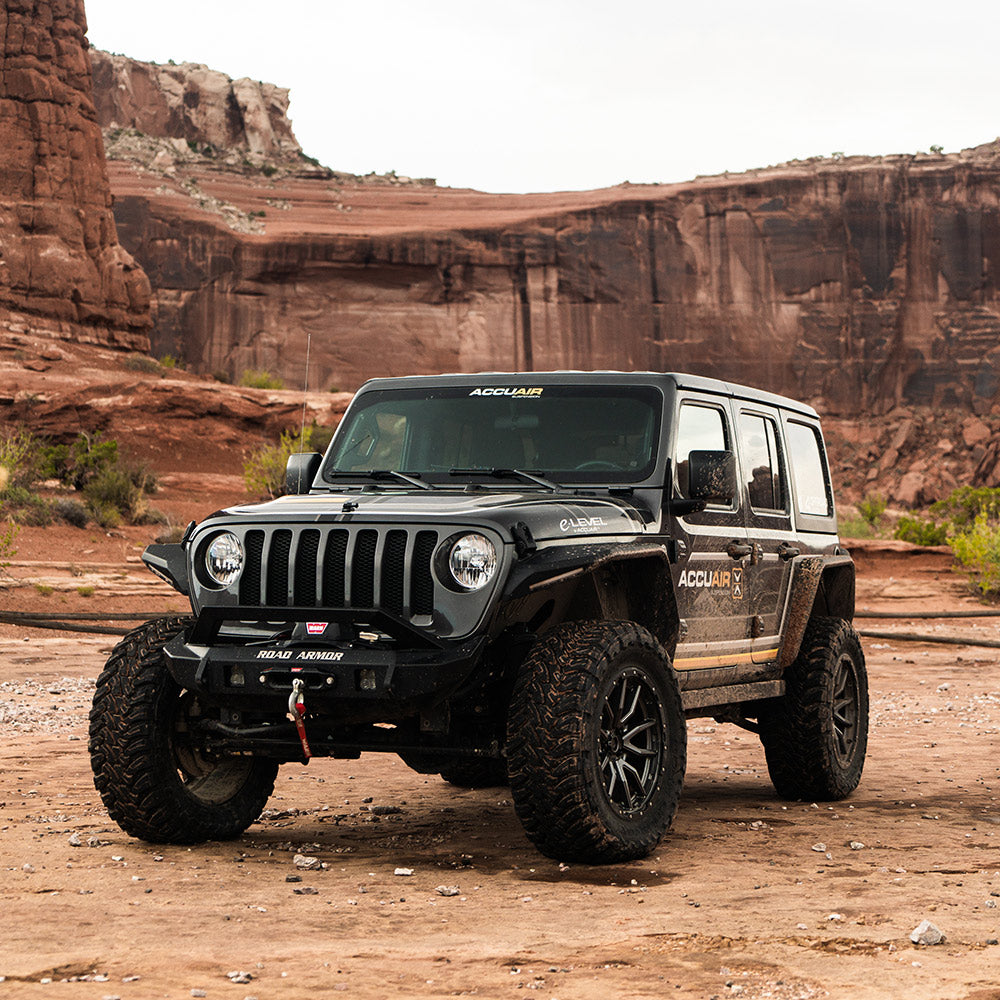
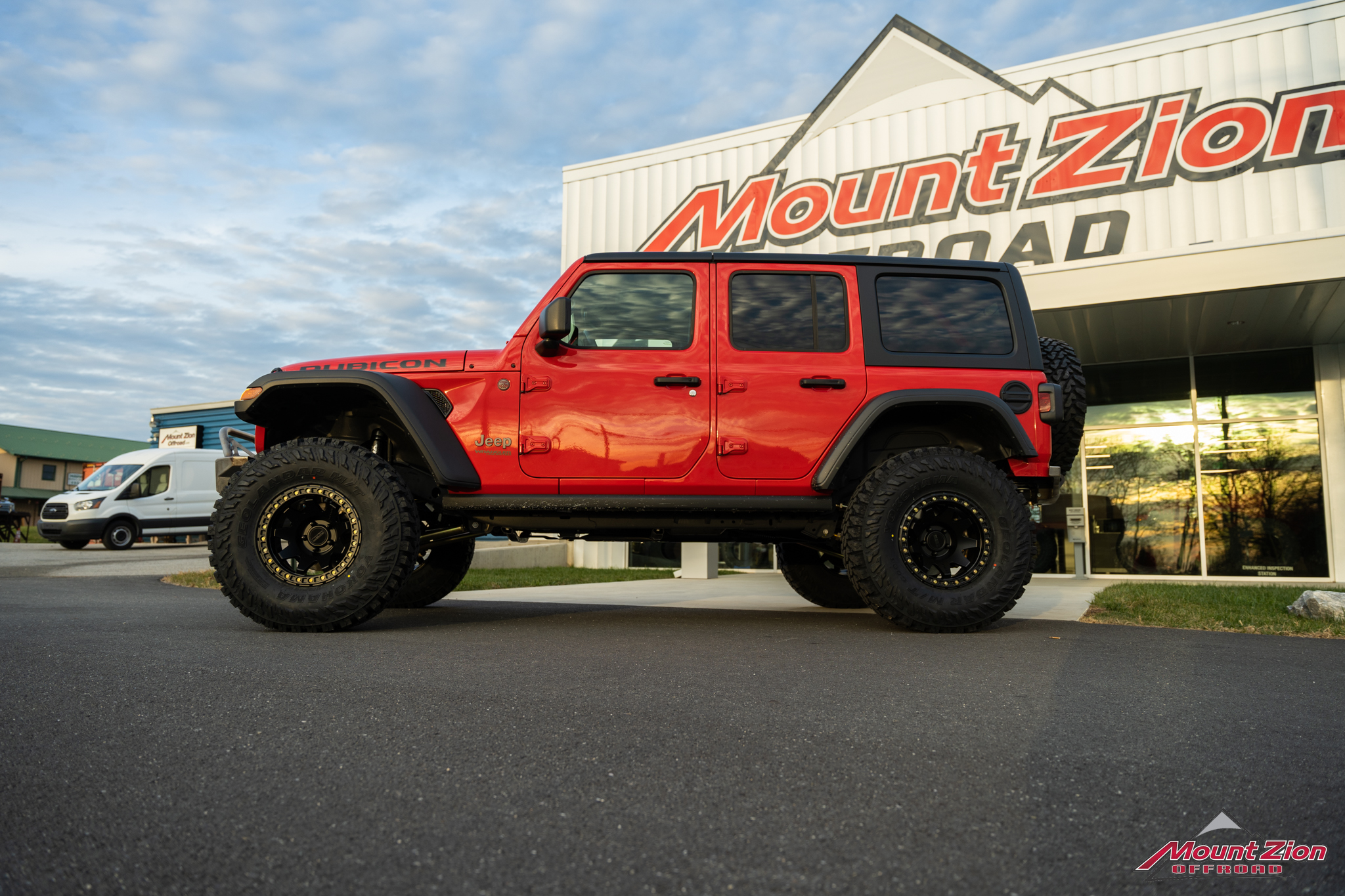
A Jeep Wrangler owner wanted to tackle rocky trails in Utah. They installed a 3-inch suspension lift, Fox 2.0 shocks, and heavy-duty control arms. After upgrading, they could use 35-inch tires and clear obstacles that were impossible before.
The owner noticed better articulation and a smoother ride. However, they needed longer brake lines and a professional alignment.
This example shows the importance of planning and matching parts.
Cost Estimates And Budget Tips
Upgrading your Jeep suspension can cost between $800 and $3,500, depending on parts and labor. Here’s a breakdown:
| Component | Average Cost (USD) | DIY or Professional |
|---|---|---|
| Lift Kit | $500-$1,500 | DIY possible |
| Shock Absorbers | $300-$800 | DIY possible |
| Control Arms | $300-$1,000 | Professional recommended |
| Alignment | $100-$200 | Professional only |
If you’re on a tight budget, start with shocks and springs. Upgrade control arms and sway bars later.
Sometimes, buying a complete suspension kit saves money compared to individual parts.
Practical Tips For Off-road Suspension
- Check suspension bolts regularly: Off-road vibrations can loosen them.
- Grease joints: This prevents squeaks and wear.
- Carry spare parts: Bring extra bolts and bushings on long trips.
- Monitor tire pressure: Lower pressure improves traction but stresses suspension.
A non-obvious tip: Suspension upgrades often change your Jeep’s ride height, affecting headlights. Adjust headlight angles to avoid blinding other drivers.
For more technical details about suspension systems, visit Wikipedia.
Frequently Asked Questions
What Is The Best Lift Height For Off-road Jeep Use?
A 2-3 inch lift is ideal for most off-road needs. It offers enough clearance for bigger tires and moderate trails without making your Jeep unstable.
Can I Upgrade Suspension Myself Or Need A Mechanic?
Some upgrades, like shocks and springs, can be done at home with basic tools. For control arms or alignment, a professional is safer.
Do I Need To Upgrade Other Parts After Lifting Suspension?
Yes, you may need longer brake lines, adjustable sway bars, and bigger tires. Always check compatibility before installing.
How Does Suspension Affect Daily Driving?
Upgraded suspension can make your Jeep stiffer or bouncier on city roads. Choose parts that balance off-road performance with comfort.
Is There A Legal Limit For Suspension Lifts?
Many US states limit lifts to 4 inches or less. Check local laws before making major changes to avoid fines or inspection issues.
Upgrading your Jeep’s suspension is a practical investment for off-road fun. With careful planning, quality parts, and proper installation, your Jeep will be ready for any adventure.