If you drive a Jeep Cherokee, you know that regular maintenance keeps your SUV running smoothly. One task you may face is working with the serpentine belt—a vital part that powers several accessories under your hood, like the alternator, air conditioning, and power steering. Whether you need to replace it or inspect the belt system, learning how to loosen the serpentine belt the right way can save time and avoid frustration. Below, you’ll find a practical, step-by-step guide that covers tools, safety, and common mistakes, so you can tackle this job with confidence.
Why Loosening The Serpentine Belt Matters
The serpentine belt connects multiple engine components. If it’s too tight or too loose, you could experience squealing sounds, poor charging, or even sudden belt failure. Loosening the belt is necessary before you can remove or replace it, and doing it incorrectly could damage expensive parts.
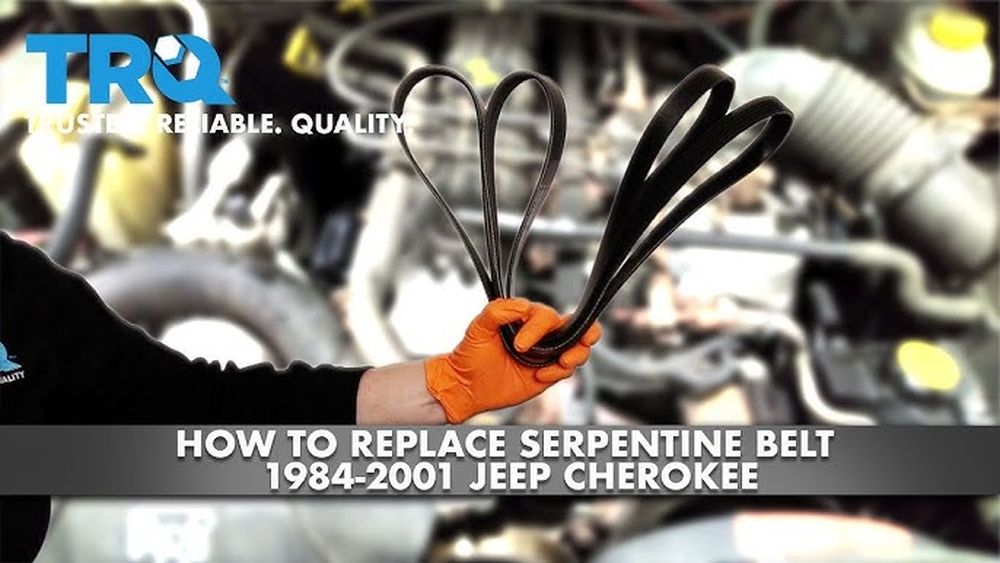
Many Jeep Cherokee models use a spring-loaded tensioner to keep the belt tight. Understanding how it works makes the process easier and safer.
Tools And Preparation
Before starting, gather the right tools. This step prevents last-minute surprises and helps you finish faster.
You’ll need:
- Socket wrench (3/8-inch drive is common)
- Socket set (usually 15mm or 16mm fits most tensioners)
- Breaker bar (optional, for extra leverage)
- Gloves (to protect your hands)
- Flashlight (for better visibility)
- Serpentine belt tool (helpful, but not required)
Make sure your Jeep’s engine is completely off and cool. Never work around the belt while the engine is running, as moving parts are dangerous.

Locating The Serpentine Belt And Tensioner
Open your hood and look for the serpentine belt routing diagram. This sticker is often found near the radiator or on the underside of the hood. If it’s missing, check your owner’s manual or take a quick photo of the belt’s path with your phone.
The tensioner looks like a small pulley attached to a bracket. It usually sits near the top or front of the engine. On most Jeep Cherokees from 1997 onward, the tensioner is spring-loaded for easy adjustment.
Here’s a quick comparison of common Jeep Cherokee engines and their belt tensioner locations:
| Engine Type | Tensioner Location | Common Socket Size |
|---|---|---|
| 4.0L Inline-6 | Front, passenger side | 15mm |
| 2.5L I4 | Top front, center | 15mm |
| 3.7L V6 | Front, slightly to the driver’s side | 15mm or 16mm |
Step-by-step Guide: Loosening The Serpentine Belt
Follow these steps for a safe and effective process:
- Disconnect the battery. This prevents accidental starts while working.
- Locate the tensioner pulley. Use your flashlight for a clear view.
- Insert the socket wrench (with the correct size socket) onto the tensioner’s bolt head.
- Turn the wrench or breaker bar counter-clockwise. This action compresses the spring and relieves tension from the belt.
- Hold the tensioner steady. With your other hand, slide the belt off one of the pulleys (often the alternator or idler pulley is easiest).
- Slowly release the tensioner. Let it return gently to its resting position.
Important tip: Don’t remove the wrench too quickly. The tensioner is under strong spring force and can snap back hard.
Here’s a table showing the difference between a manual tensioner and a spring-loaded one:
| Tensioner Type | Adjustment Method | Common in Jeep Cherokee? |
|---|---|---|
| Manual (bolt-adjusted) | Loosen mounting bolts, move tensioner | Rare (older models) |
| Spring-loaded | Rotate with wrench to relieve tension | Yes (most 1997+ models) |

Key Tips And Safety Advice
- Double-check the belt path. Always verify the belt routing before removal, as incorrect installation is a frequent mistake.
- Use the right tool length. A breaker bar provides more leverage and is safer for tight tensioners.
- Inspect the belt for cracks, glazing, or missing sections. Replace if you notice any damage.
- Avoid using sharp tools near the belt. Punctures or cuts can cause belt failure.
- Check pulleys for wobble or rough movement. Worn pulleys cause early belt wear.
Common Problems And How To Avoid Them
Beginners often struggle with two main issues:
- Losing track of belt routing. Take a photo or draw a simple diagram before removal.
- Letting the tensioner snap back. Always release it slowly to avoid injury or broken parts.
Another detail that’s easy to miss: some pulleys, like the idler pulley, are only guides, while others drive important accessories. Removing the belt from a guide pulley first makes the job smoother.
If your Jeep Cherokee has a manual tensioner, do not try to rotate it with force. Loosen the bolts first, then adjust the position.
When To Replace Vs. Loosen
If you hear squealing or see cracks, it’s time to replace the belt. But if you’re only removing it to check a component (like the alternator), you may just need to loosen and reinstall the same belt. Jeep Cherokees typically need a new serpentine belt every 60,000 to 100,000 miles, but check your manual for the exact interval.
For a visual guide and more Jeep-specific information, you might find the JeepForum community helpful.
Frequently Asked Questions
How Do I Know If My Serpentine Belt Tensioner Is Bad?
A failing tensioner often makes a chirping or squealing noise. You may also see the belt jumping or feel slack when pressing on it.
Can I Drive My Jeep Cherokee With A Loose Serpentine Belt?
No. A loose belt can slip off or fail suddenly, causing power steering loss, poor battery charging, or engine overheating.
What If My Jeep Has A Manual Tensioner Instead Of A Spring-loaded One?
For manual tensioners, loosen the mounting bolts first. Move the tensioner to relieve tension, then remove the belt. Never force it—this can break parts.
Do I Need Special Tools To Loosen The Belt?
Most of the time, a socket wrench with the right size socket is enough. A serpentine belt tool or breaker bar helps if space is tight.
How Tight Should The New Serpentine Belt Be?
The belt should have about 1/2 inch of play when pressed between pulleys. Too tight can wear bearings; too loose can slip.
Loosening the serpentine belt on your Jeep Cherokee is a straightforward task with the right tools and knowledge. Take your time, follow safety steps, and always check your work before starting the engine.
With practice, you’ll find this a quick and satisfying part of Jeep maintenance.