Turning on the fog lights in your Jeep Grand Cherokee is more than just a simple task—it’s an important safety feature that can help you drive better in poor visibility. Whether you’re facing thick fog, heavy rain, or snow, knowing how to use your fog lights correctly can make a real difference. Many Grand Cherokee owners are unsure about how to activate these lights, especially since the controls can change from one model year to another. This guide will show you how to turn on fog lights for different Grand Cherokee versions, explain why they matter, and share tips that most drivers miss.
Understanding Fog Lights In Jeep Grand Cherokee
Fog lights are located lower on the vehicle compared to regular headlights. Their purpose is to shine light close to the road, reducing glare and helping you see lane markings and obstacles.
They are not meant for everyday use; you should only use them when visibility is below 300 feet due to fog or bad weather.
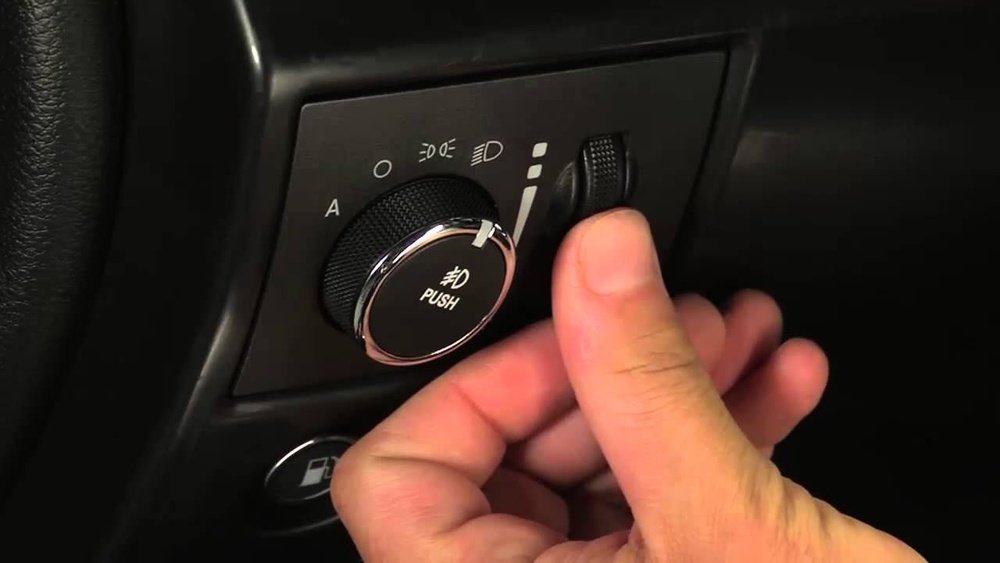
Most Jeep Grand Cherokees, especially models from 2011 onward, come with factory-installed fog lights. Older models may have them as an option. Knowing your model year is important because the switch location and activation method can be different.
Fog Light Placement By Model Year
Here’s a quick comparison of fog light locations and switch types across common Grand Cherokee models:
| Model Year | Fog Light Location | Control Type |
|---|---|---|
| 2011-2013 | Front bumper | Rotary switch |
| 2014-2020 | Front bumper | Push-button (on light stalk) |
| 2021-2024 | Front bumper | Touchscreen or stalk switch |
Steps To Turn On Fog Lights In Jeep Grand Cherokee
Activating fog lights is simple once you know where to look. Follow these steps based on your model year:
For 2011–2013 Models
- Insert the key and turn on the ignition.
- Find the rotary light switch on the dashboard, left of the steering wheel.
- Turn the switch to the “Auto” or “Headlights On” position.
- Pull the switch outward. You should see the fog light indicator on your dashboard.
For 2014–2020 Models
- Start your vehicle.
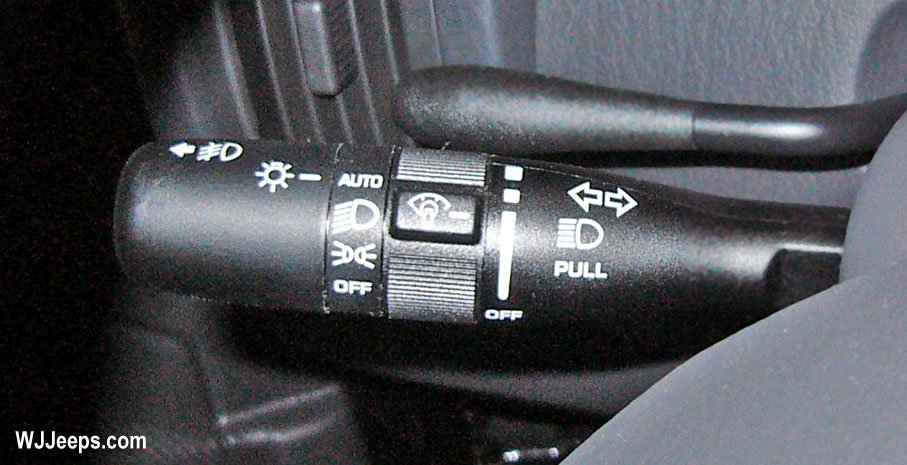
- Locate the light stalk (turn signal lever) on the left side of the steering wheel.
- With headlights on, press the fog light button on the stalk.
- The dashboard will show a green fog light symbol.
For 2021–2024 Models
- Start your Jeep.
- Activate the headlights (Auto or Manual).
- Use the touchscreen or stalk switch to turn on fog lights.
- Check for the indicator light on the dashboard.
Common Mistakes
Many drivers forget these important points:
- Fog lights will not work unless headlights are on (not just daytime running lights).
- If you turn on high beams, fog lights will automatically turn off.
- Some models require you to pull or push the switch instead of pressing it.
When Should You Use Fog Lights?
Fog lights are best used in low visibility conditions. For example:
- Thick fog
- Heavy rain
- Snowstorms
- Dust storms
Using fog lights when conditions are clear can blind other drivers and is illegal in many states. Always switch them off when not needed.
Fog Light Usage: Facts And Figures
| Condition | Recommended | Not Recommended |
|---|---|---|
| Fog (visibility < 300 ft) | Yes | No |
| Heavy rain | Yes | No |
| Clear night | No | Yes |
| Snow | Yes | No |
Troubleshooting Fog Lights
If your fog lights don’t turn on, try these steps:
- Check if headlights are activated.
- Make sure you’re not using high beams.
- Inspect the fog light fuse in the fuse box.
- Look for burned-out bulbs.
- If everything seems fine, consult your Jeep Grand Cherokee’s manual.
Fog Light Fuse Location
For most Grand Cherokees, the fuse box is under the hood. The fog light fuse is usually labeled “FOG”.
Replace it with a fuse of the same amperage if blown.
Practical Tips For Using Fog Lights
- Use fog lights only when needed. Turning them on in clear conditions can cause glare.
- Always check your fog lights before driving in bad weather.
- Keep the fog light lens clean—dirt and road grime can reduce their effectiveness.
- If you install aftermarket fog lights, follow the wiring instructions carefully to avoid electrical issues.
Non-obvious insight: Many owners don’t realize that fog lights can help even in early morning mist, not just in thick fog. Also, using fog lights with low beams can make lane lines easier to see.
Jeep Grand Cherokee Fog Light Specs
Most Grand Cherokee fog lights are LED or halogen. Here’s a comparison of typical bulb types:
| Bulb Type | Brightness (lumens) | Average Lifespan (hours) |
|---|---|---|
| Halogen | 1,000 | 500 |
| LED | 2,000 | 10,000 |
LED fog lights are brighter and last longer but can cost more to replace.
Why Fog Lights Matter
Fog lights are designed for safety. They reduce glare, help you spot obstacles, and make your Jeep Grand Cherokee more visible to other drivers. Proper use can prevent accidents in harsh weather. According to the National Highway Traffic Safety Administration, fog lights can reduce collision risk by up to 20% in poor visibility.
If you’re unsure about your fog light controls, you can check your vehicle’s manual or visit the official Jeep website for model-specific guidance.
Frequently Asked Questions
How Do I Know If My Jeep Grand Cherokee Has Fog Lights?
Check the front bumper for small, round lights below the main headlights. Also, look for a fog light symbol on your dashboard when you turn on the lights.
Why Won’t My Fog Lights Turn On?
Fog lights only work when the headlights are on and high beams are off. If they still don’t turn on, check the fuse and bulbs.
Can I Use Fog Lights All The Time?
No. Use fog lights only in bad weather or low visibility.
Using them in clear conditions can blind other drivers and is illegal in some places.
What Is The Symbol For Fog Lights On The Dashboard?
The fog light symbol is usually a lamp with three horizontal lines and a downward curve. It glows green when fog lights are on.
How Can I Upgrade My Fog Lights?
You can install LED bulbs or aftermarket fog light kits. Make sure they fit your Grand Cherokee and follow all wiring instructions for safety.
Turning on fog lights in your Jeep Grand Cherokee is easy once you know where to find the controls and how they work. Using them wisely keeps you and others safe.
Next time you’re driving in fog or heavy rain, remember these steps and tips to make your journey safer.



















