Turning on the fog lights in your 1999 Jeep Grand Cherokee is not as simple as flipping a switch. Many drivers either overlook these lights or struggle to find the right controls, especially if they haven’t used them before. Fog lights are important for driving in poor weather, such as fog, rain, or snow, because they help you see the road clearly. If you use them correctly, you can improve safety for yourself and others. This guide will help you understand how to turn on the fog lights step by step, explain why they matter, and highlight some common mistakes that Jeep owners make.
Understanding Fog Lights On The 1999 Jeep Grand Cherokee
The 1999 Jeep Grand Cherokee comes with factory-installed fog lights on most trims, especially the Limited and Laredo models. These lights are mounted low, just above the bumper, and are designed to cut through fog by shining light downward and outward. Unlike regular headlights, fog lights reduce glare and illuminate the road surface directly ahead.
Fog Light Controls
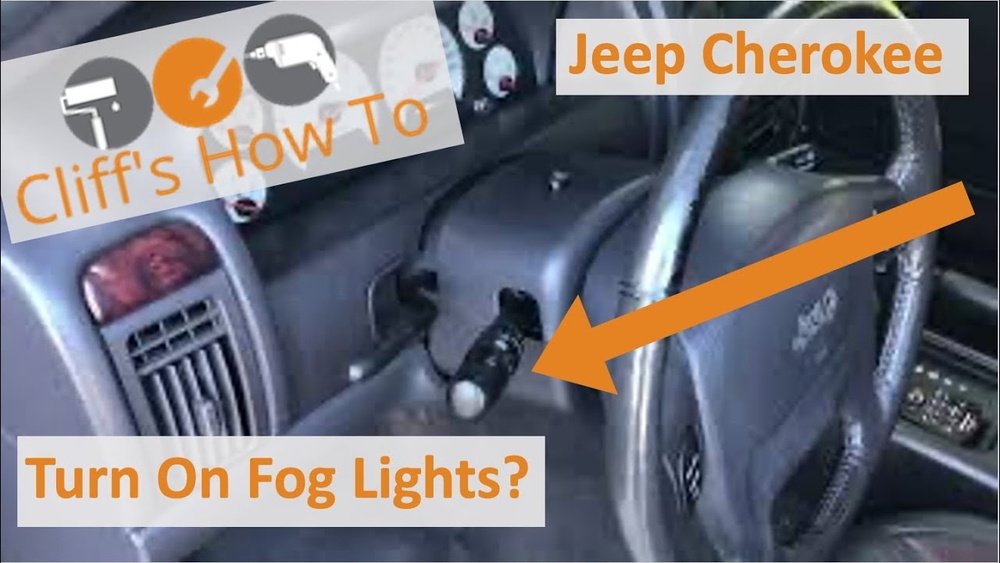
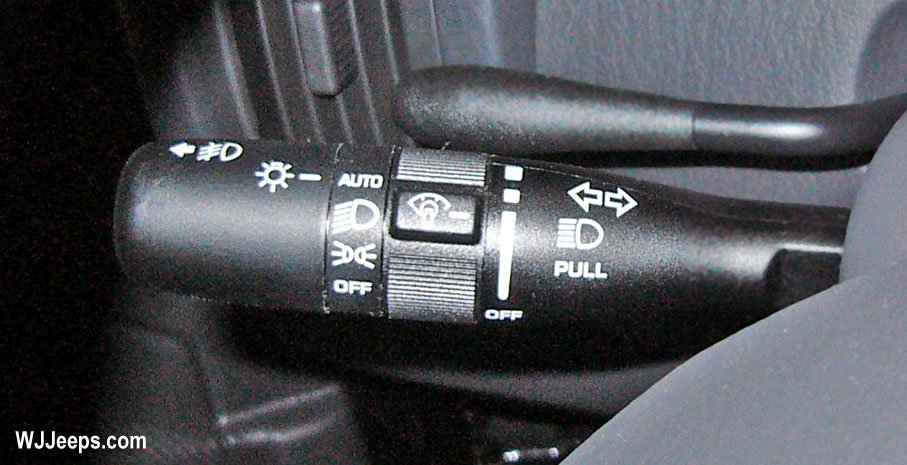
The fog light switch is often part of the headlight control knob. For this model, the knob is located on the dashboard, to the left of the steering wheel. You must pull the knob outwards after turning it to activate the fog lights.
Fog Light Indicator
Once activated, a small fog light symbol will appear on the dashboard. This tells you the fog lights are on. If the symbol does not light up, you may need to check for blown fuses or bulbs.
Step-by-step Guide To Turning On Fog Lights
- Start the vehicle: Fog lights only work when the ignition is on.
- Turn on the headlights: Rotate the headlight knob clockwise to the first or second position.
- Pull out the knob: Gently pull the knob towards you. This action activates the fog lights. You should feel a click and see the fog light symbol on your dashboard.
- Check the lights: Step outside to confirm the fog lights are shining. They should be brighter and lower than the main headlights.
Practical Tips
- Fog lights are only useful in poor visibility. Don’t use them in clear weather, as they can cause glare.
- If you have aftermarket fog lights, the activation process may be different. Check your installation manual.
Comparing Fog Lights To Headlights
To help you understand the difference, here’s a comparison:
| Feature | Headlights | Fog Lights |
|---|---|---|
| Light Direction | Straight ahead | Downward and outward |
| Use Case | Normal driving | Fog, rain, snow |
| Glare | More | Less |
| Activation | Turn knob | Pull knob after headlights |
Troubleshooting Fog Light Problems
Sometimes, the fog lights won’t turn on even after following the steps. Here’s what to check:
- Bulbs: If the bulbs are burned out, replace them with new ones. The 1999 Jeep Grand Cherokee uses standard H3 bulbs for fog lights.
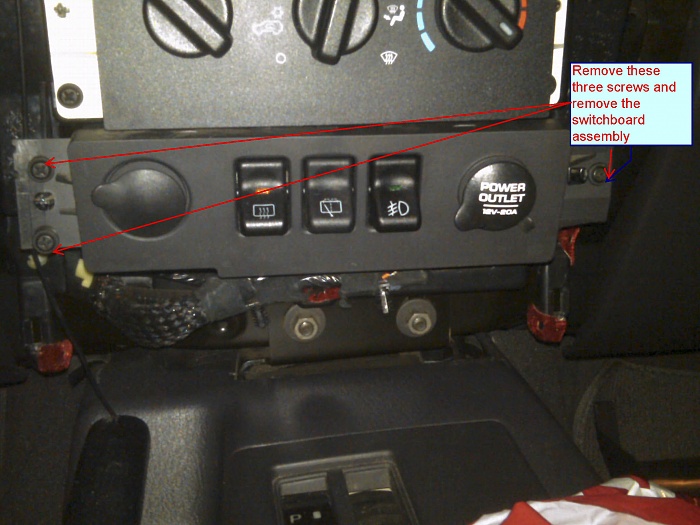
- Fuses: Check the fuse box under the hood. The fog light fuse should be labeled. Replace blown fuses with the same rating.
- Wiring: Look for loose or damaged wires. If you see corrosion or broken connections, repair them before trying again.
- Switch: If the control knob doesn’t click or feels loose, the switch itself may be faulty and need replacement.
Common Mistakes
- Forgetting to turn on the headlights first. Fog lights need the headlight circuit to be active.
- Trying to turn on fog lights when the ignition is off. They only work when the car is running.
- Using fog lights at night with clear visibility, which can annoy other drivers.
Weather Data: When Are Fog Lights Needed?
To know when to use fog lights, it helps to understand foggy weather patterns. According to the National Weather Service, fog is most common in the US during fall and winter, especially in the early morning. Here’s a quick summary:
| Month | Fog Frequency (%) | Recommended Fog Light Use |
|---|---|---|
| October | 40% | High |
| December | 55% | Very High |
| April | 20% | Low |
Fog Light Maintenance Tips
Keeping your fog lights in good shape is simple but important.
- Clean the lens regularly. Mud or dirt can reduce brightness.
- Check bulbs every 6 months, especially before winter.
- Inspect wiring for signs of wear or corrosion.
- Replace broken lenses quickly, as water can damage the electrical parts.
How Fog Lights Improve Safety
Studies show that proper use of fog lights can reduce accidents by up to 30% during foggy conditions. They help you see lane markings, signs, and obstacles that standard headlights may miss. However, using them incorrectly can cause glare and confuse other drivers.
Comparison Table: Oem Vs Aftermarket Fog Lights
Here’s how original equipment (OEM) fog lights compare to aftermarket options:
| Type | Brightness (Lumens) | Durability | Cost |
|---|---|---|---|
| OEM | 800 | High | $50-80 |
| Aftermarket | 1200 | Medium | $30-120 |
OEM fog lights are designed for the Jeep, so they fit perfectly and last longer. Aftermarket lights can be brighter, but may need extra wiring or brackets.
Frequently Asked Questions
How Can I Tell If My Fog Lights Are Working?
Check for the fog light symbol on your dashboard after pulling out the headlight knob. Step outside and look for two low, wide beams.
What Bulb Type Do I Need For The 1999 Jeep Grand Cherokee Fog Lights?
The H3 bulb is standard. Always buy the correct size and wattage for your vehicle.
Can I Use Fog Lights Instead Of Headlights?
No. Fog lights are not a replacement for headlights. Use them only in poor visibility with headlights turned on.
Why Won’t My Fog Lights Turn On?
Common causes are burned-out bulbs, blown fuses, or a faulty switch. Check each component step-by-step.
Where Can I Find More Details On Jeep Lighting Systems?
Visit the official Jeep website or check Jeep’s official page for manuals and specifications.
Turning on fog lights in your 1999 Jeep Grand Cherokee is simple once you know the process. It’s a key safety feature that can make a big difference in bad weather.
With proper use and maintenance, your fog lights will help keep you and others safe on the road.


















