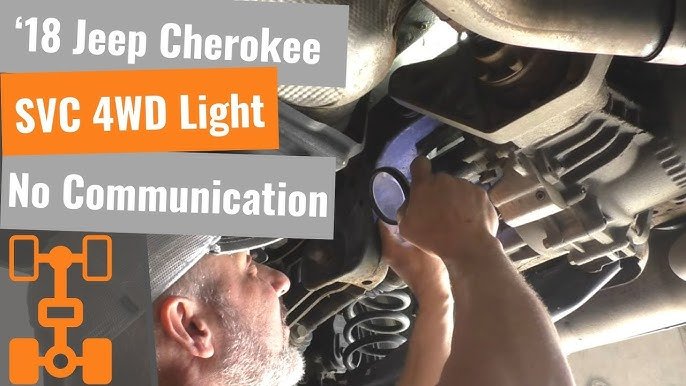
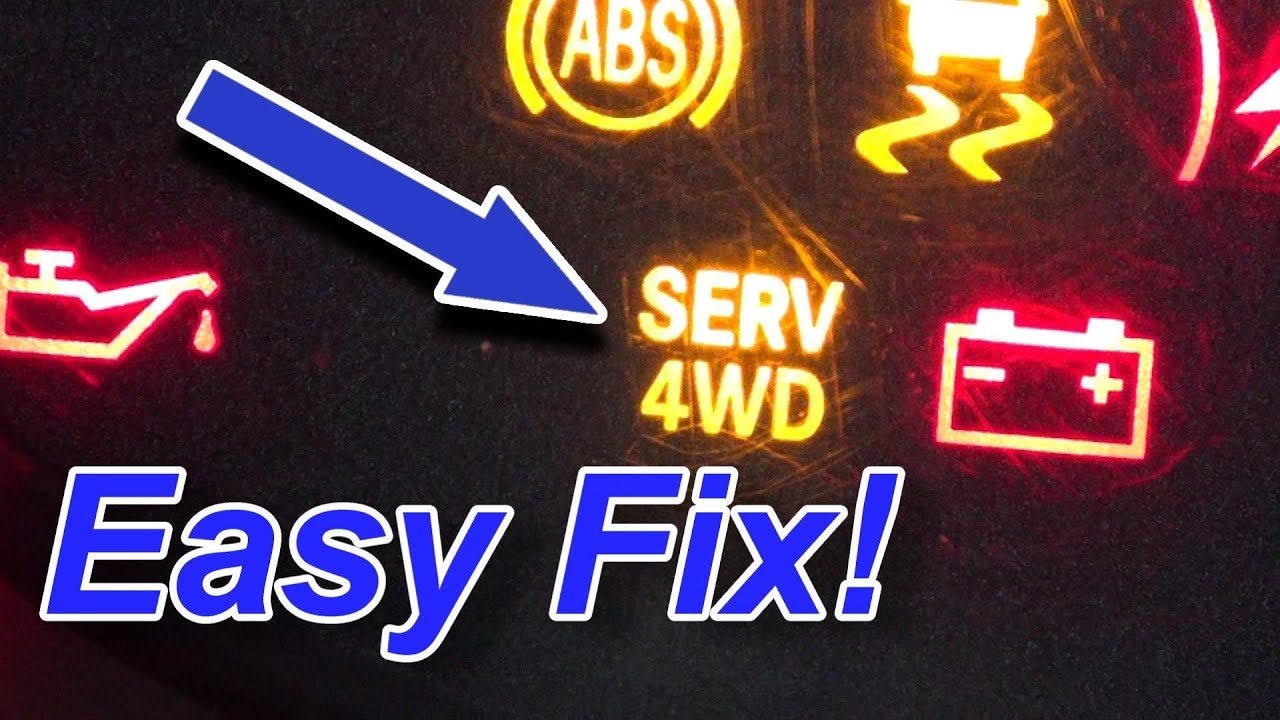
If you’ve ever seen the “Service 4WD” light pop up on your Jeep’s dashboard, you know how frustrating it can be. That little warning can make you worry about expensive repairs or getting stuck when you least expect it.
But what if you could turn off that light quickly and safely, without guessing or wasting time? In this guide, you’ll discover simple, clear steps to reset the Service 4WD light on your Jeep.
Whether it’s a minor glitch or a sensor issue, you’ll learn what to check and how to fix it so you can get back on the road with confidence.
Keep reading your Jeep and your peace of mind depend on it.
Service 4wd Light Basics
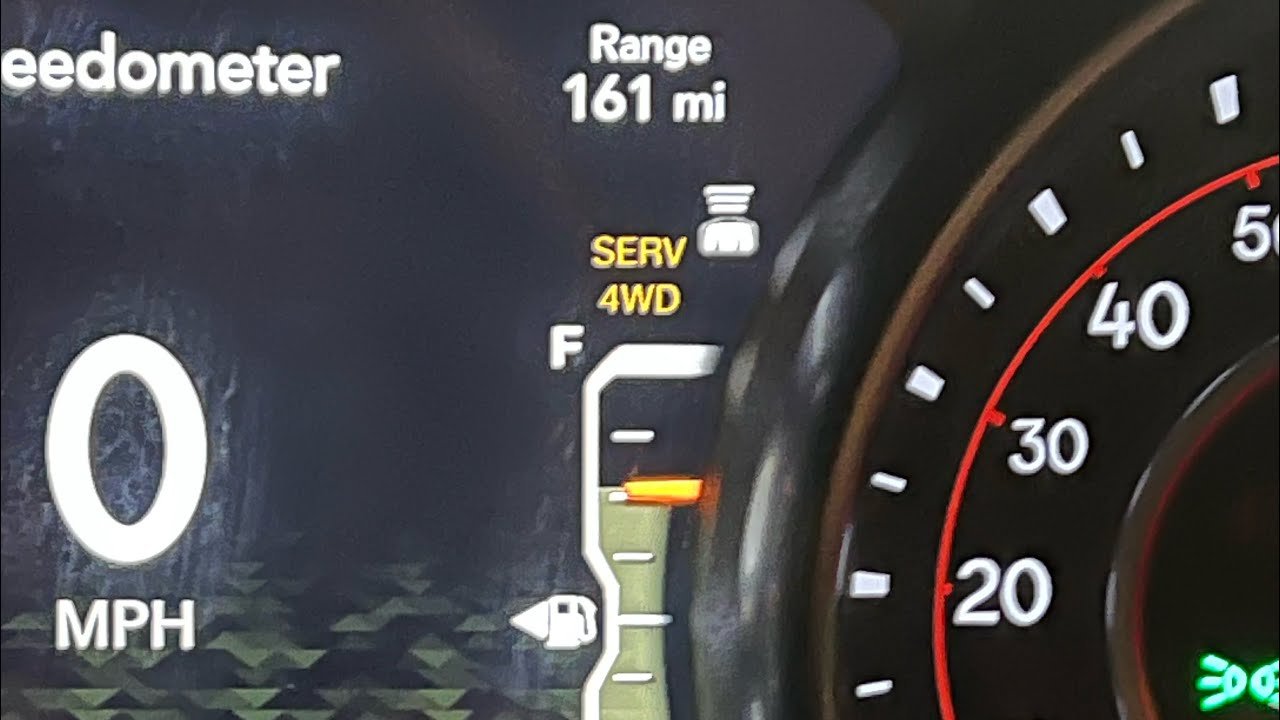
The Service 4WD light on your Jeep signals an issue in the four-wheel drive system. It is important to understand what causes this light to come on. This helps you decide the next steps.
Sometimes, the light may appear due to a simple glitch. Other times, it points to a real problem needing repair.
Knowing the basics helps you avoid unnecessary worry and expenses.
What Triggers The Light
The light often turns on from a sensor error or a system fault. One common cause is mismatched tires.
Tires that differ in size or pressure confuse the wheel speed sensors.
Damaged wiring can also trigger the light. Check wires near the axles, transfer case, and sensors for damage or loose connections.
Faulty parts like the Transfer Case Actuator or Front Axle Disconnect motor can cause the issue too.
Sometimes, the light goes on because of a temporary computer glitch. Restarting your Jeep or disconnecting the battery briefly may turn the light off.
Common Jeep Models Affected
The Service 4WD light is common in Jeep Wrangler models, including the JL series. The Jeep Gladiator also often shows this warning. These models share similar drivetrain systems prone to sensor and actuator faults.
Older Jeep models with aging wiring and parts can face this issue more frequently. Regular maintenance helps reduce the chances of the light coming on.
Quick Reset Methods
Quick reset methods offer fast ways to turn off the Service 4WD light on your Jeep. These resets can clear minor glitches or sensor errors.
Try these simple steps before seeking professional help. Each method targets the vehicle’s electrical or computer system to refresh its status.
Follow the instructions carefully for the best results.
Key Cycle Restart
Turn your Jeep’s key to the ON position without starting the engine. Leave it there for about 10 seconds.
Then, turn the key back to the OFF position. Repeat this cycle three times in a row.
After the third cycle, start the Jeep normally. This process may reset the system and turn off the 4WD light.
Battery Disconnect Reset
Open the Jeep’s hood and locate the battery. Use a wrench to disconnect the negative battery terminal.
Wait for 10 to 15 minutes to let the system fully power down. Reconnect the negative terminal securely.
Start the Jeep and check if the Service 4WD light has turned off. This reset clears stored error codes in the computer.
Onboard Computer Reboot
Turn the ignition to the ON position without starting the engine. Press and hold the gas pedal fully down for about 30 seconds.
Release the pedal and turn the ignition OFF. Wait a few seconds, then start the Jeep normally.
This method forces the onboard computer to reboot and may clear the warning light.
Check Tire And Sensor Issues
Before trying complex fixes, check your Jeep’s tires and sensors. Many 4WD light issues link to simple tire or sensor problems.
A quick inspection here can save time and money.
Start by confirming your tires and sensors match Jeep’s requirements. This step often clears the 4WD warning light.
Tire Size And Pressure Match
Use the same tire size on all wheels. Different sizes confuse the 4WD system.
Check tire pressure regularly. Uneven pressure affects sensor readings and triggers the light.
Adjust pressures to Jeep’s recommended PSI. Avoid mixing tires with different tread patterns.
Wheel Speed Sensor Inspection
Locate each wheel speed sensor near the wheels. Clean dirt and debris off sensor surfaces.
Dirt can block signals and cause false warnings. Look for cracks or damage on sensors.
Test sensors with a multimeter if possible. Replace faulty sensors to restore proper function.
Damaged Wiring And Connections
Check wiring harnesses connected to axles and sensors. Look for worn, frayed, or corroded wires.
Ensure connectors fit tightly without corrosion. Loose or damaged wires cause signal loss and 4WD light activation.
Repair or replace damaged wiring parts. Secure all connections to prevent future issues.
Transfer Case And Actuator Problems
The Service 4WD light on your Jeep may signal issues with the transfer case and actuators. These parts control how power is sent to your wheels.
When they fail, the light comes on to warn you of trouble.
Problems with the transfer case or actuator often cause the 4WD system to malfunction. Fixing these parts can turn off the warning light and restore proper function.
Understanding common faults helps you identify the cause faster.
Faulty Transfer Case Actuator
The transfer case actuator moves the transfer case to switch between two-wheel and four-wheel drive. If it fails, the system cannot shift properly.
This failure often triggers the 4WD warning light on your dashboard.
A faulty actuator may cause grinding noises or prevent engagement of 4WD modes. Inspect the actuator for broken gears or electrical faults.
Replacing a bad actuator usually clears the service light and restores function.
Front Axle Disconnect Motor Issues
The front axle disconnect motor connects or disconnects the front wheels from the drivetrain. When this motor fails, the front wheels may not engage in 4WD.
The system detects this problem and turns on the 4WD warning light.
Symptoms include clicking sounds or inability to switch between 2WD and 4WD. Check the motor’s wiring and connectors for damage or corrosion.
Repair or replace the motor to fix the issue and turn off the light.
Low Range Fork Motor Failures
The low range fork motor shifts the transfer case into low range for off-road driving. A failed fork motor can prevent the transfer case from shifting correctly.
This causes the Service 4WD light to activate.
Signs include stuck gears or failure to engage low range. Inspect the motor and related gears for wear or damage.
Fixing or replacing the motor can clear the error and restore low range function.
Diagnostic Steps And Tools
Diagnosing the Service 4WD light on your Jeep requires a clear, step-by-step approach. Using the right tools helps identify the exact cause.
This process avoids unnecessary repairs and saves time.
Start with simple scans and checks. Then move to deeper diagnostics if needed.
Below are key methods to pinpoint the issue accurately.
Using Obd-ii Scanners
OBD-II scanners connect to your Jeep’s diagnostic port. They read error codes stored in the vehicle’s computer.
These codes reveal issues triggering the 4WD light.
Basic scanners show general codes. Advanced models provide detailed drivetrain data. Using an OBD-II scanner is quick and user-friendly. It helps you understand if the problem is minor or serious.
Reading Drivetrain Control Module Codes
The Drivetrain Control Module (DCM) controls your Jeep’s four-wheel drive system. Reading its codes gives specific information about drivetrain faults.
Some scanners can access the DCM directly. The codes may indicate sensor failures, motor issues, or wiring problems.
Knowing the exact fault helps target repairs and clear the 4WD light properly.
When To Visit A Jeep Service Center
If the 4WD light stays on after you clear the codes, seek professional help. Complex issues may require special tools and expertise.
Certified mechanics perform thorough diagnostics. They fix problems safely and ensure your Jeep’s 4WD system works correctly.
Visiting a service center avoids guesswork and protects your vehicle’s performance.

Preventive Maintenance Tips
Preventive maintenance plays a key role in keeping your Jeep’s 4WD system running smoothly. It helps avoid the annoying service 4WD light from turning on.
Small checks and care can prevent costly repairs and keep your vehicle safe on the road.
Regular Wiring Inspections
Check the wiring harnesses connected to the axles and transfer case often. Look for signs of corrosion, frayed wires, or loose connections.
Damaged wiring can cause false signals, triggering the 4WD light. Use a flashlight to see hard-to-reach areas clearly.
Fix any issues immediately to ensure proper communication between sensors and the drivetrain.
Maintaining Wheel Speed Sensors
Wheel speed sensors help the 4WD system know how fast each wheel turns. Dirt, mud, or damage can affect their function.
Clean the sensors gently with a soft brush during routine maintenance. Inspect the sensor mounts and wiring for tightness.
Replace any worn or broken sensors quickly to avoid false 4WD warnings.
Ensuring Proper Tire Care
All tires must match in size and have equal pressure. Different tire sizes confuse the wheel speed sensors and cause the 4WD light to appear.
Check tire pressure monthly and before long trips. Rotate tires regularly to promote even wear.
Replace tires in sets to maintain balance and sensor accuracy.
Conclusion
Turning off the Service 4WD light on your Jeep takes patience. Start by checking tires, sensors, and wiring for issues.
A simple battery reset can sometimes clear the light. Persistent problems may need a professional diagnostic scan.
Fixing the root cause prevents the light from returning.
Always follow safety steps during any repairs. This keeps your Jeep running smoothly and your drive worry-free.


















