The 2000 Jeep Grand Cherokee with the 4.7L V8 engine marked a new era for this popular SUV. For many drivers, this engine was a big step forward in power and technology compared to past models. If you’re thinking about buying one, or just want to understand its strengths and weaknesses, this article will give you a clear, practical overview. Let’s look at why the 4.7L V8 became a key part of Jeep’s history and what it really means for owners today.
Engine Overview
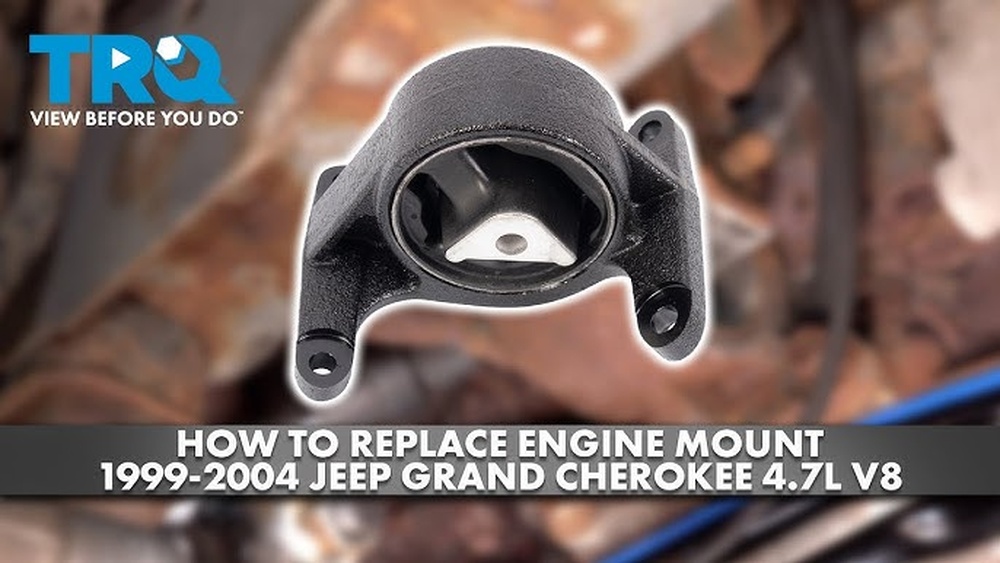
The 4.7L V8 engine was introduced in 1999 but became standard in many 2000 Grand Cherokee trims. Known as the PowerTech V8, it replaced the older 5.2L V8 and brought in modern engineering for better performance and efficiency.
- Displacement: 4.7 liters (287 cubic inches)
- Configuration: V8, SOHC (single overhead cam)
- Horsepower: 235 hp at 4,800 rpm
- Torque: 295 lb-ft at 3,200 rpm
- Compression Ratio: 9.3:1
- Fuel System: Sequential multi-port fuel injection
This engine was paired with a 5-speed automatic transmission, which offered smoother shifts and better acceleration than the older 4-speed units.
Performance And Driving Experience
The 4.7L V8 gave the Grand Cherokee a lively, responsive feel. Acceleration from 0-60 mph took about 7.6 seconds—quick for a midsize SUV in 2000. Towing capacity was also impressive, rated at up to 6,500 pounds when properly equipped. This made it a solid choice for camping, boats, or small trailers.
Fuel economy, however, was typical for a V8 SUV of that era:
- City: About 13 mpg
- Highway: Around 18 mpg
While these numbers may seem low today, they were competitive for the class in 2000. The engine’s smoothness and strong mid-range torque were highlights, making city and highway driving easy and comfortable.

Reliability And Common Issues
The PowerTech 4.7L V8 is generally reliable if maintained correctly. However, there are a few issues owners should know:
- Cooling system leaks: The plastic radiator tanks and water pumps can develop leaks. Regular coolant checks help prevent overheating.
- Valve cover gasket leaks: Oil seepage is common after high miles, but it’s usually easy to fix.
- Timing chain tensioner noise: Some engines develop a rattle when the tensioner wears. It’s not an urgent problem but fixing it early prevents damage.
- Oil sludge: Using the correct oil and changing it regularly is critical. Sludge buildup can block oil passages and damage the engine.
One non-obvious tip: This engine is sensitive to overheating. If the temperature gauge rises above normal, stop and diagnose right away—ignoring it can lead to expensive repairs.
Maintenance Tips
Keeping the 4.7L V8 running well is straightforward if you follow these practices:
- Oil changes: Use high-quality 5W-30 or 10W-30 oil. Change every 3,000–5,000 miles.
- Cooling system flush: Replace coolant every 2 years or 30,000 miles to avoid corrosion.
- Spark plugs: Change every 30,000–50,000 miles.
- Transmission fluid: Check and replace as needed, especially if towing.
A good habit is to check for leaks under the vehicle every few weeks. Catching leaks early prevents bigger problems later.
Comparison To Other Engines
How does the 4.7L V8 compare to other Jeep Grand Cherokee engines from the same period? This side-by-side look helps clarify:
| Engine | Horsepower | Towing Capacity (lbs) | Fuel Economy (mpg) |
|---|---|---|---|
| 4.0L I6 | 195 | 5,000 | 15/20 |
| 4.7L V8 | 235 | 6,500 | 13/18 |
Compared to the inline-6, the V8 brings more power and towing ability but at the cost of fuel economy.
Real-world Ownership Costs
When budgeting for a 2000 Grand Cherokee 4.7L V8, consider these ongoing costs:
- Fuel: With average driving, expect to spend more on gas than with a smaller engine.
- Repairs: Parts are affordable and widely available. Most repairs are simple for a skilled DIYer.
- Insurance: Rates are average for an SUV of this age and power.
An insight many miss: Because the 4.7L V8 was used in other Dodge and Jeep models, finding used or remanufactured parts is easier and less expensive than you might think.

Popular Upgrades
Some owners like to improve performance or reliability. The most common upgrades include:
- High-flow air intake kits for better throttle response.
- Upgraded radiators to prevent overheating, especially in hot climates.
- Performance exhaust systems for a deeper sound and slight power boost.
- Heavy-duty transmission coolers if you tow regularly.
Most upgrades are plug-and-play, but always use quality parts from trusted brands.
Key Specs At A Glance
To recap, here are the most important numbers for the 2000 Jeep Grand Cherokee 4.7L V8:
| Spec | Value |
|---|---|
| Engine Type | 4.7L SOHC V8 |
| Max Horsepower | 235 hp |
| Max Torque | 295 lb-ft |
| Towing Capacity | 6,500 lbs |
| Fuel Economy (city/highway) | 13/18 mpg |

Longevity And Resale Value
With proper maintenance, the 4.7L V8 can easily last past 200,000 miles. Regular oil changes, cooling system care, and attention to small leaks make a big difference. Resale value is moderate, since these Jeeps are now over 20 years old, but clean, well-kept examples still attract buyers who appreciate their blend of power and comfort.
Frequently Asked Questions
Is The 2000 Jeep Grand Cherokee 4.7l V8 A Reliable Engine?
Yes, with good maintenance, the 4.7L V8 is reliable. Common problems are preventable with regular service.
What Type Of Fuel Does The 4.7l V8 Require?
It runs best on unleaded regular gasoline with an octane rating of 87 or higher.
How Often Should The Timing Chain Be Replaced?
The timing chain is designed to last the life of the engine, but tensioners can wear. Inspect them around 150,000 miles.
What Is The Oil Capacity For This Engine?
The oil capacity is about 6 quarts, including the filter. Always check your manual for exact details.
Where Can I Find More Detailed Specs?
For more technical details, visit the official Wikipedia page on Jeep Grand Cherokee.
The 2000 Jeep Grand Cherokee 4.7L V8 offers a strong mix of power, capability, and comfort. While it needs regular care to stay reliable, many owners find it’s worth the effort for the driving experience and versatility it provides.