If you drive a Jeep and suddenly see the check engine light pop up on your dashboard, your first thought might be, “What’s wrong with my vehicle?” One common culprit that many Jeep owners overlook is the gas cap. Yes, that simple part you twist on and off every time you fill up could actually trigger the check engine light.
But how does a gas cap cause this warning, and what should you do if it happens to you? Keep reading to find out why your gas cap matters more than you think and how it could be the key to turning off that annoying check engine light.
Gas Cap And Check Engine Light Connection
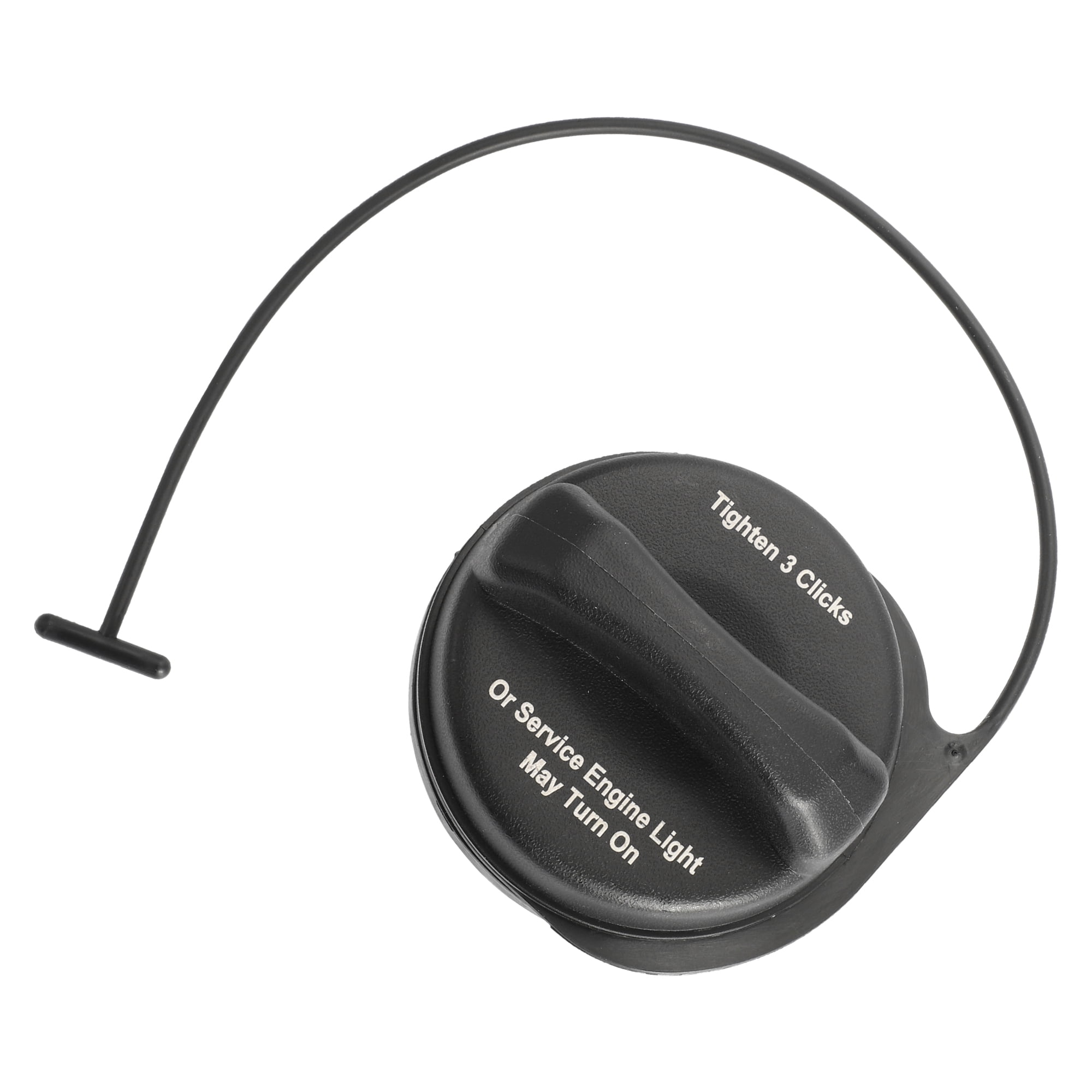
The gas cap plays a surprising role in your Jeep’s check engine light. It might seem like a small part, but it can affect your vehicle’s performance and emissions. Understanding this connection helps you spot problems early and avoid costly repairs.
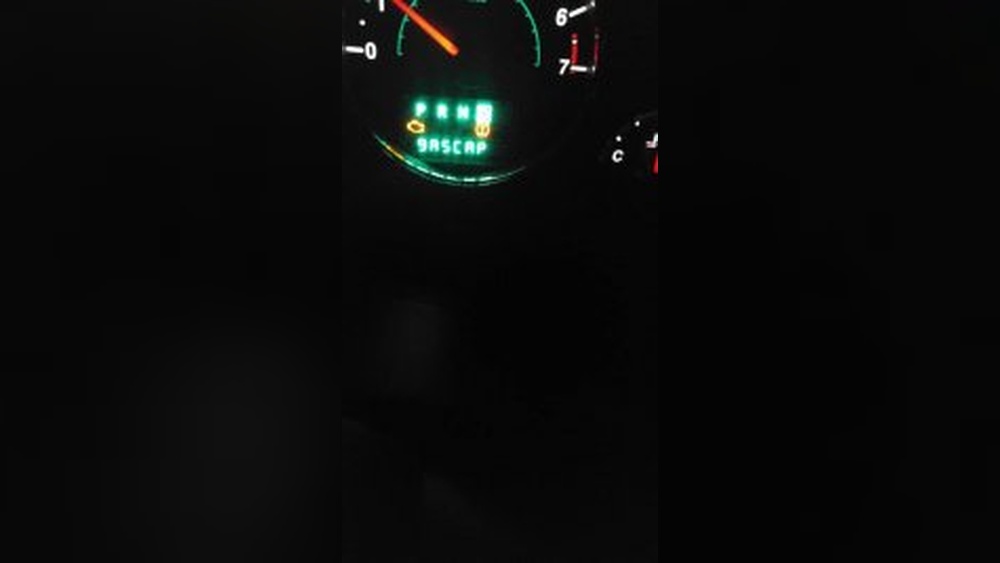
The check engine light often signals issues with the evaporative emission system. The gas cap seals this system, preventing fuel vapors from escaping. A faulty or loose gas cap can trigger the light, indicating a possible leak or pressure problem.
How A Gas Cap Affects The Engine Light
The gas cap seals the fuel tank tightly. This prevents fuel vapors from escaping into the air. If the cap is loose, cracked, or damaged, vapors can leak out.
Leaking vapors cause the engine’s computer to detect a problem. It then turns on the check engine light as a warning. Tightening or replacing the gas cap often solves this issue.
Role Of The Evaporative Emission System
The evaporative emission system controls fuel vapors inside the vehicle. It sends vapors back to the engine to burn them safely. The gas cap seals this system to keep it airtight.
If the seal breaks, the system senses a leak. This triggers the check engine light. Maintaining a good gas cap helps keep the evaporative system working well.
Common Gas Cap Issues Triggering The Light
Loose gas caps are a frequent cause of check engine lights. Drivers often forget to tighten the cap after refueling. Cracks or worn-out seals also cause vapor leaks.
Dirt or debris on the cap’s seal can prevent a tight fit. This lets vapors escape and triggers the light. Cleaning or replacing the gas cap usually fixes these problems quickly.
Signs Of A Faulty Gas Cap
A faulty gas cap can cause problems beyond just a loose fit. It can trigger the check engine light in your Jeep. Recognizing the signs early helps avoid bigger issues. These signs affect your vehicle’s fuel system and emissions.
Watch for symptoms like fuel smell near the cap or a gas cap that won’t stay tight. These clues often point to damage or dirt buildup. Understanding these signs helps keep your Jeep running smoothly.
Loose Or Ill-fitting Gas Caps
A gas cap that does not fit tightly can cause fuel vapors to escape. This leak can trigger the check engine light. It also affects the pressure in the fuel tank, causing errors in the emissions system. Always make sure the gas cap clicks when tightened. A loose cap is a common cause of warning lights.
Damaged Gaskets And Seals
The gasket inside the gas cap seals the fuel tank from air and dirt. If the gasket is cracked or worn, it allows vapors to leak out. This can confuse the vehicle’s sensors. A damaged seal often causes the check engine light to turn on. Replace the gas cap if the gasket looks damaged or brittle.
Effects Of Dirt And Grime On The Cap
Dirt or grime on the gas cap can stop it from sealing properly. This buildup may create gaps for fuel vapors to escape. It can also allow contaminants into the fuel tank. Dirty gas caps can cause the check engine light to appear. Clean the gas cap regularly to prevent this issue.
Diagnosing Gas Cap Problems In Jeeps
Diagnosing gas cap problems in Jeeps can save time and money. A faulty gas cap often triggers the check engine light. Understanding how to identify these issues helps keep your Jeep running smoothly. This section explains simple ways to check the gas cap and related systems.
Using Obd-ii Scanners For Codes
OBD-II scanners read error codes from your Jeep’s computer. These codes reveal if the gas cap causes the check engine light. Plug the scanner into the Jeep’s port under the dashboard. Look for codes related to the evaporative emission system, often linked to the gas cap. Clear the codes after fixing the issue to reset the light.
Physical Inspection Tips
Check the gas cap for cracks or damage. Ensure the cap seals tightly on the fuel tank. A loose or broken cap lets fuel vapors escape, causing errors. Clean the cap’s rubber gasket to improve sealing. Replace the gas cap if it shows wear or no longer fits snugly.
Gas Cap Testing Procedures
Test the gas cap by tightening it until you hear clicks. Most Jeep caps click three to five times when secure. Start the engine and watch if the check engine light turns off after a few miles. If the light stays on, try a new cap to confirm the issue. Proper testing confirms whether the gas cap triggers the warning light.

Fixing gas cap-related engine light issues is often a simple process. The gas cap plays a key role in sealing the fuel system. A loose or damaged cap can trigger the check engine light. This happens because fuel vapors escape, causing the vehicle’s emission system to detect a problem.
Steps to fix this issue include checking the gas cap, cleaning it, or replacing it if needed. After addressing the problem, the check engine light can be reset to turn off. These actions help keep your Jeep running smoothly and prevent unnecessary worry about engine trouble.
Tightening And Cleaning The Gas Cap
Start by removing the gas cap and inspecting it closely. Dirt or grime on the seal can stop it from closing tightly. Clean the cap and the opening with a soft cloth. Screw the cap back on firmly until it clicks. This click means the cap is sealed correctly. Often, just tightening and cleaning the gas cap will turn off the check engine light.
When To Replace The Gas Cap
Replace the gas cap if it is cracked, worn, or the seal looks damaged. A broken seal cannot hold pressure in the fuel system. This causes fuel vapors to leak and triggers the check engine light. New gas caps are inexpensive and easy to find. Using a quality replacement helps prevent future issues.
Resetting The Check Engine Light
After fixing the gas cap issue, the check engine light may stay on for a while. Drive your Jeep for several trips to let the system check itself. The light should turn off if the problem is gone. You can also reset the light using an OBD-II scanner. This tool clears the error codes and switches off the light immediately.
Other Causes Of Check Engine Light In Jeeps
Keeping your Jeep’s gas cap in good shape helps avoid many issues. A faulty gas cap can cause the check engine light to turn on. This happens because the gas cap controls fuel vapors and pressure inside the tank. Preventing gas cap problems saves time and money. It also keeps your Jeep running smoothly. Below are simple ways to prevent gas cap issues.
Regular Maintenance Tips
Check the gas cap often for cracks or damage. Clean the cap’s seal with a soft cloth. Dirt or grime can stop the cap from sealing properly. Tighten the gas cap until it clicks. This ensures a secure fit and stops vapor leaks. Replace the cap if it feels loose or worn out. Regular checks keep the fuel system sealed and healthy.
Choosing The Right Replacement Cap
Use a gas cap made for your Jeep’s model and year. Generic caps may not fit well or seal correctly. Look for OEM (Original Equipment Manufacturer) parts if possible. These caps meet Jeep’s design standards. Avoid cheap caps that can fail quickly. The right cap prevents check engine lights and fuel loss.
Avoiding Common Mistakes
Do not over-tighten the gas cap. Excessive force can damage the seal. Avoid using oily or greasy cloths to clean the cap. This can harm the seal’s material. Never ignore the check engine light. It can warn you about gas cap or other problems. Fixing small issues early prevents bigger repairs later.
Frequently Asked Questions
Will The Check Engine Light Come On If The Gas Cap Is Bad?
Yes, a bad or loose gas cap can trigger the check engine light by causing an EVAP system leak.
How To Clear The Check Engine Light On A Jeep?
Tighten or replace the gas cap first, then drive for a few trips. Use an OBD-II scanner to clear the code if needed.
What Is The Most Common Cause Of A Check Engine Light?
The most common cause of a check engine light is a loose or faulty gas cap. It triggers the emissions system error.
How Long Until The Check Engine Light Resets After A Loose Gas Cap?
The check engine light usually resets within 1 to 3 driving cycles after tightening the gas cap properly.
Conclusion
A faulty or loose gas cap can trigger the check engine light on Jeeps. It lets fuel vapors escape, causing emission system errors. Dirt entering the tank can harm fuel injectors. Tightening or replacing the gas cap often clears the warning.
Still, if the light stays on, other issues might exist. Regular checks help avoid bigger problems and costly repairs. Keep your Jeep’s gas cap secure for smoother driving and fewer alerts. Simple steps can save time and money in the long run.