If you drive a Jeep Grand Cherokee, you may use the fog lights for better visibility during poor weather. But sometimes, the fog lights can stay on by accident or when you no longer need them. Leaving fog lights on can cause glare, annoy other drivers, or drain your battery. Learning to turn off your fog lights is a quick but important skill for safer driving and longer vehicle life. This guide will show you exactly how to do it, with tips for both new and older Grand Cherokee models.
Understanding Fog Lights On The Jeep Grand Cherokee
Fog lights are special low-mounted lights that help you see in fog, heavy rain, or snow. They cut through low-lying mist and give you a wider, lower beam than headlights. But they are only helpful in certain situations. Using them in clear weather can blind other drivers and is illegal in some areas.
There are some main reasons drivers want to turn off fog lights:
- Avoiding glare for oncoming drivers
- Saving battery power
- Staying legal (as some states fine drivers for improper use)
How To Turn Off Fog Lights: Step-by-step
Turning off fog lights in the Jeep Grand Cherokee is simple once you know where to look. The process changes a bit depending on your model year.
For 2011–2024 Jeep Grand Cherokee
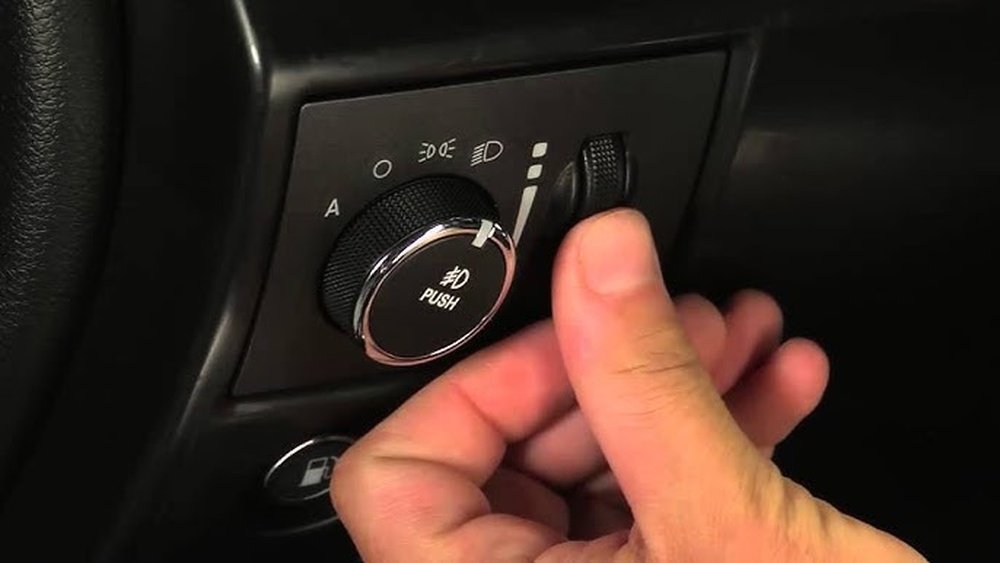
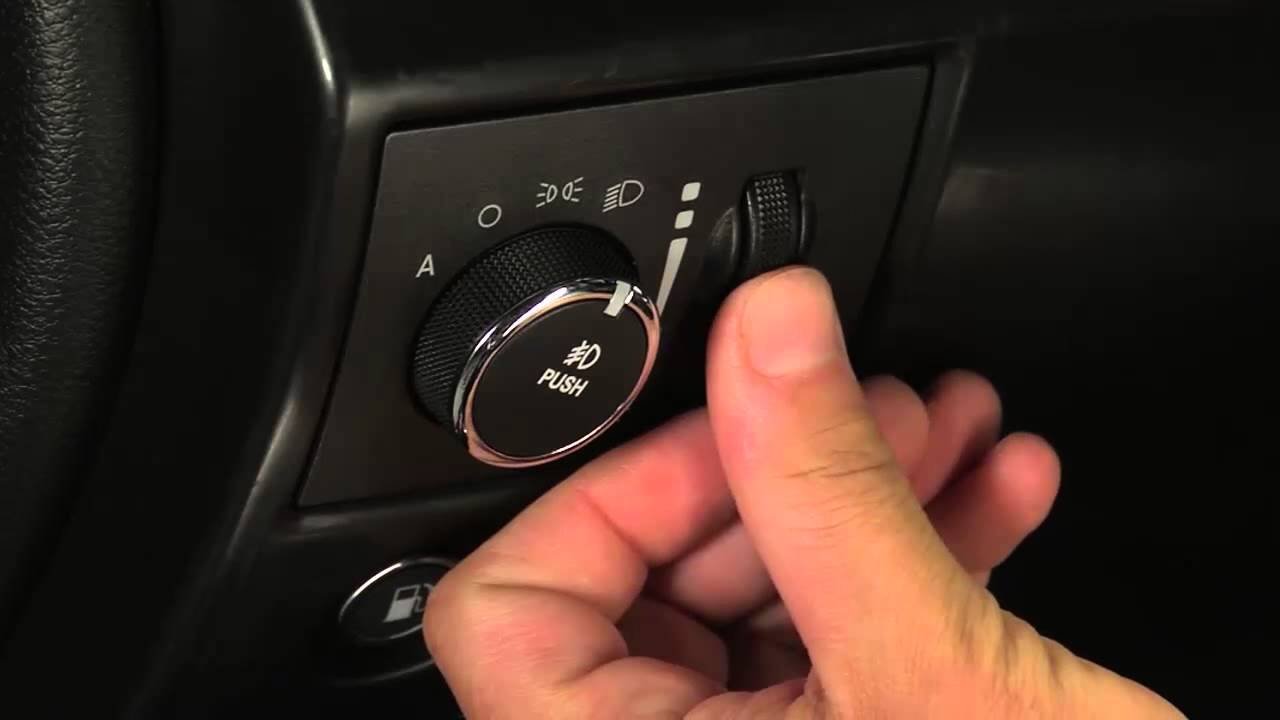
1. Locate The Headlight Control Knob
It’s usually on the left side of the dashboard, next to the steering wheel.
Most models have a pull-out or push-in switch built into the main headlight knob. When fog lights are on, you’ll see a green indicator on your dashboard.
- Turn off the fog lights
- If your headlight knob is pushed in (off), pull it out to turn on fog lights.
- To turn off, simply push the knob back in.
- Make sure the dashboard indicator light for fog lights turns off.
For 2010 And Older Grand Cherokee Models
1. Find The Fog Light Switch
Older models usually have a separate button or switch for fog lights on the instrument panel.
2. Press Or Flip The Switch
If the fog lights are on, press the button or flip the switch to the “off” position.
3. Double-check The Dashboard
Ensure the fog light symbol (a light with lines and a wavy line) is not lit.
Extra Insight: Automatic Headlights And Fog Light Settings
Some Grand Cherokees come with automatic headlights. If you leave headlights on “Auto,” the fog lights may also turn on automatically when it’s dark or raining. To fully control the fog lights:
- Switch headlights from “Auto” to “On” or “Off”
- Adjust the fog light switch as needed

Quick Reference: Fog Light Controls By Model Year
Here’s a handy table showing how fog light controls differ by year:
| Model Year | Main Control Type | Fog Light Switch Location |
|---|---|---|
| 2011–2024 | Headlight Knob (Pull/Push) | Left dashboard, near steering wheel |
| 2005–2010 | Separate Button/Switch | Instrument panel |
| 1999–2004 | Toggle Switch | Below main light controls |
Knowing your Jeep’s year helps you find the right control fast.
Common Problems When Turning Off Fog Lights
Even after you turn the fog lights off, sometimes the indicator stays on or the lights don’t go out. Here are the most common causes:
- Faulty switch: The pull/push or button might stick due to age or dirt.
- Electrical issues: A blown fuse or wiring problem can stop fog lights from turning off.
- Software glitches: Some newer models have electronic controls that may need a system reset.
If you have trouble, try these fixes:
- Turn the vehicle off, wait 30 seconds, and restart.
- Check the fog light fuse in the fuse box.
- Clean around the headlight control knob or switch.
If the lights still won’t turn off, visit a certified mechanic or your local Jeep dealer.
When And Why To Turn Off Fog Lights
Some drivers forget to turn off fog lights after bad weather. But using them at the wrong time can cause problems:
- Legal issues: Many US states ban fog lights in clear weather, with fines up to $150.
- Glare: Bright fog lights can blind other drivers, making roads less safe.
- Battery drain: Fog lights use extra power. If left on when the engine is off, they can drain your battery.
It’s a good habit to check your lights before you start driving and after you park.
Jeep Grand Cherokee Fog Light Comparison
How do fog lights compare to regular headlights and high beams? Here’s a comparison:
| Light Type | Best Use | Beam Pattern | Brightness (Lumens) |
|---|---|---|---|
| Fog Lights | Fog, rain, snow | Wide, low | 1,000–1,500 |
| Headlights | All conditions | Narrow, long | 1,500–2,000 |
| High Beams | Rural, dark roads | Very long, narrow | 1,800–2,500 |
Fog lights are not a substitute for headlights or high beams. Use each as intended for safety.
Key Tips For Using Fog Lights On Your Jeep
- Only use fog lights in poor visibility
- Always turn them off in clear weather
- Know your model’s control setup
- If unsure, check your owner’s manual or visit the official Jeep website
- If fog lights do not turn off, seek professional help
Many new drivers forget that fog lights are for special conditions not for daily use.
Frequently Asked Questions
How Do I Know If My Fog Lights Are On In My Grand Cherokee?
Look for a green indicator light on your dashboard. It looks like a lamp with three horizontal lines and a wavy line through them.
Can I Turn Off Fog Lights While Driving?
Yes, you can turn them off anytime using the headlight knob or fog light switch. It’s safe to do while driving as long as you stay focused on the road.
Why Won’t My Fog Lights Turn Off?
If your fog lights stay on, the switch might be stuck, or there could be a blown fuse or wiring problem. Try restarting your car and checking the controls. If that fails, contact a mechanic.
Do All Jeep Grand Cherokees Have Fog Lights?
Most models come with fog lights, but some base trims may not have them as standard. Check your model’s features or inspect the front bumper for the fog light assembly.
Is It Illegal To Leave Fog Lights On In Clear Weather?
In many US states, yes. Using fog lights when not needed can result in a ticket.
Always turn them off when visibility is good.
Turning off your Jeep Grand Cherokee’s fog lights is easy once you know the process. Use them only when truly necessary, and always double-check before driving.
A little attention to your lighting controls keeps you and others safer on the road.