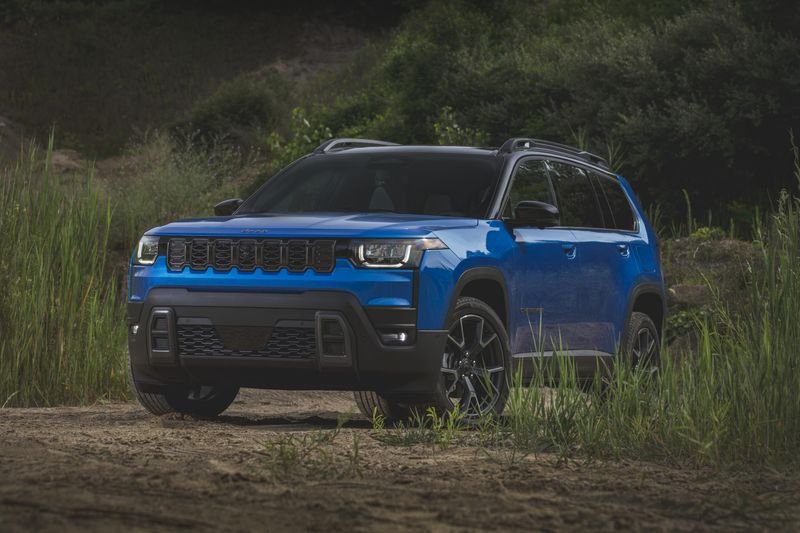
Many Jeep owners have faced a moment of confusion after accidentally turning on the emergency lights, also known as hazard lights.
These blinking lights are a safety feature, but figuring out how to switch them off can be tricky if you’re not familiar with your vehicle’s controls.
Whether you’re driving a Wrangler, Cherokee, or another Jeep model, understanding this process is important for both safety and peace of mind. Let’s walk through how to turn off emergency lights on your Jeep, and cover what to do if they won’t turn off.
What Are Emergency Lights And Why Do They Matter?
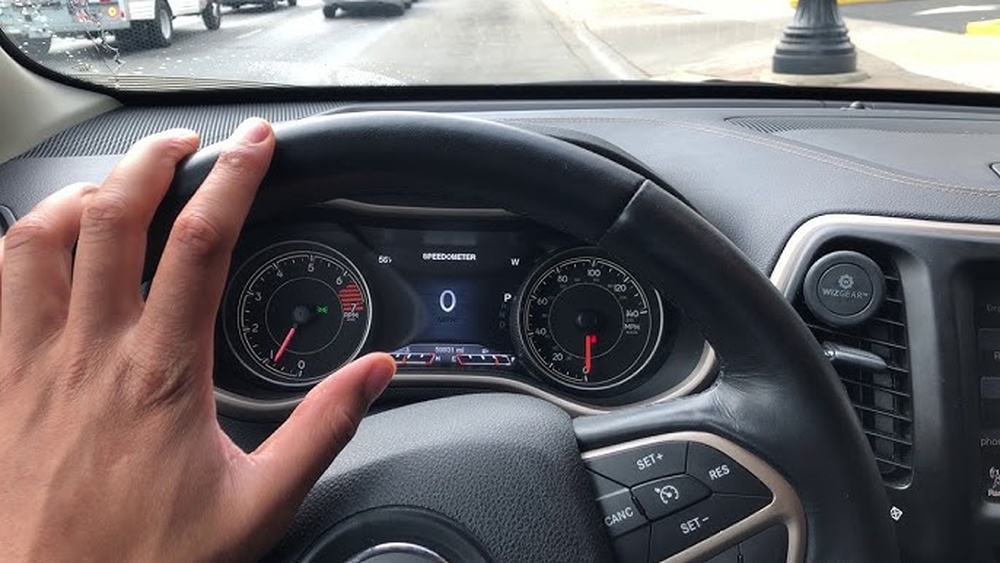
Emergency lights or hazard lights are designed to alert other drivers that your vehicle is stopped or moving slower than usual due to a problem. They flash both the left and right turn signals at the same time. This feature is standard on all Jeep models and is required by law in most countries.
Using these lights can help prevent accidents in situations like:
- A breakdown on the highway
- Changing a flat tire
- Warning others of a sudden stop or traffic jam
But leaving them on by mistake can drain your battery or confuse other drivers, so it’s important to know how to switch them off quickly.
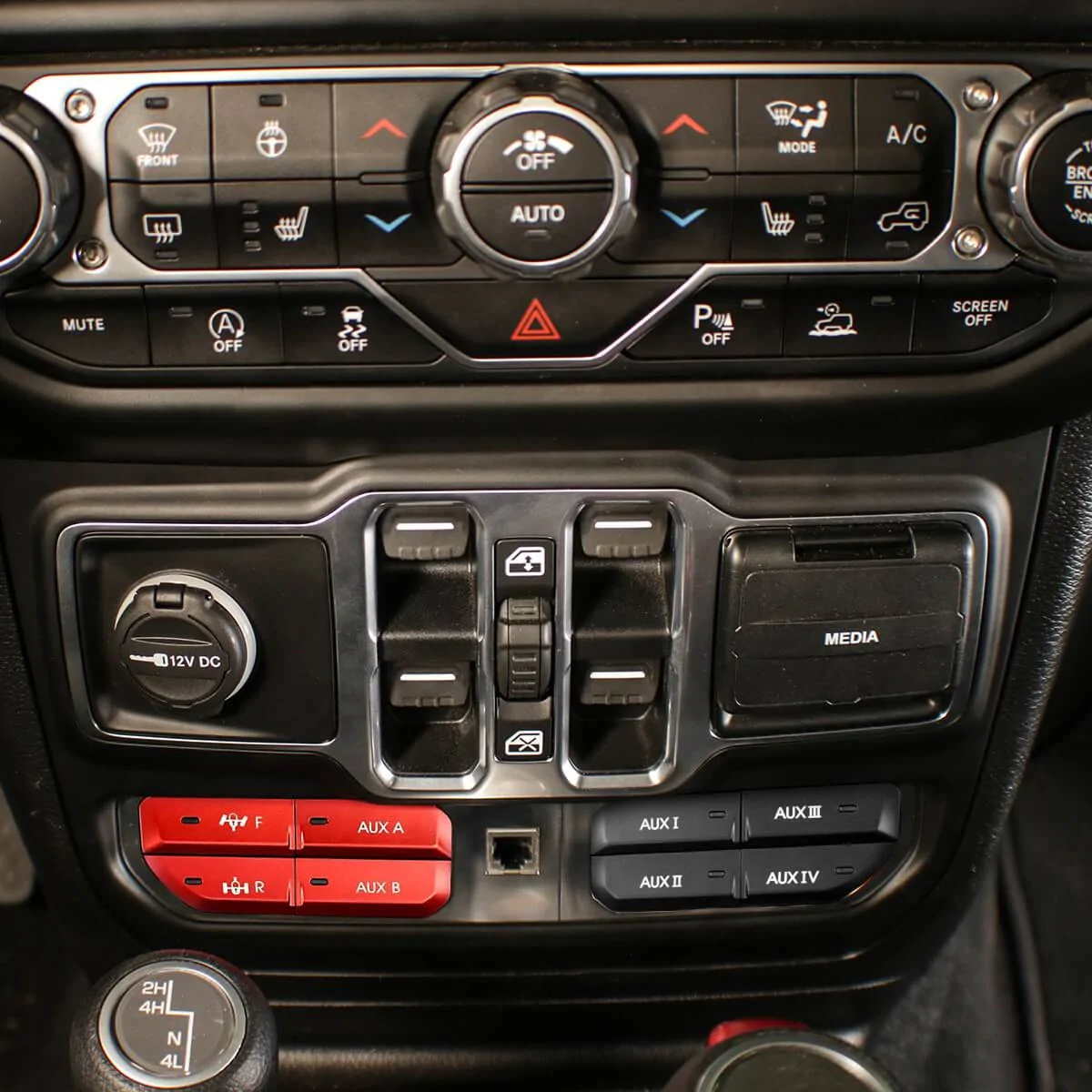
The emergency light button is usually easy to find, but its position can vary depending on the Jeep model and year. Here’s where you’ll commonly find it:
| Jeep Model | Button Location | Icon |
|---|---|---|
| Wrangler (JL & JK) | Center dashboard, above radio | Red triangle |
| Cherokee | Center console, near air vents | Red triangle |
| Grand Cherokee | Above climate controls | Red triangle |
| Renegade | Next to media display | Red triangle |
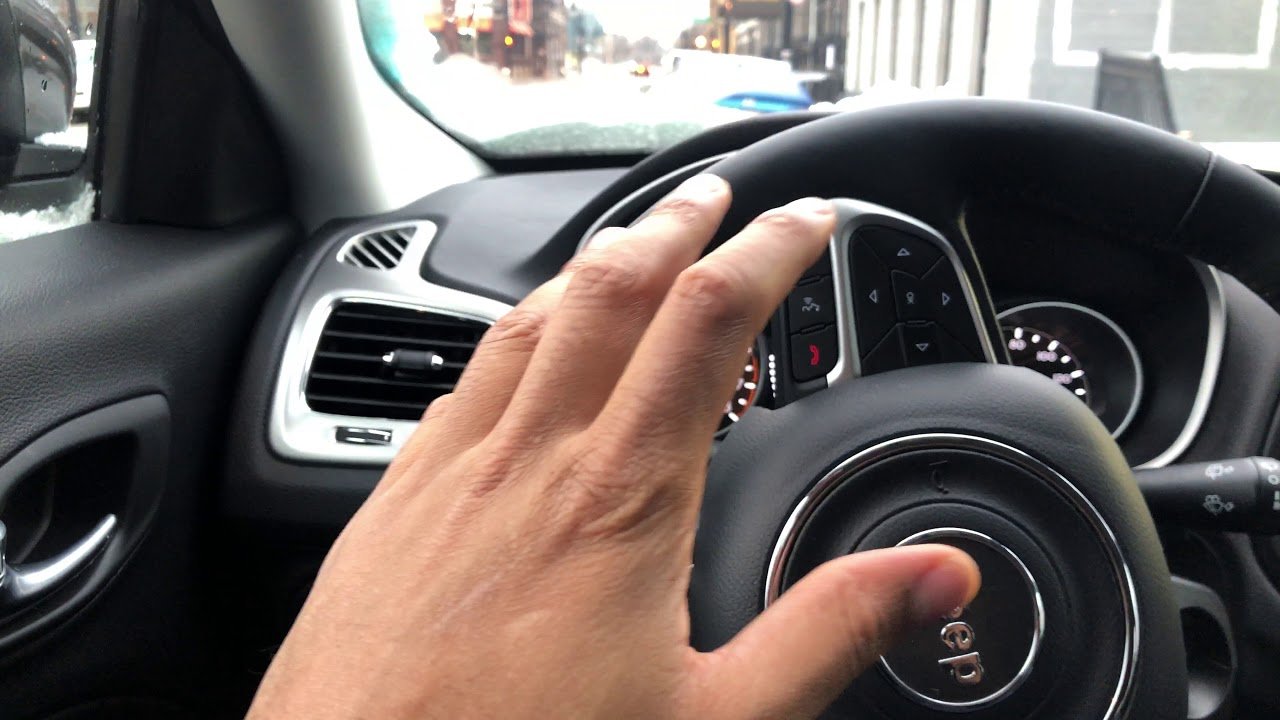
Look for a red triangle symbol. It’s usually in the middle of your dashboard. Some older models may have it close to the steering column.
How To Turn Off Emergency Lights On Jeep: Step-by-step
Turning off the emergency lights is simple once you know where the button is. Here’s how you do it:
- Locate the red triangle button on the dashboard.
- Press the button once. You’ll hear a soft click.
- Check your dashboard: The indicator for hazard lights (two blinking arrows) should stop flashing.
- Look outside: Walk around your Jeep to make sure all indicators are off.
If the lights stay on after these steps, something else may be wrong. Read on for troubleshooting.
What To Do If Emergency Lights Won’t Turn Off
Sometimes, the emergency lights stay on even after you press the button. This problem can have several causes:
| Possible Cause | What To Check | Fix |
|---|---|---|
| Sticky button | Button feels stuck, doesn’t click | Press firmly or wiggle gently |
| Electrical fault | Other lights act strange too | Check fuses, visit a mechanic |
| Turn signal switch | Signals don’t work or get stuck | Try moving turn signal lever |
| Wiring issue | Recent repair or water damage | Seek professional help |
If pressing the button again does not stop the blinking, try turning the ignition off and back on. For stubborn cases, disconnecting the negative battery terminal for a minute can reset the system, but do this only if you’re comfortable with basic car maintenance.
Tips To Prevent Accidental Activation
Many Jeep owners accidentally activate the emergency lights when reaching for the radio or climate controls. Here’s how to avoid this:
- Be aware of the button’s position before driving.
- Don’t place objects near the button.
- Teach passengers not to press dashboard buttons without asking.
If you drive off-road, vibrations can sometimes trigger buttons. Consider using protective covers if this happens often.
How Emergency Lights Differ From Other Jeep Lights
It’s easy to confuse emergency lights with other lighting systems. Here’s a quick comparison:
| Light Type | Activation Method | Purpose |
|---|---|---|
| Emergency (Hazard) Lights | Red triangle button | Warns others of a stopped/slow vehicle |
| Turn Signals | Lever on steering column | Indicates left/right turns |
| Parking Lights | Headlight dial or switch | Visibility when parked at night |
| Daytime Running Lights | Automatic | Increases daytime visibility |
If you see both left and right indicators blinking together, it’s the emergency lights. If only one side blinks, it’s a turn signal.
Common Mistakes And How To Avoid Them
Many new Jeep owners make these mistakes:
- Forgetting to turn off emergency lights after a breakdown, which drains the battery.
- Confusing the emergency button with the defrost or lock button—always check the icon.
- Pushing the button too lightly so it doesn’t fully engage or disengage.
When in doubt, check your Jeep’s owner’s manual for specific instructions. Each model may have small differences.
When Should You Use Emergency Lights?
It’s important to use emergency lights only when needed:
- If your Jeep breaks down on the road
- During extreme weather conditions where you’re forced to stop
- To warn others about road hazards or accidents
Don’t use them while driving normally, as this can mislead other drivers or even result in a traffic ticket.
Frequently Asked Questions
How Long Can I Leave My Jeep’s Emergency Lights On Before The Battery Dies?
Emergency lights use little power, but if left on for more than 2 3 hours with the engine off, your battery may drain. Older batteries will die faster.
Can I Drive With My Emergency Lights On?
You should not drive with emergency lights on except in rare cases like a breakdown where you must move slowly to safety. It’s illegal in many places to use them while driving normally.
Most Jeep models use a red triangle button in the center of the dashboard, but its exact location can vary. Always check your owner’s manual for your model.
What If My Emergency Lights Come On By Themselves?
If the hazard lights activate without pressing the button, it could be an electrical fault or a problem with the body control module. Get your Jeep checked by a mechanic.
Where Can I Find More Details About Jeep Emergency Systems?
For technical manuals and official guides, visit the Jeep official owner’s site.
Turning off your Jeep’s emergency lights is simple once you know where to look and how the system works. Take a moment to learn your dashboard layout, and you’ll avoid confusion on the road.
If you run into any trouble, a quick check of your owner’s manual or a visit to your dealer can help.
Stay safe, and always use your Jeep’s safety features wisely.