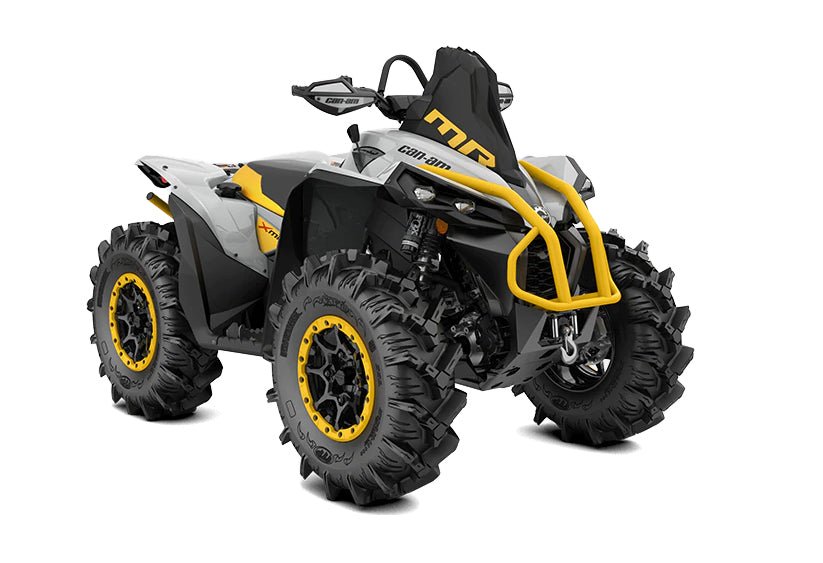
Tuning a Can-Am Renegade is one of the most effective ways to improve your ATV’s performance and customize your riding experience. Whether you ride trails, mud, or dunes, adjusting your Renegade’s setup can make a huge difference. Many riders don’t realize that even small tuning steps can unlock more power, better handling, and a smoother ride. Let’s explore how you can tune your Can-Am Renegade to match your style and get the best out of your machine.
Understanding Your Can-am Renegade
Before you start, it’s important to know the basics of your ATV. The Can-Am Renegade is a sport-performance ATV known for its Rotax engine, advanced suspension, and sturdy frame. Models range from the 570 to the powerful 1000R, each with unique specs.
Why tune your Renegade? Most stock ATVs are set up for average conditions and riders. But if you want more speed, better throttle response, or improved comfort, tuning lets you reach your goals. You can target engine performance, clutching, suspension, and even tire setup.
Essential Tools And Preparation
Tuning isn’t just about turning a screw. You’ll need some basic tools and safety gear:
- Socket set and wrenches (metric and standard)
- Screwdrivers (flat and Phillips)
- Torque wrench for precise tightening
- Air pressure gauge
- Clutch puller (for clutch work)
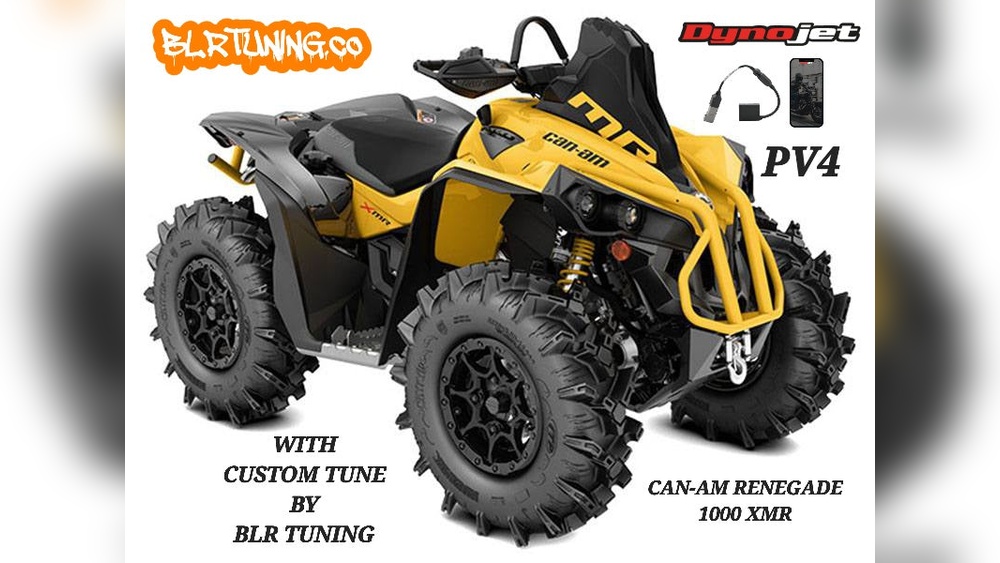
- Fuel controller or tuner (for fuel mapping)
- Safety glasses and gloves
Always make sure your Renegade is clean and on stable ground before starting. Keep your owner’s manual nearby for reference to torque specs and part locations.
Engine Tuning: Unlocking More Power
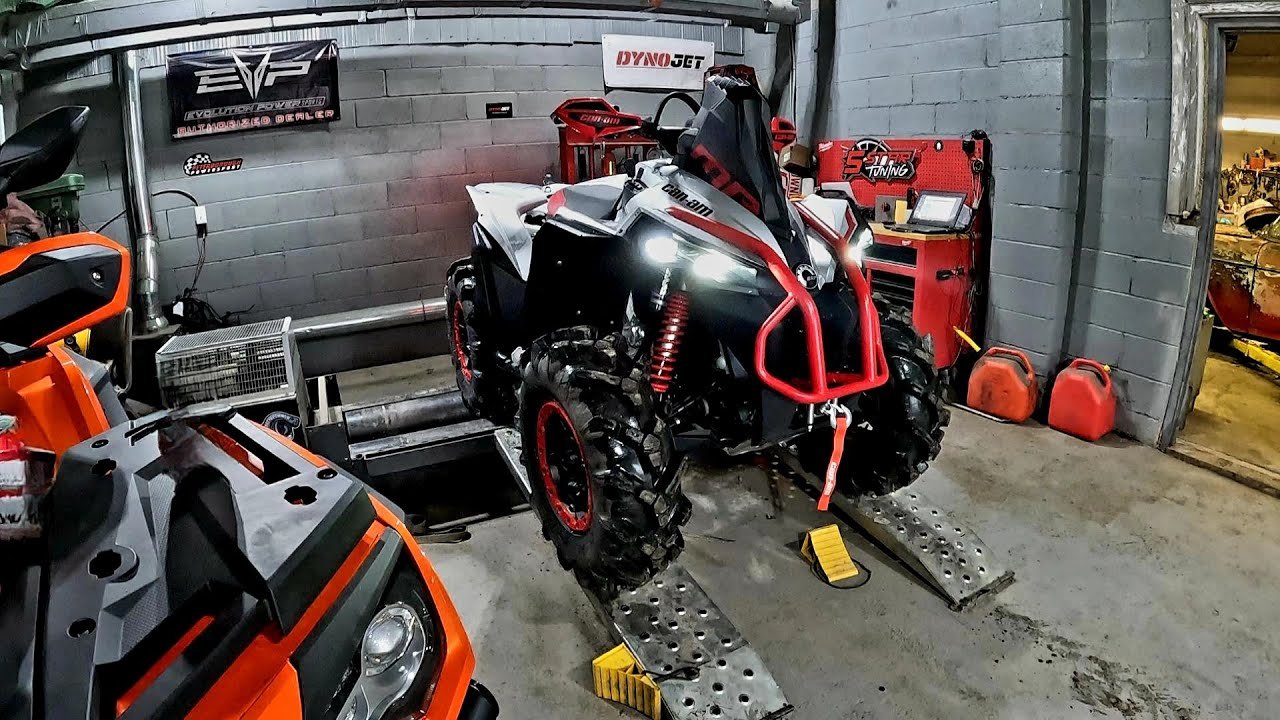
The engine is the heart of your Renegade. Tuning it can give you more horsepower, better throttle response, and smoother running.
Ecu Remapping Or Tuning
Modern Can-Am Renegades use an Electronic Control Unit (ECU) to manage fuel and ignition. Remapping the ECU can:
- Increase horsepower by up to 10-15% (especially with exhaust/intake upgrades)
- Improve throttle response
- Optimize fuel economy for your riding style
You’ll need a compatible fuel tuner, like Power Commander or Dynojet. Plug it into your ATV’s diagnostic port, follow the instructions, and select a map suited for your upgrades. Be cautious: an aggressive map can increase wear if the engine isn’t built for it.
Air Intake And Exhaust Upgrades
Air intake and exhaust systems control how your engine breathes. Upgrading these allows more air in and exhaust out, which supports better combustion.
- High-flow air filter: Increases airflow, can add 1-3 horsepower.
- Performance exhaust: Reduces backpressure, can add 3-7 horsepower.
When changing these, always retune your fuel mapping. Running too lean or too rich can damage the engine.
Spark Plugs And Fuel
Use the recommended spark plugs, and check the gap. Upgrading to iridium plugs can boost ignition reliability.
Use high-quality fuel (91 octane or higher for 1000R models) for best performance.
Clutch Tuning: Transfer Power Efficiently
The CVT clutch system is how your Renegade transfers power from the engine to the wheels. Clutch tuning changes how the ATV accelerates and handles loads.
Why Tune The Clutch?
- Faster acceleration for trail or drag racing
- Better performance for larger tires or heavier loads
- Smoother engagement for slow technical riding
Key Clutch Components
- Primary spring: Controls engagement RPM
- Weights/rollers: Affect upshift speed
- Secondary spring: Controls backshift and belt pressure
Changing these parts alters how quickly the clutch reacts. For example, heavier weights will upshift sooner, which is good for high-speed riding.
Lighter weights keep the engine in the powerband longer better for mud or hills.
Simple Clutch Setup Comparison
Here’s a look at how different setups affect performance:
| Setup Type | Best For | Effect |
|---|---|---|
| Stock | General Trail | Balanced, mild acceleration |
| High Engagement Spring | Mud, Racing | Faster launches, more RPM |
| Lighter Weights | Technical Terrain | Higher revs, better low-speed control |
When making changes, always test after each adjustment. Incorrect clutching can cause belt slip or excessive wear.
Suspension Tuning: Ride Comfort And Handling
Suspension affects how your Renegade handles bumps, corners, and jumps. Tuning your suspension can make your ride smoother or sharper, depending on your needs.
Adjusting Preload
Preload changes how much the springs are compressed. Increasing preload raises the ATV’s height and makes it stiffer, which is useful for aggressive riding or carrying weight. Decreasing preload lowers the center of gravity and softens the ride.
To adjust, turn the spring collar on each shock. Always adjust both sides equally.
Compression And Rebound Damping
Many Renegade models offer compression and rebound clickers:
- Compression: Controls how fast the shock compresses. More compression = stiffer ride.
- Rebound: Controls how quickly the shock returns after a bump. Too fast = bouncy, too slow = sluggish.
Start in the middle setting and adjust in small steps. If you bottom out often, add compression. If your ATV feels harsh, reduce it.
Suspension Setup Examples
Compare two common setups:
| Riding Style | Preload | Compression | Rebound |
|---|---|---|---|
| Trail | Medium | Middle | Middle |
| Mud | High | Higher | Lower |
| Dunes | Low-Medium | Lower | Faster |
Fine-tuning takes time. Ride, adjust, and repeat until your Renegade feels right for you.
Tire And Wheel Setup: Grip And Stability
Your tires connect the ATV to the ground. The right setup can improve traction, handling, and durability.
Choosing The Right Tires
- Trail tires: Best for mixed terrain, with moderate tread and sidewall strength.
- Mud tires: Deep lugs for grip in soft mud, but less comfort on hard trails.
- Sand/dune tires: Paddle designs for flotation and grip in loose sand.
Choose a tire size that fits your riding style. Going too big can add stress to the drivetrain and require clutch tuning.
Tire Pressure Tips
Keep tire pressures within the recommended range (usually 5-7 psi for off-road). Lower pressure increases grip but risks pinch flats; higher pressure improves stability but reduces comfort.
Wheel Offset And Materials
- Positive offset wheels keep tires closer in, improving stability.
- Aluminum wheels reduce weight and improve handling.
- Heavy steel wheels are more durable but can slow acceleration.
Intake And Cooling: Keep It Running Strong
A well-tuned Renegade runs cool and breathes easily. Pay attention to the air filter and radiator.
- Clean the air filter every 1-2 rides, especially in dusty or muddy conditions.
- Upgrade to a high-flow filter for better performance.
- Inspect the radiator and remove mud or debris to prevent overheating.
Consider a snorkel kit if you ride deep water or mud. It raises the air intake, reducing the risk of engine damage.
Drivetrain And Differential Tuning
The Renegade uses a selectable 2WD/4WD system with a Visco-Lok front differential. Keeping these systems in top shape ensures reliable traction.
- Regularly change the differential oil (every 1,000 miles or as recommended).
- Upgrade to synthetic oil for better protection.
- Check for play or noise from axles and CV joints.
If you want more aggressive traction, aftermarket lockers or clutch kits can help, but may affect tight cornering.
Real-world Example: Tuning For Mud Riding
Let’s say you want to build a Renegade for mud. You might:
- Install 28-30 inch mud tires for extra grip.
- Upgrade the clutch with a high-engagement spring and lighter weights.
- Add a fuel tuner and high-flow air filter.
- Raise suspension preload for more ground clearance.
- Add a snorkel kit for deep water.
- Lower tire pressure to 5 psi for maximum contact.
After these steps, you’ll notice stronger launches, less bogging, and better control in thick mud.
Common Tuning Mistakes To Avoid
Many beginners make these errors:
- Skipping fuel tuning after adding an exhaust or intake. This can make your ATV run lean, risking engine damage.
- Over-tightening bolts on the clutch or suspension, leading to stripped threads.
- Ignoring tire size when tuning the clutch—big tires need clutch changes.
- Misadjusting suspension without testing. Always test after each change.
A little patience and careful adjustment go a long way.
Maintenance After Tuning
Every tuning change should be followed by regular checks:
- Inspect the CVT belt for wear every few rides.
- Check all bolts for tightness, especially after hard riding.
- Monitor coolant levels and engine temperature.
- Keep a log of changes and how they affect performance.
Preventive care ensures your Renegade stays reliable and fun to ride.
Cost Of Tuning: What To Expect
Tuning costs can vary widely. Here’s a typical breakdown:
| Upgrade | Price Range (USD) |
|---|---|
| Fuel Tuner/ECU | $300 – $500 |
| Clutch Kit | $200 – $350 |
| Performance Exhaust | $250 – $600 |
| High-Flow Air Filter | $50 – $120 |
| Snorkel Kit | $150 – $350 |
Keep in mind, labor adds extra cost if you’re not doing the work yourself.
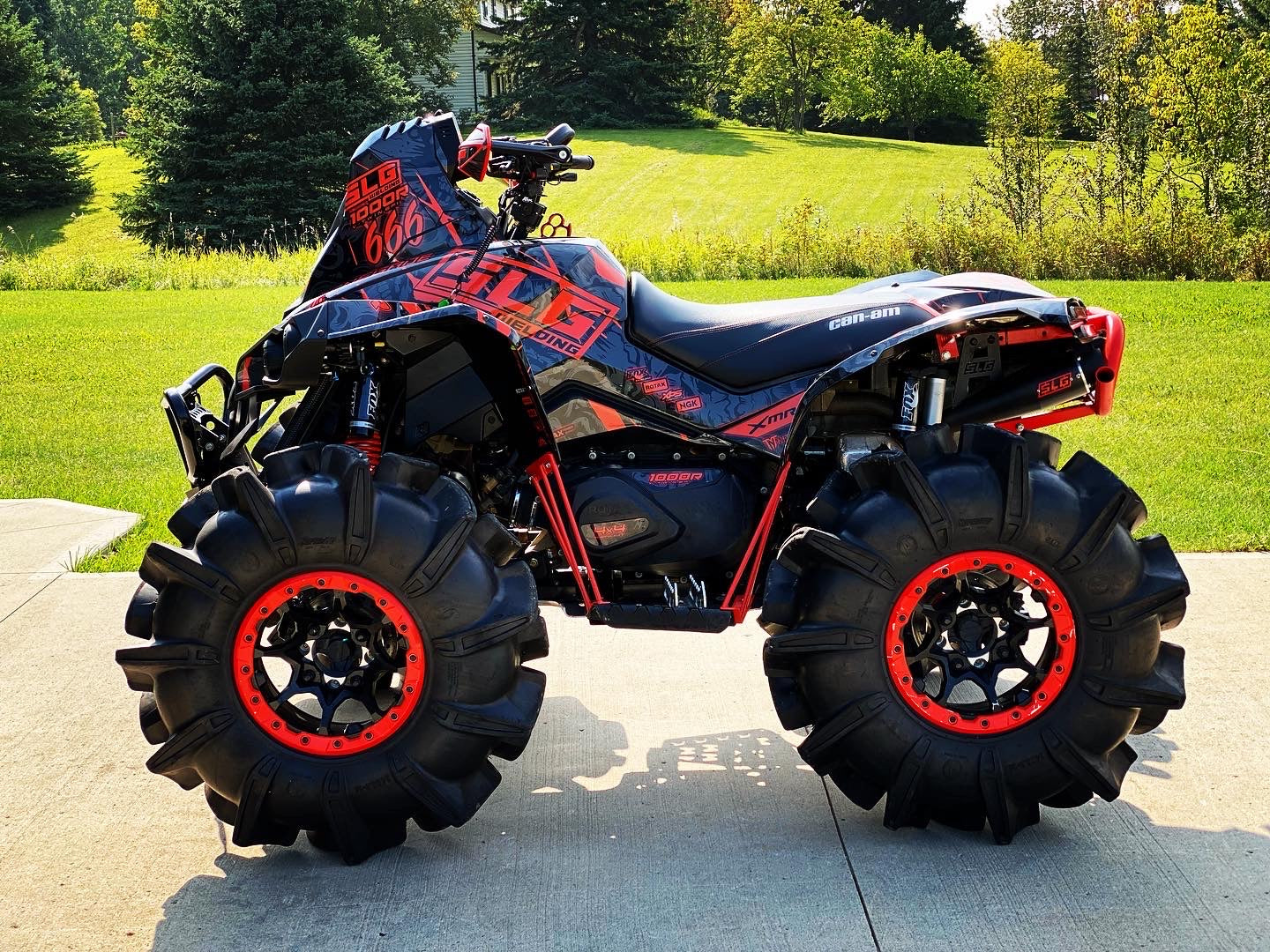
Non-obvious Tuning Insights
- Altitude affects tuning: If you ride at high elevations, your Renegade will run leaner due to thinner air. Adjust fuel mapping or use altitude-specific clutch weights.
- Test in real conditions: A setup that works on paper may feel different in mud, sand, or rocks. Always test after each change and adapt as needed.
Tuning is a journey, not a one-time task. Don’t rush enjoy learning what works best for your riding style.
Frequently Asked Questions
What Is The Best First Upgrade For A Can-am Renegade?
A fuel tuner is often the best first upgrade. It allows you to adjust air-fuel ratios safely, especially if you plan on adding an exhaust or intake.
This helps protect your engine and unlocks more horsepower.
Do I Need To Tune My Renegade If I Install Bigger Tires?
Yes, installing larger tires changes the load on your clutch and drivetrain. You should adjust your clutch (springs, weights) to avoid sluggish acceleration and prevent belt wear.
Will Tuning My Renegade Void The Warranty?
Some modifications, like ECU remapping, may void parts of your warranty. Always check with your dealer before tuning, and keep all original parts in case you need to revert.
How Often Should I Check My Tuned Settings?
Check your tuning after every major ride or competition. Fasteners can loosen, and belts or filters may wear faster with increased performance.
Where Can I Find Trusted Tuning Maps And Advice?
Join forums like Can-Am Riders, consult your local dealer, or visit official sources like Can-Am Off-Road for guidance and support.
Tuning your Can-Am Renegade is both an art and a science. With the right tools, knowledge, and patience, you can transform your ride into the ultimate ATV for your adventure.
Always tune safely, test often, and enjoy the journey.