Buying a used Jeep is exciting, but you need to make sure the 4WD system works properly. Many buyers skip this step, and later face expensive repairs or poor off-road performance. Testing the Jeep 4WD system before buying helps you avoid trouble, especially if you plan to drive in snow, mud, or rough terrain. This guide gives you clear steps, checks, and expert tips so you feel confident during your Jeep inspection.
Why The 4wd System Matters
The 4WD system is the heart of every Jeep’s off-road capability. It gives you extra traction, power, and control on slippery roads. If the system is faulty, you might face:
- Poor handling in bad weather
- Expensive transmission repairs
- Reduced resale value
Surprisingly, some sellers don’t even know their 4WD is broken. Testing it yourself is the best way to protect your money.

Basic Steps To Test Jeep 4wd
You don’t need special tools to check most 4WD systems. Follow these steps for a quick but reliable test:
- Find a safe area: Choose a flat, open space with loose gravel or dirt. Avoid busy roads and crowded parking lots.
- Inspect dashboard controls: Check for the 4WD switch, lever, or knob. Make sure it moves smoothly.
- Shift into 4WD: Start the engine. Shift from 2WD to 4WD (high or low). Listen for any strange noises.
- Drive forward slowly: Notice if the Jeep jerks, vibrates, or makes clicking sounds. These can signal a problem.
- Turn the wheel: Make gentle turns in 4WD. If the wheels feel locked or skip, the system might have issues.
- Shift back to 2WD: Switch back to 2WD and drive again. The Jeep should return to normal handling.
Signs Of A Healthy 4wd System
You want your Jeep’s 4WD to feel strong and smooth. Look for these signs:
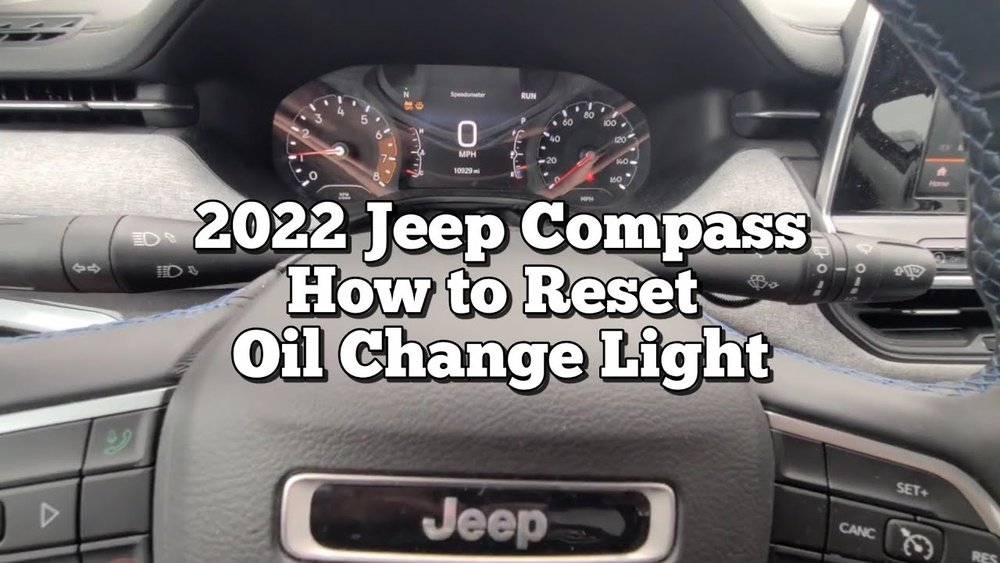
- No warning lights: The dashboard stays clear.
- Smooth engagement: Switching between 2WD and 4WD is easy and quiet.
- Consistent traction: The vehicle pulls forward without slipping.
If you notice grinding, clunking, or flashing warning lights, the system may need repairs.
Common Problems And How To Spot Them
Some issues are easy to miss if you don’t know what to look for. Here’s a quick comparison of normal vs. problem signs:
| Normal | Possible Problem |
|---|---|
| Quiet shifting | Loud clunks or grinding |
| Smooth turns | Wheel skipping during turns |
| Steady acceleration | Vibration or jerking |
| No warning lights | 4WD warning light stays on |
Many buyers ignore small noises, thinking they’re normal. In reality, even minor sounds can signal a worn transfer case or failing driveshaft. Ask the seller about recent maintenance or repairs.
Testing 4wd Low Range
The 4WD Low mode is for tough trails and steep hills. Testing this is important if you plan to use your Jeep off-road.
- Stop the vehicle completely.
- Shift the transmission to neutral.
- Engage the 4WD Low lever or knob.
- Drive slowly and listen for unusual noises.
- Check if the Jeep crawls smoothly at low speed.
If the Jeep struggles to shift into Low, or makes grinding sounds, the transfer case could be damaged.
Comparing Different Jeep 4wd Systems
Jeeps have several types of 4WD systems. Knowing the difference helps you test correctly.
| Model | 4WD System Type | Engagement Method |
|---|---|---|
| Jeep Wrangler | Part-time 4WD | Manual lever |
| Jeep Grand Cherokee | Full-time 4WD | Electronic switch |
| Jeep Liberty | Selectable 4WD | Knob or lever |
Some systems are easier to test than others. For example, part-time 4WD needs you to drive on loose surfaces, while full-time 4WD works on any road.
Always check your Jeep’s owner manual for details.
Extra Checks Most Buyers Miss
Many buyers forget these advanced checks, but they can save you money:
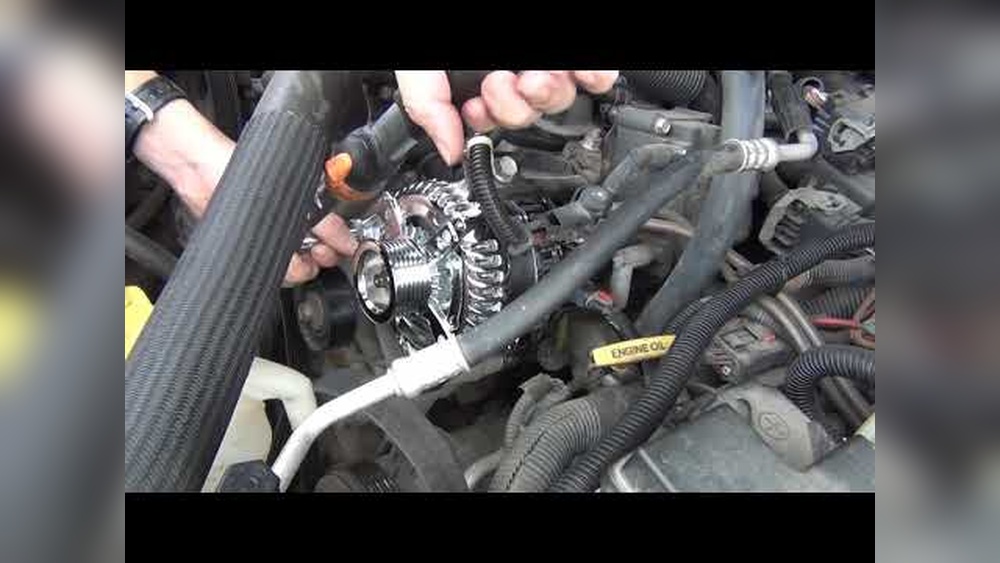
- Check under the Jeep: Look for leaks around the transfer case, axles, and driveshaft.
- Test both high and low range: Don’t skip 4WD Low if you want off-road power.
- Feel for vibrations: Even small shakes can mean bad u-joints or worn gears.
- Ask for service records: A healthy 4WD system usually gets regular maintenance.
One non-obvious tip: If the seller avoids shifting into 4WD during your visit, that’s a red flag. Insist on testing it yourself.
Table Of Common Jeep 4wd Warning Lights
Sometimes, warning lights help you spot issues fast. Here’s a quick guide:
| Warning Light | Meaning | Action |
|---|---|---|
| 4WD Indicator | System engaged | Normal operation |
| 4WD Fault | Problem detected | Get system checked |
| ABS Light | Linked to 4WD issue | Check brakes & 4WD |
Always ask about any warning lights before making a deal.
What If You Can’t Test 4wd?
Sometimes you’re buying from a dealer or in a city where testing is hard. In that case:
- Request a certified inspection
- Ask for a warranty on the 4WD system
- Check online reviews for common Jeep 4WD issues
You can also read official Jeep guides at Jeep Owners for more details.
Frequently Asked Questions
How Can I Check The Jeep 4wd Without Driving Off-road?
You can test basic 4WD engagement on flat, loose gravel or dirt. Listen for noises and feel for smooth shifting.
Avoid testing on dry pavement, as it can damage the system.
What’s The Difference Between 4wd High And 4wd Low?
4WD High is for normal off-road and slippery roads. 4WD Low gives extra torque for steep hills and deep mud. Always stop and shift to neutral before using 4WD Low.
Is It Safe To Test 4wd On Paved Roads?
It’s best to avoid using 4WD on dry pavement. This can cause binding, wheel skipping, and system damage. Test on dirt or gravel whenever possible.
What Are Common Signs Of A Failing Jeep 4wd System?
Listen for grinding noises, feel for vibrations, and watch for warning lights. Difficulty shifting or wheel skipping during turns are also warning signs.
Should I Buy A Jeep If The 4wd System Has Minor Issues?
Minor issues can lead to costly repairs. It’s safer to ask for repairs before buying, or choose another vehicle with a healthy 4WD system.
Testing the Jeep 4WD system is a smart step before buying. It protects you from expensive surprises and ensures your new Jeep is ready for adventure. Take your time, follow these steps, and don’t ignore small warning signs. This way, you’ll enjoy your Jeep with confidence for years to come.