Dry rot is a silent danger for your vehicle’s tires. Many drivers think about tread wear but often forget that tires can age and crack even if tread looks good.
Dry rot weakens rubber, making tires unsafe and more likely to fail suddenly.
Knowing how to spot dry rot early can save you money and prevent accidents.
What Is Tire Dry Rot?
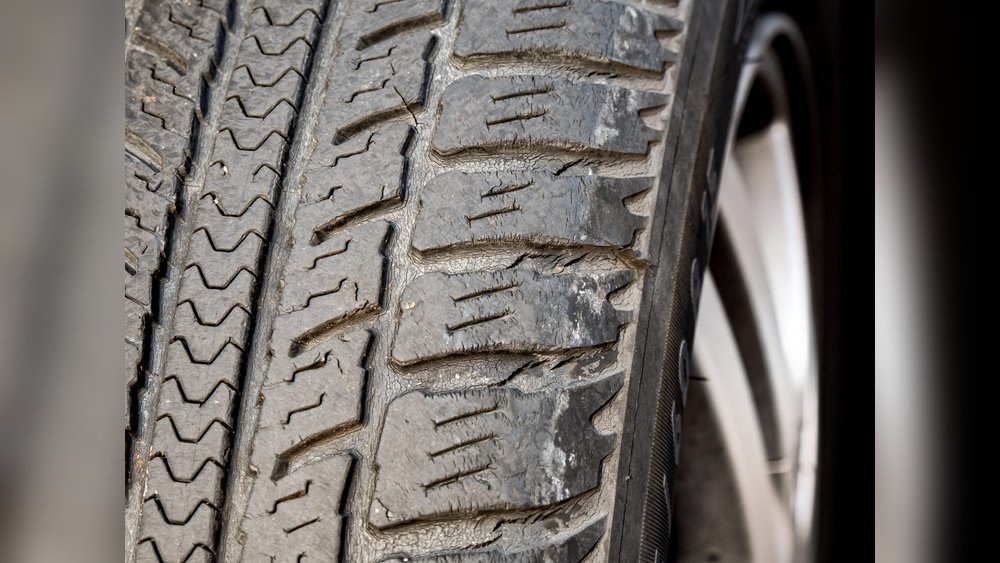
Dry rot in tires is a chemical breakdown of rubber. Over time, heat, sunlight, and oxygen cause tires to lose their flexibility. The rubber becomes brittle, cracks, and loses strength. Even if you drive rarely, tires can still dry rot. This is common in vehicles stored outdoors, RVs, trailers, or cars parked for long periods.
A tire doesn’t need to be old to suffer dry rot. Studies show that tires exposed to harsh sunlight and ozone can begin to show signs in as little as five years, sometimes sooner.
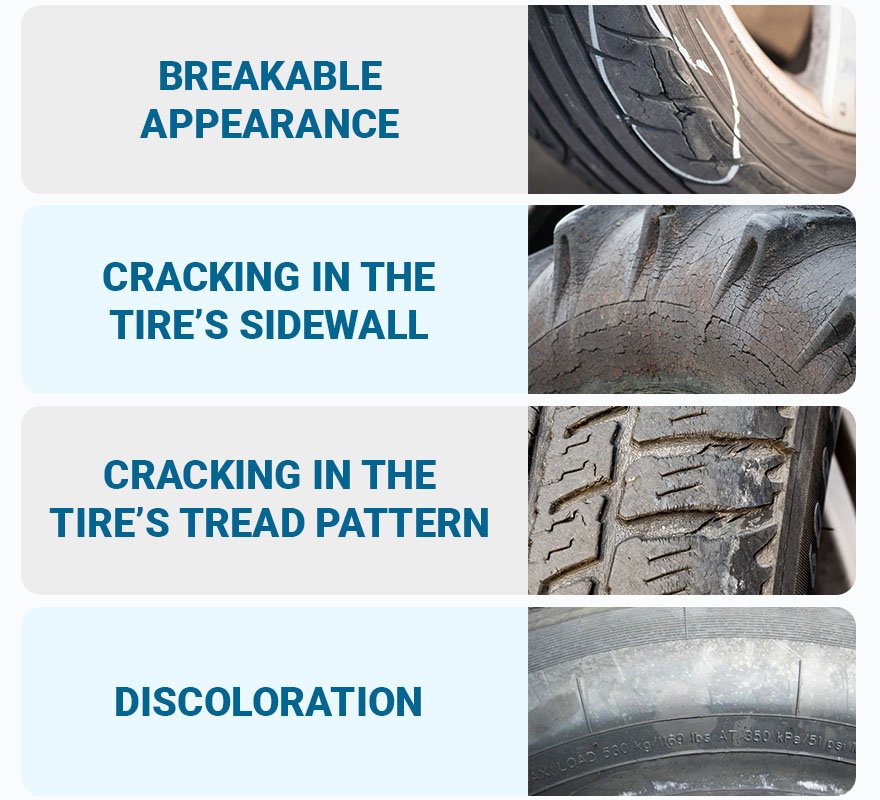
Common Signs Of Dry Rot
Recognizing dry rot early can protect you from tire failure. Look for these warning signs:
1. Cracks On The Sidewall
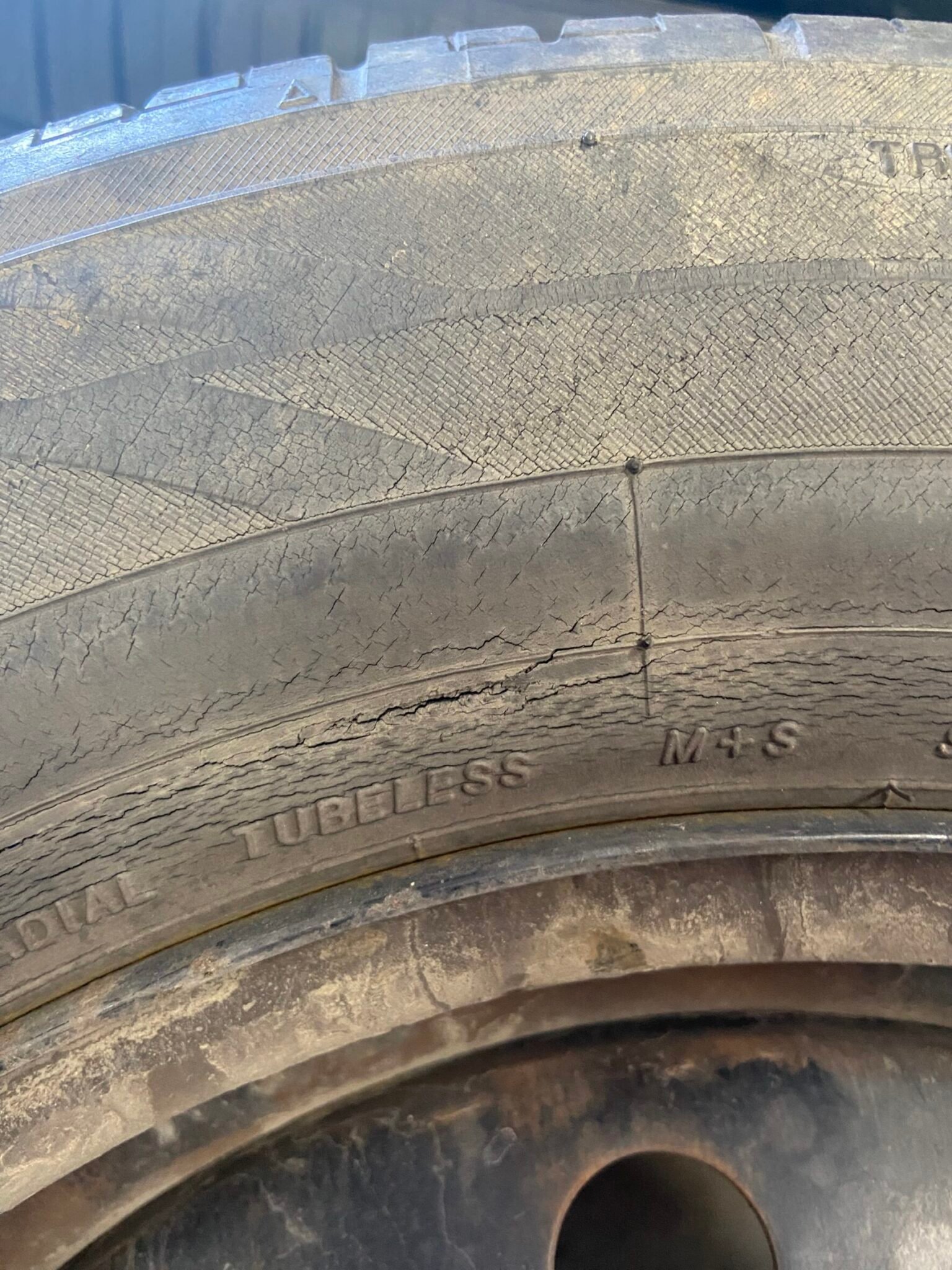
Small or large cracks appear along the tire’s sidewall. These cracks may look like spider webs or lines.
2. Brittle Or Hard Rubber
Healthy tires feel flexible. Dry-rotted tires feel stiff or hard and may break off in small pieces.
3. Faded Color
Tires lose their rich black color and look gray or dull. This is a sign the rubber is drying out.
4. Tiny Cracks Around The Tread
Check the edges of the tread for small, shallow cracks. These can grow larger over time.
5. Blisters Or Bulges
Sometimes dry rot causes bubbles or bulges. These mean the tire’s structure is failing.
If you spot any of these symptoms, take action quickly. Driving with dry-rotted tires is dangerous.
How To Inspect Your Tires For Dry Rot
You don’t need special tools to check for dry rot. Follow these steps for a clear inspection:
1. Clean The Tires First
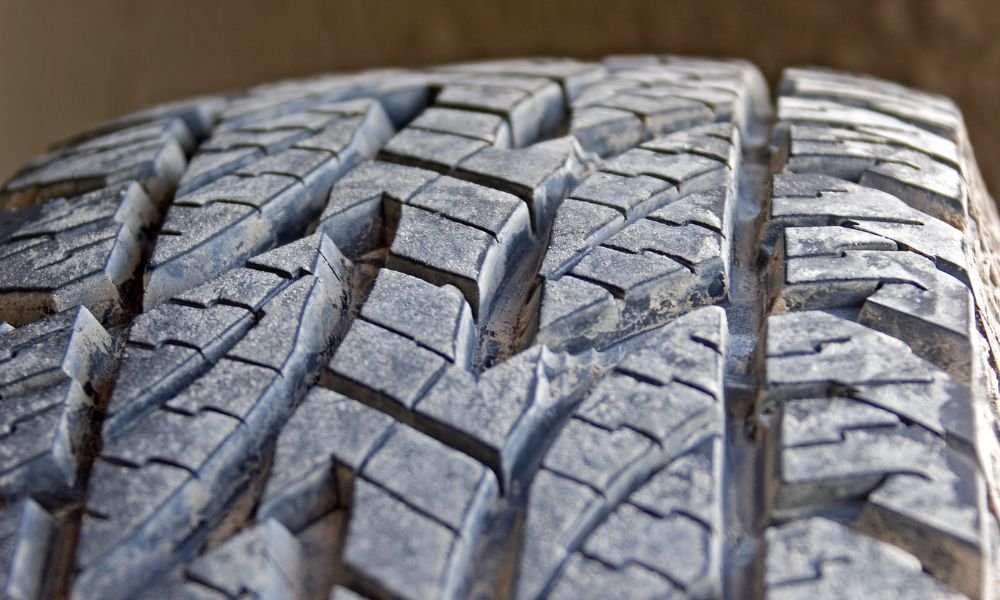
Dirt hides cracks. Wash each tire with mild soap and water. Let them dry completely.
2. Check In Good Light
Inspect tires in daylight or use a bright flashlight. Shadows can hide small cracks.
3. Look Closely At The Sidewalls
Examine both the outside and inside of each tire. Don’t forget the spare tire.
4. Flex The Rubber Gently
Press your thumb against the sidewall. If the rubber feels hard or cracks under pressure, it’s likely dry rot.
5. Check Tread Edges And Grooves
Tiny cracks often start near the tread. Run your fingers around the tread edges.
6. Compare Tires
Sometimes, one tire shows more signs than others. Compare all four for differences.
Example Inspection Table
Here’s a simple table to help track your inspection:
| Tire Position | Cracks | Color | Rubber Flexibility |
|---|---|---|---|
| Front Left | Visible | Grayish | Brittle |
| Front Right | None | Black | Flexible |
| Rear Left | Minor | Black | Somewhat stiff |
| Rear Right | Visible | Dull | Brittle |
Causes And Risk Factors
Dry rot doesn’t happen without reason. Here are the main causes:
- Sun exposure: UV rays break down rubber quickly.
- Ozone: Air pollution and ozone damage tire material.
- Age: Tires older than 5-6 years are at higher risk, even if unused.
- Improper storage: Storing tires outdoors or near chemicals speeds up dry rot.
- Low tire pressure: Under-inflated tires flex more, making cracks worse.
Tire Age Vs. Dry Rot Risk
Compare tire age and risk in this table:
| Tire Age (Years) | Dry Rot Risk Level | Recommended Action |
|---|---|---|
| 1-3 | Low | Inspect yearly |
| 4-6 | Medium | Inspect every 6 months |
| 7+ | High | Replace |
What To Do If You Find Dry Rot
If you discover dry rot, don’t ignore it. Here’s what you should do:
- Replace affected tires: Dry rot can’t be fixed. Replace all tires with visible cracks or brittleness.
- Don’t drive with dry-rotted tires: Even short trips can be risky.
- Check spare tire: Many people forget about the spare. It often sits unused and can dry rot faster.
- Consult a professional: If unsure, ask a tire technician to inspect. They can spot issues you might miss.
Preventing Dry Rot
Prevention can keep your tires safe longer:
- Store your vehicle indoors: Keep it away from sunlight and ozone.
- Maintain proper tire pressure: Check and fill monthly.
- Clean tires regularly: Dirt and chemicals speed up rubber aging.
- Use tire covers or protectants: These block UV rays.
- Rotate tires: Regular rotation helps all tires age evenly.
Most tire makers recommend replacing tires every six years, even if tread looks good. You can find the tire’s age on the sidewall look for the DOT code.
Frequently Asked Questions
How Can I Tell If My Tires Are Dry Rotted Or Just Dirty?
Dry rot shows as deep cracks, faded color, and brittle rubber. Dirt can hide cracks, but it washes off. After cleaning, if cracks remain and rubber feels stiff, it’s dry rot.
Can Tires Dry Rot If My Car Is Parked Most Of The Time?
Yes. Tires age even without use. Sunlight, ozone, and heat cause dry rot in parked cars, trailers, and RVs. It’s important to inspect tires regularly if your vehicle is not used often.
Is It Safe To Drive With Mild Dry Rot?
No. Even mild dry rot can weaken tires. Cracks may grow quickly, and tires can fail without warning. Replace any tire with visible dry rot for safety.
How Old Should A Tire Be Before I Worry About Dry Rot?
Most tires show signs of dry rot after five to six years. Check tires yearly after they reach four years. Tire age is more important than tread depth when it comes to dry rot.
Where Can I Find More Information About Tire Care?
You can learn more at NHTSA Tire Safety, which offers official guidance on tire maintenance and safety.
Spotting dry rot early can prevent accidents and costly repairs. Regular inspection, careful storage, and timely replacement are your best defense against this hidden hazard.
Take tire safety seriously your life may depend on it.