When your Jeep’s engine starts acting up, the thermostat is often an overlooked part. Many drivers think about oil, coolant, or spark plugs first.
But a bad thermostat can cause overheating, poor fuel economy, and even engine damage. Knowing how to spot a faulty thermostat can save you money and stress.
Let’s dive into how you can tell if your Jeep thermostat is bad, using clear signs, practical tests, and comparison data.
Why The Thermostat Matters In Your Jeep
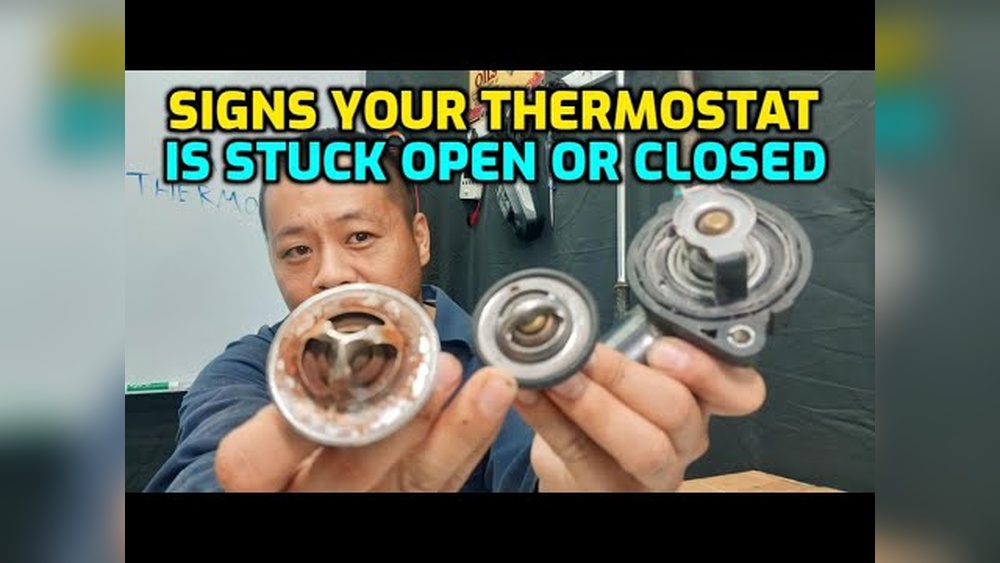
The thermostat controls the flow of coolant to the engine. When the engine is cold, it stays closed to help the engine warm up faster. Once the engine is hot, it opens to let coolant flow, preventing overheating. If the thermostat fails, your Jeep can overheat or run too cold, leading to problems with performance and reliability.
Common Signs Of A Bad Jeep Thermostat
You don’t need special tools to spot most thermostat issues. Here are the top signs:
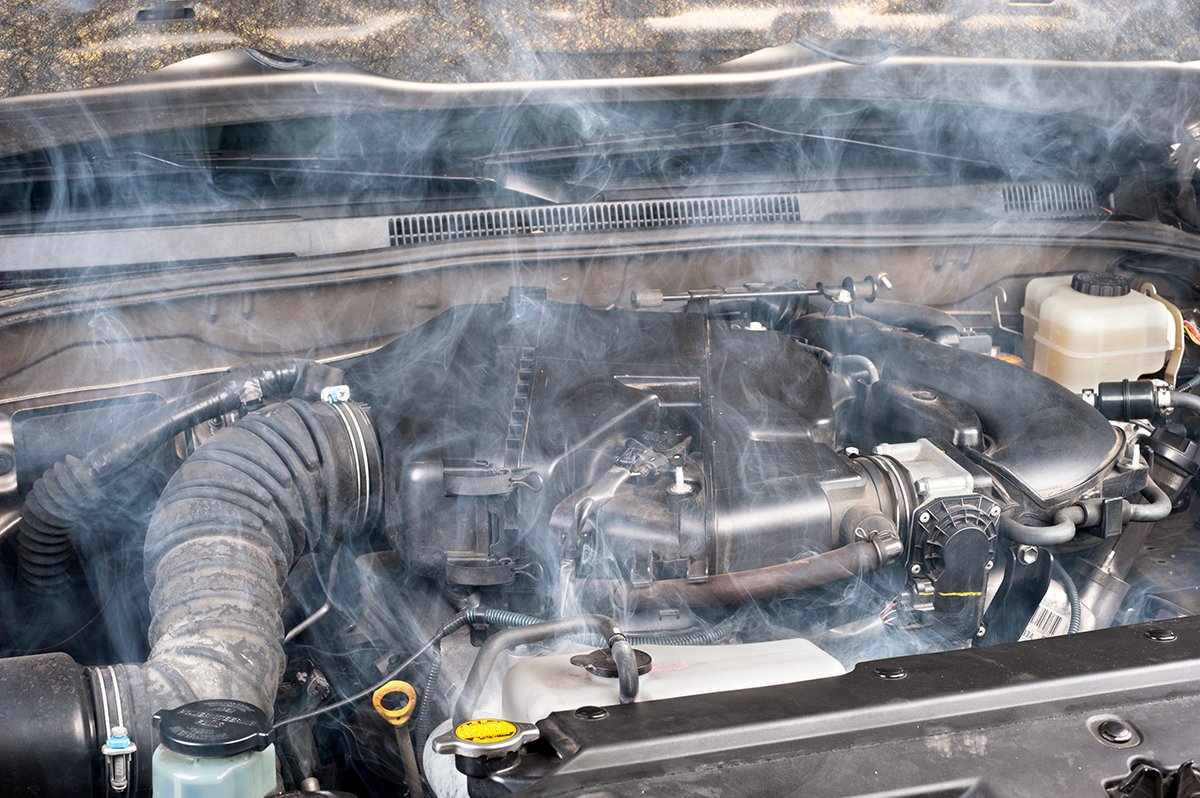
- Engine Overheating: The most obvious sign. If your temperature gauge climbs quickly or sits in the red, the thermostat may be stuck closed.
- Coolant Leaks: A stuck thermostat can cause pressure buildup, forcing coolant out of hoses or the radiator.
- Temperature Fluctuations: If the gauge jumps from cold to hot suddenly, or never settles, the thermostat may be sticking.
- Poor Heater Performance: If the thermostat is stuck open, your heater may blow lukewarm air even when the engine is warm.
- Low Engine Temperature: The gauge stays below normal, even after driving for a while, meaning the thermostat could be stuck open.
Here’s a quick comparison between normal and abnormal temperature readings in Jeeps:
| Condition | Normal Thermostat | Bad Thermostat |
|---|---|---|
| Engine Warm-Up Time | 5-10 min | Too fast / Too slow |
| Temperature Gauge | Mid-range | Low or High |
| Heater Output | Hot air | Cold / Lukewarm air |
How To Test Your Jeep Thermostat
You can check the thermostat at home with a few simple steps. Always let your engine cool before touching anything.
Step-by-step Testing
- Check Temperature Gauge: Start the Jeep and let it idle. Watch the gauge. If it goes too high or stays too low, there’s likely an issue.
- Feel the Radiator Hose: After 5-10 minutes, carefully touch the upper radiator hose. If it’s still cold, the thermostat may be stuck closed. If it’s warm right away, it could be stuck open.
- Observe Coolant Flow: Remove the radiator cap when the engine is cool. Start the engine and watch for coolant flow. If the thermostat is working, coolant should flow only after the engine warms up.
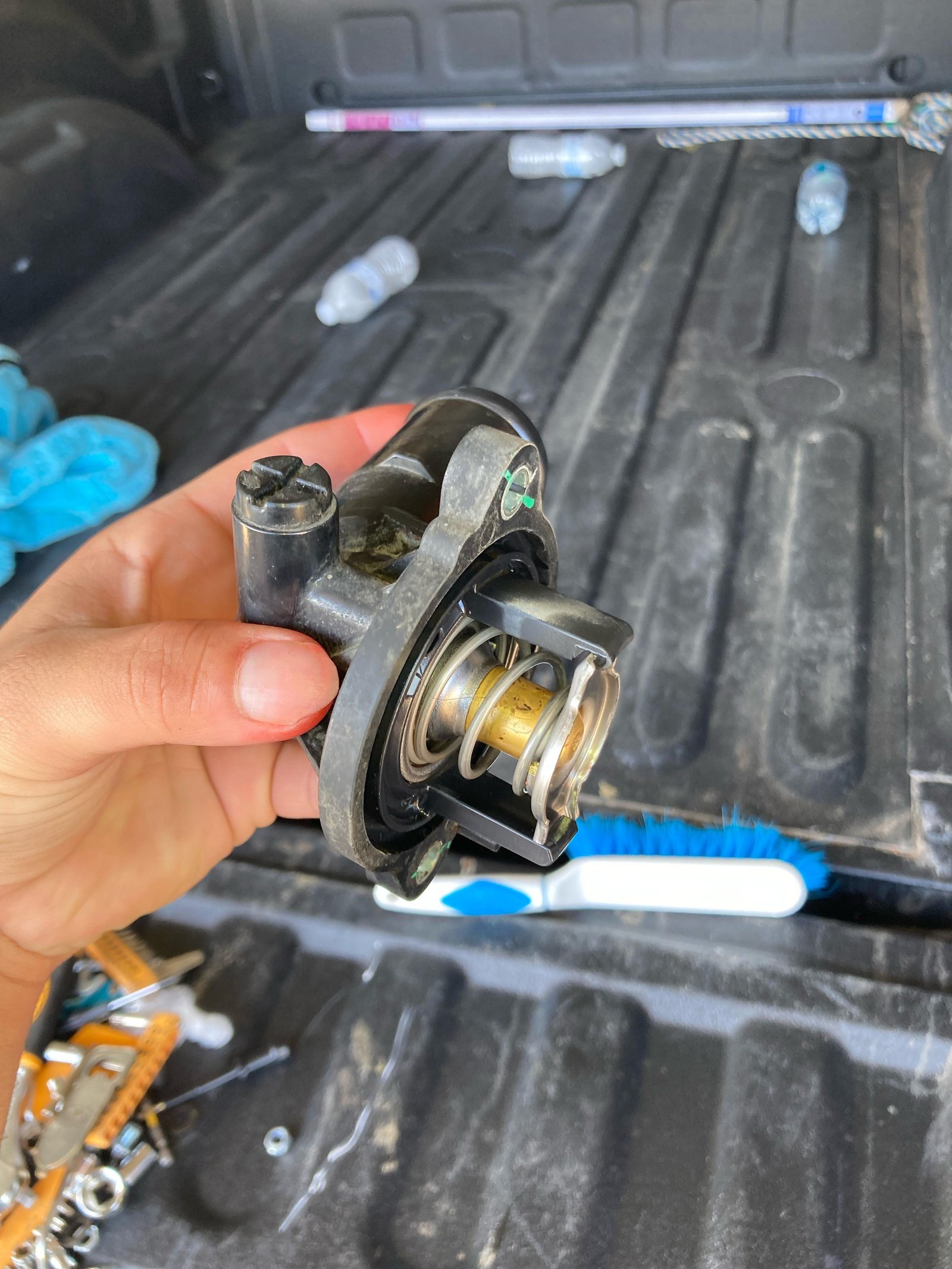
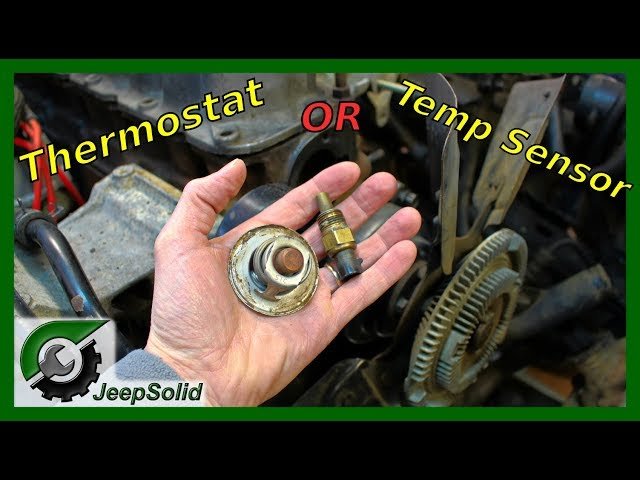
- Thermostat Removal Test: Take out the thermostat and place it in water. Heat the water to the temperature marked on the thermostat (usually 195°F). The thermostat should open at this point. If it stays shut, it’s bad.
| Test | Normal Result | Bad Thermostat Result |
|---|---|---|
| Gauge Reading | Stabilizes at mid-point | Stays high/low |
| Radiator Hose | Warm after 5-10 min | Cold or hot immediately |
| Coolant Flow | Starts after warm-up | No flow or constant flow |
| Water Bath Test | Opens at rated temp | Stays closed/open |
Jeep Thermostat Failure: Causes And Consequences
Thermostats can fail for several reasons:
- Age and Wear: Most thermostats last 5-10 years or 60,000-100,000 miles.
- Poor Coolant Quality: Old or dirty coolant can cause buildup or corrosion.
- Frequent Overheating: Repeated engine overheating stresses the thermostat.
- Mechanical Damage: Dropping or hitting the thermostat during maintenance can break it.
A bad thermostat doesn’t just risk overheating. It can cause engine knocking, poor gas mileage, and even damage the head gasket—a costly repair.
Here’s a quick look at the possible outcomes:
| Failure Type | Short-Term Effect | Long-Term Effect |
|---|---|---|
| Stuck Closed | Overheating | Engine damage |
| Stuck Open | Poor heater, low temp | Poor fuel economy |
| Partial Failure | Fluctuating temp | Unstable performance |
Non-obvious Insights For Jeep Owners
Many beginners miss these points:
- Symptoms may appear only in certain conditions. For example, a stuck-open thermostat might cause low temperatures in winter but not in summer.
- Low coolant levels can mimic thermostat failure. Always check coolant first, because leaks or air pockets can cause similar symptoms.
- Some Jeeps use thermostat housing sensors. If you have a newer model, faulty sensors can make the thermostat seem bad when it’s actually fine.
When To Replace Your Jeep Thermostat
If you see two or more signs listed above, it’s time to consider replacement. Thermostats are usually affordable ($20-$50), and labor costs vary. Replacing early can protect your engine.
Don’t wait for the problem to get worse. Overheating once can lead to expensive repairs. If you’re unsure, have a mechanic check it, or use trusted sources like Wikipedia for more technical details.
Frequently Asked Questions
What Happens If I Drive With A Bad Thermostat?
You risk engine overheating or running too cold. Overheating can cause engine damage, while a cold engine leads to poor fuel economy and weak heater performance.
How Often Should I Replace The Thermostat In My Jeep?
Usually every 60,000–100,000 miles or every 5–10 years. Replace sooner if you notice problems.
Can A Bad Thermostat Cause Coolant Leaks?
Yes. If the thermostat is stuck closed, pressure builds up and may force coolant out of hoses or the radiator.
Is It Safe To Drive Without A Thermostat?
No. Your Jeep will take longer to warm up, run inefficiently, and may suffer from engine wear due to improper temperature control.
How Much Does It Cost To Replace A Jeep Thermostat?
Parts cost $20–$50. Labor can range from $80–$150 depending on your Jeep model and local rates.
Spotting a bad thermostat early is crucial for keeping your Jeep reliable. Always look for clear signs, test carefully, and act before bigger issues develop. Protect your investment and drive with confidence.