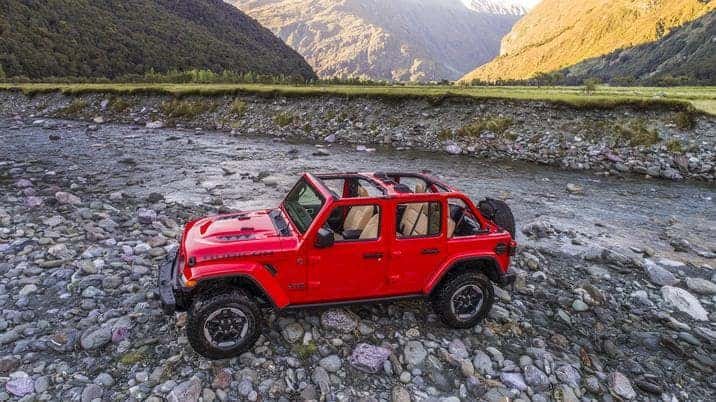
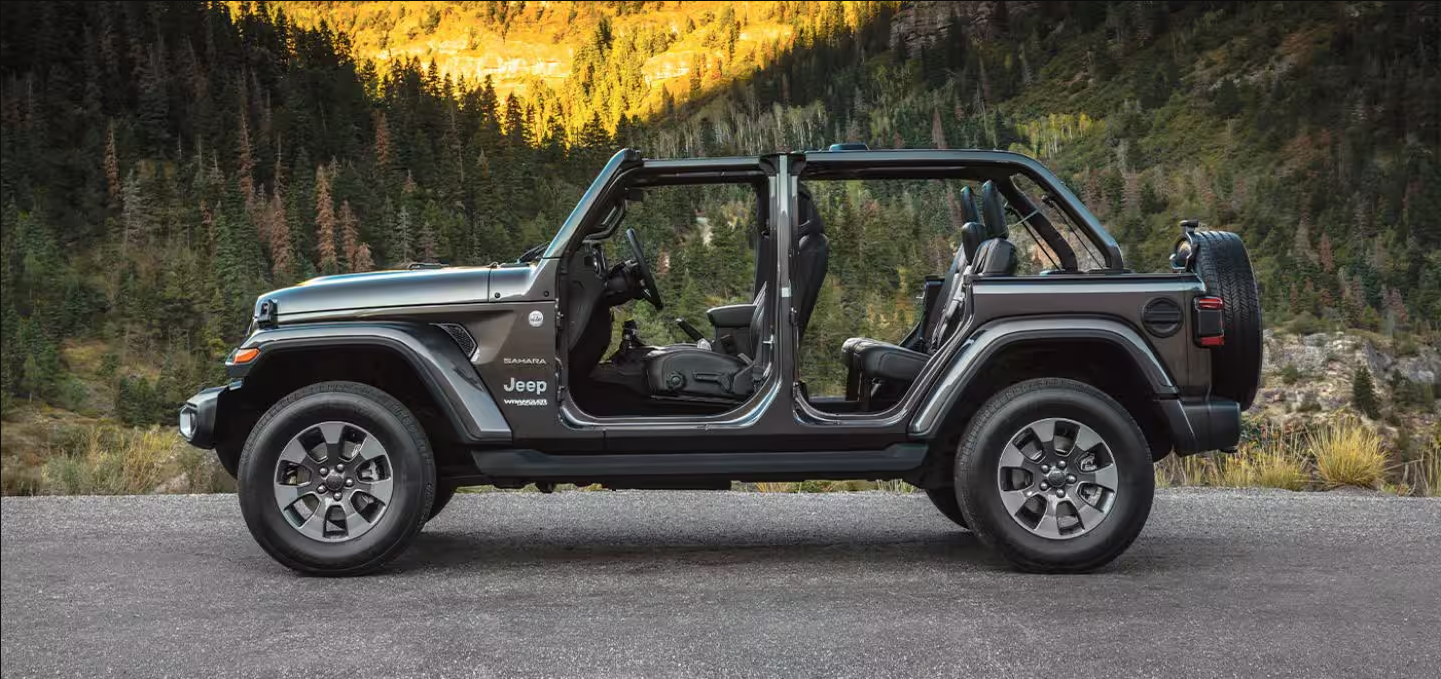
Taking the hardtop off your Jeep is a classic sign of summer adventure. You get open air, sunshine, and a real sense of freedom.
But the process can be tricky if you’ve never done it before. Removing the hardtop the right way protects your Jeep and keeps you safe.
This guide will walk you through every step, including tools, tips, and common mistakes so you can enjoy the ride without stress.
Why Remove The Hardtop?
Jeep owners love the hardtop for its weather protection and security. But when temperatures rise, removing it gives you a fresh experience. You’ll feel more connected to the outdoors, and your Jeep becomes lighter and more fun to drive. Some owners report up to 10% better visibility after removing the hardtop, especially in off-road settings.
What You Need Before You Start
Preparation is key. You’ll need some tools and helpers to make the process easy and safe.
- Torx screwdriver set (usually T40 or T50 size)
- Two people (for lifting off the hardtop)
- Soft blankets or foam pads (to protect the hardtop)
- Storage space (garage or shed)
- Optional: Hardtop hoist (for solo removal)
Many Jeep models come with a toolkit. If not, you’ll find Torx sets at auto stores.
Using a hardtop hoist can reduce the risk of injury, especially if you’re removing the top alone.
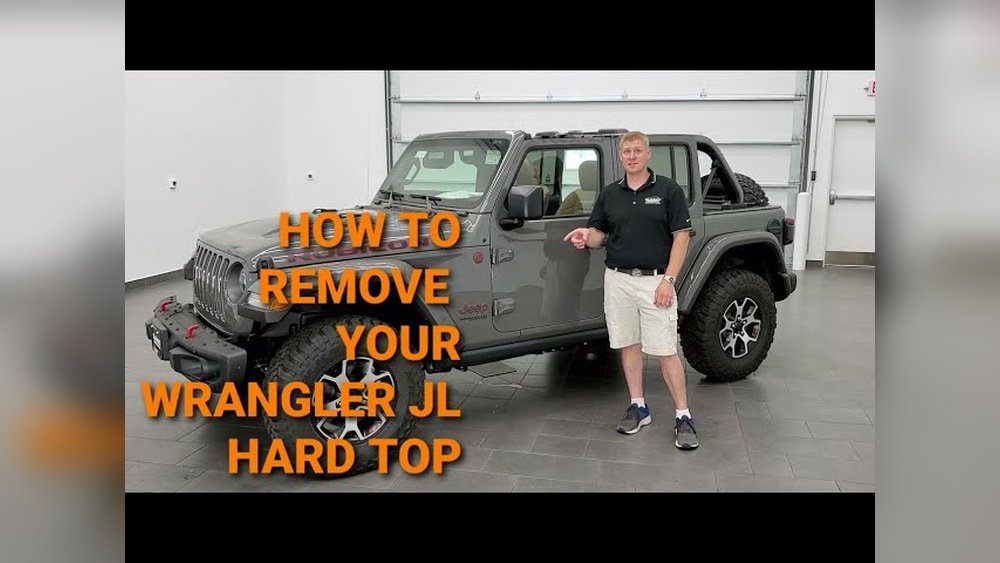
Step-by-step: How To Take The Hardtop Off A Jeep
These steps apply to most Jeep Wranglers and Gladiators. Always check your manual for model-specific details.
Step 1: Remove Interior Panels
Start inside the Jeep. Take off the freedom panels (front roof panels) if your model has them. There will be latches and bolts you need to undo.
- Flip open all latches.
- Unscrew Torx bolts (usually six).
- Lift out panels and store safely.
Step 2: Disconnect Electrical And Washer Connections
If your hardtop has a rear wiper or defroster, unplug these connectors.
- Locate the wiring harness on the driver’s side.
- Gently unplug electrical connectors.
- Disconnect washer tube (twist and pull).
Missing this step is a common mistake forcing the hardtop while still connected can damage wires.
Step 3: Remove Main Hardtop Bolts
Now, move to the back. There are usually six to eight Torx bolts holding the hardtop to the body.
- Open the rear door or trunk.
- Locate bolts near the corners and along the sides.
- Unscrew bolts and keep them in a safe spot.
Some models use different bolt sizes. Check your Jeep’s manual or compare using this table:
| Jeep Model | Torx Size | Number of Bolts |
|---|---|---|
| Wrangler JK | T40 | 8 |
| Wrangler JL | T50 | 6 |
| Gladiator JT | T50 | 6 |
Step 4: Lift Off The Hardtop
With all bolts and connectors removed, it’s time to lift.
- Ask a helper to grab one side.
- Lift gently and move the top away from the Jeep.
- Place the hardtop on soft blankets or foam pads.
The hardtop weighs about 120–150 pounds. Do not try to lift it alone unless you have a hoist.
Step 5: Store The Hardtop Safely
Find a dry, flat spot in your garage or shed. Avoid direct sunlight or moisture.
- Place the hardtop on its side, not on the roof.
- Cover with a dust sheet.
- Keep bolts and connectors in a labeled bag.
Many owners make the mistake of storing the hardtop outdoors, which can lead to fading, leaks, or cracks.
Hardtop Vs. Soft Top: Quick Comparison
Some Jeep owners switch to a soft top after removing the hardtop. Here’s how they compare:
| Feature | Hardtop | Soft Top |
|---|---|---|
| Weather Protection | Excellent | Moderate |
| Security | High | Low |
| Weight | Heavy | Light |
| Removal Time | 30–45 min | 10–15 min |
| Cost | $1,200–$2,000 | $500–$900 |
Switching to a soft top can make your Jeep more flexible for summer drives. But keep your hardtop stored safely for winter or long trips.
Practical Tips & Common Mistakes
Removing the hardtop is not hard, but a few smart moves can make it smoother.
- Always disconnect all cables before lifting.
- Use a hardtop hoist if you’re alone.
- Protect the top with soft materials.
- Store bolts and washers in a labeled bag.
- Don’t rush—forcing anything can cause damage.
One non-obvious insight: Some owners use touch-up paint on bolt holes to prevent rust. Another tip: Mark each bolt’s spot with colored tape, so reinstallation is easier.
Data: Jeep Hardtop Removal Times
Experience matters. Here’s a quick look at average removal times:
| Experience Level | Removal Time |
|---|---|
| Beginner | 45–60 min |
| Intermediate | 30–40 min |
| Expert | 20–30 min |
If you’re new, take your time. Rushing increases the chance of mistakes.
Frequently Asked Questions
How Many People Do I Need To Remove The Hardtop?
You need at least two people to lift the hardtop safely. The top is heavy and awkward. Using a hoist can help if you’re alone.
What Tools Are Required For Hardtop Removal?
A Torx screwdriver set is required, usually T40 or T50. Some models may need additional wrenches. Always check your owner’s manual.
Can I Drive With The Hardtop Partially Removed?
No, it’s unsafe. The hardtop must be fully secured or fully removed.
Driving with loose panels can cause accidents or damage.
Will Removing The Hardtop Affect My Jeep’s Resale Value?
If you follow proper removal and storage steps, your Jeep’s value should not drop. Damaging or losing the hardtop can reduce resale value by $1,000 $2,000.
Where Can I Find Official Instructions?
You can get official removal instructions from Jeep’s website or your owner’s manual. For more guidance, visit Jeep Owners.
Taking the hardtop off your Jeep lets you enjoy the open road in a new way. Follow these steps, use the right tools, and protect your investment.
With a little care, you’ll get the best of both worlds comfort when you need it and freedom when you want it.