Taking off the Jeep JK hard top is a rite of passage for many Jeep owners. It transforms your vehicle, letting in fresh air and sunshine, and gives your ride a classic open look.
But removing the hard top is not as easy as popping open a soda can. If you do it wrong, you might scratch your Jeep, damage the top, or even hurt yourself.
With the right steps and tools, you can get the job done smoothly and safely—even if you’re doing it for the first time.
Why Remove Your Jeep Jk Hard Top?
Many Jeep owners take off the hard top for the summer months. An open-air Jeep is fun to drive, and it’s easier to clean inside. You also save weight, improving fuel economy slightly. Some people switch to a soft top, making their Jeep more versatile. Just remember: the hard top offers the best protection against rain, snow, and theft. If you live in a cold or wet area, plan your removal carefully.
Tools And Preparation
Before you start, gather a few basic tools and materials:
- Torx screwdriver set (mainly T40)
- Ratchet and socket set
- Protective gloves
- Moving blanket or foam pads
- Two helpers (recommended)
- Storage space (for the top)
Check your owner's manual for the exact bolt sizes. Most Jeep JK hard tops use T40 Torx bolts.
Wearing gloves protects your hands and helps grip slippery bolts.
Jeep Jk Hard Top Weight And Dimensions
To give you a sense of what you’re dealing with, here’s a quick look at the typical hard top stats:
| Model Year | Weight (lbs) | Dimensions (inches) |
|---|---|---|
| 2007-2018 | 130-140 | 70 x 44 x 25 |
| 2-Door | ~120 | 68 x 43 x 21 |
| 4-Door | ~140 | 70 x 44 x 25 |
A two-door top is lighter, but both versions are bulky. It’s possible to remove it solo, but two people make it much safer.
Step-by-step Guide To Removing Your Jeep Jk Hard Top
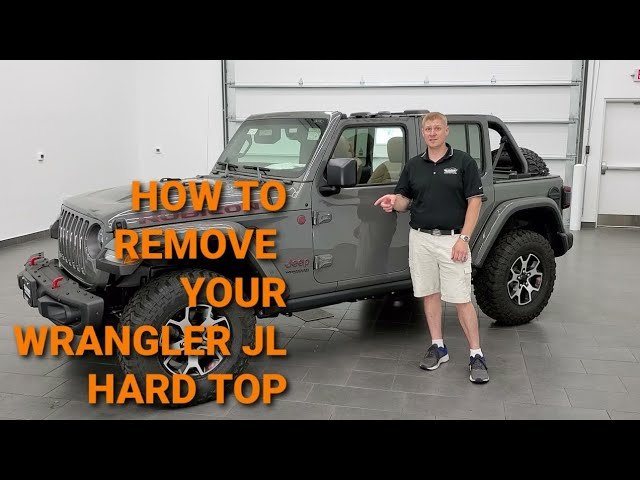
Follow these steps to take off your hard top without trouble:
1. Remove The Freedom Panels
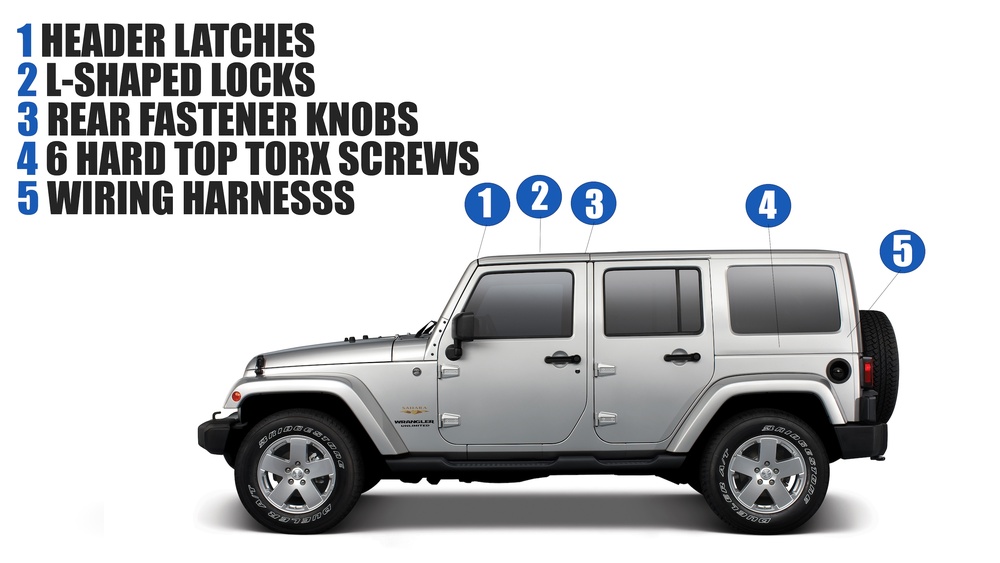
The front section is called the Freedom Panels. Unlatch the panels inside the cabin, then unscrew the bolts with your Torx tool. Lift them off and place them on a soft surface.
2. Disconnect The Wiring And Washer Hose
In the cargo area (usually driver’s side), find the wiring plug and washer hose. Unclip them gently. Don’t yank they can break easily.
3. Unscrew The Hard Top Bolts
There are usually 6-8 bolts holding the hard top. Use your Torx screwdriver or ratchet.
Keep the bolts in a safe place; losing them is a common mistake.
4. Lift The Hard Top Off
With two helpers, grip the edges firmly. Lift straight up, then move the top away from the Jeep.
Avoid tilting it can scratch the paint or damage the seals.
5. Store The Hard Top Properly
Place it on a moving blanket, foam pads, or a dedicated storage rack. If you store it upright, make sure it’s stable and not exposed to direct sunlight.
Common Mistakes To Avoid
- Forgetting to disconnect the wiring harness before lifting.
- Losing bolts or washers.
- Scratching the paint by dragging the top.
- Trying to lift solo—risk of injury or dropping the top.
Safety Tips And Practical Advice
- Always wear protective gloves.
- Don’t rush—take your time to avoid damaging parts.
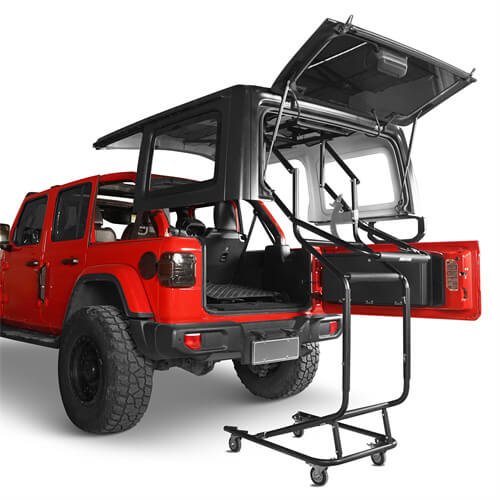
- If you’re alone, consider using a hoist system. Many garages sell pulley kits for this purpose.
- Never store the hard top outside without cover. Sun and rain can damage fiberglass.
Quick Comparison: Hard Top Vs. Soft Top
Here’s how the Jeep JK hard top compares to the soft top in terms of removal and storage:
| Feature | Hard Top | Soft Top |
|---|---|---|
| Removal Time | 20-30 minutes | 10-15 minutes |
| Weight | 120-140 lbs | 45-60 lbs |
| Storage Needs | Large, dry space | Small, can fold |
| Weather Protection | Excellent | Good |
Switching to a soft top is faster, but the hard top is more secure and durable.
Storage And Maintenance Tips
When your hard top is off, store it in a dry, shaded area. Never leave it on bare concrete or grass. Moisture and sun can cause fading and warping. Clean the seals with a gentle rubber conditioner before storage. Some owners use custom hoists or wall mounts to keep the top safe and out of the way.
Example: Garage Hoist System
A garage hoist can make solo removal much easier. Most systems cost around $150 $300 and support up to 200 lbs.
You attach straps to the top, crank the pulley, and lift it straight up. This prevents scratches and saves your back.
Real-world Stats: Jeep Jk Hard Top Removal
According to a survey of Jeep JK owners:
- 67% prefer to remove the hard top with help
- 28% use a hoist system
- Only 5% attempt solo removal without tools
Most owners report that removal takes 20–30 minutes the first time. By the third attempt, it’s often faster.
Frequently Asked Questions
How Many People Are Needed To Remove A Jeep Jk Hard Top?
Ideally, two people are enough. Three is safer, but a solo removal is possible with a hoist. Never try to lift the top alone without equipment—it’s heavy and awkward.
Do I Need Special Tools For Removing The Hard Top?
You need a Torx screwdriver set (mainly T40), a ratchet, and gloves. All tools are affordable and easy to find. Some Jeep models include a toolkit for this purpose.
Can I Drive My Jeep Jk Without The Hard Top?
Yes, you can drive without the hard top. But you lose protection from weather and theft.
Always check local laws some places require seat belts and roll bars for open vehicles.
Where Should I Store The Hard Top After Removal?
Store the top in a dry, cool place, away from sunlight. Many owners use a garage, basement, or dedicated rack. Don’t store it outside, as weather can damage it.
What Is The Risk If I Forget To Disconnect The Wiring Harness?
If you lift the top without disconnecting the wiring harness, you can rip the wires or break the washer hose. This leads to expensive repairs and loss of rear wiper function.
Removing your Jeep JK hard top gives you a new driving experience and makes your Jeep stand out. With the right preparation and help, it’s a safe and rewarding project. For more technical details and official Jeep recommendations, visit Jeep Official Manuals. Enjoy your open-air adventure, and remember to store your hard top carefully for a long-lasting Jeep life.