Switching your Jeep to 4 wheel drive is a skill every Jeep owner should learn. If you enjoy off-road adventures or want more control in bad weather, using 4WD can help. Many people are unsure about the process, especially because Jeeps come with different systems. Whether you drive on mud, snow, or rocky paths, knowing how to switch your Jeep to 4WD correctly is essential for safety and performance.
Understanding how your Jeep’s four-wheel drive works can also protect the vehicle from damage. In this article, you’ll discover the four main items involved in switching a Jeep to 4WD, how to use them step by step, and some helpful tips to avoid mistakes.
Let’s get started with the basics and then walk through each item you need to know.
Know Your Jeep’s 4wd System
Before switching, it’s important to identify which 4WD system your Jeep has. Most modern Jeeps use one of these:
- Part-Time 4WD: You switch between 2WD and 4WD manually.
- Full-Time 4WD: 4WD is always active; you may select different modes.
- Automatic 4WD: The system changes modes by itself depending on conditions.
Check your owner’s manual to confirm your Jeep’s system. Using the wrong method can cause drivetrain damage or increase tire wear.
The 4 Items To Switch Your Jeep To 4 Wheel Drive
Every Jeep driver needs to use these four items when switching to 4WD:
- Transfer Case Lever or Switch
- Transmission Gear Position
- Speed Control
- Indicator Lights
Let’s look at each item in detail.
1. Transfer Case Lever Or Switch
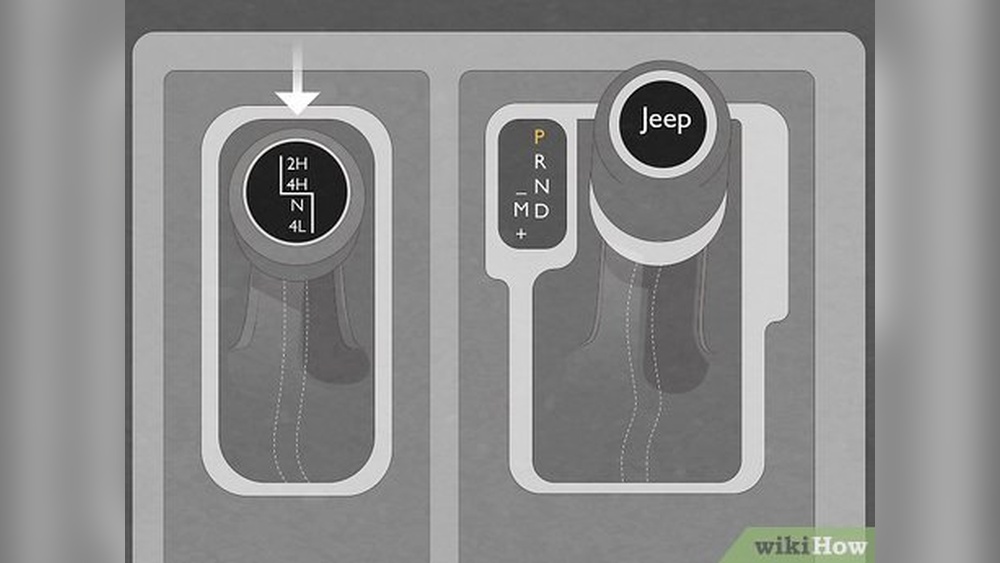
The transfer case is the heart of your Jeep’s 4WD system. It controls power flow to the front and rear wheels. Most Jeeps have a lever or a switch near the gear shifter, labeled with options like 2H (2WD High), 4H (4WD High), and 4L (4WD Low).
- 2H: Normal driving, only rear wheels powered.
- 4H: High-speed 4WD for slippery roads (snow, sand).
- 4L: Low-speed 4WD for tough terrain (mud, rocks).
To switch, move the lever or press the switch according to your needs. For part-time systems, you can shift from 2H to 4H while driving under 55 mph. For 4L, stop the Jeep completely, shift to neutral, then move the lever.
2. Transmission Gear Position
Your transmission gear position is important when switching to 4WD. For most Jeeps:
- To shift to 4H, keep the vehicle in Drive (D) or Neutral (N).
- To shift to 4L, always put the transmission in Neutral (N) before moving the transfer case lever.
This step prevents gear grinding and protects the transfer case. Many beginners forget to shift to neutral for 4L, which can cause loud noises or damage.
3. Speed Control
Knowing the right speed for switching is essential. Shifting into 4H can usually be done at speeds below 55 mph. For 4L, you must be stopped or moving at less than 3 mph.
Here’s a comparison table showing speed limits for switching:
| 4WD Mode | Recommended Speed | Action |
|---|---|---|
| 4H | Below 55 mph | Shift while moving |
| 4L | Below 3 mph | Shift only when stopped |
Going too fast when shifting can cause the system to jam or produce grinding noises. Always slow down before switching.
4. Indicator Lights
Most Jeeps have indicator lights on the dashboard to show which mode is active. These lights confirm if you’ve switched correctly:
- 4WD Light: Shows when 4WD is engaged.
- 4L Light: Confirms low range is active.
- Flashing Light: Means the system is still shifting.
Wait for the light to stop flashing before driving aggressively. If the light doesn’t come on, check if you followed all steps.

Step-by-step: Switching Jeep To 4 Wheel Drive
Here’s a simple guide for most Jeep models:
- Check the Road or Terrain: Only use 4WD on slippery or rough surfaces.
- Select the Right Mode: Decide between 4H and 4L based on your need.
- Adjust Speed: Slow down to recommended speed.
- Set Transmission Position: Stay in Drive for 4H; shift to Neutral for 4L.
- Move Transfer Case Lever or Switch: Shift smoothly.
- Watch Indicator Lights: Wait for steady light before continuing.
- Drive Carefully: Avoid sharp turns or sudden stops.
This process keeps your Jeep running smoothly and prevents damage.
Common Mistakes To Avoid
Many Jeep owners make errors when switching to 4WD. Here are some to watch for:
- Shifting at high speed: Can damage gears.
- Forgetting to use neutral for 4L: Causes grinding.
- Using 4WD on dry pavement: Increases tire wear and stress.
- Ignoring indicator lights: May lead to incomplete engagement.
A non-obvious tip: If you hear loud clunks or grinding after switching, stop and repeat the steps slowly. Also, always switch back to 2WD after leaving rough terrain.
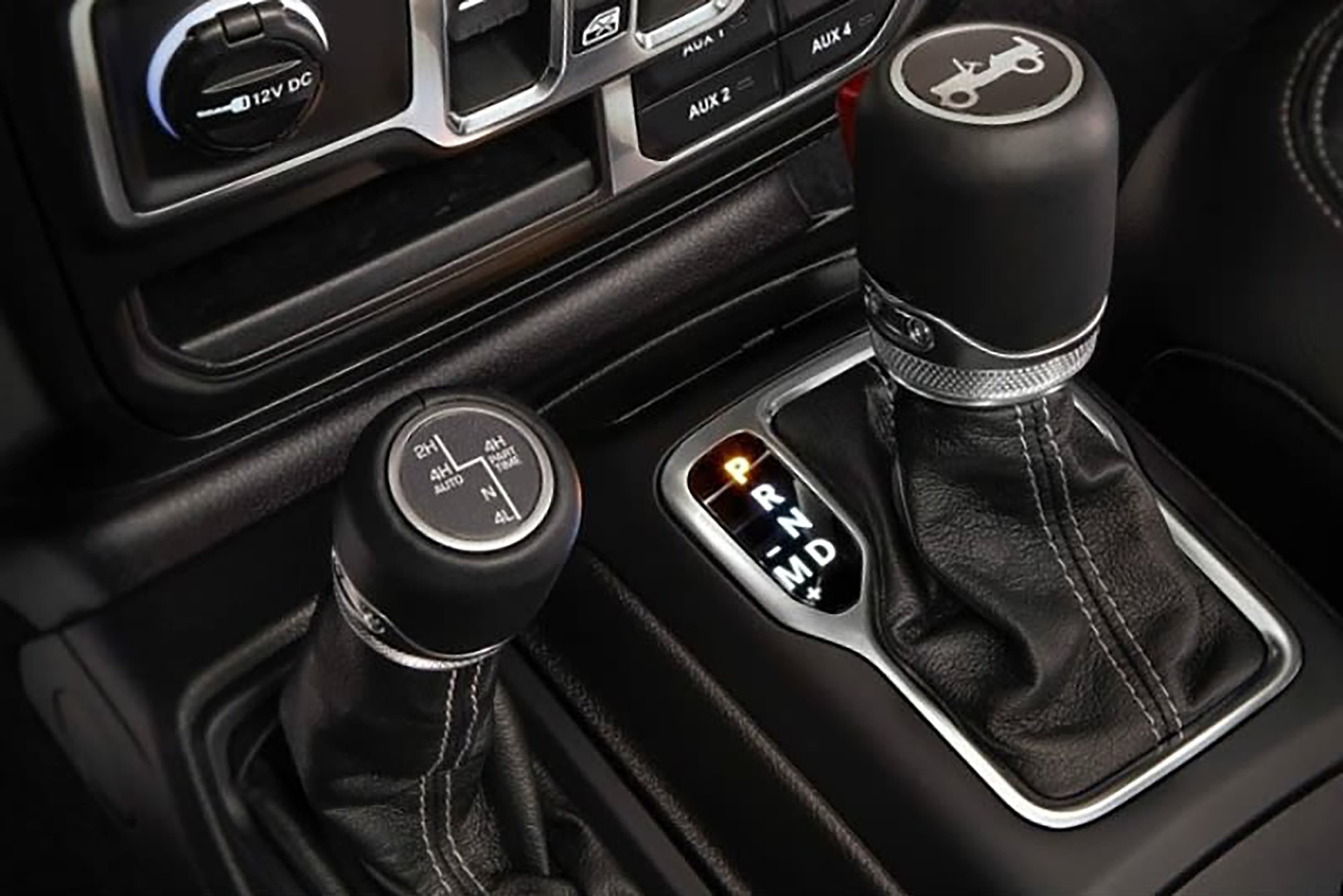
4wd Modes Comparison
Different Jeep models offer various 4WD modes. Here’s a comparison:
| Mode | Purpose | Best Used For |
|---|---|---|
| 2H | Normal driving | Dry pavement |
| 4H | High-speed 4WD | Snow, sand, light mud |
| 4L | Low-speed 4WD | Deep mud, rocks, steep hills |
Choosing the right mode makes off-road driving safer and easier.
Practical Tips And Insights
Two useful insights many beginners miss:
- Practice switching modes in a safe area before facing real conditions. This builds confidence and helps you spot any issues early.
- Check tire pressure and alignment regularly. Using 4WD with uneven tires can cause extra strain on the system.
For more details about Jeep 4WD systems, you can visit Jeep’s official 4×4 page.

Frequently Asked Questions
How Often Should I Use 4wd In My Jeep?
Use 4WD only when needed, such as during off-road driving or on slippery surfaces. Using it too often on dry roads can cause wear.
Can I Switch To 4wd While Driving?
Yes, you can switch to 4H while moving at speeds below 55 mph. For 4L, always stop and shift to neutral first.
What Happens If I Use 4wd On Dry Pavement?
Using 4WD on dry pavement increases tire wear and may damage the drivetrain. Only use it on slippery or uneven surfaces.
Why Does My 4wd Indicator Light Flash?
A flashing indicator light means the system is shifting. Wait until the light is steady before driving aggressively.
Is It Safe To Switch Modes In Winter?
Yes, switching to 4WD in winter is safe and helpful. It improves traction on snow and ice, but always follow the correct steps.
Switching your Jeep to 4 wheel drive is easy once you understand the four items involved. By following these steps and tips, you’ll get the most from your Jeep and avoid costly mistakes. With practice, you’ll feel confident tackling tough roads and off-road challenges.