Removing running boards from your Jeep can change its look and give you more ground clearance for off-roading. Many Jeep owners want to do this themselves to save money or prepare their vehicle for new accessories. While the process is straightforward, a few steps require care to avoid damaging your Jeep.
With the right tools and a little patience, you can remove your running boards in about an hour.
Why Remove Jeep Running Boards?
There are several reasons people decide to take off their Jeep running boards:
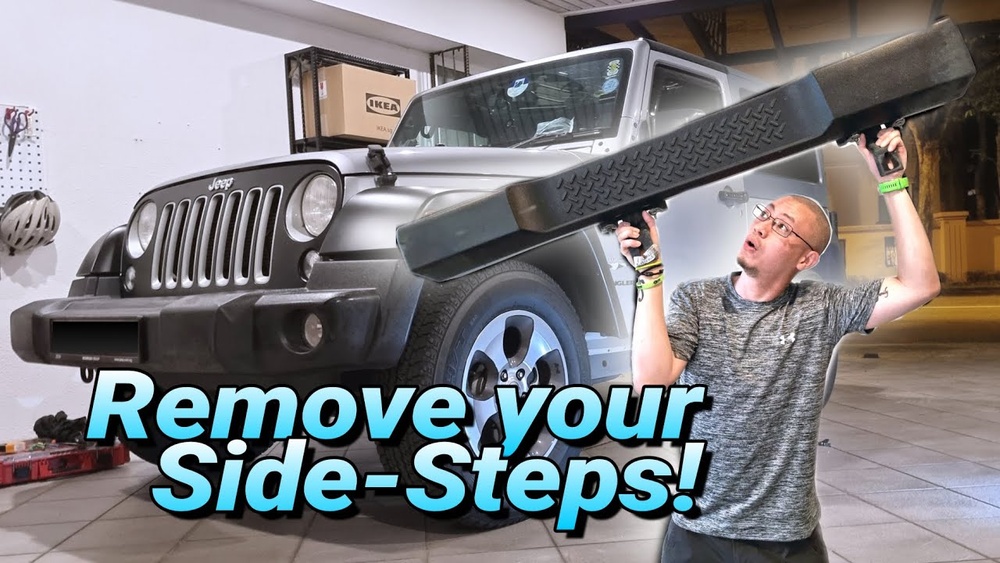
- Increased ground clearance for off-roading.
- A cleaner, more rugged appearance.
- Less risk of rust if the boards are aging or damaged.
- Preparation for aftermarket accessories like rock sliders.
Most running boards are bolted on, not welded, so you don’t need special equipment. However, some Jeeps have factory boards with wiring for lights, so check your model before starting.
Tools And Materials Needed
Gather these tools before you begin:
- Socket wrench set (usually 10mm, 12mm, or 13mm sockets)
- Ratchet extension bar
- Flathead screwdriver or trim removal tool
- Penetrating oil (for rusty bolts)
- Gloves and safety glasses
If your running boards have lights, you’ll also need:
- Electrical tape
- Wire cutters
Using the right tools makes the process smoother and helps prevent stripping bolts.

Step-by-step Guide To Remove Jeep Running Boards
Follow these steps for a safe and efficient removal.
1. Inspect The Running Boards
First, look underneath your Jeep. Most running boards are attached with bolts and brackets along the frame. Check for:
- The number of mounting points (usually three to six)
- Any electrical connections (for illuminated boards)
- Signs of rust or corrosion
If you see heavy rust, spray the bolts with penetrating oil and let it sit for 10-15 minutes. This will make removal much easier.
2. Disconnect Electrical Wiring
If your running boards have lights, locate the wiring harness. Unplug it carefully. If the wires are hard to reach, you might need to cut them and use electrical tape to seal the ends. Always disconnect the vehicle’s battery before cutting any wires to avoid shorts.
3. Remove The Bolts
Start at one end and loosen all mounting bolts with your socket wrench. Most Jeeps use metric bolts, but it’s smart to try different sockets if you’re unsure. Use an extension bar if the bolts are deep or awkwardly placed.
If a bolt is stuck, add more penetrating oil and wait a few minutes. Avoid using too much force, as this can break the bolt or strip the threads.
4. Detach The Running Boards
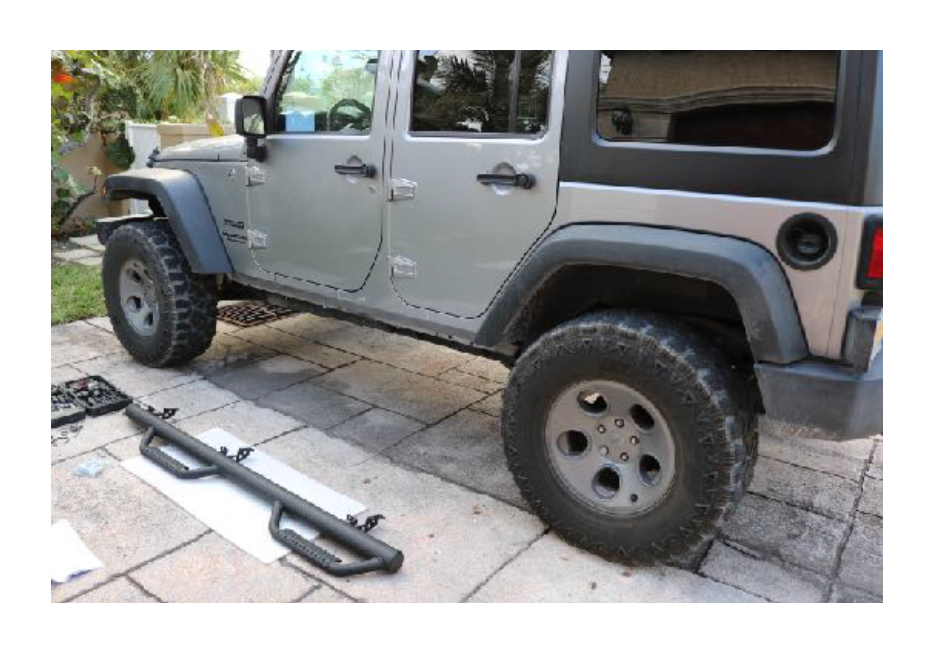
Once all bolts are out, support the board with your hand. Running boards are heavier than they look, especially steel ones. Gently lower the board and set it aside.
Repeat the process on the other side if your Jeep has two boards.
5. Clean The Mounting Area
After removal, you may see dirt or rust where the boards sat. Clean the area with a rag or brush. If you see bare metal, spray it with rust inhibitor or touch-up paint to prevent future rust.
6. Save The Hardware
Keep all bolts, brackets, and hardware in a labeled bag. You may want to reinstall the boards later, or you’ll need the pieces for installing new accessories.
Jeep Models And Running Board Types
There are several types of running boards and different Jeep models. Here’s a quick comparison:
| Jeep Model | Common Running Board Attachment | Special Considerations |
|---|---|---|
| Wrangler JK | Bolt-on brackets | Some have LED lights |
| Wrangler JL | Bolt-on, some welded nuts | Watch for painted bolts |
| Grand Cherokee | Bolts and body clips | Possible wiring for factory lights |
| Gladiator | Bolt-on, heavy-duty | Heavier boards, need two people |
Knowing your Jeep model helps you plan for any extra steps.
Cost And Time Comparison
Understanding the effort and cost can help you decide between DIY and professional removal.
| Option | Average Time Needed | Estimated Cost |
|---|---|---|
| DIY Removal | 1-2 hours | $0-$20 (tools, rust spray) |
| Professional Shop | 30-60 minutes | $50-$100 (labor) |
DIY saves money but requires basic tools and some physical work.
Common Problems And Solutions
Some Jeep owners face issues when removing running boards. Here are a few and how to handle them:
- Rusty or seized bolts: Use more penetrating oil or a breaker bar. If a bolt snaps, you may need a bolt extractor.
- Stripped bolt heads: Try a smaller socket or a bolt extractor socket.
- Hidden wiring: Always check for wires before pulling the board off. Hidden wires can be damaged easily.
- Heavy boards: Ask a friend for help to avoid dropping and damaging the boards or your Jeep.
Tips For A Smooth Removal
- Take photos before you start, so you remember where each bracket and bolt goes.
- Label hardware if you plan to reuse or sell the boards.
- Work on a flat surface and keep tools organized.
- Wear gloves to protect your hands from sharp edges or rust.
- Check local regulations if you plan to drive without boards—some areas have rules for step height.
After Removal: What’s Next?
Once the running boards are off, you can leave your Jeep as it is, or install new accessories. Many people add rock sliders for off-road protection or nerf bars for a different look. If you plan to sell your old running boards, clean them up and take clear photos.
If you see exposed holes in the frame, you can use rubber plugs or plastic caps to keep out water and dirt.

Frequently Asked Questions
How Long Does It Take To Remove Jeep Running Boards?
Most people can remove both running boards in one to two hours. If bolts are rusty or you have wiring, it can take a bit longer.
Do I Need To Lift My Jeep To Remove The Boards?
No, you usually don’t need to lift the Jeep. There is enough space underneath for most people. However, if you have larger hands or a lifted Jeep, extra space can help.
Can I Reuse The Running Boards After Removal?
Yes, as long as you don’t damage the brackets or bolts. Store all parts in a safe place, and they can be reinstalled or sold.
Will Removing Running Boards Affect My Jeep’s Value?
It depends. Some buyers prefer the cleaner look, while others want the convenience of steps. If you plan to sell your Jeep, keep the boards and hardware in case the buyer wants them.
Where Can I Find More Information On Jeep Modifications?
For detailed guides and community advice, check the official Jeep website or join online Jeep forums. These resources offer tips, reviews, and step-by-step videos for your specific model.
Removing Jeep running boards is a simple project that gives you more flexibility and a custom look. Take your time, use the right tools, and enjoy your newly styled Jeep!