Thinking about straight piping your Jeep Grand Cherokee? This project can boost sound, improve exhaust flow, and give your SUV a custom touch.
But straight piping is not just about removing mufflers. It’s a technical job that needs careful planning, the right tools, and an understanding of legal and practical risks.
Whether you want to change your Jeep’s tone or get a bit more performance, this guide covers everything you need to know. Let’s dive in and see how to straight pipe a Jeep Grand Cherokee safely and effectively.
What Is Straight Piping?
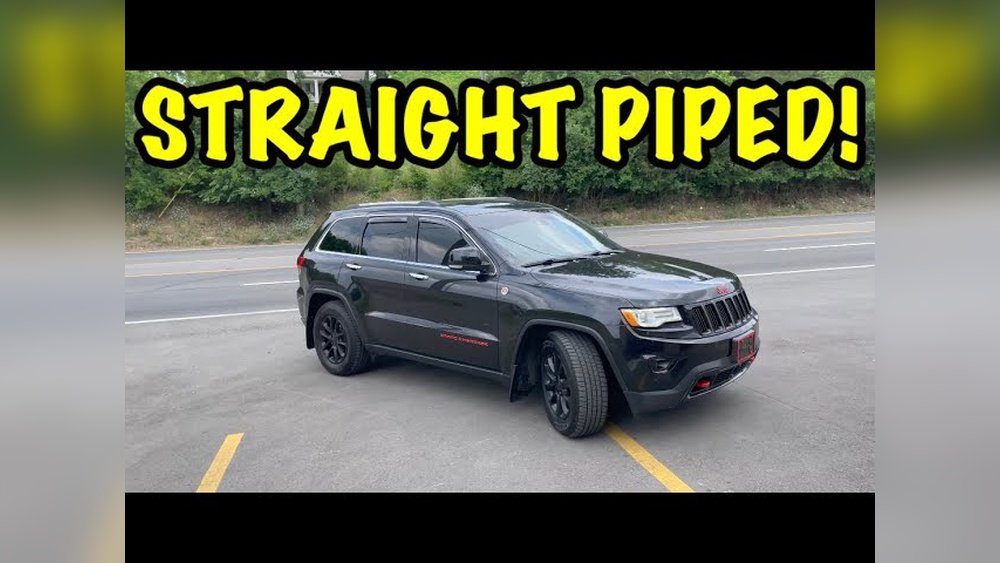
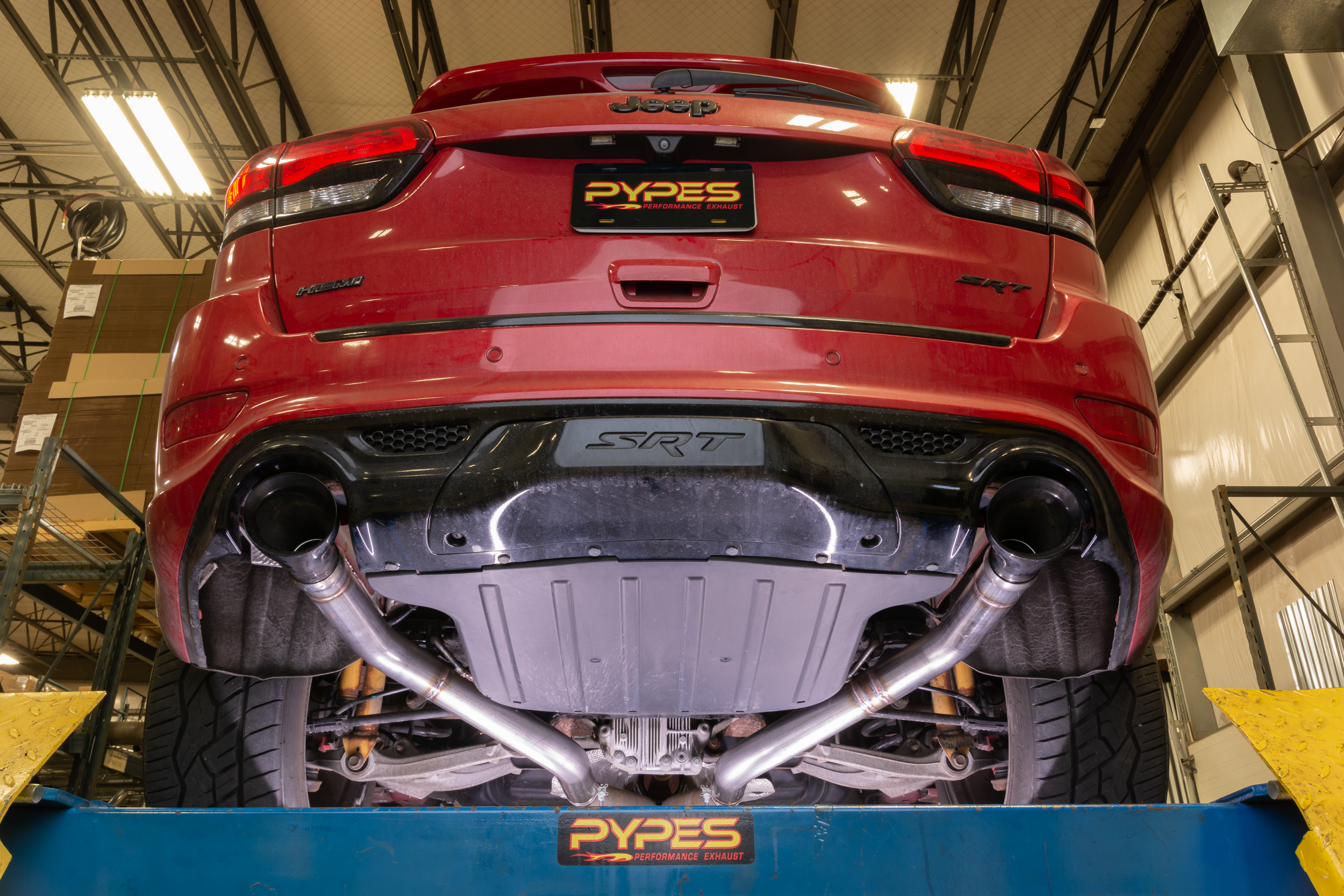
Straight piping means removing the mufflers, resonators, and sometimes the catalytic converters from the exhaust system. The goal is to create a direct path for exhaust gases, reducing restrictions and making the engine louder. For most Jeep Grand Cherokee models, this involves replacing sections of the exhaust with straight pipes. The result is a strong, deep exhaust note and, in some cases, a slight bump in horsepower.
Important: Straight piping can make your vehicle illegal in some states due to noise and emissions rules. Always check local laws before starting.
Tools And Materials Needed
Before beginning, gather the following items:
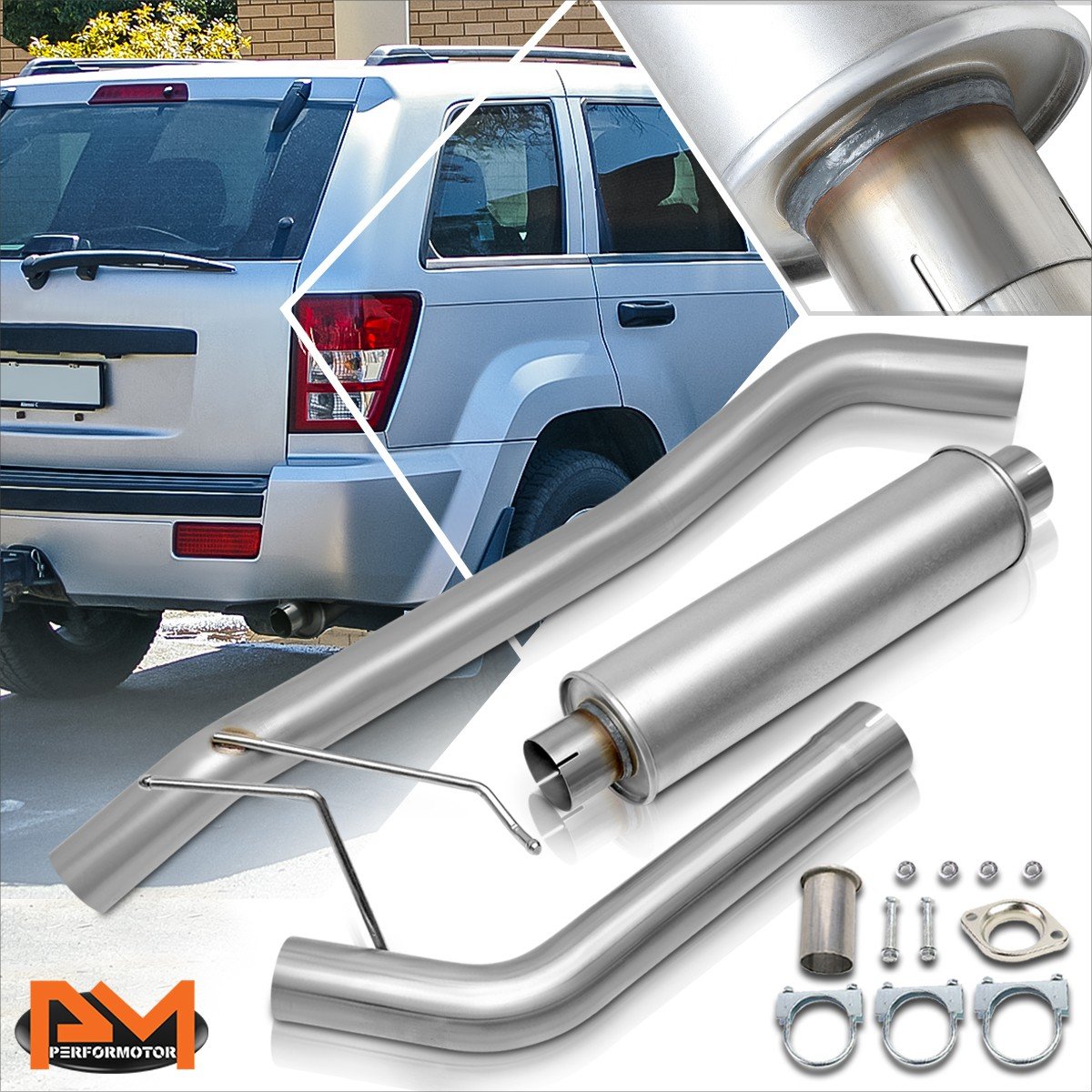
- Straight pipe sections (stainless steel or aluminized steel)
- Pipe cutter or saw
- Wrenches and ratchets
- Exhaust clamps and hangers
- Protective gear (gloves, eye protection)
- Jack and jack stands
- WD-40 or rust penetrant
- Welder (optional, for a more permanent install)
Step-by-step Process
1. Preparation
Start by parking your Jeep Grand Cherokee on a flat surface. Let the exhaust cool completely.
Raise the vehicle with a jack and secure it with jack stands. Always work safely never rely only on the jack.
2. Remove The Existing Exhaust
Locate the exhaust system under your Jeep. Spray bolts and connections with WD-40 to loosen rust. Remove the muffler and resonator by undoing clamps or bolts. If your Jeep has welded joints, use a pipe cutter or saw to cut the pipes.
Some models may have exhaust sensors. Carefully unplug or relocate them. Catalytic converters are usually required by law; do not remove them unless your state allows it.
3. Measure And Fit The Straight Pipes
Measure the length and diameter of the removed sections. Cut your straight pipes to match these measurements.
Most Jeep Grand Cherokee exhausts use 2. 5-inch or 3-inch pipes.
Use this quick comparison to choose pipe material:
| Pipe Material | Durability | Cost |
|---|---|---|
| Stainless Steel | High | Expensive |
| Aluminized Steel | Medium | Moderate |
| Mild Steel | Low | Cheap |
4. Install The Straight Pipes
Slide the new straight pipe into the exhaust system where the muffler and resonator were removed. Secure the pipes with exhaust clamps.
If you want a more permanent fix, weld the pipes in place.
Double-check for leaks and make sure pipes are not touching other parts. Use new hangers if needed for support.
5. Start And Test
Lower your Jeep and start the engine. Listen for exhaust leaks hissing or popping sounds mean there’s a gap. Re-tighten clamps or weld seams if needed.
Check the exhaust tone. Straight piping will make your Jeep much louder.
If you notice rattling or vibration, adjust the pipe placement.
Performance And Sound Changes
Removing restrictions from your Jeep’s exhaust can improve airflow. This may give a small horsepower increase, usually 2–5% depending on engine size. The main change is the sound: a straight-piped Jeep Grand Cherokee produces a deep, aggressive note that turns heads.
Here’s a quick comparison of stock vs straight pipe sound and performance:
| Feature | Stock Exhaust | Straight Pipe |
|---|---|---|
| Noise Level | Moderate | Very Loud |
| Horsepower | Standard | +2–5% |
| Legal Compliance | Legal | Often Illegal |
| Emissions | Controlled | Uncontrolled |
Legal And Practical Considerations
Straight piping is not legal everywhere. Most US states require mufflers and catalytic converters.
Driving with a straight-piped exhaust can lead to fines or failed inspections. It can also affect resale value and insurance.
Here are two insights beginners often miss:
- Check local regulations before straight piping. Some states have strict noise rules and emissions testing.
- Catalytic converter removal is a federal offense in the US unless for off-road use only.
If you want a louder sound legally, consider a performance muffler instead. This keeps your Jeep street legal and avoids trouble.
Common Mistakes To Avoid
- Skipping measurements: Always measure pipe lengths before cutting. Too short or long pipes won’t fit.
- Ignoring exhaust sensors: Some Grand Cherokees have O2 sensors near the muffler. If you remove them, your Jeep may run poorly.
- Not checking for leaks: Exhaust leaks can cause fumes to enter the cabin and reduce performance.

Cost Estimates
Straight piping is cheaper than a full custom exhaust. Expect costs like this:
| Item | Approximate Cost |
|---|---|
| Pipe Sections | $50–$120 |
| Clamps & Hangers | $30–$60 |
| Labor (if hired) | $150–$300 |
| Welder Rental | $40–$80/day |
DIY projects save labor costs, but take extra care with safety and fitment.
Final Thoughts
Straight piping your Jeep Grand Cherokee can make it stand out and sound powerful. But it’s not for everyone—there are legal, safety, and practical issues to consider. Take your time, measure carefully, and always check state laws. For some drivers, a straight pipe is worth the risk. For others, a performance muffler may be the smarter choice. If you want more technical info about exhaust systems, see Wikipedia.
Frequently Asked Questions
Is Straight Piping Legal For My Jeep Grand Cherokee?
Most US states require a muffler and catalytic converter. Straight piping is usually illegal for street use. Check local laws before doing this modification.
Does Straight Piping Improve Performance?
You may see a small horsepower gain (2–5%), but the main benefit is louder sound. Removing too many restrictions can cause engine issues or reduce low-end torque.
How Loud Will My Jeep Be After Straight Piping?
Your Jeep will be much louder often over 90 decibels. This can attract unwanted attention and may be uncomfortable for daily driving.
Can I Straight Pipe And Keep The Catalytic Converter?
Yes, you can keep the catalytic converter and remove only the muffler and resonator. This is a safer choice legally and still gives a louder exhaust note.
What Are The Risks Of Straight Piping?
Risks include failing inspections, getting fined, increased cabin noise, and possible engine problems if sensors are removed. Always plan carefully and stay safe.