Storing the hard top for your Jeep Wrangler can feel tricky, especially if you want to keep it safe and in good condition for years. Many owners remove their hard tops for summer or off-road adventures.
But if you don’t store it correctly, you can end up with scratches, cracks, or even expensive repairs.
If you’re wondering how to store your Jeep Wrangler hard top the right way, you’re in the right place. This guide covers everything you need to know, from tools and space to smart storage solutions that actually work.
Why Proper Hard Top Storage Matters
The Jeep hard top is strong, but it’s not indestructible. Poor storage can cause:
- Scratches or cracks in the fiberglass or paint
- Warping from bad support or uneven surfaces
- Seal damage leading to water leaks later
A well-stored hard top will last longer and keep your Jeep looking sharp. You’ll also save time and money on repairs.
Many first-time owners make the mistake of just leaning it against a wall or letting it sit on the garage floor.
Over time, that’s a recipe for damage.
Preparing Your Hard Top For Storage
Before putting your hard top away, give it some quick care:
- Clean it thoroughly: Wash off dirt, mud, or road salt. Dry it with a microfiber towel.
- Inspect for damage: Look for chips, cracks, or worn seals. Fix small issues before storage.
- Remove all hardware: Take out the bolts and small parts. Put them in a labeled bag so you don’t lose anything.
Many people forget about the hardware. It’s easy to misplace, and missing bolts can slow you down when it’s time to reinstall.
Choosing The Right Storage Location
Where you keep your hard top is just as important as how you store it. The best locations are:
- Indoor spaces like a garage or shed
- Areas away from direct sunlight and moisture
- Clean, flat surfaces with enough room to move around
Avoid places with temperature swings or high humidity. Both can weaken the seals and fade the paint.
If you must store it outside, use a weatherproof cover for extra protection.
Storage Methods Compared
There are a few popular ways to store a Jeep Wrangler hard top. Here’s a quick comparison:
| Method | Cost | Protection Level | Ease of Use |
|---|---|---|---|
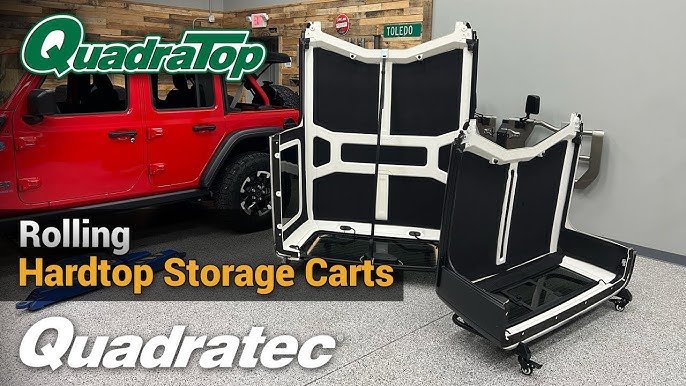
| Floor Stand | Low | Good | Easy |
| Wall Mount | Medium | Very Good | Moderate |
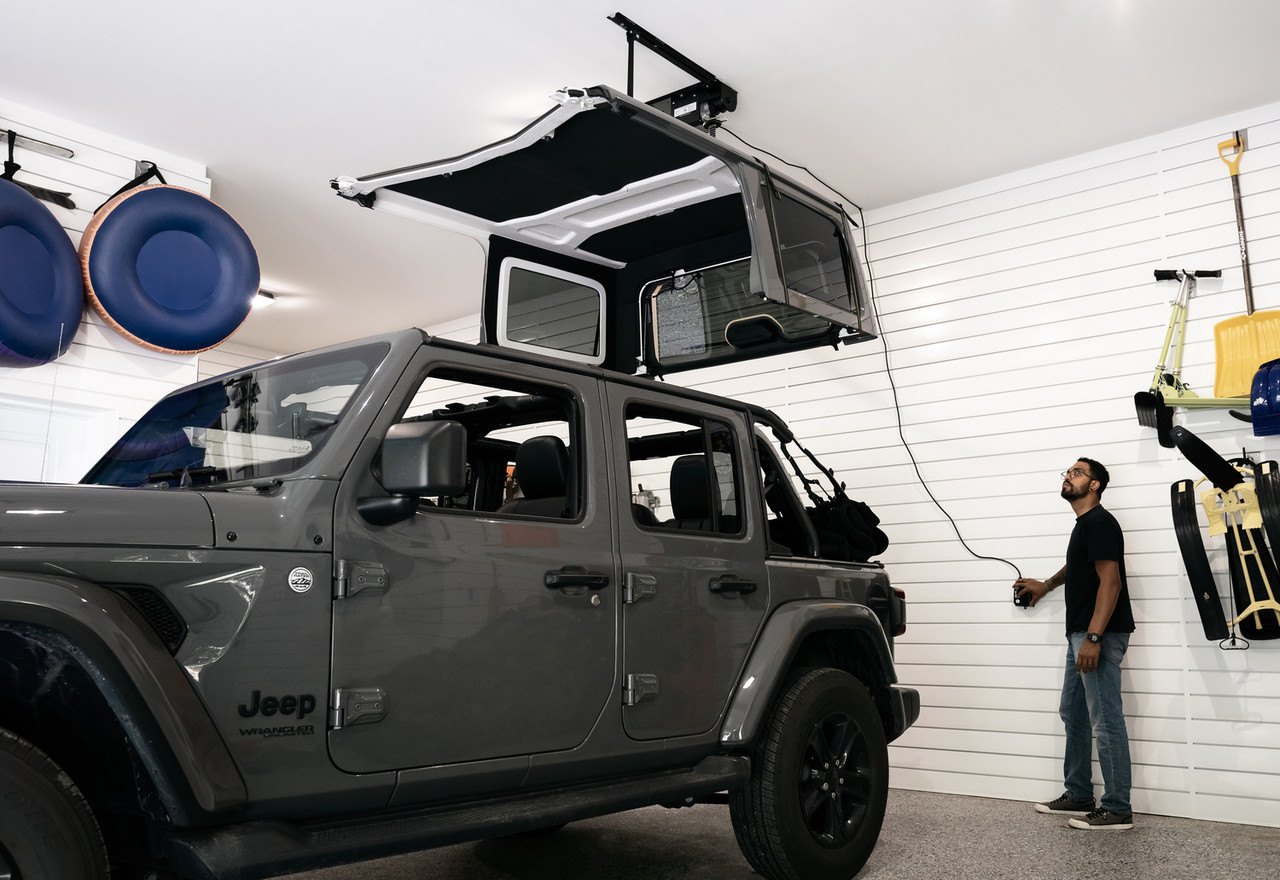
| Ceiling Hoist | High | Excellent | Easy/Medium |
A floor stand is simple and affordable. It keeps the hard top off the ground and supports its weight evenly. Wall mounts save floor space and work well for smaller garages. Ceiling hoists are the most convenient, especially if you want to take the top on and off by yourself.
How To Store Your Jeep Wrangler Hard Top: Step-by-step
Follow these steps for safe, damage-free storage:
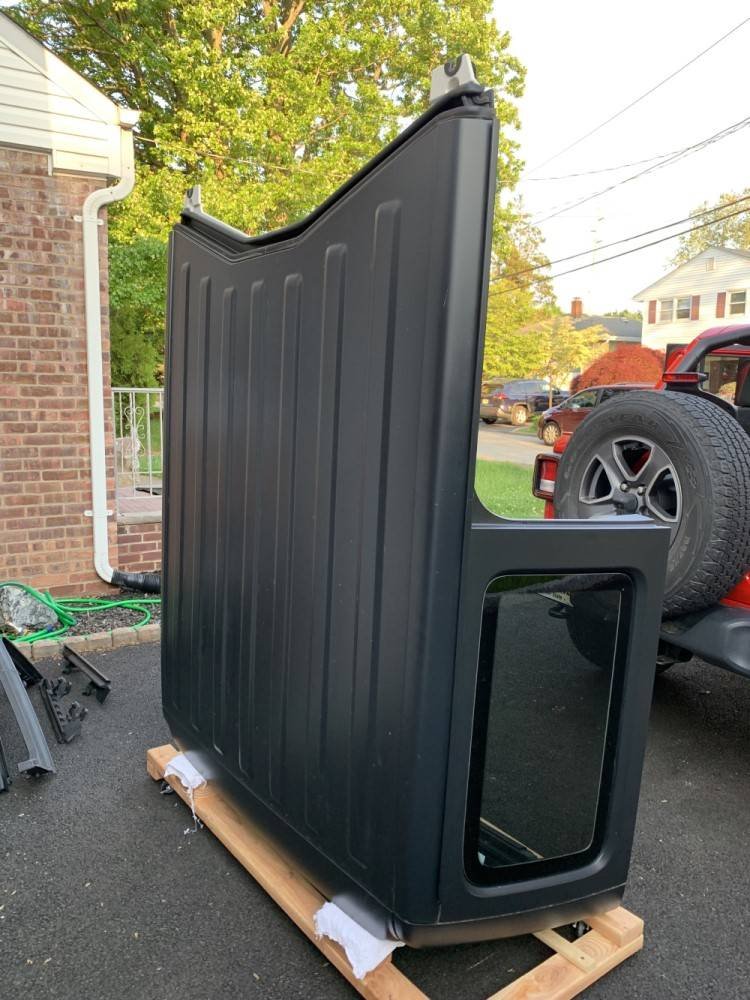
- Lift carefully: The hard top weighs about 100-140 pounds. Get help from a friend or use a hoist.
- Use a padded stand or rack: Lay it on a stand with soft padding. Avoid setting it directly on the ground.
- Position it upright: Keep the window side facing up. This reduces pressure on the seals and glass.
- Cover it: Use a clean, breathable cover. Avoid plastic tarps that trap moisture.
- Keep hardware with the top: Store screws and bolts in a small container attached to the rack or stand.
If you use a wall mount, make sure the wall anchors can handle the weight. For ceiling hoists, double-check that your ceiling joists are strong enough.
Example: Garage Storage Comparison
Here’s a quick look at how three common garage types fit a hard top:
| Garage Type | Best Storage Option | Space Needed |
|---|---|---|
| Single-Car Garage | Ceiling Hoist | Vertical |
| Two-Car Garage | Wall Mount | Side Wall |
| Outdoor Shed | Floor Stand | Corner |
Mistakes To Avoid
Many Jeep owners run into trouble with these common mistakes:
- Placing the hard top on concrete without padding, which scratches the finish
- Storing it outside with no cover, leading to sun and rain damage
- Leaning it against a wall at an angle, causing warping over time
- Losing hardware by not keeping bolts and screws together
A small investment in a stand or hoist saves you big headaches later.
Extra Tips For Longer Storage
If you plan to store your hard top for several months, take these extra steps:
- Lubricate the seals with silicone spray to keep them soft
- Check the top monthly for signs of moisture or pests
- Store it away from bikes or tools that could fall and chip the surface
Another tip: If you notice a musty smell or condensation, open the cover for a few hours to let it air out.
Investing In A Storage Solution
Spending a bit on a proper storage system pays off. You can buy ready-made stands or hoists online, or even build a basic rack yourself for under $100 in materials.
For most people, a ceiling hoist is the best long-term solution.
It keeps the hard top safe, out of the way, and makes it easy to reinstall when the weather changes.
According to the ExtremeTerrain Jeep Hardtop Storage Guide, owners who use a hoist or quality stand report fewer problems and longer top life.
Frequently Asked Questions
How Heavy Is A Jeep Wrangler Hard Top?
The hard top usually weighs between 100 and 140 pounds (45-64 kg), depending on the model and year. Always lift with help or use a hoist to avoid injury.
Can I Store My Hard Top Outside?
It’s possible, but not ideal. If you must store it outside, use a weatherproof cover and keep it off the ground on a padded surface to protect against sun, rain, and temperature changes.
Is It Safe To Hang The Hard Top From The Ceiling?
Yes, but only if you use a proper ceiling hoist designed for heavy loads. Make sure your ceiling joists are strong enough, and follow the manufacturer’s instructions closely.
Do I Need To Remove The Windows Before Storing?
It’s not required, but some owners prefer to remove the rear window glass for extra safety. If you leave the windows in, make sure they’re clean and protected from scratches.
What Is The Best Way To Avoid Losing Hardware?
Keep all bolts, screws, and latches in a clearly labeled bag or small box. Attach it directly to your storage stand or hang it from the hoist rope so it stays with the top.
Storing your Jeep Wrangler hard top the right way saves you time, money, and stress. With a little planning, you’ll enjoy every season and your Jeep will look great for years to come.