Removing the Freedom Panels from your Jeep Wrangler is one of the best ways to enjoy fresh air and sun while driving. These lightweight roof panels are easy to take off, but figuring out how to store them safely can be tricky.
If you don’t store them properly, they can get scratched, cracked, or even warped. The right storage method keeps your panels in perfect shape and ready to reinstall when the weather changes.
Let’s look at how to store Freedom Panels in a Jeep Wrangler, so you avoid costly mistakes and get the most from your open-air driving experience.

Why Proper Storage Matters
Freedom Panels are made from a sturdy composite, but they’re still vulnerable. Scratches, cracks, and distortion can happen if you leave them loose in your trunk or garage. Replacement panels aren’t cheap—often costing hundreds of dollars each. Improper storage can also let the panels rattle around, damaging both the panels and your Jeep’s interior.
Jeep engineers designed the panels for easy removal, but not everyone realizes that storing them incorrectly can lead to issues like:
- Surface scratches that reduce resale value
- Broken latches from bumps
- Water leaks if seals are damaged
- Warping from heat or pressure
A little care goes a long way. The right storage method protects your investment and keeps your Jeep looking sharp.
Methods For Storing Freedom Panels
There are a few common ways to store Freedom Panels, each with its own pros and cons. Here’s a clear comparison:
| Method | Protection Level | Ease of Use | Cost |
|---|---|---|---|
| OEM Storage Bag | High | Easy | Included/Low |
| Aftermarket Hard Case | Very High | Moderate | Moderate–High |
| DIY Padding/Blanket | Medium | Easy | Low |
| Loose in Trunk | Low | Very Easy | None |
1. Using The Oem Freedom Panel Storage Bag
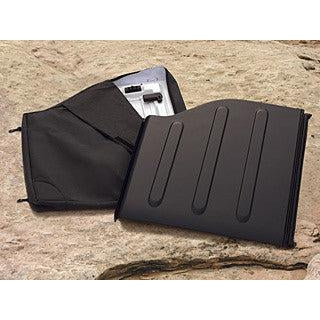
Most recent Jeep Wranglers come with an OEM storage bag designed specifically for the Freedom Panels. This bag is padded, has separate slots for each panel, and straps to secure it in your cargo area.
- How to use: Place each panel in its slot, making sure the soft lining touches the painted side. Zip up the bag and secure it in the rear cargo area with the straps provided.
- Pro tip: Always make sure the bag is secured to anchor points. Unsecured bags can slide during driving, causing damage.
2. Aftermarket Hard Cases
Some Jeep owners prefer hard-shell cases for extra protection. These cases are more rigid and provide better defense against drops or impacts.
- How to use: Insert the panels as directed by the case manufacturer. Lock the case shut, and store it in your garage or cargo area.
- Note: Hard cases are bulkier and usually not included with your Jeep, so you’ll need to buy one separately.
3. Diy Storage: Blankets Or Foam
If you don’t have a bag or case, use thick blankets or foam sheets to wrap each panel.
- How to use: Lay a blanket on a flat surface, put the panel down, then wrap it securely. Repeat with the second panel. Place both on a soft, stable surface in your trunk or garage.
- Warning: Never stack heavy items on top of your panels, even when wrapped.
4. Loose Storage (not Recommended)
Placing panels loose in the trunk is risky. Even small bumps can cause them to slide and get scratched. Only do this if you have no other option, and drive slowly.
In-jeep Storage Vs. Home Storage
Should you keep your panels in the Jeep or leave them at home? Each has benefits and risks.
| Location | Pros | Cons |
|---|---|---|
| Inside Jeep | Easy to reinstall if rain starts Convenient on road trips | Takes up cargo space Risk of theft or damage |
| At Home | Safer from theft No trunk clutter | Can’t reinstall if weather changes |
Most Jeep owners keep panels with them on day trips, but leave them at home for local drives in good weather.
Step-by-step: Storing Freedom Panels Safely
Follow these steps for the best results:
1. Clean The Panels
Wipe off dirt, dust, or moisture. Grit can scratch the finish during storage.
2. Inspect For Damage
Look for cracks or worn seals before storing. Small issues can get worse if ignored.
3. Choose Your Storage Method
Pick the best option for your needs: OEM bag, hard case, or padding.
4. Wrap And Secure
Place panels in the bag/case or wrap them snugly in blankets. Never force them in if they don’t fit.
5. Store Flat And Upright
Always store panels upright or flat—never at an angle. Avoid stacking items on top.
6. Secure In The Vehicle
If storing in the Jeep, use straps to keep the bag or case from sliding.
Non-obvious tip: Heat can warp panels. Don’t leave them in direct sunlight in a closed car for long periods, especially during summer.

Common Mistakes To Avoid
- Storing panels dirty: Dirt causes scratches.
- Stacking heavy gear on panels: This can lead to cracks or bending.
- Forgetting to secure storage bag: Loose bags slide around and damage panels/interior.
- Leaving panels exposed in the garage: Accidental bumps or falling tools can cause chips or dents.
A small investment in proper storage pays off by keeping your panels looking new for years.
When To Consider Replacing The Storage Bag
Even the best OEM storage bags wear out over time. If you notice:
- Torn or thin padding
- Broken straps or zippers
- Mold or mildew
It’s time to upgrade. There are many aftermarket options. For trusted reviews, check sites like ExtremeTerrain.

Frequently Asked Questions
How Do I Secure The Freedom Panel Bag In My Jeep?
Use the factory cargo anchors found in the rear of your Jeep. Attach the bag’s straps tightly to prevent sliding, especially during off-road driving.
Can I Stack Other Items On Top Of My Stored Panels?
No. Never put heavy or sharp objects on top of stored Freedom Panels, even if they’re in a bag or case. This can cause cracks or permanent warping.
Is It Safe To Leave My Panels In The Jeep During Summer?
Heat inside a closed vehicle can soften panel seals and warp the composite. Park in the shade or take the panels inside during extreme heat.
Are There Aftermarket Storage Options Better Than The Oem Bag?
Yes. Some hard cases offer better protection against impacts and weather.
They can be more expensive and bulkier but are ideal for frequent removal.
What Should I Do If My Panels Get Wet Before Storage?
Dry them fully with a microfiber towel before storing. Trapped moisture can lead to mold and damage the panel’s finish.
Storing your Jeep Wrangler Freedom Panels the right way keeps them safe, looking great, and ready for your next adventure. With a bit of care, you’ll enjoy years of open-air driving without worry.