Owning a Jeep Wrangler is all about adventure and freedom. But if you’ve spent time inside one, you know road noise, wind, and engine sounds are much louder than in most vehicles.
This can make conversations, music, and even phone calls difficult. Whether you drive daily or only off-road, learning how to soundproof your Jeep Wrangler can transform your experience.
This guide covers practical steps, materials, and tips to reduce noise without losing the rugged spirit of your Wrangler.
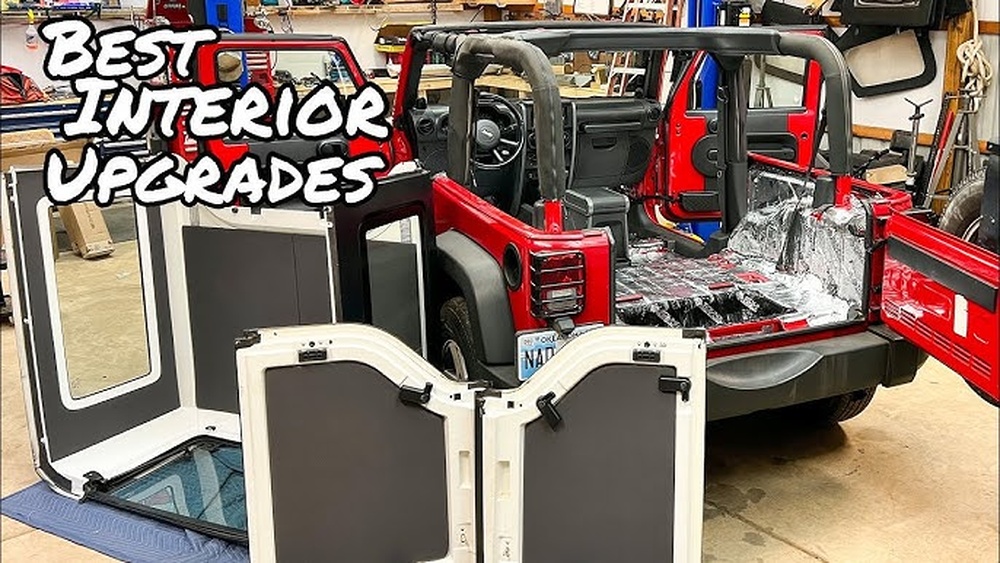
Why Soundproof A Jeep Wrangler?
Wrangler’s design is unique. Its removable roof, thin doors, and minimal insulation make it great for open-air driving. But these features also mean high noise levels. Typical decibel readings inside a stock Wrangler can reach 75–80 dB at highway speeds. For comparison, most sedans stay around 60–65 dB. Excess noise isn’t just annoying; it can cause fatigue and make long drives stressful.
Soundproofing helps:
- Lower interior noise by up to 40%
- Improve audio quality from speakers
- Make phone calls clearer
- Boost comfort for passengers
Many Jeep owners notice that after a few hours on the road, noise can cause headaches or distract from driving. If you commute daily or take long trips, soundproofing reduces this stress and makes driving more enjoyable.
Even short drives feel quieter, letting you focus on the scenery or conversation rather than the constant hum.
Key Areas To Soundproof
You don’t need to cover every surface. Focus on the main noise entry points:
| Area | Noise Source | Estimated Impact |
|---|---|---|
| Floor & Footwells | Tire, road, vibration | High |
| Doors | Wind, outside noise | Medium |
| Roof/Hardtop | Wind, rain | Medium |
| Rear cargo | Exhaust, road | Low |
Some Jeep owners also notice noise from the wheel wells and the transmission tunnel. These areas are often overlooked but can let in vibration and road hum, especially if you drive on gravel or rough surfaces.
Focusing on the floor, doors, and roof first gives the biggest improvement, but adding extra insulation in the cargo area and under the dashboard can further reduce noise.
If you’re sensitive to sound or want the quietest ride possible, don’t ignore these lesser-known spots.
Materials And Tools
Choosing the right products makes a big difference. Here are top options:
- Sound deadening mats: Brands like Dynamat or Noico block vibrations. Mats are installed on metal surfaces.
- Acoustic foam: Fills gaps, especially in roof panels.
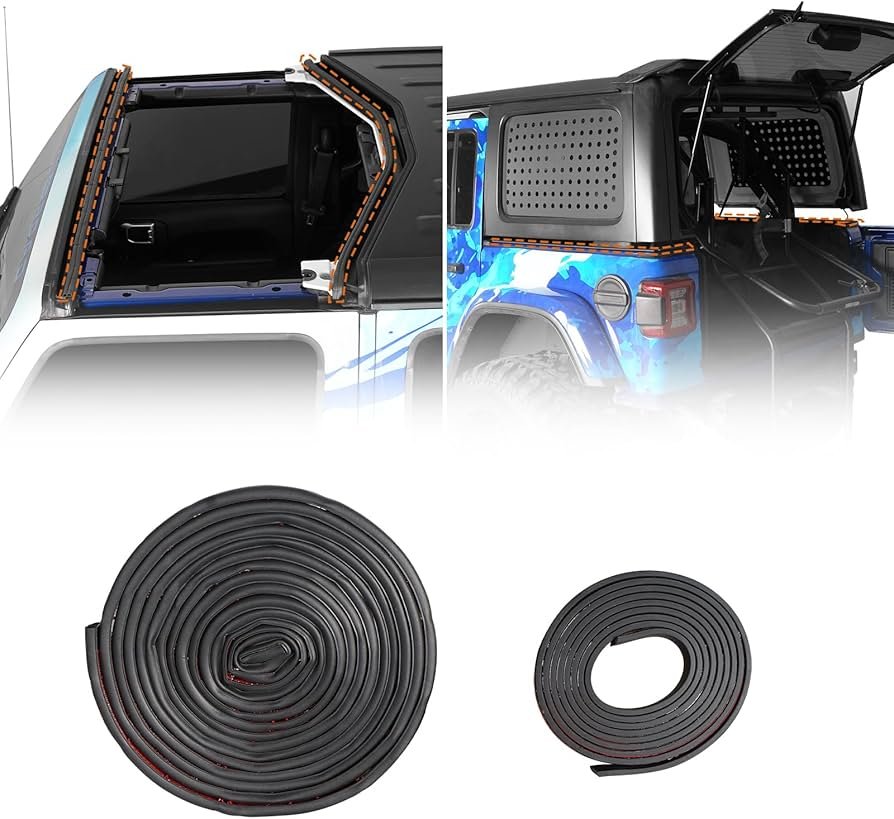
- Weatherstripping: Seals doors and windows to reduce wind whistle.
- Spray-on insulation: Covers hard-to-reach areas, but not as effective as mats.
- Basic tools: Roller, utility knife, measuring tape, gloves.
| Material | Cost (per sq ft) | Effectiveness | Ease of Install |
|---|---|---|---|
| Sound deadening mat | $2–$4 | High | Easy |
| Acoustic foam | $1–$2 | Medium | Medium |
| Spray insulation | $0.50–$1 | Low | Easy |
Sound deadening mats are the most popular option because they stick to metal surfaces and reduce vibration. Acoustic foam is great for filling gaps in roof panels or under seats.
Weatherstripping is often cheap but very effective for wind noise.
If you live in a wet climate, look for water-resistant materials. Using a roller and utility knife makes installation easier and gives a professional finish.
Some owners add a layer of carpet or thick rubber mats on top for extra comfort.
Step-by-step Soundproofing Process
1. Prepare Your Jeep
Remove seats, floor mats, and panels. Clean surfaces. Dirt reduces adhesion.
Spend time vacuuming and wiping all surfaces. Use a mild cleaner to remove oils or dust.
If panels are hard to remove, check online guides or forums many Jeep models have hidden screws or clips. Take photos during disassembly for easier reassembly.
2. Floor And Footwells
Install sound deadening mats on the floor. Cover all metal, including under seats.
Use a roller to press mats firmly. This area blocks most road and tire noise.
Cut mats to fit around bolts and curves. Overlap edges for maximum coverage.
For extra results, add a layer of acoustic foam under the floor mats. Don’t forget the transmission tunnel this spot amplifies vibration and can be noisy, especially in manual Wranglers.
3. Doors
Take off door panels. Place mats inside, focusing on large flat areas. Add weatherstripping around edges if gaps are visible. Many owners miss this step—proper weatherstripping can cut wind noise by 15–20%.
Look for holes or open spaces inside the doors. Foam strips can fill these gaps and stop echoes.
If your speakers are in the doors, soundproofing improves audio clarity. Replace any worn seals for the best result.
4. Roof Or Hardtop
If you have a hardtop, place acoustic foam between roof panels. For soft tops, use foam inserts or upgrade to a thicker top.
Mats can help, but foam works better for echo and rain noise.
Some owners glue foam directly to the roof’s inner surface. For removable tops, use Velcro strips so you can take foam out easily.
If you park outside, choose UV-resistant materials to prevent fading or damage.
5. Rear Cargo Area
Line the floor and wheel wells in the cargo zone. This reduces exhaust and road noise from the back.
If you carry tools or gear, soundproofing here also stops rattling. Heavy-duty mats or thick rubber work well in this area and are easy to clean.
6. Reassemble Interior
Replace panels, seats, and mats. Check all seals. Gaps let noise in.
Listen for squeaks or rattles after reassembly. If you hear new noises, double-check the fitting.
Well-installed soundproofing should not interfere with seat movement or door locks.

Practical Tips And Common Mistakes
- Don’t skip cleaning. Mats won’t stick to dirty surfaces.
- Overlap mats for full coverage. Gaps reduce effectiveness.
- Start with the floor and doors. Roof soundproofing is less effective if bottom areas aren’t covered.
- Don’t block drain holes—Wranglers are designed to drain water.
- Test your Jeep after each section. You’ll notice improvement step by step.
Expert insight: Many beginners forget to soundproof the transmission tunnel (center hump on the floor). It’s a major noise path. Also, check under the dashboard for small openings—foam inserts here can make a big difference.
If you drive in dusty conditions, clean regularly. Soundproofing materials can trap dust, so periodic vacuuming keeps the cabin fresh.
Don’t ignore the tailgate adding a thin mat here blocks road noise and prevents vibrations.
Cost And Time Estimate
Soundproofing a Jeep Wrangler is not expensive but requires patience. Here’s a quick look:
| Area | Material Cost | Time Needed |
|---|---|---|
| Floor & footwells | $100–$150 | 2–3 hours |
| Doors | $60–$100 | 1–2 hours |
| Roof | $50–$100 | 1 hour |
| Rear cargo | $40–$80 | 1 hour |
DIY is common, but pro shops offer full kits and installation for $500 $1,200.
If you’re new to car projects, start with one section at a time. Many Jeep owners do the floor first and notice a big change, then add doors and roof later.
This phased approach spreads cost and effort, and you can decide how much quiet you want.
After Soundproofing: What To Expect
Most Jeep owners report a noticeable drop in cabin noise after soundproofing. Conversations become easier, stereo systems sound clearer, and long drives feel less tiring. While you can’t make a Wrangler as quiet as a luxury car, you can achieve a big improvement.
You may also notice less rattling from gear or panels. Wind noise drops, especially at highway speeds.
Even older Wranglers feel more modern and comfortable. If you have pets or kids, the quieter cabin helps everyone relax.
For more detailed vehicle noise data, visit Wikipedia’s soundproofing page.
Frequently Asked Questions
How Much Noise Reduction Can I Expect?
Most drivers see a 30–40% reduction in cabin noise, especially on highways. The exact results depend on coverage and materials.
Will Soundproofing Affect Off-road Performance?
No. If you avoid blocking drain holes and use water-resistant materials, your Wrangler stays ready for off-road adventures.
Can I Soundproof A Soft-top Wrangler?
Yes, but results are lower than a hardtop. Use foam inserts, thicker soft tops, and mats in key areas for best effect.
Is Professional Installation Worth It?
If you want perfect fit and finish, pro installation can save time. However, most Jeep owners do it themselves with good results.
Will Soundproofing Add Much Weight?
It adds about 15–30 pounds. This is a small increase and won’t impact performance or fuel economy.
Soundproofing your Jeep Wrangler is one of the smartest upgrades for comfort and usability. With the right materials and approach, you’ll enjoy every drive—even in rough conditions—without sacrificing your Jeep’s rugged style. Whether you commute, travel, or hit the trails, a quieter cabin makes every trip more fun and less tiring.