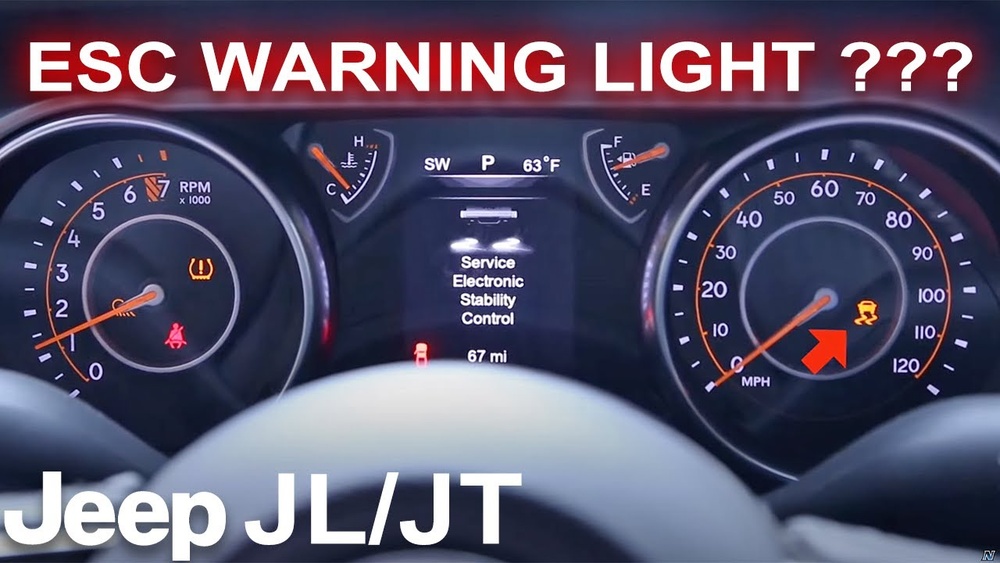
If you’ve seen the “Service Electronic Stability Control” warning light pop up on your Jeep Grand Cherokee’s dashboard, you’re probably wondering what it means and how to fix it. This alert can be frustrating, especially when you rely on your vehicle’s stability control system to keep you safe on the road.
The good news is that this problem often comes from a few common issues you can check yourself, like a faulty wheel speed sensor, a dying battery, or even a loose connection in the transfer case.
In this guide, you’ll learn simple, step-by-step methods to diagnose and fix the ESC warning, so you can get back to driving confidently without unnecessary trips to the mechanic.
Keep reading to discover how to restore your Jeep’s stability system quickly and easily.
Electronic Stability Control Basics
The Electronic Stability Control (ESC) system helps keep your Jeep Grand Cherokee safe. It prevents skidding and loss of control on slippery or sharp turns. ESC works by automatically applying brakes to specific wheels. This action helps the vehicle stay on its intended path.
Understanding the basics of ESC makes it easier to spot problems. Knowing how it works also helps you fix common issues quickly.
the key functions of ESC and signs that it needs attention.
Role In Jeep Grand Cherokee
ESC monitors wheel speed, steering angle, and vehicle rotation. It compares these to detect any loss of traction.
When it senses slipping, ESC applies brakes to one or more wheels. This corrects the vehicle’s direction and prevents accidents.
The system works with other safety features like ABS and traction control. Together, they improve control on wet, icy, or uneven roads.
ESC activates without driver input, working silently in the background.
Common Warning Signs
The most obvious sign is the “Service Electronic Stability Control” warning on the dash. Other signs include strange braking noises or the vehicle feeling unstable.
ESC warning lights that stay on during driving are a red flag.
Sometimes, the system may turn off unexpectedly. You might notice poor traction or the Jeep skidding more easily.
These symptoms suggest a problem with sensors, wiring, or the ESC module itself.
Addressing these warning signs early helps avoid costly repairs. It also keeps your Jeep safe and reliable on the road.

Frequent Causes Of Esc Service Light
The Electronic Stability Control (ESC) service light on a Jeep Grand Cherokee often signals an underlying issue. Understanding the common causes can help you fix the problem quickly.
Most ESC warnings relate to sensor faults, battery problems, or alignment issues. These problems affect the ESC system’s ability to keep your vehicle stable.
Knowing the frequent causes allows you to diagnose and address the ESC service light effectively. Below are the main reasons this warning appears on your dashboard.
Faulty Wheel Speed Sensors
Wheel speed sensors send data to the ESC system. Dirt, damage, or disconnection can cause sensor failure.
When a sensor malfunctions, the ESC system cannot monitor wheel speed correctly. This triggers the ESC service light.
Inspect sensors and wiring for dirt, corrosion, or loose connections. Cleaning or replacing faulty sensors often solves the problem.
Battery Issues
A weak or dying battery may cause ESC warnings. The ESC system relies on stable electrical power.
Low battery voltage can disrupt sensor signals and system functions. Check your battery’s charge and health regularly.
Replace the battery if it cannot hold a charge. This simple step prevents false ESC warnings and system errors.
Transfer Case Connection Problems
The transfer case sends power to the wheels and works with the ESC system. Loose or damaged transfer case wiring can cause communication errors.
This triggers the ESC service light on your Jeep. Inspect the wiring harness for breaks, corrosion, or loose plugs.
Secure or repair connections to restore proper function.
Steering Wheel Misalignment
The ESC system monitors steering wheel position to control stability. Misaligned steering wheels confuse the system’s sensors.
This leads to false ESC alerts on the dashboard. Resetting the steering wheel after alignment or wheel changes fixes this issue.
Turn the wheel fully left and right, then center it to recalibrate the sensors.
Initial Checks And Preparations
Before starting any repairs on the Electronic Stability Control (ESC) system in your Jeep Grand Cherokee, perform some initial checks and preparations. These steps help ensure accurate diagnosis and safe handling.
A proper setup reduces chances of errors during calibration or sensor testing.
Begin by positioning your vehicle correctly and then focus on the steering wheel alignment. This prepares the ESC system for accurate recalibration and sensor readings.
Taking these simple steps first can save time and avoid unnecessary parts replacement.
Park On Level Ground
Place your Jeep Grand Cherokee on a flat, level surface. This prevents false sensor readings that can occur on slopes or uneven terrain.
Engage the parking brake and shift the gear to park. This secures the vehicle and keeps it stable during checks.
Level ground provides the proper reference for the ESC system. It also helps when testing wheel speed sensors or resetting system warnings.
Avoid parking on hills or rough ground to ensure clear diagnostics.
Steering Wheel Calibration Steps
Turn the ignition on but do not start the engine. Turn the steering wheel fully to the left until it stops.
Hold the position for a moment. Then, turn the steering wheel fully to the right until it stops.
After that, center the steering wheel in the straight-ahead position. This step realigns the steering angle sensor, which is critical for the ESC system.
Proper calibration avoids false warnings and improves vehicle stability control.
Completing these initial checks and steering wheel calibration can solve many ESC issues. It also prepares your Jeep for further diagnostics or sensor replacements if needed.

Inspecting Wheel Speed Sensors
Inspecting the wheel speed sensors is key to fixing the Service Electronic Stability Control issue on a Jeep Grand Cherokee. These sensors monitor the speed of each wheel and send signals to the vehicle’s computer.
Faulty or dirty sensors can cause the ESC warning light to appear. Careful inspection helps find problems early and prevents costly repairs.
Start by locating the sensors and their wiring. Then clean them and check for any damage.
Both steps are important for accurate sensor function and safe driving.
Locating Sensors And Wiring
Wheel speed sensors sit near each wheel hub. Look behind the brake rotors or near the axle.
The wiring runs along the suspension arms and connects to the vehicle’s main harness. Use a flashlight to see clearly in tight spaces.
Make sure the wiring is intact and plugs are secure. Loose connections can cause intermittent sensor signals.
Take note of any worn or frayed wires.
Cleaning And Damage Assessment
Dirt and debris can block the sensor from reading wheel speed properly. Use a soft brush or cloth to clean sensor surfaces gently. Avoid harsh chemicals that might damage sensors.
Check sensors for cracks, corrosion, or broken parts. Also, inspect the wiring for cuts or exposed wires.
Replace any damaged components to restore proper ESC function.
Fuse And Relay Inspection
The Electronic Stability Control (ESC) system in your Jeep Grand Cherokee relies heavily on electrical components like fuses and relays. These parts protect the ESC system from power surges and ensure it operates smoothly.
A blown fuse or a faulty relay can trigger the “Service Electronic Stability Control” warning. Inspecting these components is a important step in fixing the ESC issue.
Start by locating the right fuse box and then test the fuses carefully. Using a multimeter helps you find hidden problems that a simple visual check might miss.
This process can save you time and money before seeking professional help.
Finding The Engine Bay Fuse Box
The engine bay fuse box in a Jeep Grand Cherokee is usually near the battery or close to the windshield on the driver’s side. Open the hood and look for a black plastic box with a removable lid.
The lid often has a diagram showing the fuse locations and their functions.
Use this diagram to find the fuses related to the ESC system. These are often labeled as “ESC,” “Stability Control,” or something similar.
Make sure the engine is off before opening the fuse box to avoid any electrical hazards.
Using A Multimeter For Fuse Testing
Simply looking at a fuse might not reveal if it is faulty. A multimeter tests the fuse for electrical continuity.
Set your multimeter to the continuity or resistance mode. Remove the fuse you want to test from the fuse box.
Touch the multimeter probes to both ends of the fuse. If the multimeter beeps or shows zero resistance, the fuse is good.
No beep or a high resistance reading means the fuse is blown and needs replacement. Check all ESC-related fuses this way to rule out any electrical faults.

Transfer Case Module Examination
The Transfer Case Module plays a key role in your Jeep Grand Cherokee’s Electronic Stability Control system. Examining this module helps identify issues causing the “Service Electronic Stability Control” warning.
This step is vital for diagnosing problems related to the transfer case and its connection to the ESC system.
Start by inspecting the module itself and then move on to checking the wiring harness connections. Both steps are simple yet important for restoring proper ESC function.
Locating The Module
The Transfer Case Module is usually found under the driver’s seat. Slide the seat forward to get better access.
The module is a small box with electrical connectors attached. Knowing its exact location makes inspection easier and faster.
Checking Wiring Harness Connections
Next, check the wiring harness connected to the module. Look for loose or damaged wires.
Tighten any loose connections you find. Damaged wires should be repaired or replaced.
Secure and clean connections ensure the module communicates properly with the ESC system.
Resetting The Esc System
Resetting the Electronic Stability Control (ESC) system on your Jeep Grand Cherokee can clear error messages and restore proper function. This process often solves issues caused by sensor misalignment or temporary glitches.
Resetting the ESC system is a simple task you can do at home with basic tools.
Resetting helps the system recalibrate and recognize correct sensor data. It also clears stored error codes that trigger warning lights on the dashboard.
Follow these easy methods to reset your ESC system and improve your vehicle’s stability control.
Battery Disconnect Method
Start by turning off your Jeep and removing the key from the ignition. Open the hood and locate the battery.
Use a wrench to disconnect the negative battery terminal. Leave it disconnected for about 15 minutes to allow the vehicle’s electronics to reset.
After the wait, reconnect the negative terminal securely. Close the hood and start the engine.
Drive the Jeep on a flat surface to let the ESC system recalibrate. This method resets the system and may turn off the ESC warning light.
Steering Angle Sensor Calibration
Park your Jeep on a level surface and switch the ignition to the ON position without starting the engine. Turn the steering wheel fully to the left until it stops.
Then, turn it fully to the right. Finally, return the wheel to the center position, pointing straight ahead.
This simple steering movement helps recalibrate the steering angle sensor. The sensor is critical for the ESC system to detect wheel position and direction.
After calibration, start the engine and check if the ESC warning has cleared. Repeat if necessary for proper sensor alignment.
Additional Diagnostic Tips
Additional diagnostic steps can help pinpoint the root cause of the Electronic Stability Control (ESC) warning on your Jeep Grand Cherokee. These checks go beyond the basic sensor and fuse inspections.
They allow you to identify less obvious problems that might affect the ESC system’s performance.
These tips involve examining the throttle valve actuator and looking for any signs of off-road or impact damage. Both can influence the ESC system’s behavior.
Careful observation and testing in these areas can save you time and repair costs.
Throttle Valve Actuator Check
The throttle valve actuator controls airflow to the engine. A malfunction here can trigger the ESC warning.
Start by listening for unusual noises near the throttle body. Next, visually inspect the actuator for dirt or damage.
Use an OBD-II scanner to read any error codes linked to the throttle system. Codes related to throttle position or actuator control indicate a problem. Cleaning or replacing the throttle valve actuator may resolve the ESC issue.
Addressing Off-road Or Impact Damage
Jeep Grand Cherokees often face rough terrain. Off-road driving or impacts can damage sensors and wiring linked to the ESC system.
Check under the vehicle and around wheel wells for scrapes or broken parts.
Look closely at sensor connectors and wiring harnesses for signs of wear or disconnection. Repair or replace any damaged components.
Even small dents or loose bolts near stability control sensors can cause error messages.
When To Seek Professional Help
Knowing when to seek professional help is important for fixing the “Service Electronic Stability Control” issue on your Jeep Grand Cherokee. Some problems require expert knowledge and tools for a proper diagnosis and repair.
Attempting complex repairs without experience may lead to further damage or unsafe driving conditions.
Recognizing signs that need a mechanic’s attention helps keep your Jeep safe and reliable. Below are key situations where professional intervention is advised.
Persistent Warning Lights
If the Electronic Stability Control warning light stays on after basic checks, consult a professional. Persistent lights can signal deeper problems beyond simple resets or sensor cleaning.
Mechanics use advanced diagnostic tools to read error codes and identify the exact cause. Ignoring constant warnings may risk your safety and vehicle performance.
Complex Electrical Issues
ESC systems involve many electrical components and sensors. Problems in wiring, modules, or connections often need expert repair.
Faulty electrical parts can cause erratic system behavior or failures. Professionals have the skills to test circuits and replace damaged parts safely.
DIY fixes on complex electrical issues may worsen the problem or void warranties.
Conclusion
Fixing the Electronic Stability Control on your Jeep Grand Cherokee is manageable. Start with simple checks like the wheel speed sensors and fuses.
Keep your battery charged and wiring secure. Resetting the system after repairs often clears the warning.
Regular maintenance helps prevent future ESC issues.
Stay calm, follow clear steps, and drive safely again.