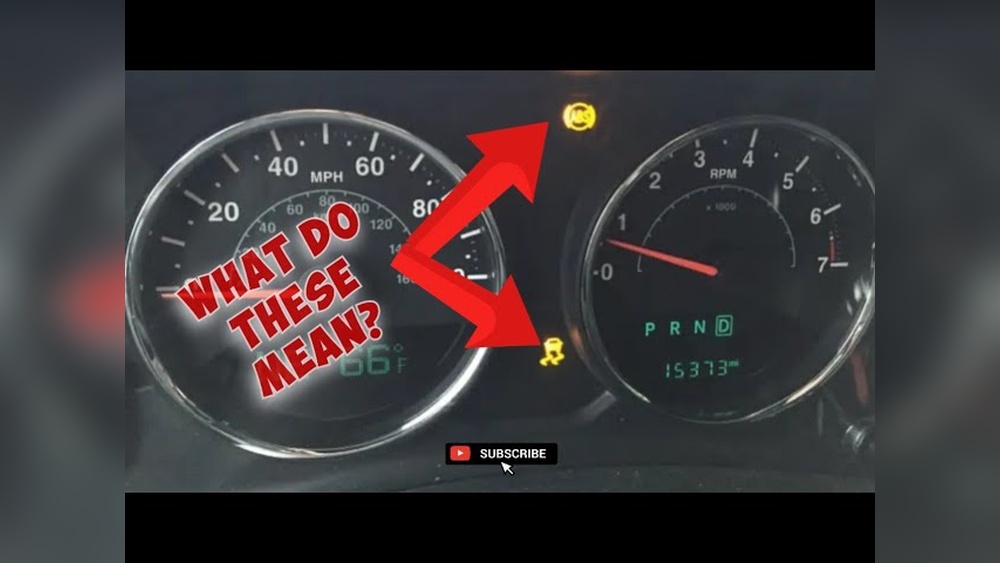
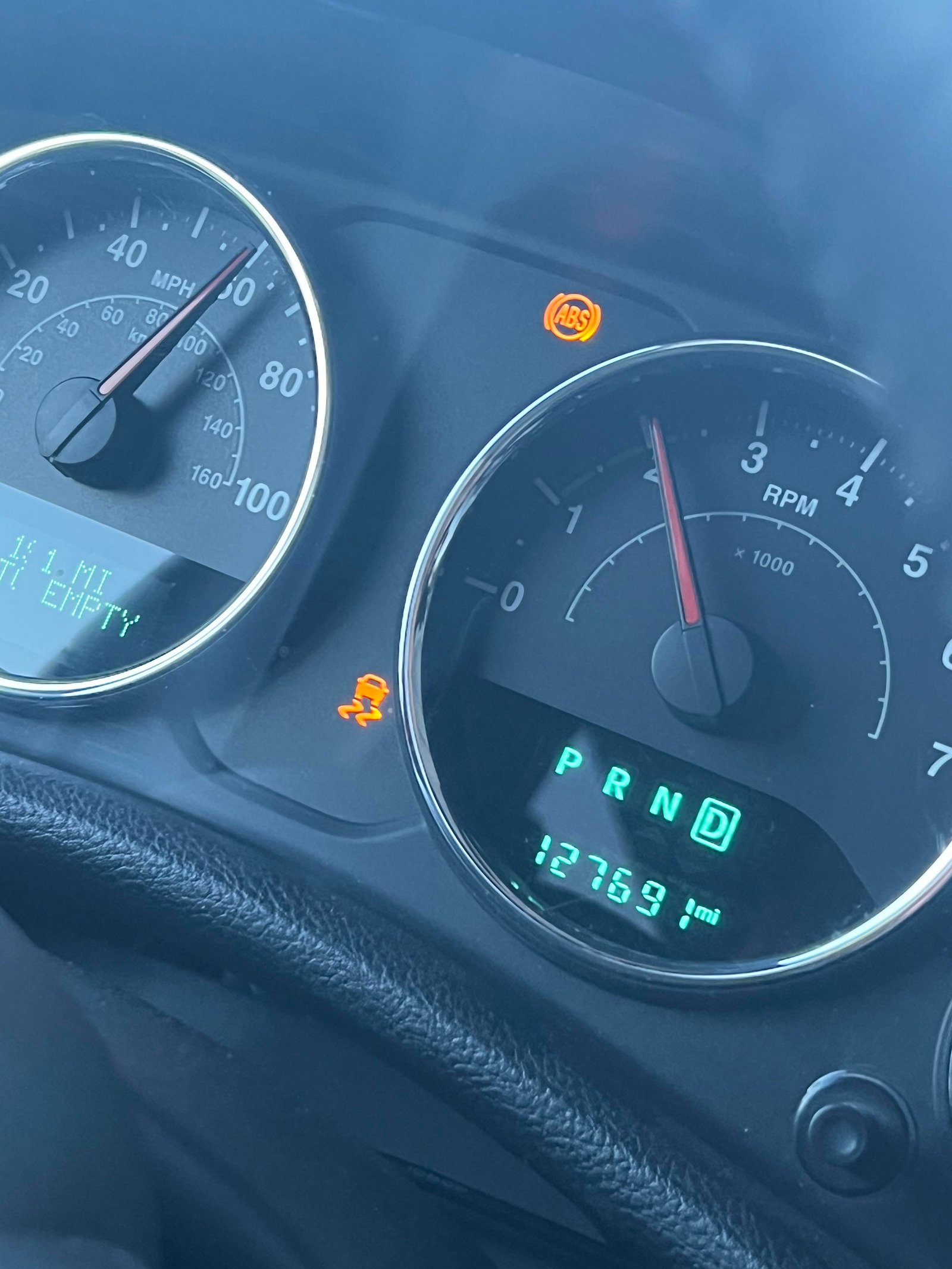
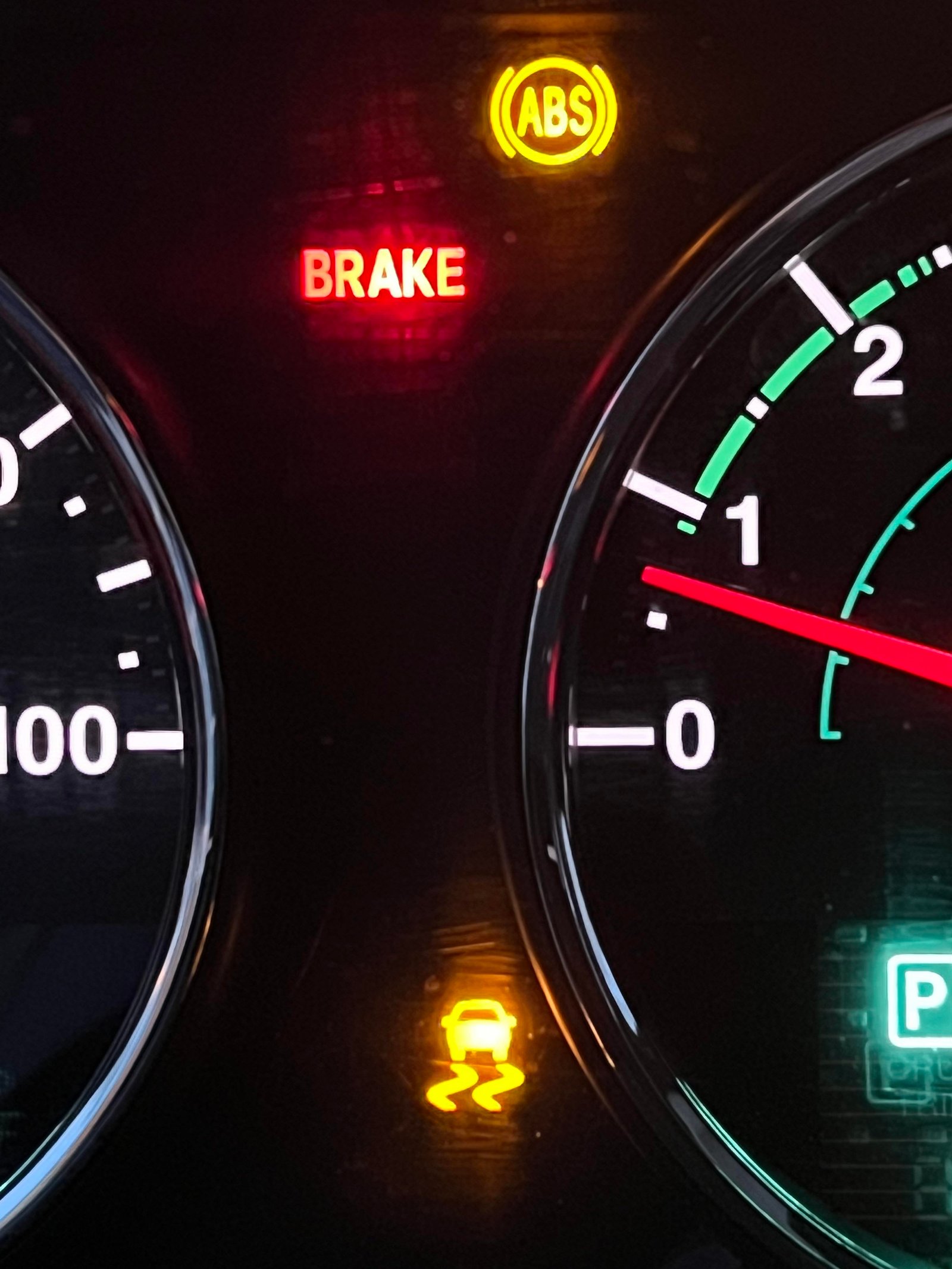
If you’ve noticed the ABS and traction control lights glowing on your Jeep JK’s dashboard, you’re probably wondering what’s going on and if it’s safe to keep driving.
These warning lights don’t just appear for no reason—they’re your Jeep’s way of telling you something needs attention.
Ignoring them could mean losing key safety features that help you stop quickly and maintain control, especially when the road gets tricky. But don’t panic.
Many Jeep JK owners face this issue, and in most cases, the fix is simpler and less expensive than you might think.
You’ll discover the common causes behind those warning lights, how to diagnose the problem, and practical steps to get your Jeep back to full safety and performance.
Keep reading you’ll learn what to look for and how to avoid costly repairs, so you can hit the road with confidence again.
Causes Of Abs And Traction Control Lights
The ABS and traction control lights on a Jeep JK come on to warn drivers of possible problems. These warning lights mean the vehicle’s safety systems may not work correctly.
Understanding the common causes can help fix the issue quickly. Many factors can trigger these warning lights.
Some are simple to repair, while others might need professional help.
Faulty Wheel Speed Sensors
Wheel speed sensors tell the system how fast each wheel spins. Dirt, mud, or corrosion can block the sensor from working.
Sometimes wires get cut or damaged. This stops the sensor from sending correct signals.
The ABS and traction control lights will turn on. Checking and cleaning the sensors often solves the problem.
Replacing a broken sensor is usually cheap and easy.
Leaking Rear Axle Seals
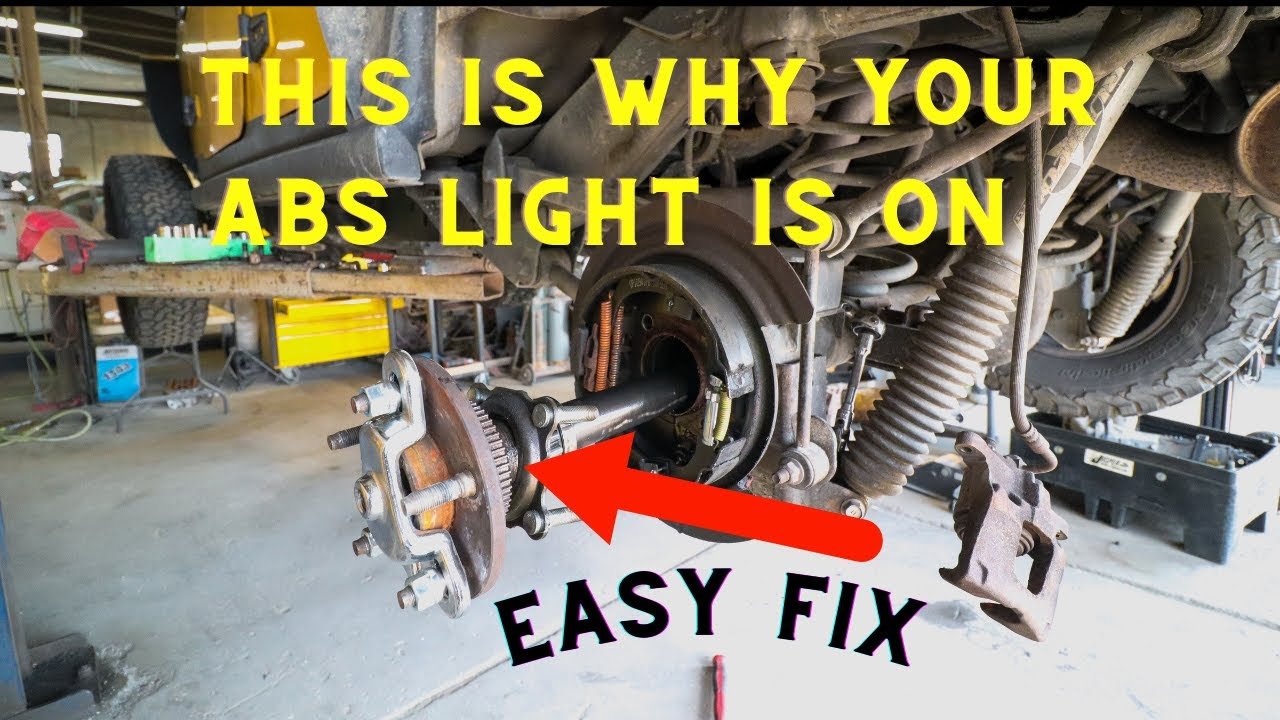
Rear axle seals keep grease inside the axle. If these seals leak, grease can reach the wheel speed sensors.
Grease on the sensors makes them fail to read wheel speed. This issue causes the ABS and traction control lights to glow.
Fixing the leak and cleaning the sensors helps restore normal function.
Misaligned Steering Wheel
The steering wheel must be centered when driving straight. If it is off-center, the Jeep’s computer notices this mismatch.
It may turn off traction control to prevent unsafe driving. Realigning the steering wheel by adjusting the drag link fixes this issue. This step often clears the warning lights.
Weak Battery And Bad Connections
Jeeps need a steady power supply to work right. A weak battery or loose connections can cause voltage drops.
This results in false ABS or traction control warnings. Check battery terminals for corrosion or looseness.
Tightening or cleaning connections can stop these warning lights from coming on.
Diagnosing The Problem
The ABS and traction control lights on a Jeep JK signal an issue in the system. Diagnosing the problem needs a careful check of key components.
Each part plays a role in keeping your Jeep safe and stable on the road. This guide covers simple steps to find the cause of the warning lights.
Checking Wheel Speed Sensors
Wheel speed sensors send data to the ABS system. Dirt, grease, or damage can stop them from working right.
Start by cleaning the sensor and the area around the wheel hub. Look for broken wires or loose connections.
Replace any sensor that looks faulty. This fix often clears the warning lights.
Inspecting Axle Seals For Leaks
Axle seals keep grease inside the axle housing. A leak can spread grease onto the wheel speed sensors.
Check for wet or greasy spots near the axle seals. If grease covers a sensor, clean it carefully and fix the leak.
This step helps prevent sensor failure and light warnings.
Centering The Steering Wheel
The steering wheel must be centered when driving straight. A misaligned wheel confuses the traction control system.
Look at the wheel position on a flat road. Adjust the drag link to center the wheel.
A centered steering wheel often turns off the warning lights.
Testing Battery Voltage And Terminals
Low battery voltage or bad terminals affect the ABS system. Use a voltmeter to check the battery’s charge level.
Clean the battery terminals to remove corrosion. Tighten any loose connections.
Good battery power ensures the ABS and traction control work properly.
Quick Fixes For Common Issues
The ABS and traction control lights on a Jeep JK signal issues needing quick attention. These warning lights often stem from common, fixable problems.
Acting fast helps keep your Jeep safe and running smoothly.
This section covers simple fixes anyone can try. Each fix targets a specific cause of the warning lights.
Checking these parts can save time and money.
Cleaning And Replacing Wheel Sensors
Wheel sensors detect wheel speed for ABS and traction control. Dirt, mud, or grease can block their signals.
Clean sensors gently with a soft brush and mild cleaner. Inspect wires for breaks or corrosion.
Replace sensors if cleaning does not help. New sensors restore proper signal and turn off warning lights.
Repairing Or Replacing Axle Seals
Leaking axle seals can drip grease on wheel sensors. This causes false readings and warning lights.
Check around the axle for oily residue. Repair small leaks with sealant or replace damaged seals.
Fixing seals stops grease from reaching sensors and clears error codes.
Adjusting Steering Linkages
A misaligned steering wheel can confuse the traction control system. The Jeep expects the wheel to be centered when driving straight.
Adjust the drag link to center the steering wheel. This simple fix matches the wheel position with the sensor data.
It helps turn off the ABS and traction lights.
Securing Battery Connections
Loose or corroded battery terminals cause voltage drops. These drops trigger ABS and traction control warnings.
Inspect battery cables and terminals for tightness and rust. Clean terminals with a wire brush if corroded.
Tighten connections firmly. Stable power supply prevents false warning lights.
Using Scan Tools For Troubleshooting
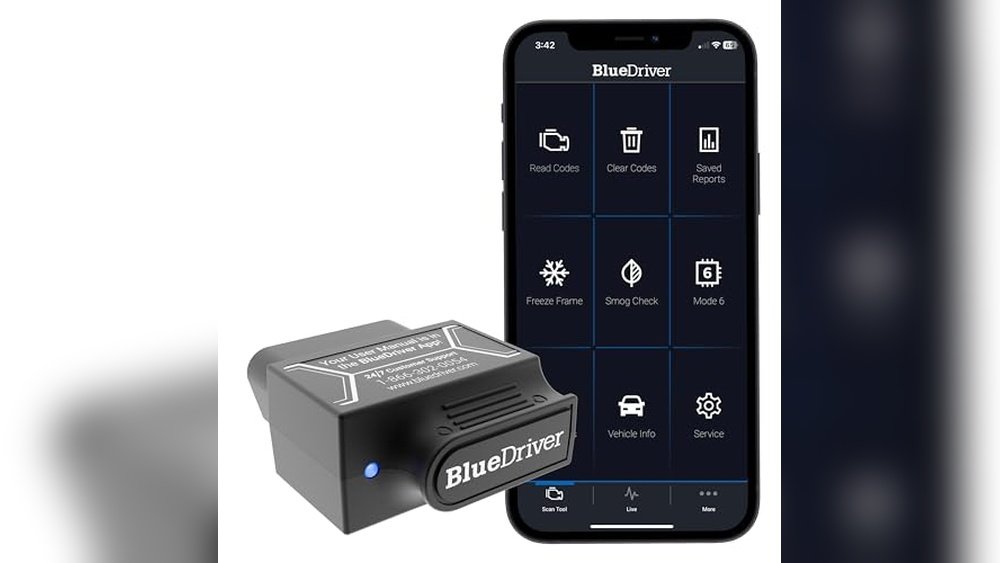
Using scan tools is essential for diagnosing ABS and traction control issues on a Jeep JK. These tools connect to the vehicle’s computer and reveal trouble codes.
The codes help pinpoint the exact problem quickly. This saves time and money during repairs.
Scan tools provide clear data from the ABS and traction control systems. They help drivers and mechanics see what parts need attention. This makes troubleshooting more accurate and efficient.
Reading Abs And Traction Control Codes
First, connect the scan tool to the Jeep’s OBD-II port. Turn on the ignition but do not start the engine.
The scan tool will communicate with the ABS and traction control modules. It will display stored trouble codes.
Each code matches a specific fault. For example, a wheel speed sensor error or a hydraulic pump issue.
Write down the codes for reference. These codes guide the repair process and avoid guesswork.
Identifying Faulty Components
After reading the codes, inspect the related parts. Common faulty components include wheel speed sensors, wiring harnesses, and connectors.
Dirt, corrosion, or damage can cause sensor failure.
Use the scan tool’s live data feature to check sensor signals in real time. This helps verify if sensors respond correctly while turning wheels.
Replace or repair any defective parts found during inspection.
Resetting Warning Lights
Once repairs are done, use the scan tool to clear the ABS and traction control codes. This resets the warning lights on the dashboard.
Make sure the problem is fixed before resetting. Otherwise, the lights will come back on.
Drive the Jeep for a short distance after resetting. This allows the system to recalibrate and confirm the issue is resolved.
Resetting lights without fixing the root cause can lead to unsafe driving conditions.
Safety And Driving Considerations
Understanding the safety and driving considerations when the Jeep JK ABS and traction control lights are on is vital. These warning lights signal a problem with important vehicle systems that help keep control on slippery or uneven surfaces.
Driving with these lights on changes how your Jeep handles, affecting your safety on the road.
Is It Safe To Drive With Lights On?
Driving with the ABS and traction control lights on is not ideal. The Jeep may still move, but the safety features might not work correctly.
Braking distances can increase, especially on wet or icy roads. Your vehicle might skid more easily in sudden stops or sharp turns.
It is best to drive cautiously and avoid risky conditions until the issue is fixed.
How Disabled Systems Affect Vehicle Control
ABS prevents the wheels from locking during hard braking. Without ABS, wheels can lock, causing loss of steering control.
Traction control helps prevent wheel spin on slippery surfaces. If traction control is off, your Jeep may slip more on wet or loose roads.
Both systems work together to maintain stability. Disabled systems increase the chance of losing control in emergency situations.
When To Seek Professional Help
Seek professional help as soon as you notice the lights on. A mechanic can scan the Jeep’s computer for trouble codes.
These codes identify the exact problem, such as a faulty wheel sensor or wiring issue. Early diagnosis prevents further damage and costly repairs.
Do not ignore these warning lights or delay service for your safety.
Preventive Maintenance Tips
Preventive maintenance helps keep your Jeep JK’s ABS and traction control systems running smoothly. Early care can stop warning lights from appearing.
Simple checks and cleanings reduce sensor errors and electrical faults. Follow these tips to avoid unexpected repairs and maintain safety on the road.
Regular Sensor Inspection And Cleaning
Wheel speed sensors detect how fast each wheel spins. Dirt, mud, or corrosion can block signals and trigger the ABS or traction control light.
Inspect each sensor carefully. Clean the sensor and its surrounding area using a soft brush or cloth.
Avoid harsh chemicals that may damage parts. Check sensor wires for cracks or breaks and repair them promptly.
Battery Care And Electrical Checks
A weak battery or loose connections cause voltage drops. These drops confuse the ABS and traction control systems.
Test your battery’s health regularly, especially before long trips. Tighten all battery terminals and clean any corrosion.
Use a multimeter to check for steady voltage. Replace old or weak batteries to prevent electrical glitches.
Steering Alignment Checks
Misaligned steering wheels can cause false traction control warnings. Drive straight and observe if the wheel pulls or feels off-center.
Have a professional check your steering alignment at least once a year. Proper alignment keeps sensors accurate and your Jeep stable.
Adjust the drag link to recenter the steering wheel if needed.
Cost Expectations For Repairs
Repair costs vary based on the problem causing the ABS and traction control lights. Some fixes require simple sensor replacements.
Others need more complex axle seal repairs. Understanding cost expectations helps you plan your budget better.
This section breaks down repair options and typical expenses for Jeep JK owners.
Diy Vs Professional Repairs
DIY repairs save money but need tools and skills. Replacing sensors or cleaning connectors can be done at home.
Professional repairs cost more but ensure a correct fix. Mechanics find hidden issues and test the system fully.
Choose DIY only if comfortable working on cars.
Typical Costs For Sensor Replacement
Wheel speed sensor replacement usually costs between $100 and $250. Parts range from $50 to $100, depending on brand and quality.
Labor at a shop adds $50 to $150. Buying sensors online can reduce costs, but check compatibility.
Sensor issues often cause ABS and traction lights.
Axle seal repairs are more expensive than sensor fixes. Parts cost between $30 and $80 per seal.
Labor can reach $200 to $400 due to axle disassembly. Grease leaks from seals affect sensors and cause warning lights.
Ignoring axle seal problems can lead to costly damage later.
Frequently Asked Questions
What Does It Mean When Your Abs And Traction Control Light Come On At The Same Time?
The ABS and traction control lights together signal a fault in the wheel speed sensors, steering alignment, or battery connections. This disables ABS and traction control systems, reducing safety during braking and traction loss.
Inspect sensors, steering alignment, and battery to fix the issue promptly.
What Does It Mean When Your Abs And Traction Control Light Comes On A Jeep Wrangler?
The ABS and traction control lights on a Jeep Wrangler signal a fault in wheel speed sensors, steering alignment, or battery connections. This disables safety features, reducing braking and traction support. Inspect sensors, check steering alignment, and ensure battery terminals are secure to fix the issue.
Is It Okay To Drive A Jeep With Abs And Traction Control Light On?
Driving a Jeep with ABS and traction control lights on is possible but unsafe. These systems may not work during emergencies.
Have the issue diagnosed and repaired promptly to ensure safe braking and traction control.
Why Is My Abs And Traction Control Light On My Jeep Patriot?
Your Jeep Patriot’s ABS and traction control lights usually signal faulty wheel speed sensors, misaligned steering, or weak battery connections. Check for sensor damage, recenter the steering wheel, and ensure battery terminals are clean and tight to fix the issue.
Conclusion
The ABS and traction control lights on your Jeep JK warn of sensor or electrical issues. Check wheel speed sensors for dirt or damage first.
Make sure the steering wheel is properly aligned. Inspect battery connections for corrosion or looseness.
Fixing these common problems often clears the lights quickly. Driving with these warnings on can reduce safety features.
Act promptly to keep your Jeep running safely and smoothly. Regular checks help prevent these lights from coming on again.
Stay aware and maintain your vehicle well for peace of mind.