Shifting your Jeep Wrangler into 4 Low (4L) is essential when you encounter tough off-road terrain. Many drivers know about 4WD, but switching to 4 Low isn’t as simple as pushing a button.
If you do it wrong, you could damage your drivetrain or get stuck at the worst moment. In this guide, you’ll learn the exact steps for engaging 4 Low, the right situations for using it, and what mistakes to avoid.
Whether you’re new to Jeeps or want to double-check your technique, this article will walk you through everything you need to know.

What Is 4 Low And When Should You Use It?
4 Low stands for four-wheel drive, low range. This setting multiplies your Jeep’s power at low speeds, giving you more torque but less top speed. You need 4 Low when:
- Driving through deep mud, sand, or snow
- Climbing or descending steep hills
- Crossing rocks or uneven terrain
- Needing maximum control and slow movement
A common mistake is using 4 Low on pavement or at high speeds. This can damage your Jeep and make it harder to control.
Always use 4 Low only in tough, off-road situations.
Preparing Your Jeep Wrangler For 4 Low
Before you shift into 4 Low, prepare your vehicle:
- Bring your Jeep to a complete stop. Shifting while moving can cause grinding and stress on your transfer case.
- Keep the wheels straight. This reduces strain on the drivetrain.
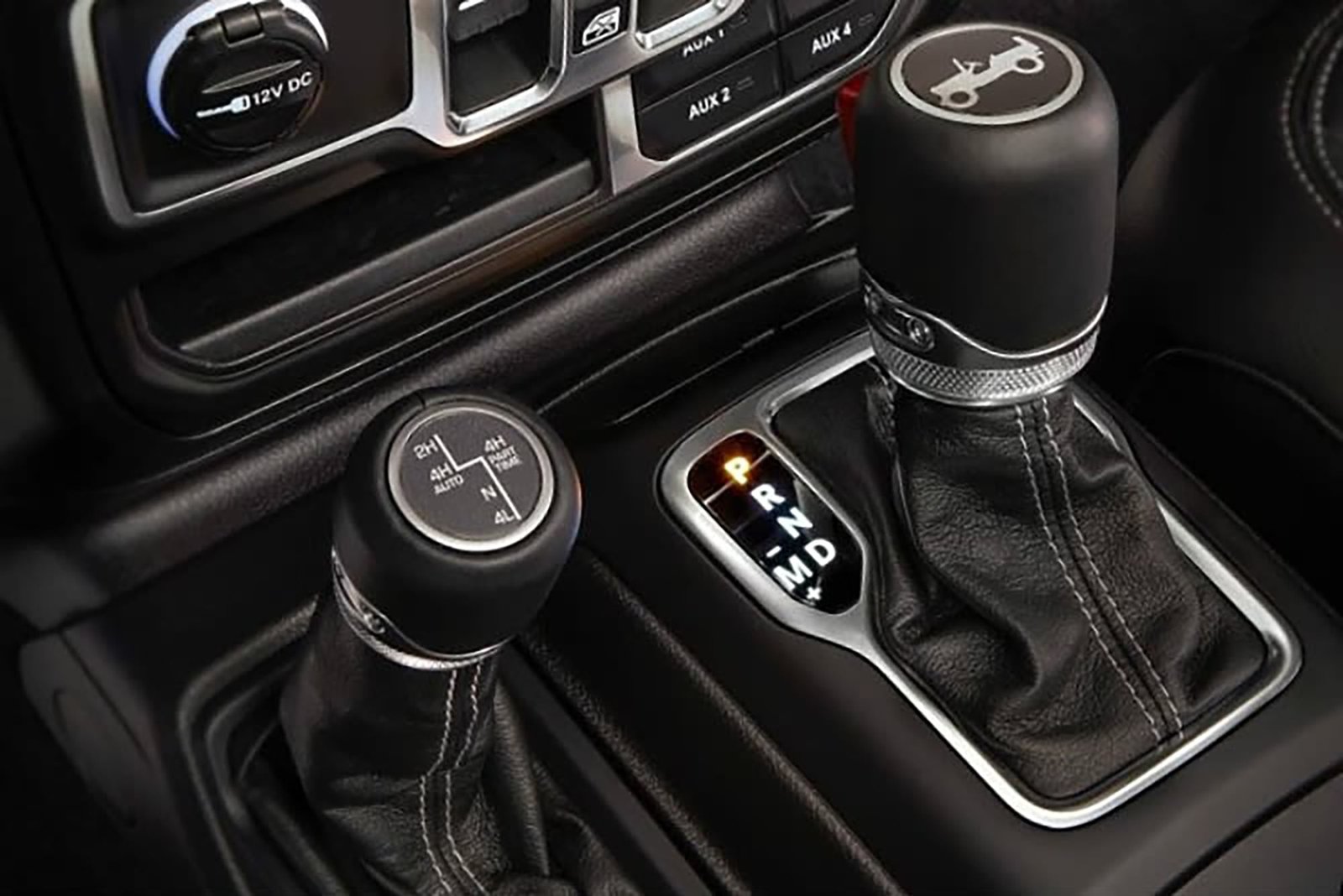
- Shift the transmission into Neutral (N). Most Jeep Wranglers require this for a smooth transfer.
- Check your environment. Make sure you’re on loose, uneven ground—not on dry pavement.
If you skip these steps, the shifter may not move easily, or you could hear grinding noises. For automatic transmissions, it’s especially important to use Neutral; for manuals, you may need to press the clutch.
How To Shift Into 4 Low: Step-by-step
There are four main steps for shifting your Jeep Wrangler into 4 Low. Each step matters missing even one can lead to issues.
1. Bring The Vehicle To A Complete Stop
Make sure your speedometer reads zero. Shifting while rolling, even slowly, can cause gears to clash.
2. Put The Transmission In Neutral
For automatics, move the gear selector to N. For manuals, press the clutch and shift to Neutral. This step disengages the transmission so power isn’t sent to the transfer case during the shift.
3. Move The Transfer Case Lever To 4 Low
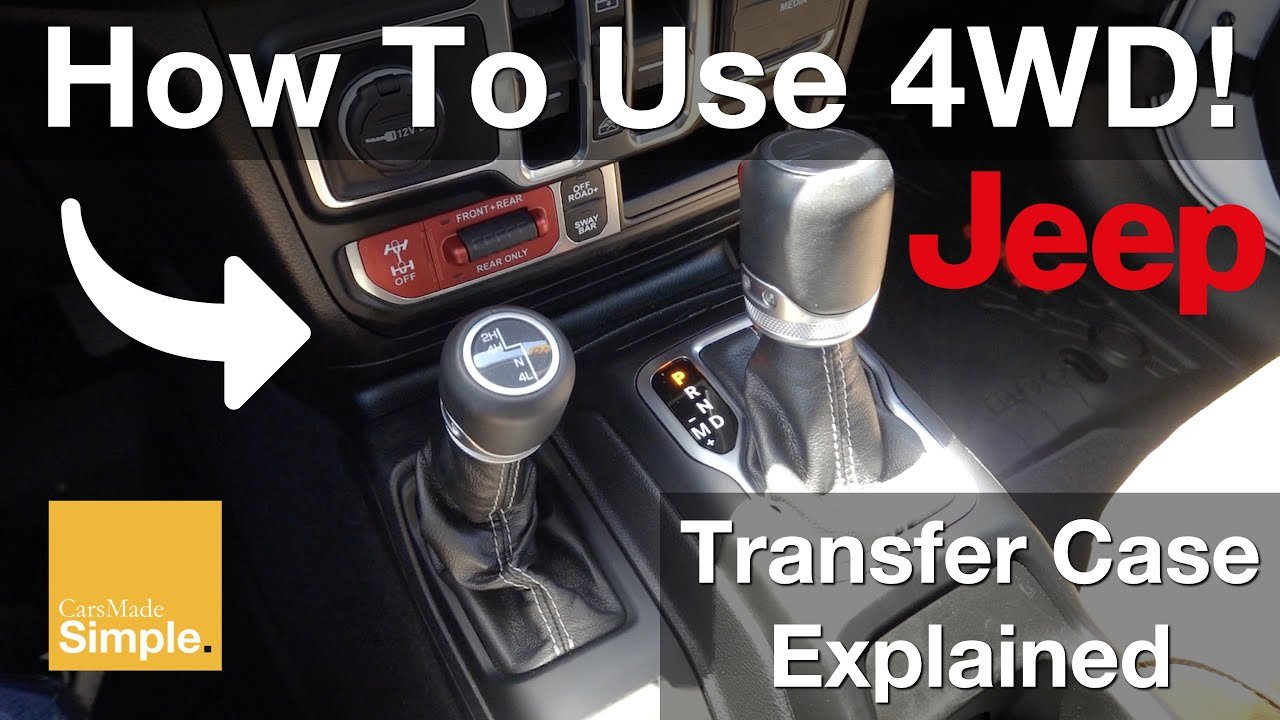
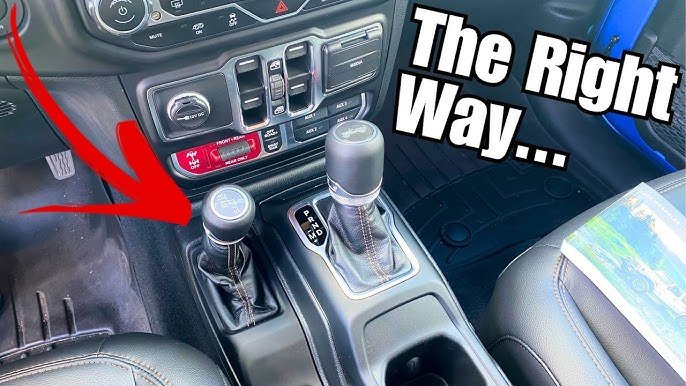
Locate the transfer case lever (usually labeled 2H, 4H, N, 4L). In one firm, smooth motion, pull the lever past 4 High (4H), through Neutral (N), and into 4 Low (4L). You may feel resistance—this is normal. Do not force it; if it won’t move, gently roll the Jeep back and forth an inch.
4. Shift The Transmission Back To Drive (or First Gear)
After the transfer case is in 4 Low, shift your main transmission into Drive (for automatics) or First Gear (for manuals). You are now ready to drive in 4 Low. You’ll notice your Jeep moves slower but with much more control and power.
Here’s a quick comparison between 4 High and 4 Low modes:
| Mode | Best For | Speed Range | Torque |
|---|---|---|---|
| 4 High (4H) | Slippery roads, light off-road | Up to highway speeds | Standard |
| 4 Low (4L) | Steep hills, deep mud/sand, rocks | Very low speeds (under 25 mph) | High |
Common Mistakes And How To Avoid Them
Drivers often make errors when shifting into 4 Low, which can lead to vehicle damage or getting stuck. Here are the main mistakes and tips to avoid them:
- Shifting while moving. Always stop completely.
- Forcing the transfer case lever. If it won’t move, don’t use extra force. Try rolling the Jeep slightly.
- Using 4 Low on dry pavement. This causes drivetrain binding and tire wear.
- Not shifting the transmission to Neutral. This prevents the transfer case from engaging.
- Driving too fast in 4 Low. Stay under 25 mph to avoid damage.
A non-obvious tip: After using 4 Low, shift back into 4 High or 2 High as soon as you return to regular roads. Driving long distances in 4 Low can overheat your transfer case.
Why 4 Low Is Essential For Off-roading
4 Low isn’t just about power—it’s about control. When you’re crawling over rocks or descending a steep hill, 4 Low lets you go slowly without riding the brakes. This reduces wear on your brakes and keeps your Jeep stable.
A key insight: Even experienced off-roaders sometimes forget to use 4 Low during descents. Using it on both climbs and descents makes tough trails much safer.
Here’s how different Jeep Wrangler generations compare when shifting into 4 Low:
| Model Year | Shift Method | Difficulty | Notes |
|---|---|---|---|
| YJ/TJ (1987–2006) | Manual lever | Medium | May require slight rolling |
| JK (2007–2018) | Manual lever | Easy | Improved linkage |
| JL (2018+) | Manual or electronic | Easy | Some use electronic switch |
If your Jeep uses an electronic shifter, follow the same steps but listen for confirmation beeps or dashboard lights. Always wait for the 4L indicator before driving.
Returning To Normal Driving
Once you’re past the difficult terrain, shift out of 4 Low:
- Stop the Jeep.
- Shift the transmission to Neutral.
- Move the transfer case lever back to 4 High or 2 High.
- Shift the transmission to Drive or First.
This prevents drivetrain strain and improves fuel economy. If the lever is hard to move, try rolling the Jeep slightly while shifting.
Frequently Asked Questions
How Fast Can I Drive In 4 Low?
You should not exceed 25 mph in 4 Low. The gear ratio is designed for slow, controlled driving, not speed.
Can I Shift Into 4 Low While Moving?
No. Always stop completely before shifting into 4 Low. Shifting while moving can damage your transfer case.
What If My Transfer Case Lever Is Stuck?
Don’t force it. Place the transmission in Neutral and gently roll the Jeep a few inches.
This often releases pressure and lets the lever move.
Should I Use 4 Low On Snow Or Ice?
Use 4 High for most snowy or icy roads. 4 Low is only for deep snow, where you need maximum torque at very low speeds.
Where Can I Find Official Jeep Wrangler Guidelines?
Visit the Jeep Owner’s Manual site for detailed, model-specific instructions.
Mastering the use of 4 Low gives you confidence for any trail. With these steps and tips, you’ll protect your Jeep and handle rough terrain like a pro. Safe driving!