Getting behind the wheel of a 2007 Jeep Wrangler Sport is exciting, especially if you love adventure and off-road driving. But if you’re new to four-wheel drive (4WD) vehicles or have never used a manual transfer case before, shifting into 4WD can feel confusing. Doing it the right way not only keeps you safe, but it also protects your Jeep’s drivetrain from damage. Whether you’re facing snowy roads, muddy trails, or rocky hills, knowing how to shift 4WD confidently is a must.
This guide explains, step by step, how to shift all four drive modes in the 2007 Jeep Wrangler Sport: 2H, 4H, N, and 4L. You’ll learn what each mode does, when to use it, and the correct process for switching between them. Plus, you’ll see real-world tips and get answers to common questions Jeep owners have. Let’s get you ready for any terrain the road (or trail) throws your way.
Understanding The 4wd System In The 2007 Jeep Wrangler Sport
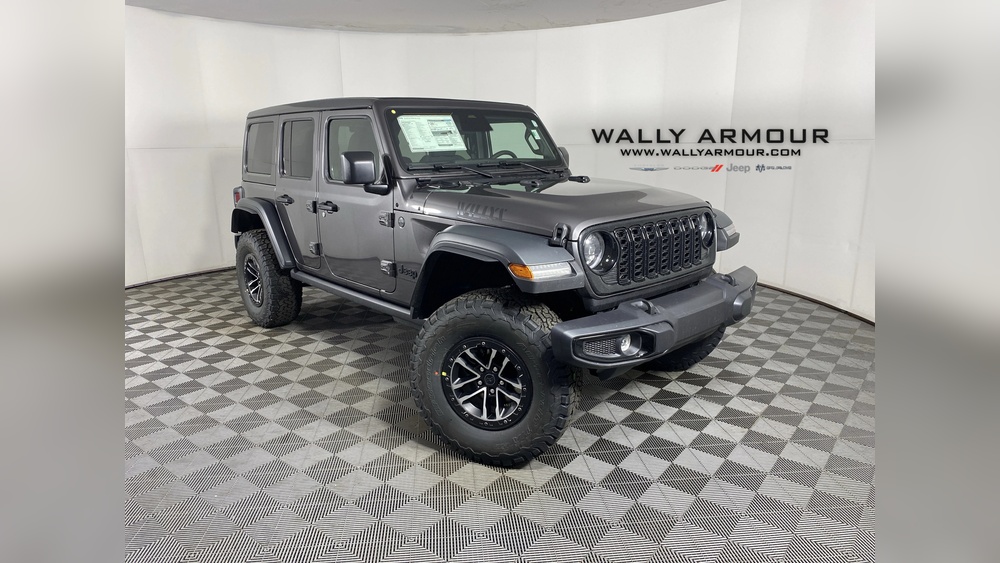
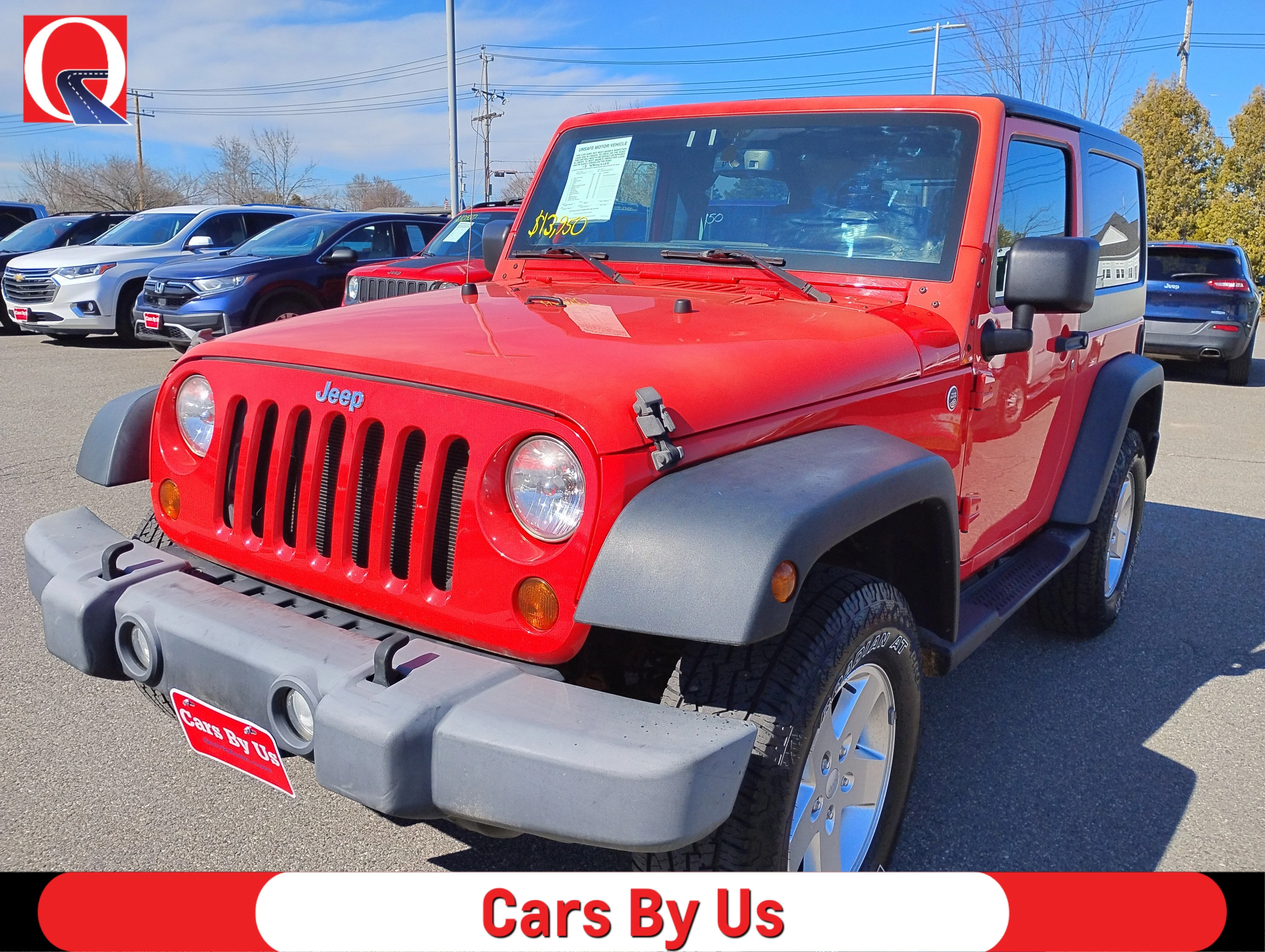
The 2007 Jeep Wrangler Sport comes with a part-time 4WD system using a manual transfer case lever. This system offers four modes:
- 2H (Two-Wheel Drive High)
- 4H (Four-Wheel Drive High)
- N (Neutral)
- 4L (Four-Wheel Drive Low)
Each mode is designed for specific conditions. Using the right one at the right time improves grip, fuel economy, and safety. Here’s a quick comparison:
| Mode | Primary Use | Speed Range | Fuel Efficiency |
|---|---|---|---|
| 2H | Normal road driving | Any speed | Best |
| 4H | Snow, mud, gravel | Up to 55 mph | Moderate |
| N | Towing only | 0 mph | N/A |
| 4L | Off-road, steep hills | Up to 25 mph | Lowest |
1. How To Shift Into 2h (two-wheel Drive High)
2H is the default driving mode. Power goes only to the rear wheels. This mode is ideal for city streets and highways where the road is dry and traction is good.
When To Use 2h
- Everyday driving on pavement
- Dry, clear roads
- When you want the best fuel economy
How To Shift To 2h
- Make sure the vehicle is moving straight (if shifting from 4H).
- Take your foot off the accelerator.
- Shift the transfer case lever to 2H.
- Accelerate smoothly.
Tip: You can shift between 2H and 4H “on the fly” (while moving) at speeds up to 55 mph, as long as the wheels are not spinning.
2. How To Shift Into 4h (four-wheel Drive High)
4H sends power to all four wheels. Use this mode when you need extra traction but still want to travel at higher speeds.
When To Use 4h
- Snowy, icy, or muddy roads
- Loose gravel or wet grass
- Light off-roading
How To Shift To 4h
- While driving straight, release the accelerator.
- Firmly pull the transfer case lever from 2H to 4H.
- Lightly press the accelerator and continue driving.
Practical Insight: Always make sure the front and rear wheels are moving at the same speed before shifting. If the tires are spinning (for example, stuck in mud), stop and shift while stationary to avoid drivetrain damage.
Common Beginner Mistake
Many new Jeep owners try to use 4H all the time. This is a bad habit—using 4H on dry pavement can cause something called driveline binding. This puts stress on the transfer case and can lead to expensive repairs. Only use 4H when roads are slippery or loose.
3. How To Shift Into Neutral (n)
The Neutral (N) position disconnects the engine from the wheels. It’s mainly for flat towing (pulling the Jeep behind another vehicle with all four wheels on the ground).
When To Use N
- Flat towing your Jeep
- Transfer case maintenance
How To Shift To Neutral
- Bring the Jeep to a complete stop.
- Shift the automatic transmission to Neutral (N) or depress the clutch if you have a manual.
- Firmly move the transfer case lever from 4H or 2H straight down, pausing briefly at 4L, then into N.
- Make sure the lever is fully in Neutral.
Advanced Tip: Some drivers accidentally leave the transfer case partly between gears. Always double-check that the transfer case lever is “clicked” into place—especially before towing.
Towing And Neutral Mode
Towing with the transfer case in N prevents damage to the transmission. If you tow with the transfer case in 2H or 4H, you risk overheating and destroying the drivetrain.
4. How To Shift Into 4l (four-wheel Drive Low)
4L is for maximum torque and control in tough conditions. Use it only when you need to move slowly with a lot of power, like climbing rocks or getting through deep mud.
When To Use 4l
- Steep hills (up or down)
- Deep sand, mud, or snow
- Rock crawling and slow off-roading
- Recovering the vehicle if stuck
How To Shift To 4l
Shifting into 4L is different from 2H and 4H. The vehicle must be almost stopped.
- Bring the Jeep to a stop (or roll at 2-3 mph).
- Put the automatic transmission in Neutral (N) or press the clutch for manual.
- Firmly pull the transfer case lever from 4H to 4L in one smooth motion.
- Shift the transmission back to Drive (D) or release the clutch and accelerate gently.
Practical Example: Suppose you’re about to descend a steep, rocky trail. Before starting downhill, stop the Jeep, shift into N, then move the transfer case lever into 4L. This gives you engine braking and better control.
Avoiding Damage
Never shift into or out of 4L while moving fast. The gears inside the transfer case are not built for high-speed changes in this mode. Doing so can break internal parts.
Comparing 4wd Modes: What Changes?
Switching between 2H, 4H, and 4L not only changes which wheels receive power but also affects speed, control, and fuel usage. Here’s a side-by-side look at how each mode affects your Jeep:
| Feature | 2H | 4H | 4L |
|---|---|---|---|
| Power Distribution | Rear wheels only | All wheels | All wheels |
| Max Recommended Speed | Any | 55 mph | 25 mph |
| Torque | Standard | Standard | Maximum |
| Fuel Economy | Best | Lower | Lowest |
| When to Use | Dry roads | Slippery roads | Rough terrain |
Tips For Smooth 4wd Operation
Driving a 2007 Jeep Wrangler Sport is about more than just shifting gears. Here are some best practices:
- Shift early, not late: Don’t wait until you’re stuck to engage 4WD. Anticipate changes in terrain.
- Avoid sharp turns in 4WD: Turning tightly in 4H or 4L on hard surfaces can cause drivetrain binding.
- Check your owner’s manual: The manual has Jeep-specific info that can prevent mistakes.
- Practice makes perfect: Try shifting between modes in a safe, open area before heading out on real trails.
Real-world Example: Switching Modes On A Trail
Imagine you start your trip on a paved road in 2H. As you reach a muddy forest path, you feel the wheels start to slip. While still moving straight, you pull the transfer case lever into 4H for extra grip. Later, the trail gets steeper and rockier. You stop, shift the transmission into neutral, and move the lever to 4L for controlled climbing. When you return to dry pavement, you stop again and shift back to 2H for smoother, more efficient driving.
Two Insights Most Beginners Miss
- You can shift between 2H and 4H while moving, but not into 4L: Many new drivers think all 4WD shifts require stopping. In reality, only shifting to 4L (and back) needs the vehicle to be nearly stopped.
- Tire pressure and tire size matter: If your Jeep has aftermarket tires or wheels, it can affect how the 4WD system engages and works. Always check that your tires are compatible with the factory 4WD settings.
Maintenance And Safety Checks
Keeping your 4WD system healthy is as important as knowing how to use it. Here’s what you should do:
- Check transfer case fluid every 30,000 miles or as recommended.
- Listen for unusual noises when shifting—grinding or clunking can signal trouble.
- Test all modes regularly (even if you don’t use them often) to prevent parts from seizing.
- Look under your Jeep for leaks or damaged linkages.
If you’re unsure, visit a certified mechanic or check the Jeep’s official documentation at Jeep.com.
Frequently Asked Questions
How Fast Can I Drive In 4h Or 4l In My 2007 Jeep Wrangler Sport?
In 4H, you can drive up to 55 mph. In 4L, the maximum recommended speed is 25 mph. Driving faster in 4L can damage the transfer case and gears.
Can I Shift From 2h To 4h While Driving?
Yes, you can shift “on the fly” between 2H and 4H at speeds up to 55 mph, as long as you are driving straight and the wheels are not spinning.
Why Is It Hard To Shift Into Or Out Of 4l Sometimes?
Shifting into 4L requires the vehicle to be stopped or rolling very slowly (2-3 mph). If there’s tension in the drivetrain, it can feel stiff.
Try rolling the Jeep a little while shifting, or shift the transmission between Drive and Neutral to relieve tension.
What Happens If I Use 4wd On Dry Pavement?
Using 4WD (especially 4H or 4L) on dry, hard surfaces can cause driveline binding. This puts stress on the drivetrain and may lead to expensive damage. Only use 4WD when you need extra traction.
How Do I Know If My 4wd System Is Working Correctly?
Check for dashboard indicator lights showing the current mode. Listen for unusual sounds when shifting. If the Jeep feels difficult to turn in 4H or 4L, or if you see warning lights, have it checked by a professional.
Driving a 2007 Jeep Wrangler Sport with confidence starts by understanding and respecting your 4WD system. Knowing when and how to shift each mode—2H, 4H, N, and 4L—gives you better control, safety, and fun. Practice these steps in a safe space, pay attention to your Jeep’s sounds and feel, and you’ll be ready for any road or trail ahead.