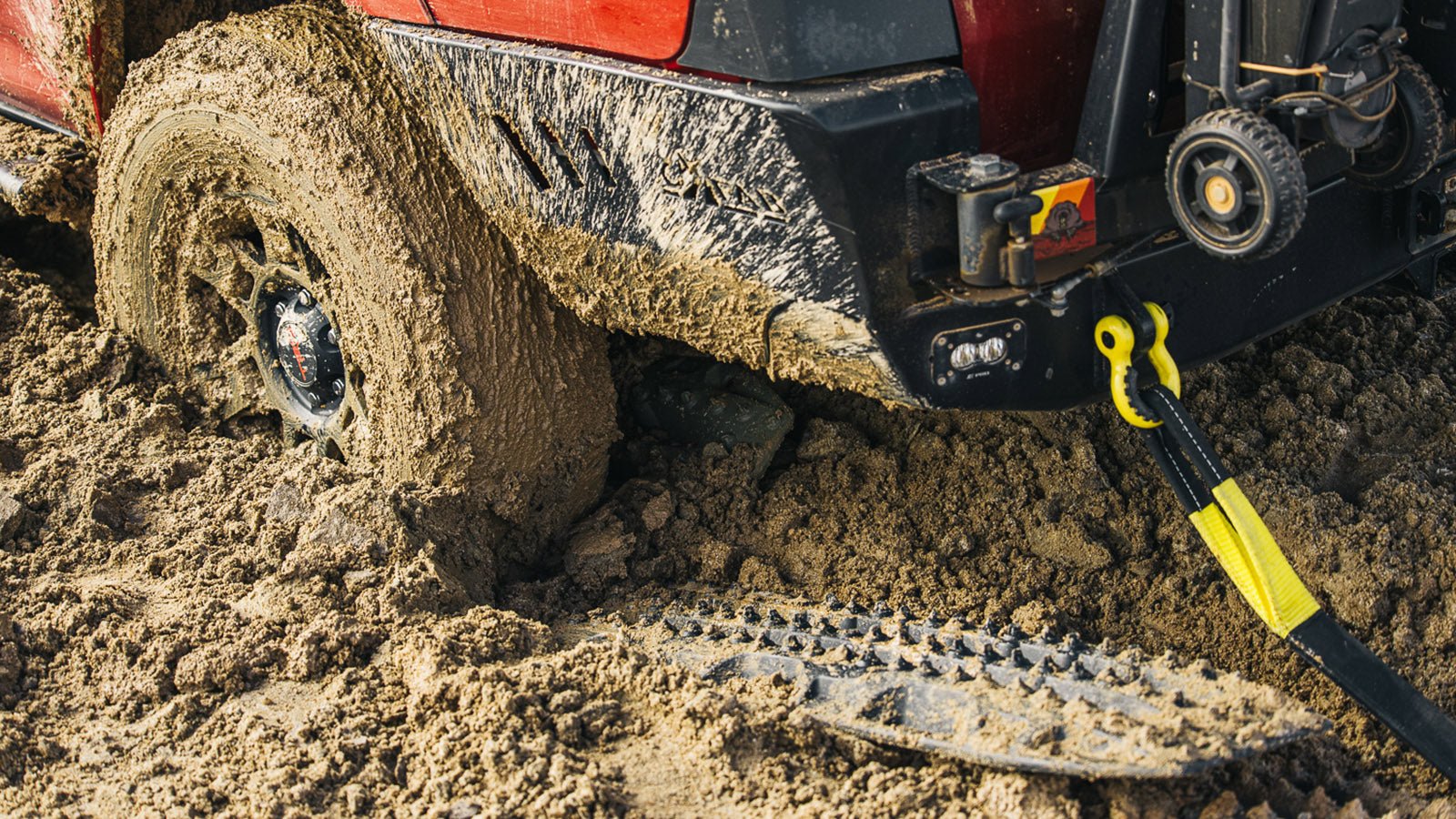
Heading off-road in your Jeep is exciting, but getting stuck is always a risk. Mud, sand, snow, or rocks can trap even the most skilled drivers. A well-prepared Jeep car recovery kit is essential for safety and peace of mind. Setting up the right kit can make the difference between a minor delay and a serious problem. Here’s how to set up a kit that matches your Jeep adventures.
Why A Recovery Kit Matters
Jeep owners love exploring rough terrain. But nature can be unpredictable.
A recovery kit helps you get unstuck quickly and safely. It also protects your vehicle and keeps you from relying on strangers.
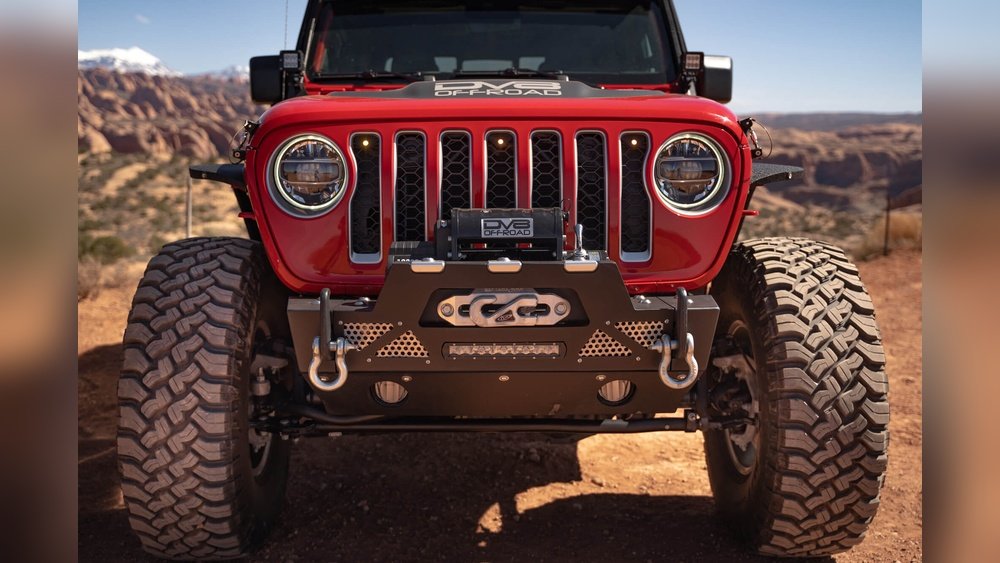
Many off-road clubs and parks require basic recovery gear before you can join group rides.
A good kit is more than just a tow strap. It should match your Jeep’s weight, your driving style, and the places you go.
With the right setup, you can handle most situations by yourself or with help from a friend.
Key Items For Your Jeep Recovery Kit
Not all recovery kits are created equal. Here are the essentials every Jeep driver should consider:
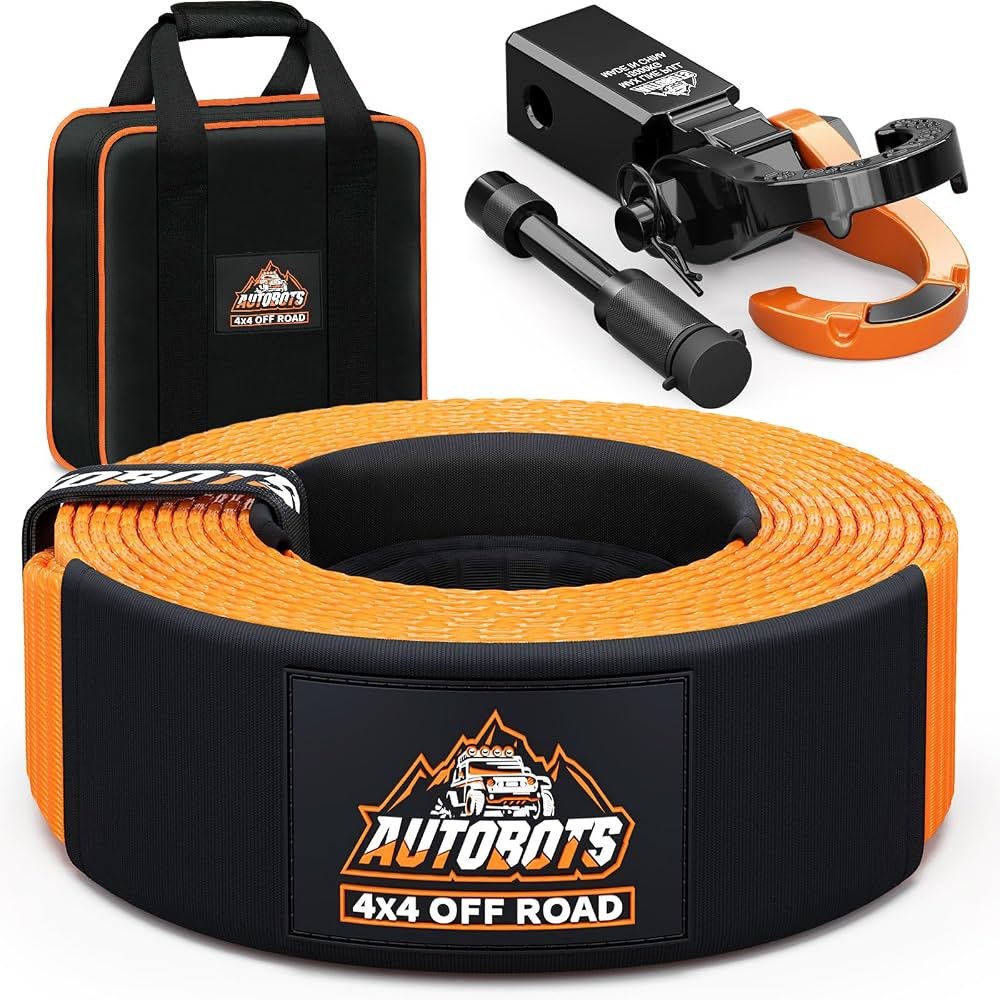
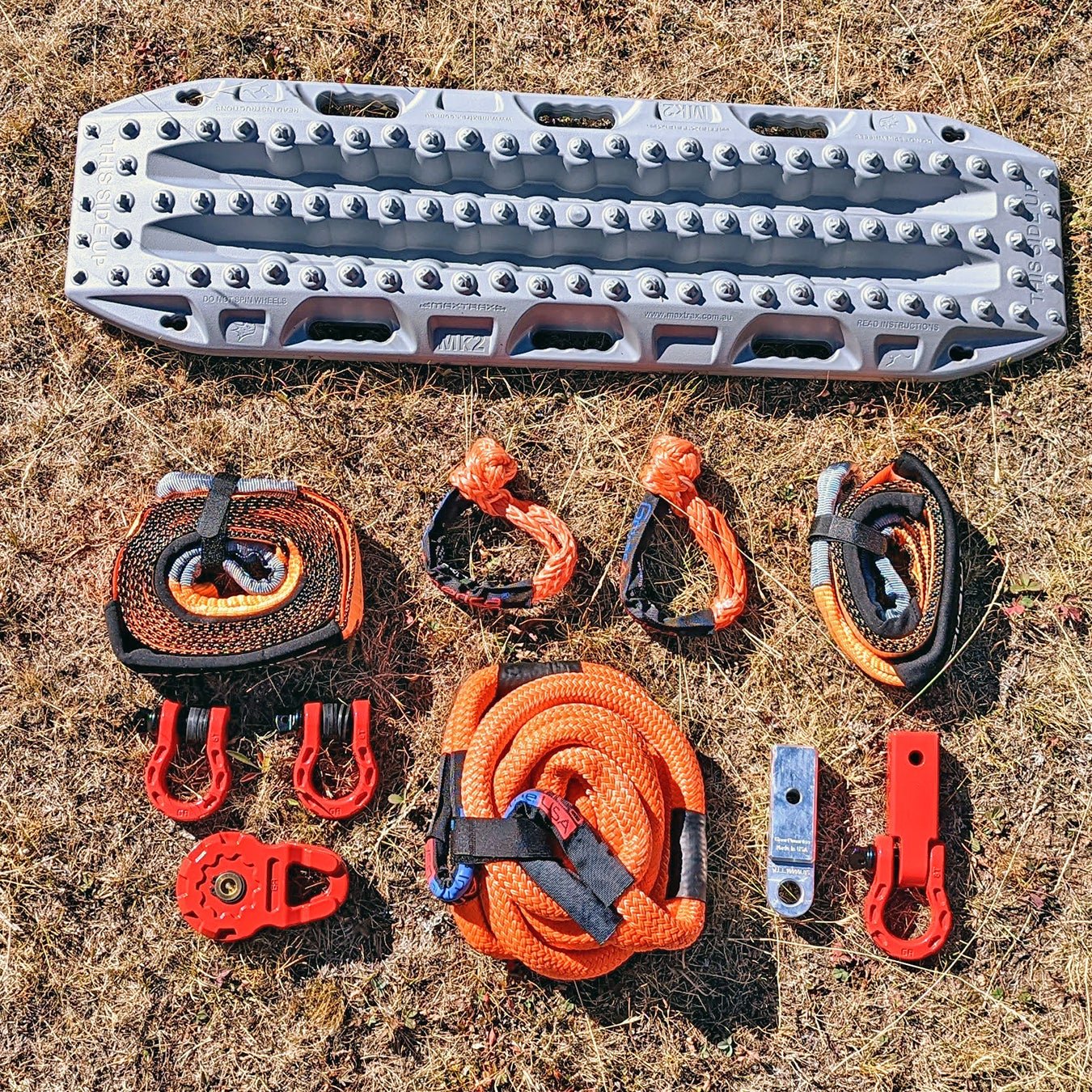
- Recovery strap (snatch strap): Look for one rated at least 2-3 times your Jeep’s weight. Most Wranglers weigh around 4,500 lbs, so a 20,000-lb strap is a safe choice.
- D-shackles (bow shackles): These strong connectors attach straps to recovery points. Choose ones rated for off-road use, usually 3/4-inch with a working load limit over 4.75 tons.
- Gloves: Protect your hands from sharp edges and rope burns. Thick, durable gloves are best.
- Snatch block: This pulley tool doubles your pulling power when using a winch. It also lets you pull from different angles.
- Winch (if possible): Electric winches are game-changers for solo drivers. A 9,000–12,000-lb winch suits most Jeeps.
- Tree saver strap: When anchoring to trees, this strap prevents bark damage and is stronger than regular straps.
- Tire deflator and gauge: Lowering tire pressure increases grip in sand and mud.
- Shovel: Dig out mud or sand around tires to make recovery easier.
- Traction boards: These help your tires grip and climb out of deep ruts.
- Flashlight or headlamp: Many recoveries happen in low light. Keep a spare set of batteries.
Here’s a quick comparison of three common recovery straps:
| Strap Type | Breaking Strength | Best Use |
|---|---|---|
| Snatch Strap | 20,000 lbs | Mud/Sand Recovery |
| Tow Strap | 15,000 lbs | Flat Towing |
| Tree Saver | 30,000 lbs | Anchor Protection |
How To Choose The Right Gear
Picking recovery gear is not just about buying the most expensive items. Focus on what matches your needs:
- Weight rating: Recovery gear must handle your Jeep’s weight plus any extra gear. Overloading straps or shackles is dangerous.
- Quality brands: Stick with trusted brands like ARB, Warn, or Factor 55. Cheap gear can fail when you need it most.
- Storage: Your kit should fit in a secure, easy-to-reach spot in your Jeep. Many owners use a dedicated bag or box.
Here’s a simple comparison to help you decide on winch size:
| Winch Capacity | Jeep Type | Typical Use |
|---|---|---|
| 8,000 lbs | 2-door Wrangler | Light Trails |
| 10,000 lbs | 4-door Wrangler | Moderate Off-Road |
| 12,000 lbs | Heavily Loaded Jeep | Serious Recovery |
Setting Up And Packing Your Recovery Kit
Once you have your gear, packing it right is just as important. Here’s how to keep your kit organized and ready:
- Separate by use: Keep gloves, shackles, and straps in outer pockets for fast access.
- Waterproof bag: Use a bag that resists mud and rain. Wet gear can get heavy and moldy.
- Routine checks: After every trip, inspect your gear for damage. Replace frayed straps or bent shackles.
- Label items: Tag gear with weight ratings and uses. This saves time during a recovery.
It’s smart to do a practice setup in your driveway. Learn how to attach straps, use the winch, and place traction boards.
This makes real recoveries much faster and safer.
Safety Tips Most People Miss
Even experienced drivers make mistakes with recovery gear. Here are two key insights:
- Never attach straps to bumpers or suspension parts. Use only the frame or rated recovery points. Attaching to weak parts can cause dangerous breakages.
- Always put a damper on the strap or winch line. This could be a purpose-made damper or even a heavy jacket. If the line snaps, the damper reduces the risk of it whipping dangerously.
Another common error is forgetting to communicate. Before any recovery, agree on hand signals and roles with your helpers. This prevents confusion and injuries.
Real-world Example
On a recent trip in Utah, a Jeep got stuck in deep sand. The driver used a snatch strap and D-shackles rated for 20,000 lbs, attached to factory recovery points.
Before pulling, they lowered their tire pressure to 15 psi and placed traction boards under the tires.
The Jeep was free in minutes with no damage.
This shows how the right gear and a calm approach solve problems quickly. It also proves that practice with your kit is just as valuable as the gear itself.
Cost And Value
A basic Jeep recovery kit costs about $150 to $400, depending on the brand and items. Winches add $300 $1,000.
While this is not cheap, it’s much less than the cost of a tow truck call, which can be $200 $500 per incident.
Here’s a breakdown of typical costs:
| Item | Average Price |
|---|---|
| Snatch Strap | $40 |
| D-Shackles (pair) | $30 |
| Traction Boards | $80 |
| Winch (optional) | $500 |
Investing in a quality kit is not just about saving money. It’s about self-reliance and protecting your Jeep.
Frequently Asked Questions
What Is The Most Important Item In A Jeep Recovery Kit?
The recovery strap is often the most useful. It’s essential for pulling your Jeep out of mud, sand, or snow when you don’t have a winch.
Can I Use My Jeep’s Factory Tow Hooks For Recovery?
Yes, if your tow hooks are rated for recovery. Never use weak points or decorative hooks. Factory hooks on most Jeeps are designed for this purpose.
Is A Winch Necessary For Every Jeep Owner?
A winch is helpful but not required for all drivers. If you drive alone or in very remote places, it’s a smart investment. For group trips on easy trails, a strap and shackles may be enough.
How Often Should I Check My Recovery Gear?
Inspect your gear after every trip. Look for fraying, rust, or cracks. Replace any damaged items before your next outing.
Where Can I Learn More About Safe Recovery Techniques?
Many off-road clubs offer training, and there are great guides online. For detailed safety info, visit the Tread Lightly! Recovery Guide.
Having a Jeep car recovery kit means you’re ready for adventure and for the unexpected. With the right tools, knowledge, and a little practice, you’ll explore further with confidence and keep your journeys safe.