Riding in a Jeep car is more than just getting from one place to another. For many, it’s an adventure, a taste of freedom, and a chance to experience the outdoors in a unique way.
Whether you’re planning to drive a Jeep for the first time or just want to understand how to ride one safely, this guide will give you clear, practical steps to get started.
You’ll learn about basic controls, preparation, common mistakes, and tips that many beginners overlook.
Understanding The Jeep Car
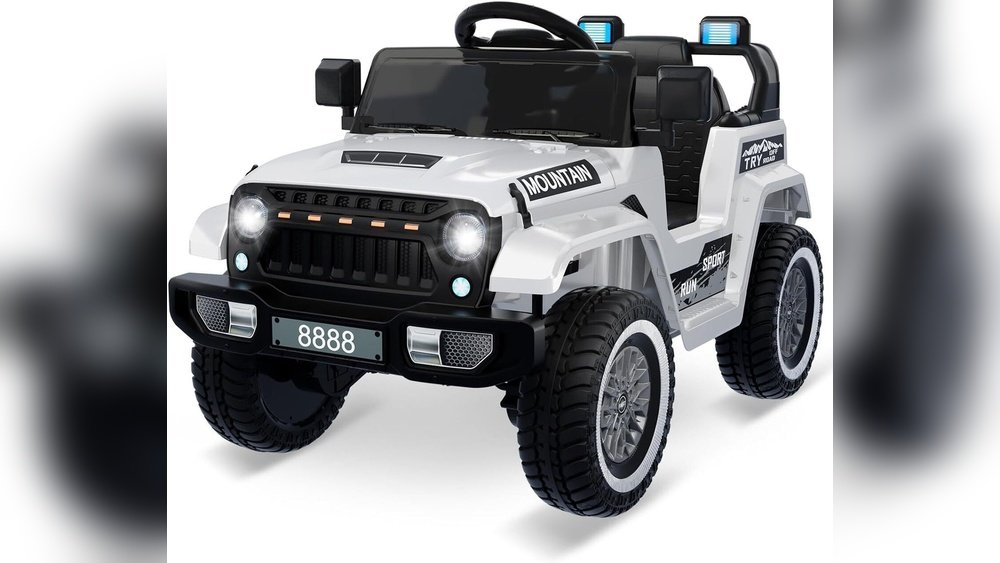
A Jeep car is known for its off-road abilities, strong build, and open-air design. Models like the Wrangler and Cherokee are made for rough roads but are also comfortable for city driving. The high ground clearance and four-wheel drive make Jeeps different from regular cars.
Key Features Of A Jeep
- Four-wheel drive (4WD): Helps you drive on mud, sand, or snow.
- Removable roof and doors: Some models let you open up for fresh air.
- Sturdy suspension: Handles bumps and uneven ground better.
- Short wheelbase: Makes it easy to turn, especially on trails.
Here’s how a Jeep compares to a regular car:
| Feature | Jeep Car | Regular Sedan |
|---|---|---|
| Drive System | 4WD/All-Wheel Drive | 2WD (Front or Rear) |
| Ground Clearance | High | Low |
| Best Terrain | Off-road & City | City & Highway |
Getting Ready Before You Drive
Preparation is important before you start riding a Jeep. Here’s what you need to check:
- Adjust your seat: Make sure you can reach the pedals and steering wheel.
- Check mirrors: Adjust rearview and side mirrors for a clear view.
- Fasten seatbelts: Safety first, especially on rough roads.
- Know the controls: Learn where the gear shifter, 4WD lever, lights, and wipers are.
- Secure loose items: On bumpy rides, things can move around easily.
Many beginners forget to check the tire pressure. Jeeps often need different tire pressure for off-road vs. city driving. Lower pressure helps with grip on sand or rocks, but for regular roads, keep them at the recommended setting.
How To Ride A Jeep Car: Step-by-step
Riding a Jeep is simple if you know the steps. Here’s a clear process to follow:
1. Starting The Jeep
- Insert the key and turn the ignition, or press the start button.
- Check dashboard lights for warnings.
- Release the parking brake.
2. Shifting Gears
- For automatic Jeeps, press the brake and move the gear lever to ‘Drive.’
- For manual Jeeps, press the clutch, shift to first gear, and slowly release the clutch as you press the gas.
3. Using Four-wheel Drive
- Most Jeeps have a lever or switch for 4WD. Only use 4WD on slippery or rough surfaces.
- Shift from 2WD to 4WD when stopped or moving slowly (check your Jeep’s manual for details).
- For very tough terrain, use ‘4-Low’ (low gear) for more power and control.
4. Driving On Different Terrains
Jeeps perform differently based on the surface. Here’s a quick guide:
| Terrain Type | Recommended Setting | Driving Tips |
|---|---|---|
| Highway | 2WD, Normal Tires | Drive smoothly, save fuel |
| Mud/Sand | 4WD, Lower Tire Pressure | Maintain momentum, avoid sharp turns |
| Rocks | 4-Low, Very Low Speed | Go slow, use spotters if needed |
5. Parking And Turning Off
- Shift to ‘Park’ or neutral and set the parking brake.
- Turn off the engine and lock the doors.
Tips For A Safe And Enjoyable Ride
Many people think riding a Jeep is the same as any car, but there are small details that make a big difference.
- Go slow off-road: High speed can cause loss of control or damage the Jeep.
- Use spotters: If you’re crossing rocks or deep water, have a friend guide you from outside.
- Watch the weather: Wet conditions need extra caution, especially with open roofs.
- Practice backing up: Jeeps are taller and may have blind spots.
- Don’t overpack: Heavy loads affect balance, especially on hills.
A common mistake is forgetting to switch back to 2WD after off-roading. Driving in 4WD on regular roads can harm the Jeep’s system and reduce fuel efficiency.
Jeep Riding Etiquette And Safety
Respect for others and the environment is important when riding a Jeep, especially off-road.
- Stay on marked trails: Avoid damaging plants and wildlife.
- Yield to hikers and bikers: Give way when you see others on the trail.
- Leave no trash: Take all your garbage with you.
- Help others: If you see someone stuck, offer help if it’s safe.
Many beginners don’t realize that some parks or trails require permits for Jeep vehicles. Always check local rules before you go.
Jeep Car Maintenance Basics
Regular care keeps your Jeep safe and reliable. Here are key things to remember:
- Check fluids: Oil, coolant, and brake fluid levels.
- Inspect tires: Look for damage or low tread.
- Clean after off-roading: Mud can hide damage or rust areas.
- Listen for sounds: Unusual noises can mean a problem is starting.
Overlooking small maintenance steps is a common beginner error. Even washing underneath the Jeep after a muddy trip can prevent costly repairs.
Frequently Asked Questions
How Is Riding A Jeep Different From A Regular Car?
Jeep cars handle rough terrain better because of 4WD and higher ground clearance. They feel less smooth than sedans on highways, but are much safer on dirt, rocks, or sand.
Can I Drive A Jeep In The City Every Day?
Yes, modern Jeeps are comfortable for daily driving. Some models may use more fuel and have a stiffer ride compared to regular cars, but they handle potholes and bad weather well.
What Do I Do If My Jeep Gets Stuck Off-road?
Stay calm and avoid spinning the wheels. Try shifting to 4-Low and gently rocking the Jeep back and forth. Carrying basic recovery gear, like a tow strap, can help. If you can’t get out, call for help.
Is It Safe To Remove The Roof And Doors?
It’s safe if you use seatbelts and stay on legal roads where it’s allowed. Most states have specific rules for open Jeeps, so always check local laws.
Where Can I Learn More About Jeep Driving Skills?
You can join Jeep clubs, watch tutorials, or read the official Jeep guide. For more advanced tips, visit the Jeep Wikipedia page for history, safety, and resources.
Riding a Jeep can be a fun and rewarding experience with the right preparation. Take your time, learn the unique features, and practice on safe roads before heading off-road.
With these steps, you’ll enjoy the freedom and excitement that only a Jeep can offer.


















