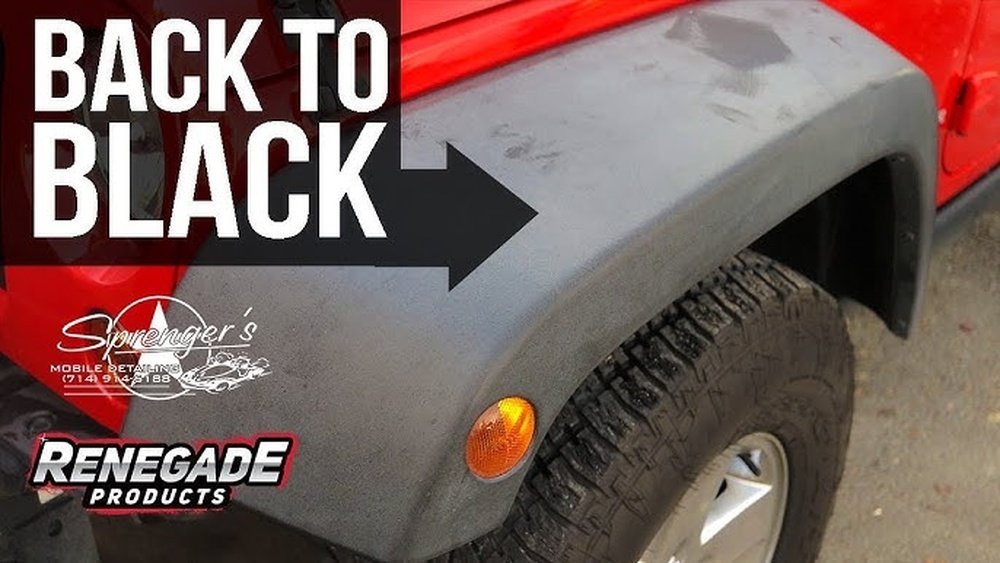
If you own a Jeep, you know the thrill of off-roading and adventure. But over time, your vehicle’s plastic fenders can start to look faded, chalky, or gray.
Sun, mud, and harsh weather wear down the plastic, making your Jeep look older than it is. Thankfully, restoring plastic fenders isn’t hard—and you can do it yourself with the right steps.
This guide will walk you through how to restore plastic fenders on a Jeep, so your vehicle looks sharp and well cared for.
Why Do Jeep Fenders Fade?
Jeep fenders are made of thermoplastic materials. These are tough, but they’re not immune to damage. The main reasons for fading and discoloration include:
- UV exposure: Sunlight breaks down the pigment in plastic, causing it to fade and turn gray.
- Road salt and chemicals: In winter, salt and de-icing agents can stain and dry out the plastic.
- Dirt and mud: Off-road trips can cake fenders with debris, which can scratch and dull the surface.
- Improper cleaning: Harsh soaps or abrasive brushes wear away protective layers.
A faded fender doesn’t just look bad it can actually lower the resale value of your Jeep. But with some care, you can bring back the original shine.
Supplies You’ll Need
Before you start, gather these items:
- Automotive plastic cleaner
- Plastic restorer product (choose a UV-resistant brand)
- Soft microfiber towels
- Clean water and mild soap
- Applicator pads or sponges
- Masking tape (optional, protects paint near fenders)
- Small detailing brush (for tight spots)
- Plastic protectant (optional but recommended)
Using the right products makes a big difference. Cheap or household cleaners can sometimes dry out plastic even more.
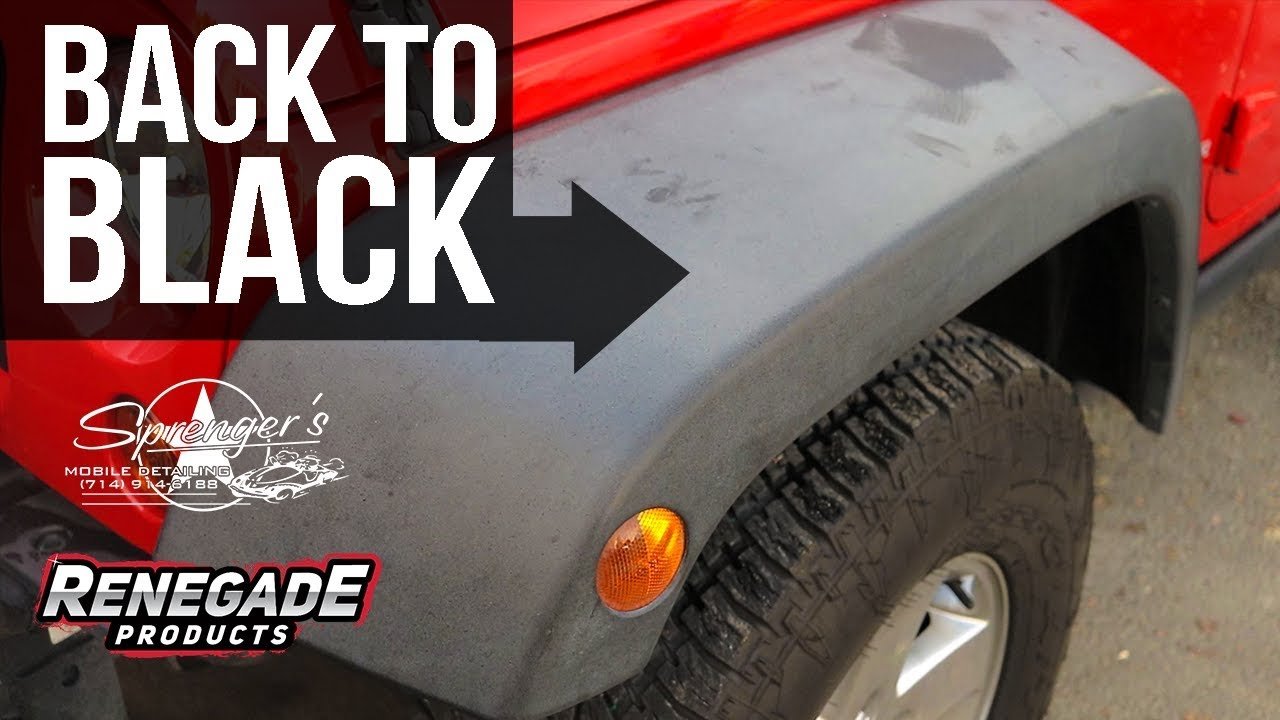
Step-by-step: How To Restore Plastic Fenders
Follow these steps for the best results. Each step is important for a long-lasting finish.
1. Wash Thoroughly
Start by rinsing your fenders with water. Use mild soap and a soft towel to remove all dirt, grease, and mud.
Make sure you get into the edges and corners. Rinse well and let the fenders dry completely.
2. Tape Off Surrounding Areas
If you’re worried about getting product on your Jeep’s paint, use masking tape to protect the edges. This keeps everything neat and avoids accidental stains.
3. Apply Plastic Cleaner
Use an automotive plastic cleaner to remove any leftover grime or old wax. Spray or wipe it on with a microfiber towel. For tight areas, use a small brush. Let the cleaner sit for a minute, then wipe away.
4. Use A Plastic Restorer
This is the most important step. Choose a quality plastic restorer. Squeeze some onto an applicator pad and rub it into the fender in small circles. Work slowly and evenly—don’t miss any spots.
Let the product sit according to the instructions (usually 5-10 minutes). Buff away any extra with a clean towel.
Common Mistake: Using Too Much Product. A Little Goes A Long Way—applying More Than Needed Can Cause Streaks Or Sticky Residue.
5. Buff And Inspect
After the restorer dries, buff the fender with a fresh microfiber towel. Inspect under different light.
If you see any faded areas, repeat step 4.
6. Apply Plastic Protectant
For extra shine and durability, use a plastic protectant after restoring. This helps seal the surface and blocks UV rays, so your fenders stay darker and newer-looking longer.
7. Allow To Cure
Avoid getting your fenders wet for at least 12 hours after restoration. This lets the products bond to the plastic.
Real-world Results: Before And After
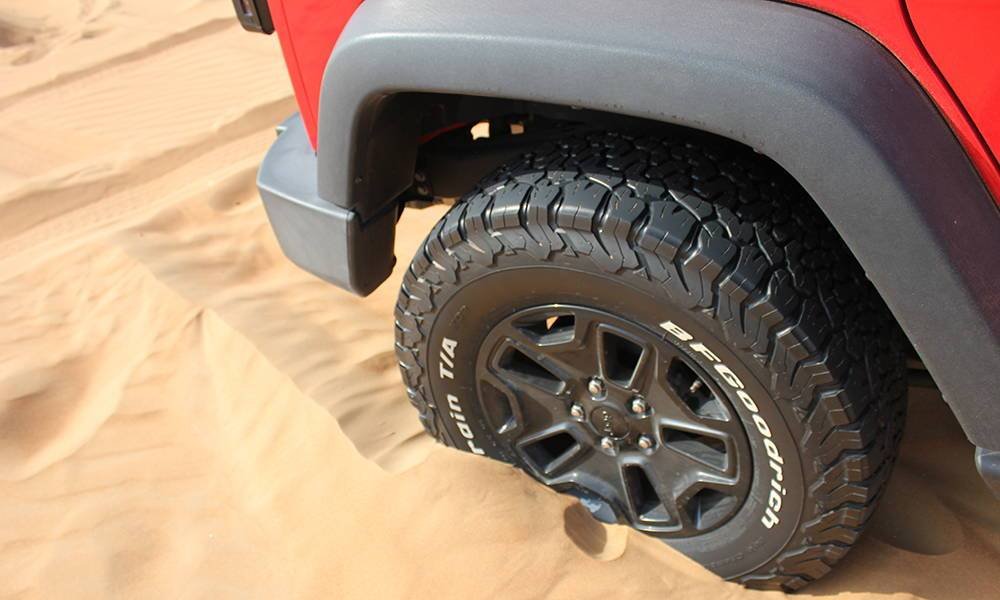
Restoring faded fenders can make your Jeep look years newer. Here’s a quick comparison of what you can expect:
| Condition | Before | After |
|---|---|---|
| Color | Light gray, faded | Deep black, rich |
| Texture | Chalky, rough | Smooth, glossy |
| Protection | None, UV damaged | UV protected |
Choosing The Right Plastic Restorer
Not all products are the same. Here’s how a few popular options compare:
| Brand | UV Protection | Durability (Weeks) | Finish |
|---|---|---|---|
| Meguiar’s Ultimate Black | Yes | 6-8 | Glossy |
| Mother’s Back-to-Black | Yes | 4-6 | Satin |
| 303 Aerospace Protectant | Yes | 4-6 | Matte |
Pick a product that matches your preferred finish and climate. For sunny areas, always choose strong UV protection.
Maintenance Tips For Long-lasting Results
Once your fenders look new, regular care will keep them that way:
- Wash fenders with mild soap and soft towels (never harsh chemicals).
- Reapply plastic protectant every 1-2 months, especially after off-roading.
- Park in the shade or use a car cover to reduce UV exposure.
- Avoid using wax or polish on plastic—these are for paint, not fenders.
A mistake many Jeep owners make is forgetting to clean under the fender edges. Dirt trapped here can cause fading and even cracks over time.

Frequently Asked Questions
How Long Does A Plastic Fender Restoration Last?
Most restorations last 4 to 8 weeks, depending on your driving and climate. Using a good protectant and regular cleaning will help it last longer.
Can I Use Household Products Like Olive Oil Or Peanut Butter?
It’s tempting, but these are not recommended. While they may make fenders shiny for a short time, they attract dust and can damage the plastic over time.
What If My Fenders Are Badly Scratched?
Deep scratches can’t be fixed by restorers alone. Try a plastic polish first. If that doesn’t work, you may need to sand and repaint, or replace the fender.
Is It Safe To Use A Heat Gun To Restore Color?
Using a heat gun can bring back some blackness, but it’s risky. Too much heat warps the plastic or causes permanent damage. Stick with chemical restorers for safety.
Where Can I Find More Detailed Guides On Restoring Jeep Plastics?
For more in-depth information and reviews on products, check out DetailingWiki, a trusted source in automotive care.
Restoring your Jeep’s plastic fenders doesn’t just improve appearance it protects your investment and makes every drive more enjoyable. With the right products and a little effort, you’ll keep your Jeep looking adventure-ready year after year.