If you own a Jeep Wrangler, you know how important it is to keep your tires in top shape for a smooth and safe ride. But what happens when that pesky Tire Pressure Monitoring System (TPMS) light suddenly turns on?
It can be confusing and even a little frustrating. Don’t worry resetting your TPMS sensor isn’t as complicated as it sounds.
In this guide, you’ll learn simple, step-by-step ways to reset your Jeep Wrangler’s TPMS sensor quickly and effectively.
Whether you just inflated your tires or suspect a sensor issue, help you get that warning light off your dashboard and back on the road with confidence.
Keep reading to take control of your Jeep’s tire pressure system today!
Check Tire Pressure
Checking tire pressure is the first step to reset the TPMS sensor on your Jeep Wrangler. Proper tire pressure ensures the TPMS system works correctly. Low or uneven pressure triggers the warning light on your dashboard. It is important to verify and adjust pressure before resetting the sensor.
Every tire, including the spare, affects the TPMS system. Accurate pressure helps maintain safety and improves fuel efficiency.
Use a reliable tire pressure gauge for best results. Follow the steps below to check and adjust your tire pressure properly.
Locate Recommended Psi
Find the recommended PSI for your Jeep Wrangler on the driver’s side door jamb. This label shows the exact tire pressure for front, rear, and spare tires.
Using the correct PSI prevents damage and improves handling. Never guess the pressure; always refer to the manufacturer’s guide.
Keep in mind that PSI values vary by model and tire size. Adjust pressure only when tires are cold, before driving or after resting for a few hours.
This ensures accurate readings and avoids false TPMS alerts.
Inflate All Tires Including Spare
Check each tire with a pressure gauge and inflate to the recommended PSI. Don’t forget the spare tire, which often has its own TPMS sensor.
Underinflated spare tires can cause the TPMS light to stay on.
Use an air compressor at a gas station or a portable pump. Inflate slowly and recheck pressure frequently.
Avoid overinflation, which can also trigger TPMS warnings. Properly inflated tires help the system detect real issues and turn off the warning light when fixed.
Using the TPMS reset button is a simple way to clear the tire pressure warning on your Jeep Wrangler. This method is effective for many situations where the tire pressure has been corrected, but the warning light remains on.
The reset button helps the system relearn the correct tire pressures and turns off the warning light quickly. Follow the steps below to locate the button and perform the reset.
The TPMS reset button in a Jeep Wrangler is usually under the dashboard. Look near the steering column or around the lower dash area.
It is a small button, sometimes marked with “TPMS” or a tire icon. Use a flashlight if needed to spot it easily.
Knowing its exact location saves time during the reset process.
Perform Reset Sequence
First, turn your ignition key to the “ON” position without starting the engine. Press and hold the TPMS reset button for a few seconds.
Watch for the tire pressure light to blink three times; this signals the reset has started. Release the button and wait for a few minutes.
The system will now relearn the correct tire pressure and should turn off the warning light. Drive your Jeep for a short distance to complete the reset.
Drive To Clear Light
The “Drive to Clear Light” method helps reset the TPMS sensor on your Jeep Wrangler. This technique uses normal driving to update the tire pressure monitoring system.
It is simple and often effective without extra tools or buttons. After inflating your tires to the right pressure, driving activates the sensors.
This action can turn off the warning light automatically.
Normal Driving Procedure
First, check that all tires, including the spare, have correct pressure. Use a tire gauge to verify this against the placard inside the driver’s door.
Next, drive your Jeep at speeds above 50 mph for about 10 minutes. This allows the sensors to communicate and reset.
Avoid stopping or turning off the engine during this time. Once complete, the TPMS light should turn off.
When Light Doesn’t Turn Off
If the warning light stays on after driving, try inflating or deflating tires again. Sometimes, sensors need exact pressure to reset.
If the light continues, inspect each TPMS sensor for damage or battery issues. A sensor with a dead battery will not reset.
In this case, replacement is necessary. For stubborn lights, consult a professional or your Jeep dealer for help.

Handle Stubborn Tpms Light
The TPMS light on your Jeep Wrangler can sometimes stay on even after adjusting tire pressures. This stubborn warning needs extra steps to clear.
Ignoring it can cause safety risks and mask real tire issues. Follow these simple methods to handle the stubborn TPMS light and get it to reset properly.
Deflate And Reinflate Tires
Start by deflating all tires completely. This helps reset the sensors by forcing them to wake up.
Use a pressure gauge to release air until the tires are flat. Then, reinflate each tire to the exact pressure shown on the driver’s door placard.
This precise pressure reading is important for the sensors to reset correctly. After reinflating, drive your Jeep for a few minutes.
The TPMS light should turn off once the system recalibrates.
Check Spare Tire Sensor
Many Jeep Wranglers include a sensor on the spare tire. This sensor often gets overlooked but can cause the TPMS light to stay on.
Check the spare tire pressure and sensor condition. Inflate the spare to the correct PSI if needed.
If the sensor on the spare is faulty or its battery is dead, it will keep the warning light active. Replace the spare tire sensor if you suspect it is malfunctioning.
This step ensures all sensors communicate properly with your Jeep’s TPMS system.
Address Sensor Failures
Sensor failures cause the TPMS light to stay on or flash. These issues affect tire pressure readings and vehicle safety.
Fixing sensor problems ensures accurate monitoring and safer driving.
Dead or faulty sensors must be found and fixed quickly. The process involves checking sensor signals and replacing damaged parts.
This keeps your Jeep Wrangler’s TPMS working well.
Identify Dead Or Faulty Sensors
Use a TPMS diagnostic tool to read sensor data. The tool shows which sensors send weak or no signals.
Check each tire and the spare sensor carefully.
Look for signs like no response or incorrect pressure values. A flashing or solid TPMS warning light also signals sensor trouble.
Mark sensors that need closer inspection or replacement.
Replace Sensors When Necessary
Buy replacement sensors that match your Jeep Wrangler’s model year. Install new sensors by removing the tire and valve core. Follow manufacturer instructions to avoid damage.
After installation, program the new sensors using a TPMS reset tool. This step syncs sensors with your vehicle’s system.
Test each sensor to confirm proper function before driving.

Advanced Reset Methods
Advanced reset methods offer precise control over your Jeep Wrangler’s TPMS sensor system. These techniques suit owners who want to ensure proper sensor function beyond basic resets.
They require more attention but provide reliable results.
Using advanced methods can fix persistent warning lights or sensor errors. They involve either manual relearning or specialized diagnostic tools.
Both approaches help synchronize the TPMS sensors with the vehicle’s computer system.
Manual Relearn Procedures
Manual relearn lets you reset each TPMS sensor without extra equipment. Begin by inflating all tires to the correct pressure shown on the door placard.
This includes the spare tire, as it also has a sensor.
Turn the ignition to the “ON” position without starting the engine. Locate the TPMS reset button, often under the dashboard near the steering wheel.
Press and hold the button until the TPMS light blinks three times.
Drive the vehicle at 50 mph for about 10 minutes. This action helps the system relearn the sensor IDs.
The tire pressure light should turn off after the relearn process completes.
Using Diagnostic Tools
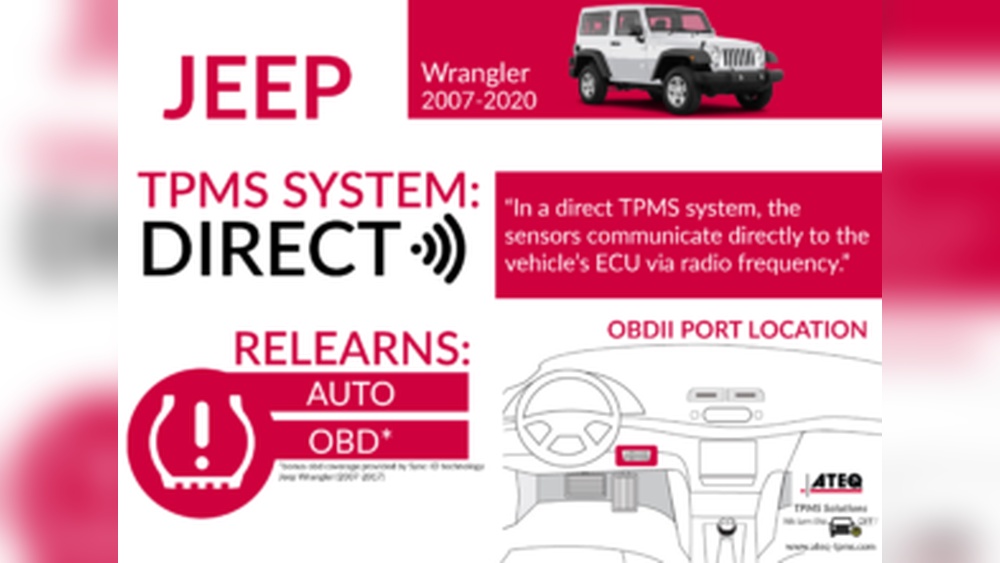
Diagnostic tools provide a quick and accurate way to reset TPMS sensors. These devices connect to the Jeep’s OBD-II port, allowing full access to the TPMS system.
They can read sensor status and clear error codes instantly.
Many tools include a TPMS activation function. Hold the tool near each tire’s valve stem to communicate with the sensor.
The tool records the sensor ID and updates the vehicle’s system automatically.
This method suits those with multiple sensor issues or who want a faster reset. It also helps detect faulty sensors needing replacement.
Professional shops use these tools for efficient and precise TPMS maintenance.
Prevent Tpms Issues
Preventing TPMS issues helps keep your Jeep Wrangler safe and running smoothly. Tire Pressure Monitoring Sensors (TPMS) alert you to low tire pressure.
Faulty sensors or poor maintenance can cause false alarms or sensor failure. Taking simple steps reduces the chance of TPMS problems.
This section covers key habits to protect your sensors and avoid warnings.
Regular Tire Maintenance
Check tire pressure weekly to keep it at the correct PSI. Use a reliable gauge and compare with the sticker inside the driver’s door.
Proper inflation prevents sensor errors and tire damage. Rotate tires every 6,000 to 8,000 miles to ensure even wear.
Uneven tires can confuse the TPMS system. Inspect tires for cuts, nails, or cracks. Damaged tires affect sensor performance and safety.
Seasonal Sensor Checks
Test TPMS sensors before changing seasons or long trips. Cold weather lowers tire pressure, so sensors work harder.
Clean sensor valves gently to avoid dirt buildup. Dirt or debris can block sensor signals.
Replace sensor batteries every 5 to 7 years to avoid failure. Professional TPMS scans identify weak or dead sensors early.
Early detection saves money and prevents warning lights while driving.

Conclusion
Resetting the TPMS sensor in your Jeep Wrangler is simple with clear steps. Keep tire pressure at the recommended PSI for all tires, including the spare.
Use the TPMS reset button to clear the warning light quickly. Sometimes, deflating and reinflating tires helps the sensors wake up.
Persistent warning lights may mean a faulty sensor needs replacement. Regular checks keep your tires safe and your Jeep running smoothly.
Follow these tips to maintain proper tire pressure and enjoy worry-free driving.