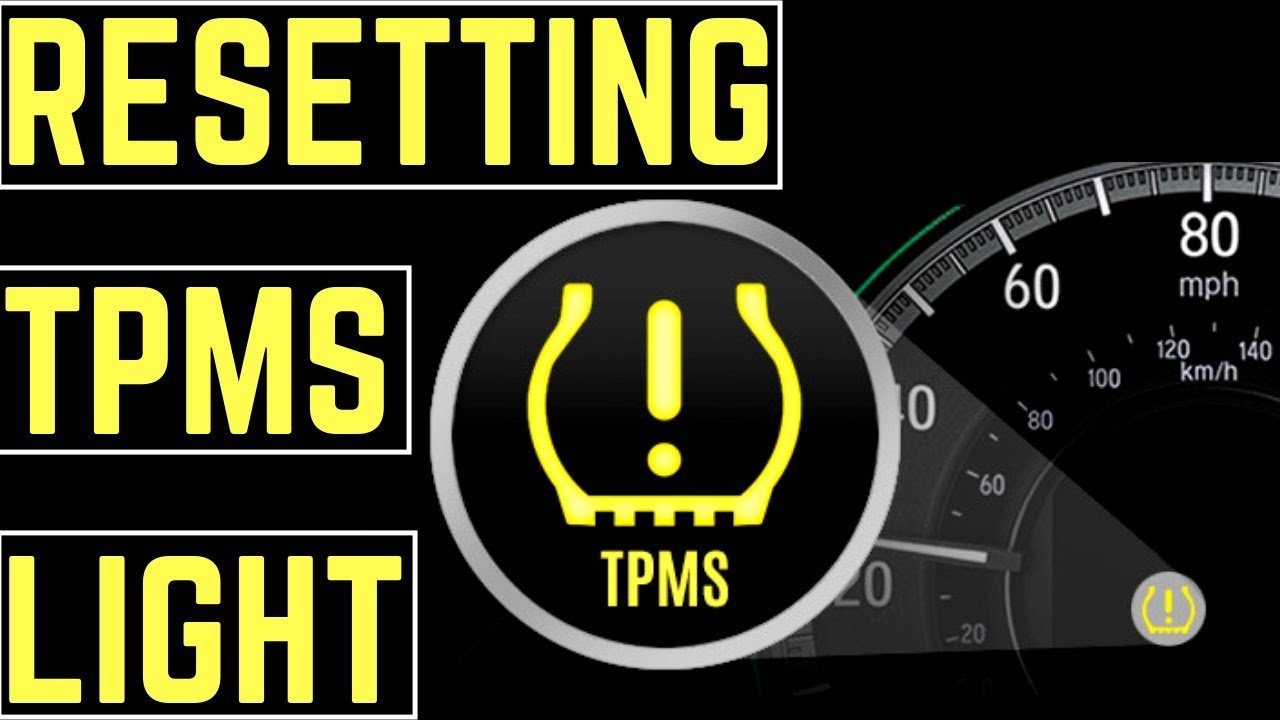
If you’re seeing that stubborn TPMS warning light glowing on your Jeep’s dashboard, you’re not alone, and you don’t have to ignore it. Your Tire Pressure Monitoring System (TPMS) is there to keep you safe by alerting you when your tires aren’t at the right pressure.
But sometimes, even after you’ve checked and adjusted your tires, the light just won’t go away. That’s frustrating, right?
The good news is, resetting the TPMS on your Jeep is easier than you might think. In this guide, you’ll learn simple, step-by-step methods to reset your TPMS quickly and get that warning light off so you can drive with confidence again.

Stick with me, and by the end, you’ll have this handled like a pro.

Tpms Basics On Jeep
The Tire Pressure Monitoring System (TPMS) on Jeep keeps track of your tire pressure. It helps you drive safely by alerting you if a tire is low.
Proper tire pressure improves fuel efficiency and tire life.
Understanding how TPMS works can help you maintain your Jeep better. Knowing common issues can save you time and money.
Here is a simple guide to TPMS basics on Jeep vehicles.
What Tpms Does
TPMS monitors the air pressure in each tire. It uses sensors inside the tires to send pressure data to your Jeep’s computer.
If pressure drops below the recommended level, the system triggers a warning light on the dashboard.
This alert helps prevent tire damage and blowouts. It also improves safety by ensuring your tires have the right pressure.
Some Jeep models even monitor the spare tire.
Common Tpms Issues
TPMS can show false warnings if tire pressure is uneven. Sensors may also fail due to battery drain or damage. Extreme weather can affect sensor accuracy.
Sometimes, the TPMS light stays on after fixing tire pressure. This often means the system needs a reset.
Another issue is sensor misalignment after tire rotation or replacement.
Regularly checking tire pressure and sensor condition helps avoid these problems. Knowing how to reset TPMS on your Jeep is useful for quick fixes.
Checking Tire Pressure
Checking tire pressure is the first step to reset the TPMS on your Jeep. Correct tire pressure ensures safety and improves fuel efficiency.
Low or high pressure can trigger the TPMS warning light on your dashboard. Regularly checking your tires can prevent this issue and help maintain your Jeep’s performance.
Finding Recommended Psi
Locate the recommended PSI for your Jeep’s tires. This information is usually on a sticker inside the driver’s door jamb.
It shows the exact tire pressure for both front and rear tires. Follow these numbers closely for the best results.
Using the correct PSI helps the TPMS system work properly.
Using A Tire Pressure Gauge
Use a tire pressure gauge to measure your tire’s air pressure. Remove the valve cap, press the gauge onto the valve stem, and read the number.
Compare it to the recommended PSI. Add or release air to reach the correct level.
Check all tires one by one for accuracy.
Including The Spare Tire
Don’t forget to check the spare tire’s pressure too. Many Jeeps have sensors on the spare tire as well.
The spare tire often gets overlooked but is important for safety. Inflate it to the recommended PSI if needed.
This step ensures the TPMS system monitors all tires correctly.
Manual Tpms Reset
Manually resetting the Tire Pressure Monitoring System (TPMS) on your Jeep is a simple way to clear warning lights after adjusting tire pressure. This method works well for most Jeep models and requires no special tools.
Following the manual reset steps helps your Jeep recognize the correct tire pressures and turn off the warning light.
The TPMS reset button is usually under the steering column. Look near the lower dashboard or close to the driver’s left knee.
The button is small and may be labeled “TPMS” or have a tire symbol. If you cannot find it, check your Jeep’s owner manual for the exact location.
Step-by-step Reset Procedure
First, turn the ignition key to the “ON” position without starting the engine. Next, press and hold the TPMS reset button.
Hold it down until the tire pressure light blinks three times. Then, release the button.
This signals the system to begin recalibrating the tire pressures. Finally, wait a few minutes for the reset to complete.
When To Drive After Reset
After pressing the reset button, start your Jeep and drive at speeds above 20 mph. Keep driving for about 10 to 15 minutes.
This allows the system to relearn and update the tire pressure sensor readings. The warning light should turn off once the system detects proper tire pressure.
Force Relearn For Sensors
Troubleshooting TPMS lights on your Jeep helps keep your tires safe. The Tire Pressure Monitoring System alerts you about tire pressure problems.
Understanding these warning lights can prevent bigger issues. Recognize the difference between flashing and solid lights.
Know the signs of dead sensor batteries. Learn when it’s time to replace sensors to maintain your Jeep’s safety.
Flashing Vs Solid Light Meaning
A flashing TPMS light means a system problem or sensor fault. It usually flashes for about a minute.
Then it stays solid if the issue continues. A solid light means low tire pressure in one or more tires.
Check your tire pressure with a gauge. Inflate tires to the recommended pressure found on the driver’s door.
A solid light should turn off after driving a few minutes.
Dead Sensor Battery Signs
TPMS sensors have batteries that last 5 to 10 years. A dead battery causes the TPMS light to flash or stay on.
The system cannot read the tire pressure without power. If the light stays on after checking tire pressure, suspect a dead sensor battery.
Sensor replacement is often needed as batteries cannot be replaced separately.
When To Replace Sensors
Replace sensors if the TPMS light stays on after tire inflation. If sensors are over 7 years old, replacement is wise.
Damage from tire changes or road impacts can require sensor replacement. A professional can scan your Jeep to check sensor status.
Keeping sensors in good condition ensures accurate pressure readings and safe driving.
Troubleshooting Tpms Lights
Using Jeep-specific tools simplifies the process of resetting the Tire Pressure Monitoring System (TPMS). These tools are designed to work with Jeep models, making the reset process faster and more reliable.
They help communicate directly with the vehicle’s sensors and control modules.
This section covers how to find the reset button in various Jeep models, use OBD-II scanners, and when to seek dealer or professional assistance for TPMS resets.
The TPMS reset button location varies by Jeep model and year. Most Jeep models place the button under the steering wheel or near the dashboard.
For example, Jeep Wrangler models often have it below the steering column. Jeep Grand Cherokee models may have it inside the glove box or center console.
To reset, turn the ignition to the “ON” position without starting the engine. Hold the reset button until the TPMS light blinks three times, then release.
Drive the vehicle at 25 mph or more for 10 minutes to complete the reset.
Using Obd-ii Scanners
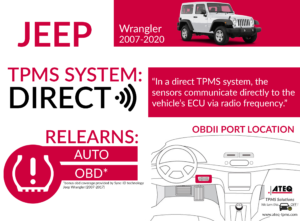
OBD-II scanners provide a more advanced way to reset TPMS on a Jeep. These devices plug into the OBD-II port, usually located under the dashboard near the driver’s seat.
Using a scanner lets you read sensor data and clear TPMS error codes.
Many OBD-II tools have a TPMS reset function. Follow the scanner instructions to access the TPMS menu.
This method is quick and can detect faulty sensors that need replacement.
Dealer And Professional Help
Sometimes, TPMS reset requires specialized tools and software only dealers or professionals have. If the reset button or OBD-II scanner doesn’t work, visit a Jeep dealer or a trusted mechanic.
They can diagnose sensor issues and perform a full system reset.
Professional help ensures proper calibration and prevents future TPMS errors. It also guarantees safety and compliance with vehicle standards.
Using Jeep-specific Tools
Preventing issues with the Tire Pressure Monitoring System (TPMS) on your Jeep keeps you safe and saves money. Good habits stop warning lights from appearing unexpectedly.
Taking care of your tires and sensors helps the system work properly. Below are simple steps to avoid common TPMS problems.
Regular Tire Pressure Checks
Check your tire pressure at least once a month. Use a reliable pressure gauge to ensure accuracy.
Inflate tires to the recommended PSI found on the driver’s door sticker. Don’t forget the spare tire; it often has a sensor too.
Proper tire pressure prevents false alerts and extends tire life.
Seasonal Tire Maintenance
Change tires according to the season, especially in areas with cold winters. Cold air causes tire pressure to drop, triggering TPMS warnings.
Rotate tires every 6,000 to 8,000 miles to keep even wear. Inspect tires for damage or leaks during maintenance visits. Well-maintained tires support sensor accuracy.
Sensor Battery Life Tips
TPMS sensors have batteries that last about 5 to 10 years. Replace sensors when batteries run low or fail.
Avoid hitting curbs or potholes to protect sensors from damage. Use a professional to install new sensors correctly.
Healthy sensors keep your TPMS reliable and prevent warning light issues.
Conclusion
Resetting the TPMS on your Jeep keeps you safe and informed. Always inflate tires to the recommended pressure.
Use the manual reset button if the light stays on. For stubborn sensors, try deflating and reinflating tires. Regular checks help avoid unexpected warnings.
Follow these simple steps to maintain your Jeep’s tire health. Stay alert and drive with confidence.