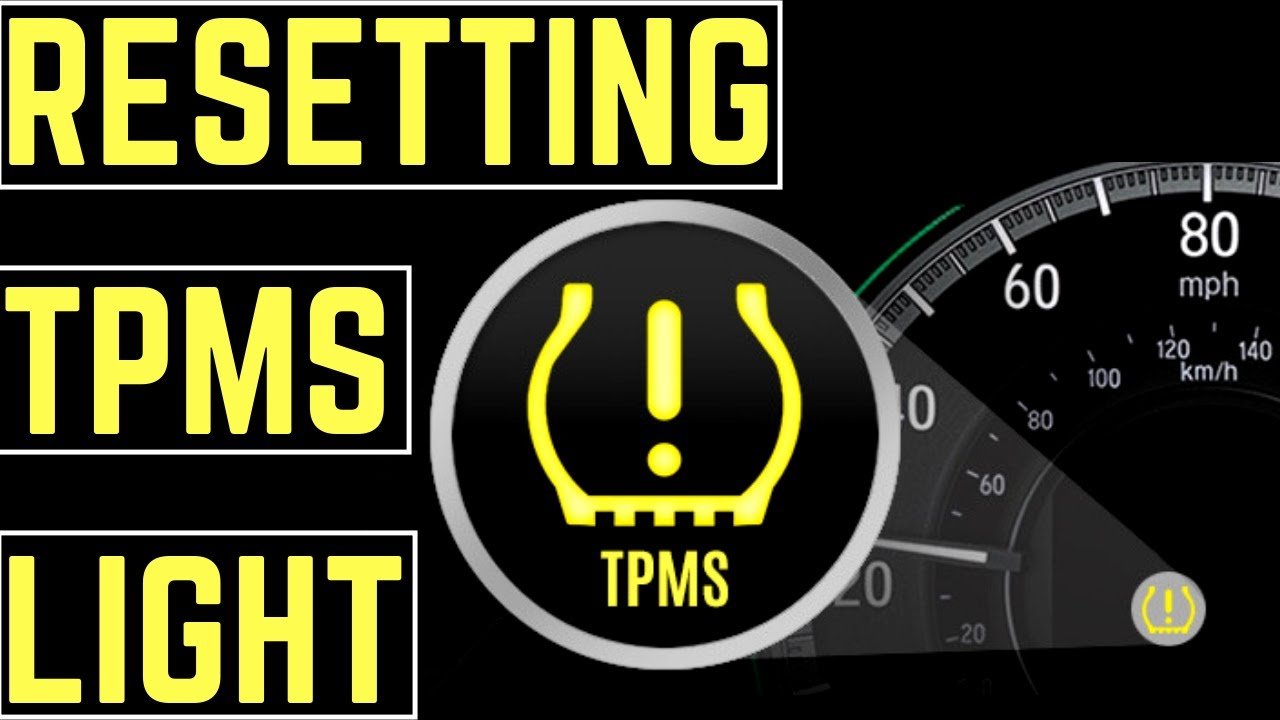
If you’ve ever seen that stubborn TPMS (Tire Pressure Monitoring System) light glowing on your Jeep Wrangler’s dashboard, you know how distracting, and sometimes confusing, it can be. You might have already checked your tire pressures and even inflated them to the right levels, but the warning light just won’t go away.
Don’t worry, you’re not alone. Resetting the TPMS on your Jeep Wrangler is easier than you think, and with the right steps, you can turn that light off yourself in no time.
In this guide, you’ll learn simple, clear instructions to get your TPMS back on track so you can hit the road with confidence and peace of mind.
Ready to fix that light once and for all?
Tpms Basics In Jeep Wrangler
The Tire Pressure Monitoring System (TPMS) in a Jeep Wrangler helps keep your tires at the right pressure. It alerts you when pressure drops below a safe level.
Knowing how TPMS works and common issues makes resetting easier. This section explains the basics of TPMS in your Jeep Wrangler.
How Tpms Works
TPMS uses sensors inside each tire to measure air pressure. These sensors send data to the vehicle’s computer.
If pressure falls too low, a warning light appears on the dashboard. The system helps prevent tire damage and improves safety. It works continuously while you drive.
Common Tpms Issues
Sometimes, TPMS sensors fail or give false warnings. Low battery in a sensor can cause errors.
Dirt or damage to sensors also leads to problems. Incorrect tire pressure or mismatched tires confuse the system.
These issues often trigger the warning light. Understanding these helps in troubleshooting and resetting TPMS.
Checking Tire Pressure
Checking tire pressure is a important step before resetting the TPMS on your Jeep Wrangler. Proper tire pressure ensures safety, improves fuel efficiency, and helps your tires last longer.
Low or uneven pressure can cause the TPMS light to stay on even if there is no real problem.
Begin by inspecting each tire carefully. Use a reliable tire pressure gauge for accuracy.
Check the tires when they are cold, as heat can increase pressure readings and give false results. Maintaining the correct pressure helps the TPMS system work properly and keeps you safe on the road.
Locating Recommended Psi
Find the recommended tire pressure for your Jeep Wrangler on the driver’s side door jamb. This label shows the exact PSI for front, rear, and sometimes spare tires.
Follow these numbers strictly. Overinflating or underinflating can cause uneven wear and affect vehicle handling.
Never guess the PSI. Using the recommended pressure helps the TPMS sensors give correct readings.
It also prevents warning lights from turning on unnecessarily. Keep a copy of this information handy for regular tire maintenance.
Including The Spare Tire
Don’t forget the spare tire. Many Jeep Wranglers come with a TPMS sensor on the spare wheel.
If the spare’s pressure is low, it can trigger the warning light. Check the spare tire’s PSI along with the others every time you check your tires.
Inflate the spare to the recommended pressure listed on the door label or spare tire cover. A properly inflated spare is ready for emergencies and keeps the TPMS system balanced.
This simple step prevents surprises and keeps your Jeep safe.
Resetting Tpms On Jeep Wrangler
Resetting the Tire Pressure Monitoring System (TPMS) on your Jeep Wrangler helps keep your tires safe and efficient. The TPMS light signals when tire pressure is low or sensors need recalibration.
Clearing this light after adjusting tire pressure or replacing tires is essential. Follow simple steps to reset TPMS and ensure your Jeep Wrangler runs smoothly.
Locate the TPMS reset button under the dashboard, near the steering wheel. Turn your ignition to the “ON” position, but do not start the engine.
Press and hold the reset button until the TPMS light blinks three times. Release the button and wait for the light to turn off.
This process tells the system to relearn the tire pressures.
Ignition And Dashboard Steps
Start by turning the ignition key to the “ON” position without starting the engine. Observe the dashboard for the TPMS warning light.
Press the brake pedal and hold the TPMS reset button until the light blinks. After blinking, release the button and turn off the ignition.
Drive the Jeep for about 10 minutes to allow the system to recalibrate. The TPMS light should turn off if the reset worked.

Manual Tpms Sensor Reset
Manually resetting the TPMS sensor on your Jeep Wrangler helps clear tire pressure warnings. This process is useful after adjusting tire pressure or rotating tires.
It ensures the system reads the correct tire pressure values. Here are two simple manual methods to reset the sensors.
Deflating And Reinflating Tires
Start by deflating each tire completely until the pressure is near zero. This action helps reset the sensor by clearing old data stored inside.
After deflation, reinflate the tires to the exact pressure recommended on the driver’s door sticker. This step recalibrates the sensors with the correct pressure reading.
Do not forget the spare tire, as it often has a sensor too. This method works best if the TPMS light stays on even after normal inflation.
It forces sensors to send fresh signals to the Jeep’s system.
When Sensors Go To Sleep
TPMS sensors sometimes enter a sleep mode to save battery life. In sleep mode, sensors stop transmitting data, causing the warning light to stay on.
To wake them up, drive the vehicle at speeds above 25 mph for about 10 minutes. This action usually reactivates the sensors and clears the warning.
If the light remains, try using the manual reset button inside the Jeep. Hold it until the TPMS light blinks three times.
This procedure signals the system to relearn sensor positions and update tire pressure data.
Troubleshooting Tpms Problems
Troubleshooting TPMS (Tire Pressure Monitoring System) problems is important to keep your Jeep Wrangler safe. The TPMS alerts you when tire pressure is low.
Sometimes, the system might show errors or fail to work properly. This section helps identify common issues and solve them quickly.
Proper troubleshooting avoids costly repairs and improves driving safety.
Identifying Sensor Failures
TPMS sensors may fail due to battery loss or damage. A dead sensor battery usually lasts 5 to 10 years.
If the sensor does not send signals, the TPMS light stays on. Check for sensor faults using a TPMS scan tool.
Faulty sensors may show error codes or no signal. Tires with damaged sensors cause uneven pressure readings.
A sensor failure often means replacement is necessary.
Replacing Faulty Sensors
Replacing a faulty sensor restores accurate tire pressure monitoring. Remove the tire from the wheel to access the sensor.
Use a valve core tool to remove the sensor from the valve stem. Install the new sensor carefully to avoid damage.
Relearn the new sensor with the Jeep’s TPMS system. This process ensures the system recognizes the new sensor. Proper installation prevents future sensor problems.
Using Diagnostic Tools
Using diagnostic tools is a reliable way to reset the TPMS on your Jeep Wrangler. These tools communicate directly with the vehicle’s computer system.
They can identify sensor issues and clear warning lights quickly. This method is especially useful for newer Jeep models or when the light stays on after adjusting tire pressure.
Diagnostic tools range from simple OBD2 scanners to advanced TPMS-specific devices. Some tools offer guided relearn procedures to sync sensors with the vehicle.
This process ensures your TPMS system works accurately and prevents false alerts.
Tpms Reset With Scan Tools
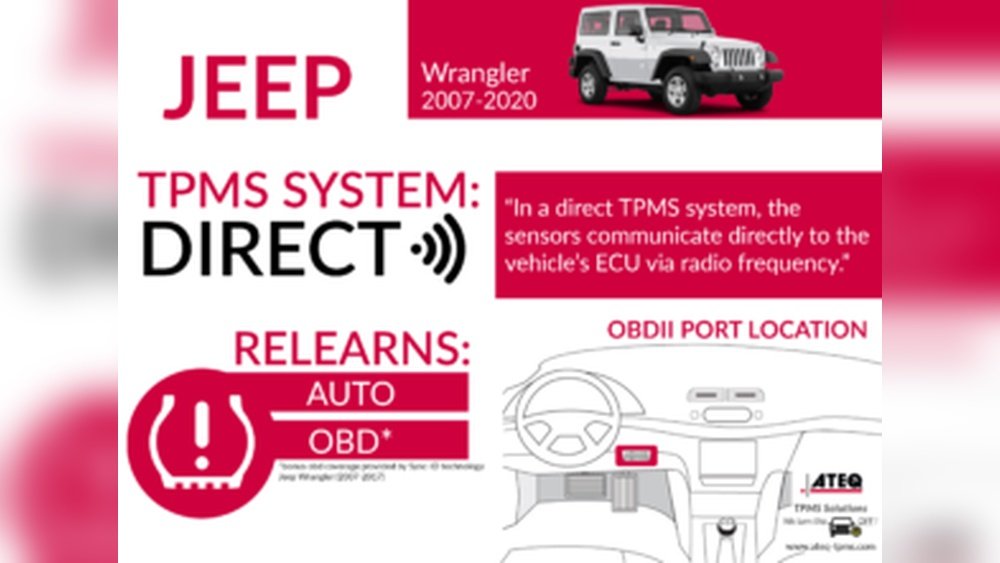
Scan tools plug into the Jeep’s OBD2 port, usually under the dashboard. After connecting, select the TPMS function on the device.
The tool will read sensor data and check for faults.
To reset, follow the on-screen prompts on your scan tool. It may ask you to confirm the tire positions or activate each sensor.
This step relearns sensor IDs and clears warning lights. The process only takes a few minutes.
Scan tools also detect dead or damaged sensors. This helps decide if replacement is needed.
Using a scan tool reduces guesswork and saves time.
Advanced Relearn Procedures
Some Jeep Wranglers require an advanced TPMS relearn. This happens when sensors are replaced or after a complete reset.
The procedure involves driving the vehicle at a steady speed.
First, inflate all tires to the recommended pressure. Then, turn the ignition on without starting the engine.
Use the scan tool or follow manual steps to start the relearn mode.
Drive the Jeep at 20-30 mph for about 10 to 15 minutes. This lets the system recognize each sensor’s signal.
The TPMS light should turn off once the relearn is complete.
Advanced relearn ensures all sensors communicate properly. It improves safety by providing accurate tire pressure readings.
Tips For Maintaining Tpms
Proper maintenance of the Tire Pressure Monitoring System (TPMS) on your Jeep Wrangler keeps your tires safe and your drives smooth. Simple steps can help you avoid false warnings and sensor damage.
These tips help extend your TPMS sensor life and ensure accurate tire pressure readings.
Regular Tire Pressure Checks
Check tire pressure often, at least once a month. Use a reliable tire gauge for accuracy.
Make sure tires match the recommended PSI found on the driver’s door sticker. Proper inflation prevents uneven wear and improves fuel efficiency.
Don’t forget to check the spare tire, as it usually has a TPMS sensor too.
Battery Life Of Tpms Sensors
TPMS sensors run on small batteries that last 5-10 years. These batteries cannot be replaced separately.
When a sensor battery dies, replace the whole sensor. Keep an eye on sensor warnings and weak signals.
Regular maintenance helps you avoid sudden TPMS failure during a trip.

Resources For Jeep Owners
Jeep Wrangler owners have access to many helpful resources. These tools offer clear guidance on resetting the TPMS.
They provide step-by-step instructions and useful tips. Using these resources will save time and prevent errors.
They ensure your Jeep runs safely with proper tire pressure.
Owner’s Manual And Support Portal
The owner’s manual is the first place to check. It explains the TPMS system clearly.
You will find instructions on how to reset the tire pressure light. The manual includes tire pressure specifications for your Jeep model.
It also warns about common mistakes to avoid.
Jeep’s official support portal is another great resource. It offers downloadable manuals and FAQs.
You can access guides tailored to your Wrangler’s year and trim. The portal sometimes has software updates for TPMS sensors.
Customer service is available for more complex issues.
Jeep Wrangler Forums And Videos
Online forums bring together Jeep owners worldwide. These communities share personal experiences and solutions.
You will find detailed posts about TPMS resets specific to Jeep Wranglers. Members often post pictures and step-by-step advice.
Instructional videos show the reset process visually. They help clarify tricky steps and button locations.
Watching a video can boost your confidence before trying it yourself. Many videos cover different Wrangler models and TPMS versions.
This variety helps you find the exact info you need.
Conclusion
Resetting the TPMS on your Jeep Wrangler keeps you safe on the road. Check tire pressure regularly to avoid warning lights.
Use the reset button after inflating tires to the correct PSI. Sometimes, sensors may need extra attention or replacement.
Follow simple steps to keep the system working right. Stay alert and maintain your tires for better driving.
This small task can save time and prevent bigger problems later.