If you’re driving a 2013 Jeep Wrangler and notice that pesky Tire Pressure Monitoring System (TPMS) light glowing on your dashboard, it’s natural to want it off, and fast. That warning light isn’t just a nuisance; it’s telling you something important about your tire pressure.
But don’t worry, resetting your TPMS doesn’t have to be complicated or expensive. In this guide, you’ll learn exactly how to reset the TPMS on your Jeep Wrangler quickly and easily.
By following a few simple steps, you’ll get your light to turn off and your confidence back on the road.

Ready to take control of your Jeep’s tire pressure system?
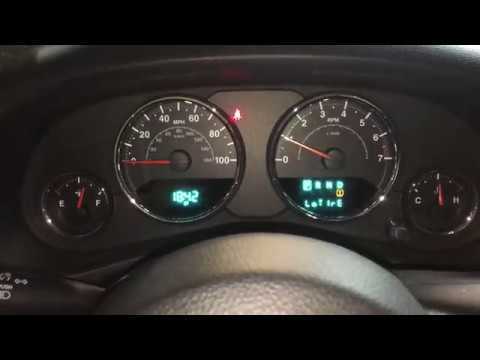
Tpms Basics For 2013 Jeep Wrangler
The Tire Pressure Monitoring System (TPMS) is an important safety feature on your 2013 Jeep Wrangler. It helps you keep track of your tire pressure without using a manual gauge. This system alerts you if any tire’s pressure falls below the recommended level. Maintaining the right tire pressure improves your driving safety and fuel efficiency.
Understanding how the TPMS works will help you reset it correctly when needed. This section explains what TPMS does, where the sensors are located, and common issues you might face.
What Tpms Does
TPMS monitors the air pressure inside your tires. It uses sensors to send pressure data to the vehicle’s computer.
The system alerts you with a warning light on the dashboard if pressure is too low. This helps prevent tire damage and keeps you safe on the road.
Tpms Sensor Location
Your 2013 Jeep Wrangler has TPMS sensors inside each tire’s valve stem. These small devices measure the air pressure constantly.
The sensors send signals wirelessly to the car’s computer. Some models also have a sensor in the spare tire.
Common Tpms Issues
Sometimes, TPMS warnings can appear even if tire pressure is fine. Dead or weak sensors often cause this problem.
A sensor’s battery usually lasts 5 to 10 years. Other issues include sensor damage or faulty readings after tire changes.
Resetting the system may fix many common problems.
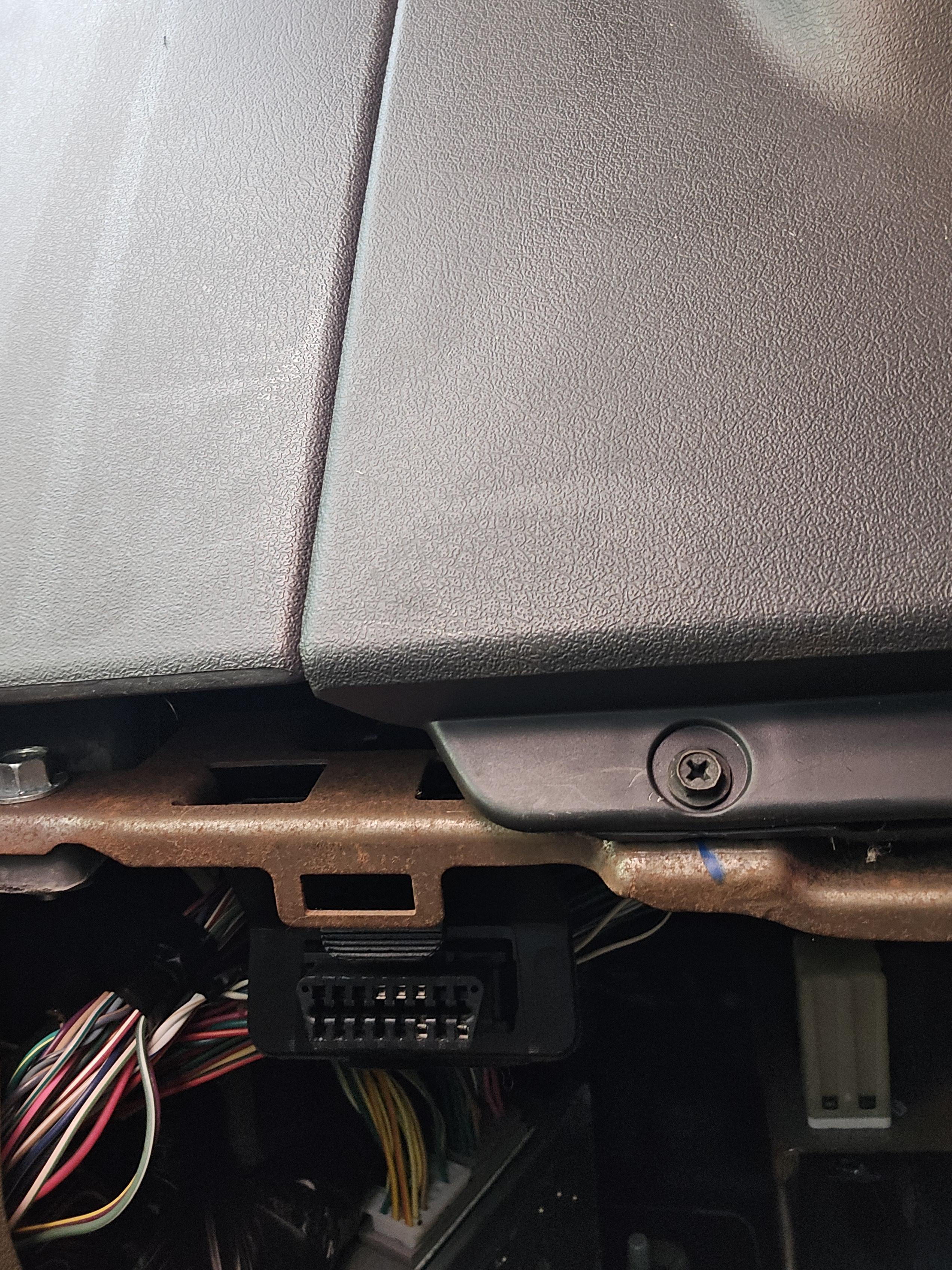
Preparing For Tpms Reset
Maintaining your TPMS system in a 2013 Jeep Wrangler helps keep your tires safe and efficient. The system alerts you if tire pressure drops too low.
Keeping it in good shape prevents unexpected flats and saves fuel. Regular care ensures the sensors work well and last longer.
Regular Tire Pressure Checks
Check tire pressure at least once a month. Use a reliable tire gauge for accuracy.
Compare the pressure with the recommended PSI on the door jamb sticker. Adjust pressure when tires are cold for correct readings.
Proper inflation improves tire life and vehicle safety.
Sensor Battery Replacement
TPMS sensors have batteries that wear out over time. Usually, they last 5 to 10 years depending on use.
Replace the sensor or its battery if the system stops working. A dead battery causes the TPMS light to stay on.
Visit a mechanic or tire shop for replacement.
Updating Tpms After Tire Changes
Reset the TPMS after rotating or changing tires. New tires or wheels may need sensor reprogramming.
Use the reset button under the steering wheel or consult your owner’s manual. Driving for a few minutes often helps the system relearn sensor positions.
This step prevents false warnings and keeps the system accurate.

Conclusion
Resetting the TPMS on your 2013 Jeep Wrangler keeps your tires safe and efficient. Check tire pressures first and inflate to recommended levels.
Use the reset button under the steering wheel until the light blinks three times. Drive a few miles to allow the system to recalibrate.
If the light stays on, inspect sensors or visit a mechanic. Regular TPMS resets help avoid tire damage and improve fuel economy.
Stay safe by maintaining correct tire pressure and resetting the system when needed.



















