Resetting tire pressure on a Jeep Wrangler is a common task, especially after changing tires or adjusting air levels. The process isn’t complicated, but knowing the right steps can save you time and prevent mistakes.
If you ignore tire pressure warnings, you risk poor handling and reduced fuel efficiency.
This guide will help you reset tire pressure correctly, understand the sensor system, and avoid common errors. Whether you’re a new Jeep owner or simply want to keep your vehicle in top shape, you’ll find everything you need here.
Understanding Tire Pressure Monitoring System (tpms)
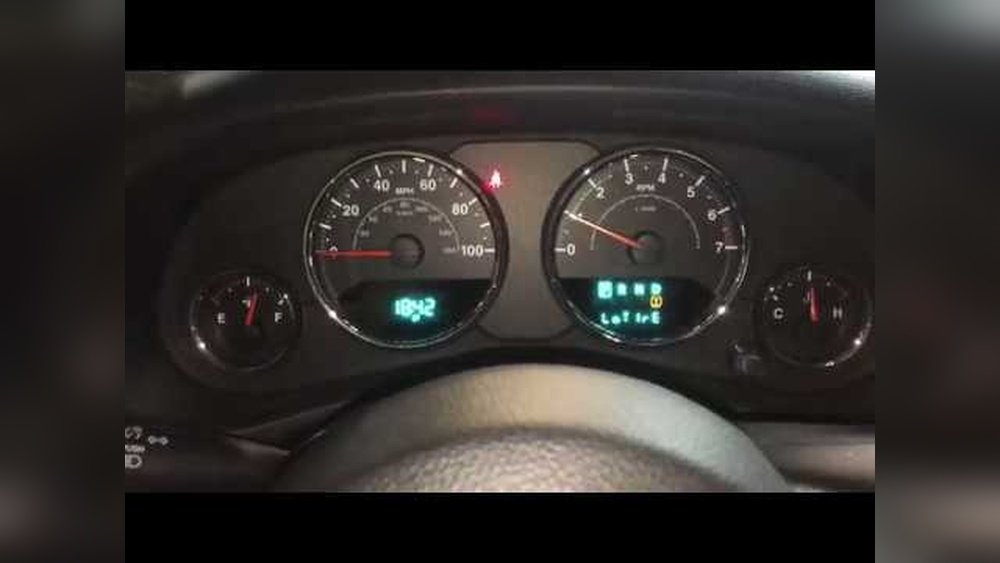
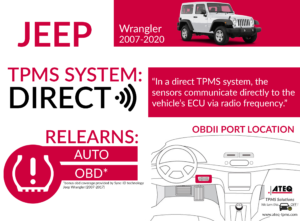
Jeep Wranglers are equipped with a TPMS to monitor air pressure in each tire. The system uses sensors to detect low pressure and sends alerts to the dashboard. If pressure falls below the recommended level, a warning light appears.
How Tpms Works
- Sensors are inside each tire, usually attached to the valve stem.
- They send real-time data to the vehicle’s computer.
- The dashboard displays a warning when pressure is too low.
Recommended Tire Pressure
Most Jeep Wranglers require 35 psi for factory tires. However, always check your owner’s manual or the sticker inside the driver’s door for exact numbers. Overinflated or underinflated tires can cause uneven tread wear and affect driving stability.
Steps To Reset Tire Pressure On Jeep Wrangler
Resetting tire pressure involves both adjusting the pressure and resetting the TPMS system. Follow these steps for accurate results.
1. Check Current Tire Pressure
Use a digital tire gauge for precise readings. Check each tire, including the spare if your Jeep has a full-size spare mounted.
2. Inflate Or Deflate Tires
Adjust the air to match recommended psi:
- For inflation, use a portable air compressor.
- For deflation, release air slowly using the valve stem.
3. Drive To Activate Tpms
After adjusting, drive your Jeep for about 10 minutes at speeds above 15 mph. This allows sensors to recalibrate and send new data.
4. Monitor Dashboard Warning
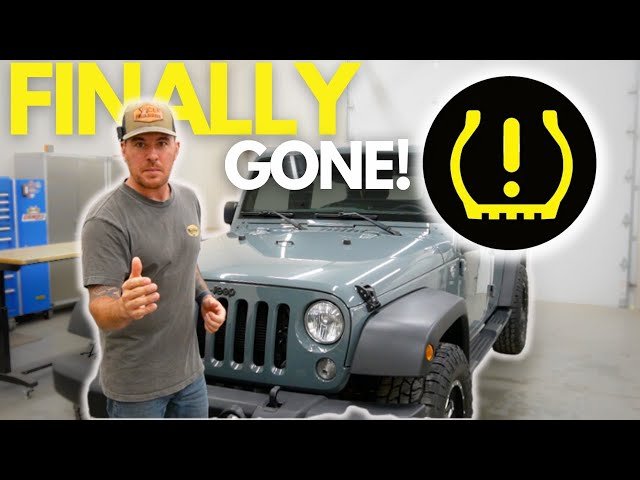
The TPMS warning light should turn off within 10-20 minutes. If it stays on, recheck all tires and repeat the process.
5. Manual Tpms Reset (if Needed)
Some Jeep Wrangler models have a manual reset function:
- Turn the ignition to ON, but do not start the engine.
- Press and hold the TPMS reset button (usually found beneath the steering wheel) for 3 seconds.
- Wait for the warning light to blink and then release.
- Start the engine and drive for 10-20 minutes.
Not all models have a reset button. If yours doesn’t, rely on driving after adjusting pressure.

Common Problems And Solutions
Sometimes, the TPMS system doesn’t reset as expected. Here’s how to troubleshoot:
- Sensor damage: If you changed tires or hit a pothole, sensors may be damaged. Inspect and replace if needed.
- Battery issue: TPMS sensors use small batteries, which last 5-10 years. If your Jeep is older, consider sensor replacement.
- Incorrect pressure: Double-check readings with two gauges to avoid errors.
Tpms Sensor Comparison Table
Here’s a quick comparison between OEM and aftermarket TPMS sensors:
| Sensor Type | Battery Life | Accuracy | Price Range |
|---|---|---|---|
| OEM | 7-10 years | High | $40-$100 |
| Aftermarket | 5-8 years | Moderate | $25-$60 |
Best Practices For Tire Maintenance
Keeping your Jeep Wrangler’s tires in good shape improves safety and comfort. Here are practical tips:
- Check pressure monthly or before long trips.
- Rotate tires every 6,000-8,000 miles.
- Inspect for punctures, cracks, or uneven wear.
- Avoid overinflating, which can make the ride harsh.
Tire Pressure Vs. Performance Table
See how tire pressure affects different aspects of performance:
| Pressure Level | Fuel Efficiency | Handling | Tread Wear |
|---|---|---|---|
| Low | Reduced | Poor | Increased |
| Optimal | Best | Stable | Normal |
| High | Improved | Stiff | Uneven |
Non-obvious Insights For Beginners
- Temperature changes: Cold weather can lower tire pressure by 1-2 psi per 10°F drop. Always check pressure after a temperature change.
- Altitude: If you travel to higher elevations, air pressure changes. Check and reset pressure when driving in mountains.
Real-world Example
Imagine you’re off-roading and lower your tire pressure for better traction. After finishing, you forget to reinflate tires.
The TPMS warning stays on, and your Jeep feels sluggish. By following the steps above, you can quickly restore proper pressure, reset the warning, and enjoy smooth driving again.
Frequently Asked Questions
How Often Should I Check Tire Pressure On My Jeep Wrangler?
You should check tire pressure at least once a month and before any long trips. Changes in temperature or driving conditions can affect pressure quickly.
What Should I Do If The Tpms Warning Light Stays On After Resetting?
Double-check all tire pressures, including the spare. If the warning still stays on, inspect sensors for damage or visit a mechanic for further diagnosis.
Can I Use Aftermarket Tpms Sensors On A Jeep Wrangler?
Yes, you can use aftermarket sensors. However, OEM sensors generally offer better compatibility and accuracy. Refer to your owner’s manual for approved types.
Is It Safe To Drive With The Tpms Warning Light On?
It’s not recommended. Low tire pressure can cause poor handling and increase the risk of tire failure.
Always fix the issue before driving long distances.
Where Can I Find Official Tire Pressure Recommendations For My Jeep Wrangler?
Check the sticker inside the driver’s door or your owner’s manual. For more details, visit the official Jeep website.
Resetting tire pressure and keeping your TPMS system working is simple with the right steps. Pay attention to sensor health, check pressure regularly, and don’t ignore warning lights.
With these habits, your Jeep Wrangler will stay safe and ready for adventure.