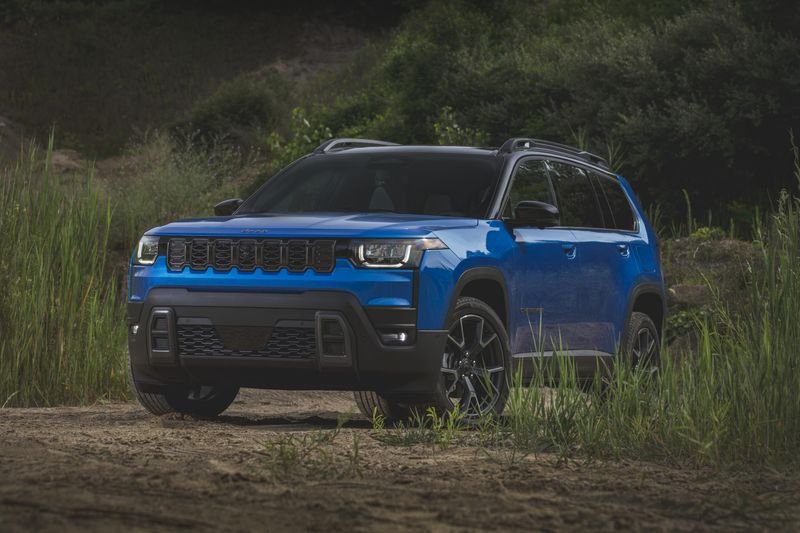
If you drive a Jeep Rubicon, you know how important tire pressure is for safety and off-road performance. But when the tire pressure warning light stays on—even after you’ve checked your tires—it can be confusing and annoying. This guide explains simple steps to reset the tire pressure light, why the warning appears, and mistakes to avoid. Whether you’re new to Jeeps or an experienced off-roader, you’ll find tips here that help keep your ride smooth and safe.
Why The Tire Pressure Light Comes On
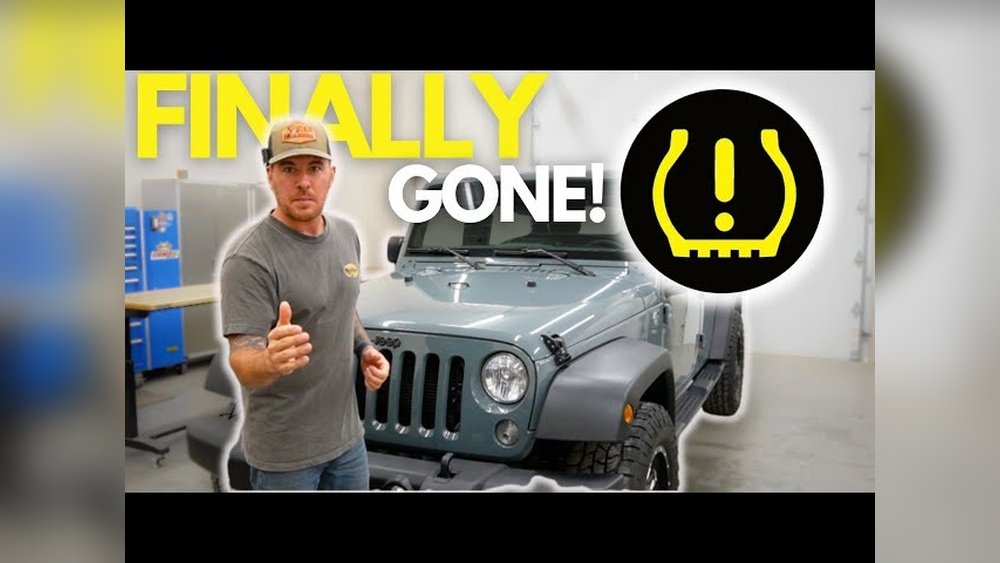
The tire pressure monitoring system (TPMS) checks the air pressure in each tire. If any tire drops below the recommended level, the tire pressure light will turn on. This warning helps prevent driving on underinflated tires, which can cause poor handling and even tire failure.
Common reasons the light appears:
- Sudden temperature changes
- Slow leaks or punctures
- After airing down for off-road driving and not refilling to road pressure
Sometimes, the light stays on even after you fix the pressure. This means you need to reset the system.
Step-by-step: How To Reset The Tire Pressure Light
Resetting the tire pressure light on a Jeep Rubicon is usually simple. Here are the main steps:
1. Check And Adjust Tire Pressure
Start by making sure all tires are at the correct PSI (pounds per square inch).
- For most Jeep Rubicons, recommended pressure is 35 PSI (check your door sticker).
- Use a reliable tire gauge.
- Don’t forget the spare tire—some models have a sensor there too.
2. Drive To Trigger The Tpms
After filling the tires, drive the Jeep for about 10–20 minutes at speeds over 15 mph. This lets the sensors reset and the light often turns off automatically.
3. Manual Reset (if Light Stays On)
If the light doesn’t go off:
- Turn the ignition to “ON” but don’t start the engine.
- Hold the TPMS reset button (usually under the steering wheel) until the light blinks three times.
- Start the engine and let it run for 20 minutes to recalibrate the sensors.
Not all Rubicons have a reset button. If yours doesn’t, simply driving after correcting pressure should work.
4. Disconnect The Battery (last Resort)
If the light is still on, you can try resetting the system by disconnecting the car battery:
- Turn off the engine.
- Use a wrench to remove the negative (black) battery cable.
- Wait 10–15 minutes.
- Reconnect the cable and start the Jeep.
Be aware: this will reset the clock and radio presets.
5. Scan Tool Reset (for Persistent Problems)
Some newer Jeeps need a diagnostic tool to clear the TPMS alert. Most auto shops or Jeep dealers can do this.
Common Mistakes To Avoid
Many Jeep owners make small errors that keep the light on. Watch out for these:
- Ignoring the spare tire: If your Rubicon has a sensor in the spare, low pressure there will keep the light on.
- Overinflating: Adding too much air can also trigger a warning.
- Damaged sensors: Hitting rocks off-road can break a TPMS sensor.
- Not driving enough after refilling: The system needs a short drive to update.
How The Jeep Rubicon Tpms Compares
Jeep Rubicon’s TPMS is more advanced than some older SUVs. Here’s how it compares to other common systems:
| Feature | Jeep Rubicon | Older SUVs | Other Modern SUVs |
|---|---|---|---|
| Sensor Location | Inside each tire, sometimes spare | Only main tires | Main tires, usually not spare |
| Direct Pressure Reading | Yes | No | Yes |
| Manual Reset Button | Sometimes | Rarely | Sometimes |
| Scan Tool Needed | Occasionally | No | Sometimes |
Many Rubicons have sensors in all five tires, so always check the spare.
When To See A Professional
If you’ve followed all the steps and the light still won’t go off, it’s time to visit a shop. You might have a faulty sensor, damaged wiring, or a computer problem.
Some signs you need expert help:
- Light flashes, then stays on (not just solid)
- Warning comes back after every reset
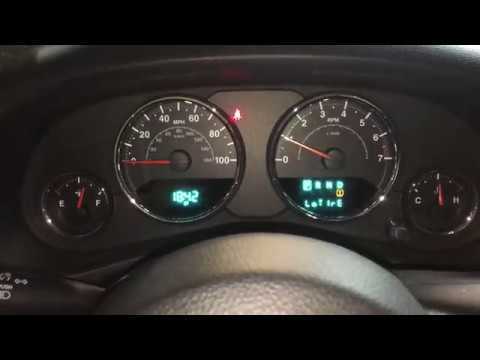
- TPMS warning with other dash alerts
A mechanic can use a scan tool to find the exact problem.
Extra Tips For Jeep Owners
- Use quality gauges: Cheap tire gauges can give wrong readings.
- Check after off-roading: Dirt or mud can damage sensors.
- Seasonal changes: Cold weather lowers pressure, so check tires often in winter.
- Replace sensors with tires: TPMS batteries last 5–10 years; change them with new tires for peace of mind.
Real-world Example: Off-road Pressure Changes
Many Rubicon owners air down tires for better grip off-road. If you do this, remember to air back up to recommended PSI before highway driving.
If you forget, the TPMS light will stay on and handling may be unsafe.
Here’s a quick comparison of pressures:
| Situation | Recommended PSI |
|---|---|
| Highway Driving | 35 PSI |
| Off-road Trails | 15–20 PSI |
| After Re-inflation | 35 PSI |
Always bring a portable air compressor if you plan to adjust tire pressure for trails.
The Importance Of Correct Tire Pressure
Driving with the right PSI is more than just turning off a dash light. Proper pressure gives you:
- Better fuel economy
- Safer handling
- Longer tire life
Driving on underinflated tires can use up to 3% more fuel and wear tires 25% faster. That’s why resetting the tire pressure light correctly is important for both safety and your wallet.
For more detailed information on TPMS, check out the official Wikipedia page.
Frequently Asked Questions
How Long Does It Take For The Tire Pressure Light To Turn Off After Filling The Tires?
Usually, the light turns off within 10 20 minutes of driving at speeds over 15 mph. If it stays on, try a manual reset.
Does The Spare Tire Have A Sensor On A Jeep Rubicon?
Many Rubicons have a TPMS sensor in the spare tire. Always check and fill the spare to the recommended pressure.
Can I Drive With The Tire Pressure Light On?
It’s not safe to ignore the light. Check all tires as soon as possible driving with low pressure can cause accidents or tire damage.
What If The Tpms Light Flashes And Then Stays On?
A flashing light often means a sensor or system problem, not just low pressure. See a mechanic for diagnosis.
Will Disconnecting The Battery Damage My Jeep Rubicon?
Disconnecting the battery is safe if done carefully, but you may lose radio presets and clock settings. Only use this step if other resets fail.
A working tire pressure system keeps your Jeep Rubicon ready for any adventure. Resetting the light is simple with these steps so you can drive with confidence, both on and off the road.