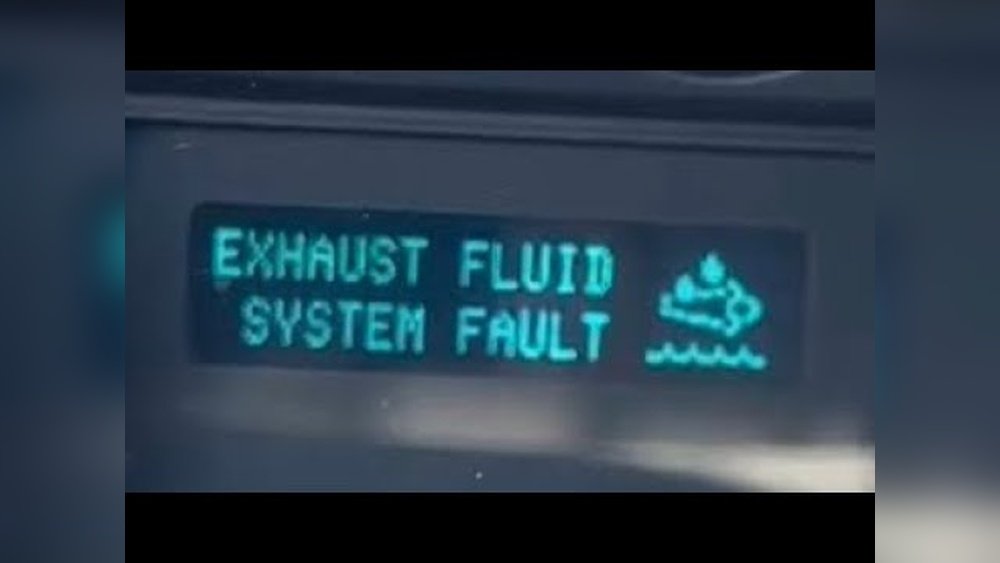
If you drive a 2018 Jeep Wrangler, you know how important the tire pressure light is. This small warning tells you when your tires are under-inflated.
But sometimes, the light stays on even after you fix the tire pressure. This can be confusing, especially if you’re not sure how to reset it.
Let’s look at why this happens and how you can safely reset the tire pressure light yourself. You’ll also learn how the system works, common mistakes to avoid, and tips to keep your tires healthy.
Why The Tire Pressure Light Comes On
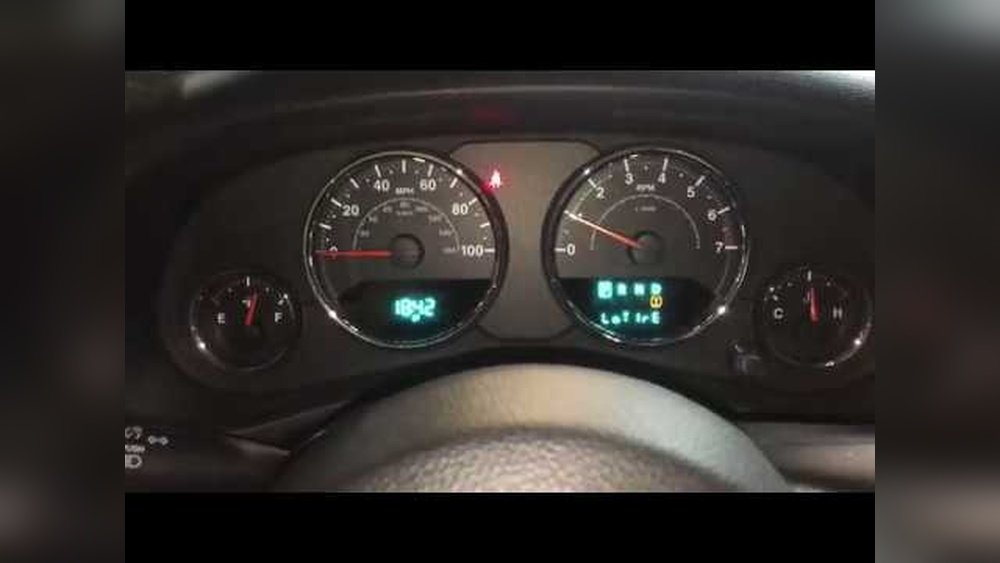
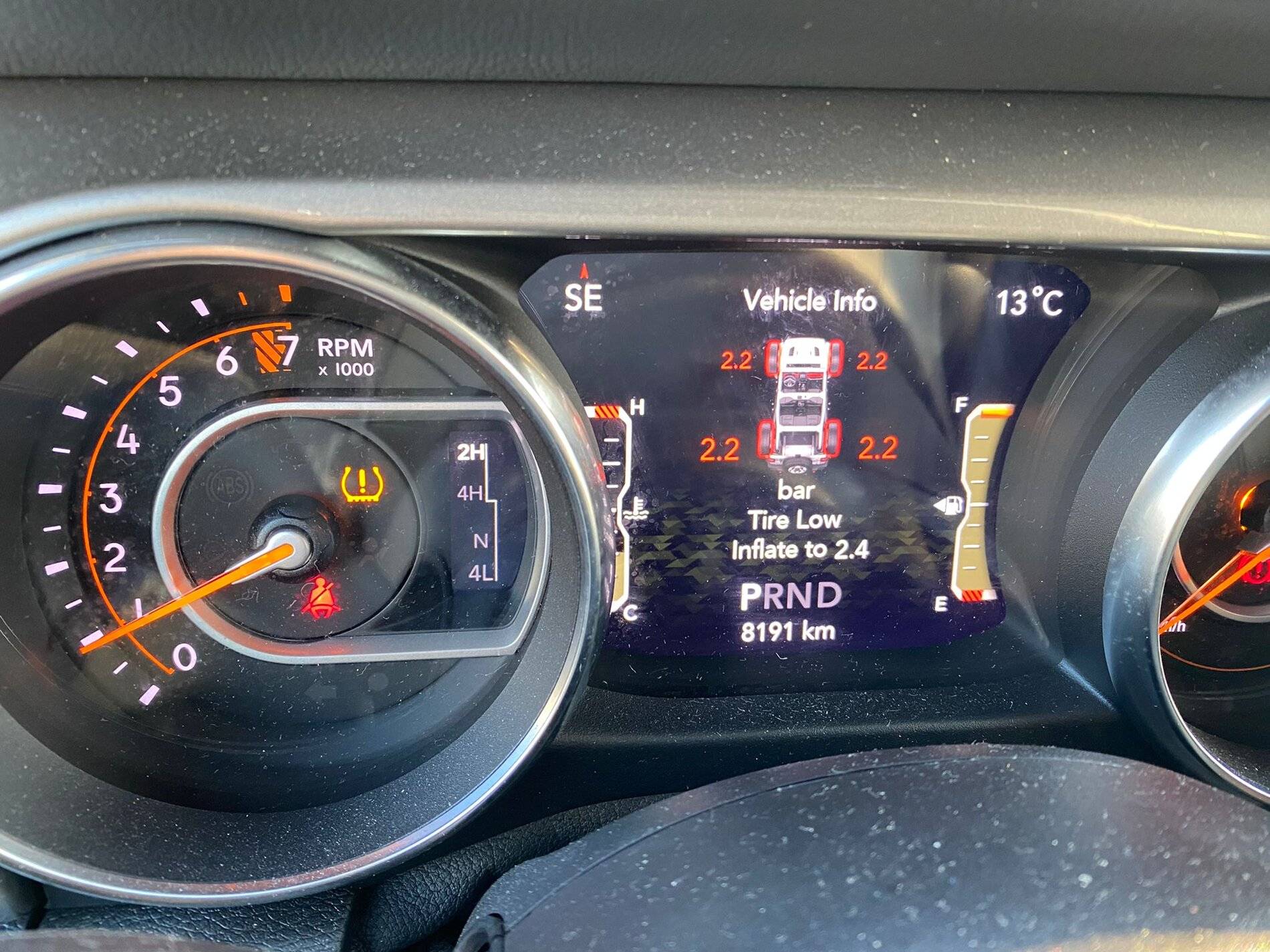
The tire pressure light, also called the TPMS (Tire Pressure Monitoring System) indicator, turns on when at least one tire is too low on air. The system uses sensors inside each tire to measure air pressure. If the pressure drops below a safe level, the light comes on.
Many drivers think the light is only about safety, but it also affects your Jeep’s performance. Low tire pressure causes:
- Poor fuel economy
- Less traction
- Faster tire wear
- Risk of tire blowouts
Sometimes, the light stays on even after you refill the tires. This usually means the sensors need a reset, or there’s another issue.
How The Tpms Works In The 2018 Jeep Wrangler
Your Jeep’s TPMS checks each tire’s pressure automatically. The sensors send information to the dashboard computer.
If any tire is below the recommended PSI (pounds per square inch), the light turns on.
Recommended tire pressure for the 2018 Jeep Wrangler is usually 35 PSI for stock tires. Always check the sticker inside your driver’s door or your manual for the right number.
There are two types of TPMS sensors:
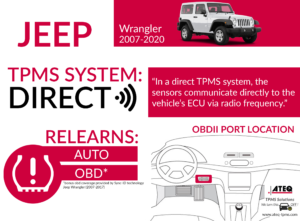
- Direct sensors: Installed inside the tire, measure air pressure directly.
- Indirect sensors: Use ABS (anti-lock braking system) to detect changes in wheel speed, which can indicate low tire pressure.
The Wrangler uses direct sensors, which are more accurate but can sometimes fail or need recalibration.
Steps To Reset The Tire Pressure Light
Resetting the tire pressure light is simple if you follow these steps. You don’t need special tools, but patience helps. Here’s how to do it:
1. Check Tire Pressure
Start by checking all four tires with a reliable gauge. Make sure each tire is at the recommended PSI. Don’t forget the spare tire, which sometimes has a sensor too.
2. Inflate Tires To Correct Psi
If any tire is low, use an air compressor to fill it. Over-inflating is as bad as under-inflating, so aim for the exact number.
3. Drive For 10–20 Minutes
After inflating, drive your Jeep at speeds above 15 mph for at least 10 minutes. This allows the sensors to update and communicate with the computer.
4. Turn Off And Restart The Engine
Sometimes, turning your Jeep off and back on will reset the system. Wait a few minutes before restarting.
Some Wranglers have a reset button under the steering wheel or in the glove box. Press and hold it until the light blinks three times. Release the button and wait. If your model doesn’t have this button, skip this step.
6. Disconnect And Reconnect The Battery (optional)
If the light stays on, disconnect the negative battery cable for 10 minutes, then reconnect. This can force a full system reset.
Only do this if you’re comfortable working with car batteries.
7. Scan For Fault Codes
If the light still won’t turn off, use an OBD-II scanner to check for error codes. These scanners can read TPMS codes and help you identify faulty sensors.
Comparison: Manual Vs Automatic Reset Methods
Sometimes, the TPMS resets automatically after you inflate the tires. Other times, you must follow steps like driving or pressing a button. Here’s how they compare:
| Method | Speed | Ease | Success Rate |
|---|---|---|---|
| Automatic (Driving) | Fast (10–20 min) | Very Easy | High |
| Manual (Button/Battery) | Medium (10–30 min) | Moderate | Medium |
| OBD-II Scanner | Fast (5–10 min) | Requires tool | High (if sensor faulty) |
Common Mistakes When Resetting The Tire Pressure Light
Many people make mistakes that prevent the light from resetting. Here are a few:
- Ignoring the spare tire: If your Jeep has a sensor in the spare, it must be checked too.
- Using inaccurate gauges: Cheap gauges can show wrong numbers. Use a digital or quality analog gauge.
- Not driving after inflating: The sensors need time to update. Driving helps.
- Overfilling tires: Too much air can trigger the light as well.
- Skipping the battery reset: Some stubborn lights need a battery disconnect.
- Not checking for sensor damage: Sensors can get damaged during tire changes.
Data: How Often Tpms Issues Occur In Jeeps
TPMS problems are common in modern SUVs. According to a 2022 survey by the National Highway Traffic Safety Administration, about 14% of drivers have experienced a TPMS warning in the past year. For Jeep Wranglers, the rate is slightly higher due to off-road use and tire changes.
| Vehicle Type | TPMS Issue Rate (%) | Average Repair Cost ($) |
|---|---|---|
| Jeep Wrangler | 16 | 120 |
| Other SUVs | 14 | 110 |
| Sedans | 10 | 100 |
Practical Tips For Keeping Tire Pressure Light Off
Avoiding TPMS warnings is easier than you think. Here’s how:
- Check tire pressure monthly: Don’t wait for the light. Prevent issues with regular checks.
- Replace sensors every 5–7 years: Sensors wear out.
- Use quality tires: Cheap tires can lose air quickly.
- Avoid harsh impacts: Hitting curbs or rocks can damage sensors.
- Rotate tires regularly: This helps keep pressure even.
- Store your Jeep properly: Extreme cold or heat can affect air pressure.
A non-obvious tip: If you often off-road, mud and debris can block the sensor signals. Clean your wheels when you return.
Diagnosing Sensor Problems
Sometimes, the light stays on because a sensor is broken. You can test this with an OBD-II scanner or at a mechanic. Signs of sensor failure include:
- Light flashes or stays on after reset
- Sensor battery dead (most last 5–7 years)
- Error codes on scanner
Replacing a sensor costs about $50–$120 per tire. Always use OEM (original) parts for best results.
Example: Resetting The Tpms After Tire Change
Imagine you just changed a tire on your 2018 Jeep Wrangler. The light comes on. You check the pressure, inflate the tire, but the light stays on. Here’s what you do:
- Drive for 15 minutes above 15 mph.
- If the light is still on, turn off and restart the engine.
- Check the spare tire’s pressure.
- If needed, disconnect the battery for 10 minutes.
- If none of these work, scan for error codes.
This step-by-step method solves most TPMS issues after tire changes.
Table: Sensor Lifespan Comparison
Let’s compare sensor lifespans for popular vehicles:
| Model | Sensor Lifespan (Years) | Replacement Cost ($) |
|---|---|---|
| Jeep Wrangler | 6 | 110 |
| Ford F-150 | 7 | 115 |
| Toyota Tacoma | 6 | 100 |
When To See A Mechanic
If you’ve tried all the steps and the light won’t reset, it’s best to visit a mechanic. Signs you need help:
- TPMS warning flashes, not just solid
- Tire pressure is fine, but warning stays on
- You see error codes you don’t understand
Technicians can check wiring, sensors, and the computer. Sometimes, a sensor needs to be reprogrammed or replaced.
Advanced: Reprogramming Tpms Sensors
If you change wheels or sensors, you may need to reprogram the TPMS system. Some auto shops have tools for this, but you can also buy a TPMS reprogramming tool online.
This is only needed after major changes, not regular resets.
Why Tire Pressure Matters
Correct tire pressure is more than a warning light. It affects:
- Safety: Properly inflated tires grip better and stop faster.
- Longevity: Tires last longer when pressure is right.
- Comfort: The ride is smoother.
- Fuel economy: You save money on gas.
Data from the US Department of Energy shows that under-inflated tires can reduce fuel economy by up to 3%. For a Wrangler, that’s about 30–50 miles per tank lost.
Frequently Asked Questions
How Do I Know My Tire Pressure Is Correct?
Check with a digital tire gauge. Compare the number to the sticker inside your driver’s door.
Can I Reset The Tire Pressure Light Without Driving?
Usually, you must drive for the sensors to update. Some models allow a manual reset, but driving is fastest.
Why Does The Light Stay On After Filling My Tires?
Sensors may take time to update. If the light stays on, check for damaged sensors or try the battery reset.
Is It Safe To Ignore The Tire Pressure Light?
No. Driving with low tire pressure is dangerous.
It can cause accidents or damage your tires.
Where Can I Get Reliable Information On Tpms?
The official National Highway Traffic Safety Administration offers trustworthy advice.
Resetting the tire pressure light on your 2018 Jeep Wrangler is simple if you follow the right steps. Always check your pressure, drive to update sensors, and use quality tools.
Avoid common mistakes, keep your sensors healthy, and enjoy safer driving every day.