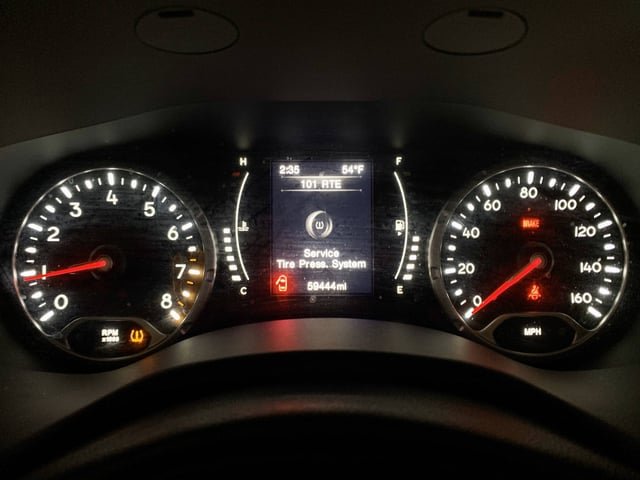
If you drive a 2017 Jeep Renegade, chances are you have seen the tire pressure warning light on your dashboard at least once. This little symbol, often shaped like a horseshoe with an exclamation mark, means your Tire Pressure Monitoring System (TPMS) has detected a problem.
For new drivers or car owners, a warning light can feel stressful. The good news?
Resetting the tire pressure light is usually simple, especially if you know what to do. By understanding why this light comes on and learning the right steps to reset it, you can drive safely and avoid unnecessary trips to the mechanic.

Why The Tire Pressure Light Comes On
The TPMS in your Jeep Renegade is designed to alert you when one or more tires are underinflated. This system uses sensors mounted inside the wheels to monitor air pressure. When the pressure drops about 25% below the recommended level, the light turns on. This can happen for many reasons:
- Temperature changes: Cold weather can make the air inside your tires contract, lowering the pressure.
- Tiny leaks: Even a small puncture can slowly reduce tire pressure over days or weeks.
- Natural loss: Tires naturally lose a small amount of air over time.
Driving with low tire pressure is dangerous. It can cause poor handling, longer stopping distances, lower fuel efficiency, and even tire blowouts.
Checking Tire Pressure On A 2017 Jeep Renegade
Before you reset the warning light, always check the actual tire pressures. Here’s how:
- Park your Renegade on a flat surface and turn off the engine.
- Find the recommended tire pressure on the sticker inside the driver’s door or in your owner’s manual. For most 2017 Jeep Renegades, it’s 35 psi (pounds per square inch) for all four tires, but always double-check.
- Remove the valve cap from each tire and use a reliable tire pressure gauge.
- Compare the reading to the recommended psi.
- If any tire is low, add air at a gas station or use a home compressor.
- Re-check the pressure after filling. Don’t overinflate.
Example Data: Typical Tire Pressures
| Tire Position | Recommended PSI | Common Low PSI |
|---|---|---|
| Front Left | 35 | 28-32 |
| Front Right | 35 | 28-32 |
| Rear Left | 35 | 28-32 |
| Rear Right | 35 | 28-32 |
How To Reset The Tire Pressure Light
Once you have adjusted all your tires to the correct pressure, the TPMS light should turn off after a short drive. But sometimes, the light stays on. Here are the main steps to reset it on your 2017 Jeep Renegade:
1. Drive For 10-15 Minutes At 15 Mph Or More
The most common way to reset the TPMS on a Jeep Renegade is to drive the car for at least 10 minutes at speeds over 15 mph. The sensors need time to detect the new pressures and communicate with the system.
Make sure your tires are at the correct psi before you start driving.
Some vehicles have a dedicated TPMS reset button, but the 2017 Jeep Renegade usually does not. If your model does, it will be located below the steering wheel or in the glove box.
Hold the button until the light blinks three times, then release.
3. Check The Spare Tire
Many drivers forget that the spare tire (if it’s a full-size spare, not a “donut”) also has a pressure sensor. If your spare is low, the TPMS light may stay on even if all four main tires are fine.
Check and inflate the spare if needed.
4. Turn The Ignition On And Off
Sometimes, cycling the ignition can reset the system. With the car off, turn the key to “On” (do not start the engine) and then off again.
Repeat this three times. Then start the engine.
This is a simple trick, but it works for some people.
5. Disconnect The Battery (last Resort)
If the light refuses to go off, try disconnecting the car battery for 10-15 minutes. This resets many of the car’s systems, including the TPMS.
Be aware that this may erase your radio presets and clock settings.
Step-by-step Summary:
- Inflate all tires to recommended pressure.
- Drive for 10+ minutes at 15 mph or more.
- If still on, check the spare tire.
- Try ignition cycling.
- As a last resort, disconnect the battery.
Understanding The Tpms System
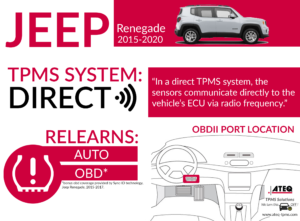
Knowing how your Jeep’s TPMS works can help you avoid problems. The 2017 Jeep Renegade uses direct TPMS, which means each wheel has its own pressure sensor inside the tire. These sensors run on batteries that can last 5-10 years, but may eventually fail.
Direct Vs Indirect Tpms
Here’s a quick comparison of TPMS types:
| System Type | How It Works | Pros | Cons |
|---|---|---|---|
| Direct | Sensors in each tire | Accurate, real-time data | Sensors can fail, cost more to replace |
| Indirect | Uses ABS sensors to estimate pressure | Lower maintenance cost | Less accurate, only warns when pressure is very low |
When The Light Stays On
If you followed all the steps and the tire pressure warning light is still on, there could be other issues:
- Faulty TPMS sensor: Sensors have batteries that eventually die.
- Damaged sensor: Hitting a pothole or curb can break a sensor.
- TPMS module issue: Rare, but the car’s computer can fail.
In these cases, a mechanic will need to scan the TPMS system for error codes. Some auto parts stores will do this for free.
Common Mistakes To Avoid
Many Jeep Renegade owners make simple mistakes when trying to reset their tire pressure light. Here’s how to avoid them:
- Not checking all tires: Always check every tire, including the spare if it has a sensor.
- Inflating when tires are hot: Pressures rise as you drive. Inflate when tires are cold, preferably in the morning.
- Ignoring seasonal changes: Tire pressure drops in cold weather. Check more often in winter.
- Confusing the TPMS reset with the oil change reminder: These are different systems with separate warnings.

Extra Tips For Jeep Renegade Owners
- Invest in a good tire pressure gauge. Digital models are more accurate than cheap pencil-style gauges.
- Rotate tires regularly. This helps even out tire wear and can reduce the chances of a pressure imbalance.
- Check pressure monthly. Don’t wait for the warning light to tell you there’s a problem.
- Replace sensors with tire replacement. If you are buying new tires, ask about replacing the TPMS sensors if they are more than 5 years old.
- Use quality valve caps. This helps keep dirt and moisture out, protecting the sensors.
Real-world Example
A Jeep Renegade owner in Michigan reported that her tire pressure light kept coming on every winter. She checked the tires, but the pressure was only 2 psi below the recommended level.
After topping up the air, she drove for 15 minutes and the light went off.
The key lesson? Even small drops in temperature can trigger the light, so check often in cold months.
Tpms Sensor Lifespan And Replacement Cost
The TPMS sensors in your 2017 Jeep Renegade usually last 5-10 years. Replacing a single sensor costs between $50 and $100, including labor. If you need to replace all four, the cost can add up. Some tire shops include sensor checks for free with a tire change. If you see the TPMS light flashing (not just solid), it often means a sensor battery is dead.
How Long Should You Drive After Reset?
After setting the tire pressures, you should drive for at least 10-15 minutes above 15 mph. The system needs this time to update. If the light doesn’t go off after two drives, check all tires again and consider a sensor issue.
Comparing Tpms Reset Methods
Here’s a look at different reset methods and when they work best:
| Reset Method | Best For | Success Rate |
|---|---|---|
| Driving 10+ mins | Normal low-pressure warning | Very high |
| Ignition cycling | System glitch | Moderate |
| Battery disconnect | Stubborn warnings | Low to moderate |
| Professional scan tool | Faulty sensors | Very high |
When To Visit A Mechanic
If your light won’t reset after checking pressure, driving, and trying the quick fixes, it’s time to see a professional. Many auto shops and some tire stores offer free TPMS checks. If a sensor needs replacing, ask about warranty coverage—some sensors are covered for up to 7 years. For more detailed information on tire pressure systems, visit NHTSA’s official TPMS resource.
Frequently Asked Questions
How Do I Know If A Tpms Sensor Has Failed?
If the TPMS warning light is flashing, not just solid, it usually means one of the sensors is not working or its battery has died. You’ll need a scan tool to identify which one.
Can I Reset The Tire Pressure Light Without A Special Tool?
Yes, most of the time you can reset the light by inflating your tires to the correct pressure and driving for 10-15 minutes. Only if there’s a sensor failure will you need a special tool.
Usually, the 2017 Jeep Renegade does not have a dedicated reset button. Resetting is done by correcting tire pressures and driving, or by using the ignition cycling method.
Will Changing Tires Affect The Tpms?
Yes. If the sensors are damaged during a tire change, or if they’re not reinstalled properly, the system may not work.
Always let the tire shop know that your car has TPMS.
How Often Should I Check My Tire Pressure?
Check your tire pressure at least once a month and before long trips. Also, check during major temperature changes, as pressure drops in cold weather.
Resetting the tire pressure light on your 2017 Jeep Renegade is not difficult once you know the steps. Regularly checking your tire pressures and understanding how your TPMS works can help you stay safe and avoid stress on the road.
If you ever feel unsure, don’t hesitate to ask a professional for help. Safe travels!