If your 2012 Jeep Liberty tire pressure light comes on, it can be annoying and confusing. This warning means one or more tires may have low air pressure, or sometimes it appears after tire rotation or seasonal temperature changes. Understanding how to reset this light is important for safety and peace of mind. Let’s walk through the process, step-by-step, so you can handle it quickly and easily.
Why Tire Pressure Matters
Tire pressure affects your vehicle’s safety, fuel efficiency, and tire lifespan. Low pressure can cause poor handling, longer stopping distances, and uneven tire wear. According to the National Highway Traffic Safety Administration (NHTSA), underinflated tires are involved in over 11,000 crashes each year in the U.S. Keeping your tires properly inflated is crucial for your own safety and savings.
How The Tire Pressure Light Works
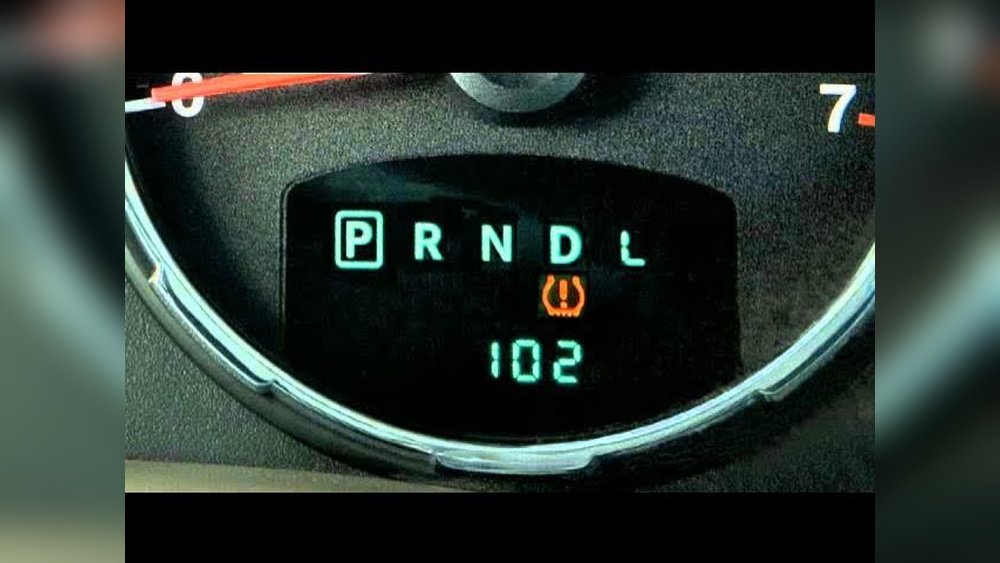
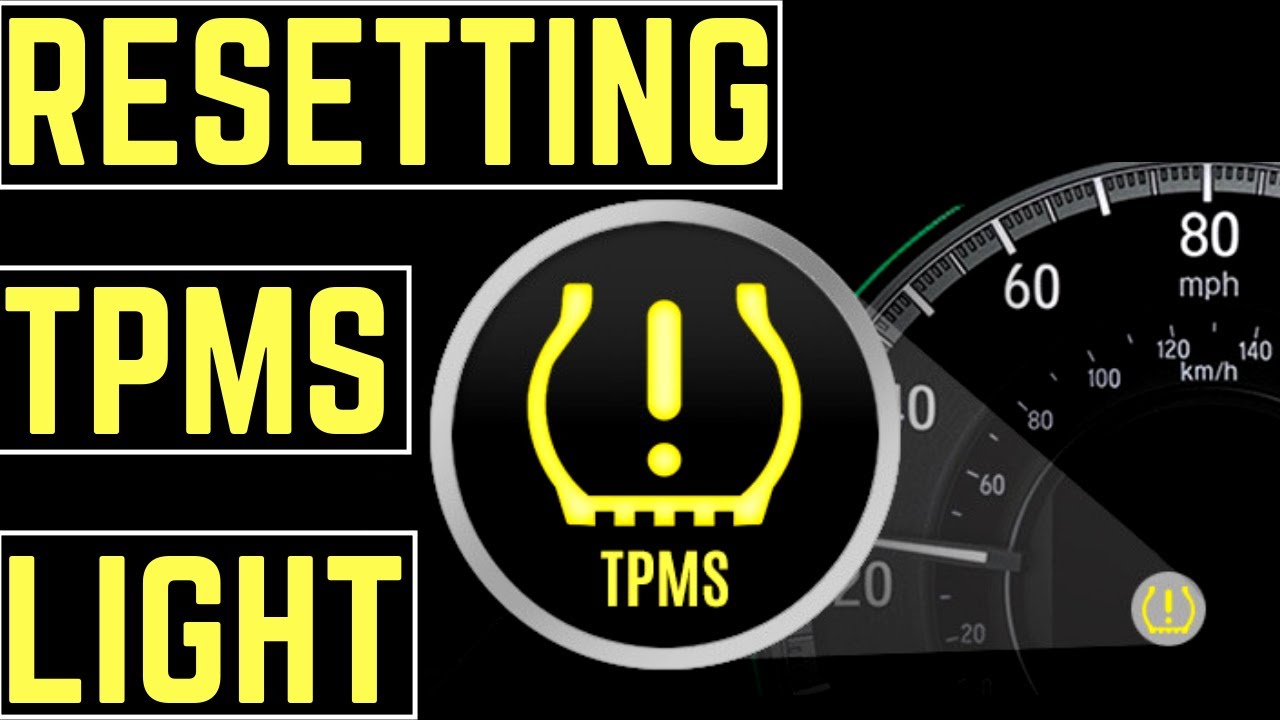
Your Jeep Liberty uses a TPMS (Tire Pressure Monitoring System). This system has sensors inside each tire that measure air pressure. If the pressure drops below recommended levels, the light appears on your dashboard.
Common Reasons For The Light
- Low air pressure due to a slow leak or puncture.
- Temperature changes causing air to contract or expand.
- Tire rotation or replacement can confuse the sensor temporarily.
- Dead or weak TPMS sensor battery.

Checking Tire Pressure
Before you reset the light, always check each tire with a reliable tire gauge. The recommended pressure for a 2012 Jeep Liberty is 33 PSI for all four tires. You can find this information on the sticker inside the driver’s side door.
- Remove the valve cap from the tire.
- Press the tire gauge onto the valve stem.
- Read the pressure and add air if needed.
- Repeat for all tires, including the spare.
Steps To Reset Tire Pressure Light
Once your tires are properly inflated, you can reset the TPMS light. Here’s the process:
- Drive for 10–20 minutes at 15 mph or higher. The system usually resets automatically after this.
- If the light stays on, try these extra steps:
- Turn the ignition ON (do not start engine).
- Slowly deflate each tire to below 20 PSI, then reinflate to 33 PSI.
- Start the vehicle and drive for at least 10 minutes.
- For stubborn lights, disconnect the car battery for 10 minutes to reset the system. Reconnect and check if the light is off.
Example Reset Scenario
Suppose you refilled your tires after a cold snap, but the light is still on. You drive for 15 minutes at 20 mph.
The light goes off by itself. If not, you try disconnecting the battery for 10 minutes, then reconnect and start driving.
Now, the light is gone.
Comparison Of Tpms Reset Methods
Here’s a quick look at the three main approaches:
| Method | Time Needed | Success Rate | Difficulty |
|---|---|---|---|
| Driving | 10–20 min | 85% | Easy |
| Manual Tire Deflation | 20–30 min | 75% | Moderate |
| Battery Disconnect | 10 min | 70% | Intermediate |
Extra Tips Most Owners Miss
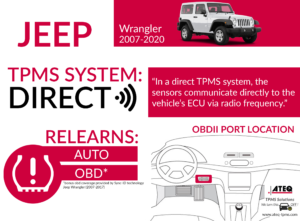
- Always check the spare tire. Many Jeeps have a TPMS sensor in the spare, so a low-pressure spare can trigger the warning.
- Avoid using cheap tire gauges. Low-quality gauges can read incorrectly, making the light harder to reset.
- If you change wheels or tires, the sensors may need to be relearned by a mechanic.
What If The Light Stays On?
Sometimes, the light won’t reset even after checking pressure and using the steps above. This often means:
- A TPMS sensor is damaged or dead. The sensor battery lasts about 7–10 years.
- There is a wiring issue or computer glitch.
- You have non-TPMS compatible wheels.
In these cases, visit a mechanic or tire shop. They have special tools to diagnose and fix TPMS problems.
Cost To Repair Tpms
Replacing a single TPMS sensor costs about $50–$150. Labor can add $20–$50 per sensor. A full reset or relearn service at a shop is usually under $50.
Data: Tire Pressure Vs. Fuel Economy
Proper tire pressure improves gas mileage. Here’s a comparison:
| Tire Pressure | Estimated MPG | Handling |
|---|---|---|
| 33 PSI | 19 (city) / 23 (highway) | Stable |
| 28 PSI | 17 (city) / 21 (highway) | Wobbly |
| 38 PSI | 18 (city) / 22 (highway) | Stiff |
When To Seek Professional Help
- The tire pressure light won’t reset after all steps.
- You notice uneven tire wear.
- Sensors fail during inspection.
Professional help ensures your TPMS system works correctly and your safety isn’t at risk.
For more information on tire safety, visit the NHTSA Tire Safety page.
Frequently Asked Questions
How Long Does It Take To Reset The Tire Pressure Light?
Usually, it takes 10–20 minutes of driving after inflating the tires. If the light stays on, extra steps may be needed.
Can Cold Weather Cause The Tire Pressure Light To Come On?
Yes. Cold weather lowers air pressure, often triggering the TPMS light. Check and refill tires when temperatures drop.
Is It Safe To Drive With The Tire Pressure Light On?
It’s not safe. Low tire pressure can cause poor handling and increase the risk of accidents. Check and fix it as soon as possible.
How Do I Know Which Tire Is Low?
Most TPMS systems in the 2012 Jeep Liberty do not show which tire is low. Use a tire gauge to check each tire, including the spare.
Can I Reset The Tire Pressure Light Without A Tool?
Yes. For most cases, you can reset the light by refilling tires and driving. Tools are only needed for sensor replacement or advanced issues.
Resetting your tire pressure light on a 2012 Jeep Liberty is simple if you follow these steps. Checking all tires—including the spare—and using a reliable gauge are key. If your light won’t reset, a professional inspection is worth it. Keeping your tires in good shape keeps your Jeep safe and your driving worry-free.