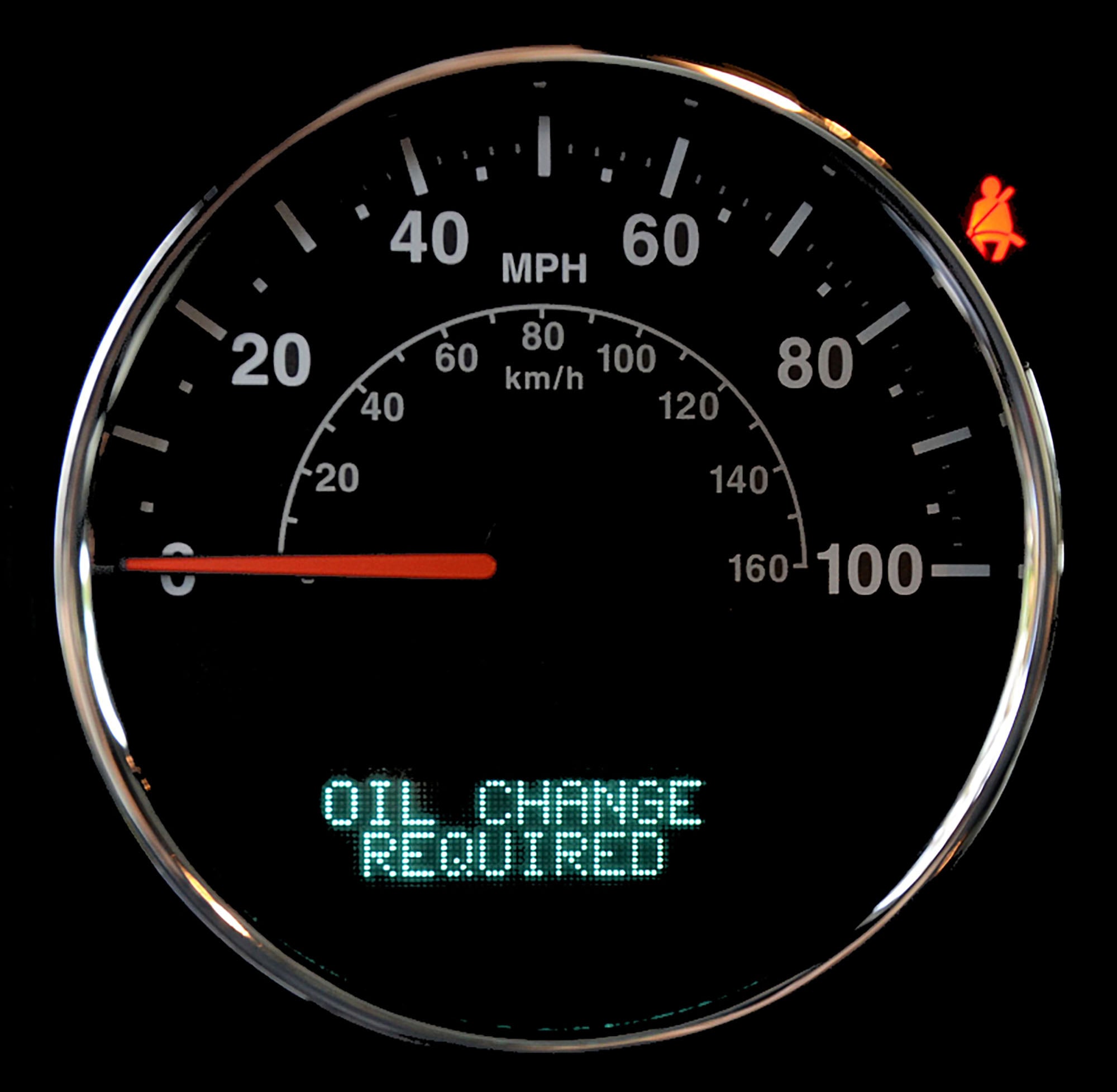
If you drive a Jeep Grand Cherokee 2013, you probably know how important oil changes are. But after changing your oil, the oil light may stay on. This warning can be confusing, even worrying, for many drivers. The oil light is a reminder to change your oil, but it doesn’t turn off automatically. You need to reset it manually. Learning how to reset the oil light will keep your dashboard clear and help you maintain your vehicle properly. In this guide, you’ll discover step-by-step instructions, practical tips, and answers to common questions about resetting the oil light on your Jeep Grand Cherokee 2013.
Why Resetting The Oil Light Matters
The oil change indicator is more than just a light. It’s a built-in system that tracks your vehicle’s oil life. When the light comes on, it signals that it’s time for an oil change. If you don’t reset it after changing the oil, the system won’t know you’ve already performed maintenance. This can lead to:
- Wrong service intervals: You might forget the next oil change date.
- Dashboard confusion: The warning light stays on, making you ignore other alerts.
- Potential engine risk: Missing real oil issues because you disregard the light.
Resetting the oil light keeps your maintenance records accurate and helps avoid unnecessary visits to a mechanic.
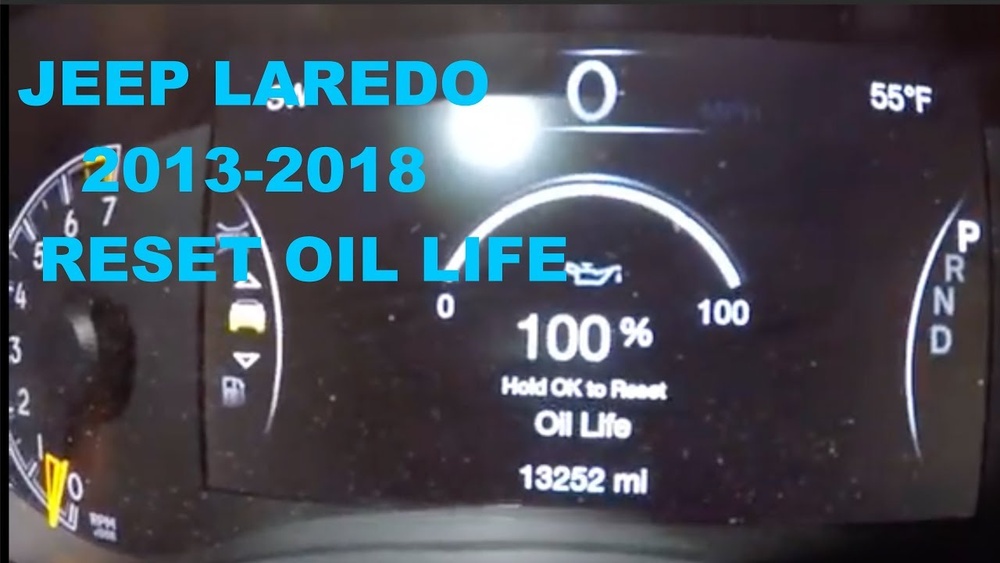
Understanding The Oil Light System
Your Jeep Grand Cherokee 2013 uses a computerized oil monitoring system. This system:
- Monitors engine performance.
- Tracks mileage since the last oil change.
- Measures driving conditions.
When it calculates that oil needs changing, it triggers the oil change reminder. Resetting the oil light tells the system that fresh oil has been added, so it can start tracking again.
Common Mistakes With Oil Light Reset
Many drivers make these mistakes:
- Ignoring the oil light: Thinking it’s a minor issue.
- Resetting without an oil change: This can damage your engine.
- Incorrect reset steps: Leads to a light that stays on.
Always reset the oil light only after changing the oil and filter.
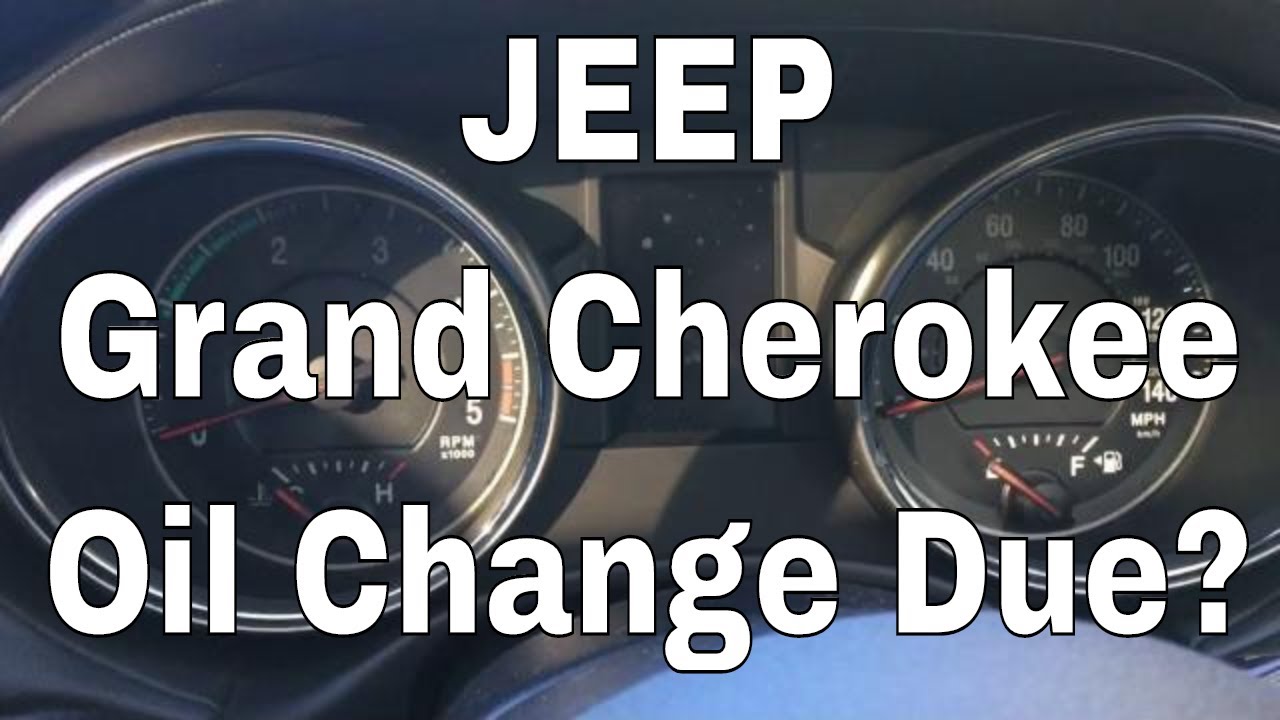
Step-by-step: Resetting Oil Light On Jeep Grand Cherokee 2013
Resetting the oil light is easy if you follow the correct steps. You don’t need special tools or mechanical skills. Here’s how to do it:
1. Sit In The Driver’s Seat
Insert your key into the ignition. Make sure all doors are closed.
2. Turn Ignition To “run” Position
Turn the key to the “Run” (ON) position. Do not start the engine. All dashboard lights should turn on.
3. Use Accelerator Pedal Method
This method is standard for the Jeep Grand Cherokee 2013:
- Fully press the accelerator pedal to the floor.
- Hold it for about 10 seconds.
- Release the pedal.
You must press the pedal quickly three times within 10 seconds. Do not start the engine during this process.
4. Turn Off The Ignition
After pressing the pedal three times, turn the key off. Wait a few seconds.
5. Start The Engine
Turn the key and start the engine. Check if the oil change light is off.
If the light is still on, repeat the steps. Sometimes the system needs a second try.
Quick Comparison: Oil Light Reset Methods
Here’s how the Jeep Grand Cherokee 2013 compares to other models:
| Model Year | Reset Method | Time Needed |
|---|---|---|
| Grand Cherokee 2013 | Accelerator Pedal (3x in 10 sec) | 1-2 min |
| Grand Cherokee 2014+ | Menu/Screen Reset | 2-3 min |
| Wrangler 2013 | Accelerator Pedal (3x in 10 sec) | 1-2 min |
| Compass 2013 | Accelerator Pedal (3x in 10 sec) | 1-2 min |
The pedal method works for most Jeep models from 2013.
Troubleshooting: When The Oil Light Won’t Reset
Sometimes, the oil light stays on even after following the steps. Here’s what you can do:
1. Double-check Steps
Repeat the process. Many users miss the timing you must press the pedal three times quickly.
2. Check The Oil Level
Sometimes the system won’t reset if the oil level is incorrect. Make sure you’ve filled the oil to the right level.
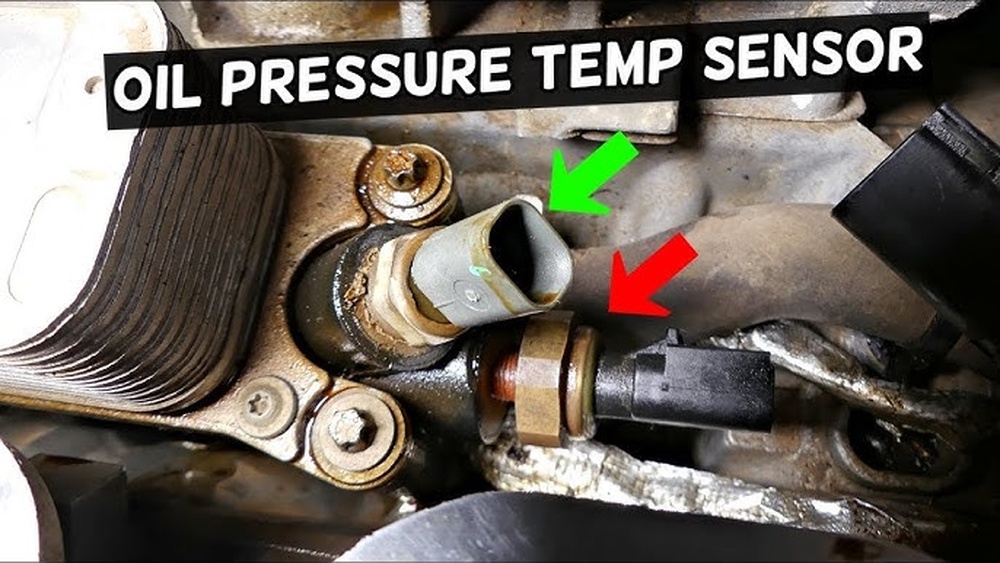
3. Inspect The Oil Sensor
A faulty oil sensor can trigger a false warning. If the light won’t reset, have a mechanic check the sensor.
4. Battery Issues
Low battery voltage can affect dashboard lights and reset functions. If your battery is weak, consider charging or replacing it.
5. Computer Errors
Rarely, the vehicle’s computer may need a reset. Disconnect the battery for 15 minutes, then reconnect and try again.
Practical Tips For Oil Change And Light Reset
Changing your oil and resetting the light correctly can extend your engine’s life. Here are some practical tips:
- Always use recommended oil type (check your manual).
- Change the oil filter with every oil change.
- Keep a maintenance log to track oil changes and resets.
- Don’t ignore other dashboard lights — they may signal different problems.
Example: Maintenance Log Entry
| Date | Mileage | Oil Type | Reset Done? |
|---|---|---|---|
| 2024-06-01 | 85,000 | 5W-20 Synthetic | Yes |
| 2023-12-01 | 80,000 | 5W-20 Synthetic | Yes |
Keeping records helps you follow proper intervals and see if the oil light reset was successful.
How Often Should You Change Oil And Reset The Light?
The Jeep Grand Cherokee 2013 recommends oil changes every 5,000–7,500 miles with synthetic oil. If you drive in harsh conditions (hot weather, towing, off-road), change oil more often.
Here’s a quick comparison of oil change intervals:
| Driving Condition | Recommended Interval |
|---|---|
| Normal | 7,500 miles |
| Severe (hot, dusty, towing) | 5,000 miles |
| Short trips | 5,000 miles |
Reset the oil light after every oil change. Never skip this step.
Non-obvious Insights For Beginners
Many beginners miss these key points:
- Oil light reset doesn’t fix oil problems. It only clears the reminder. If there’s an engine issue or oil leak, resetting the light won’t solve it.
- Reset timing matters. Pressing the accelerator pedal too slowly or too quickly can fail the reset. Timing is important.
- Using the wrong oil type can cause the light to stay on or trigger other alerts. Always use the oil recommended for your engine.
Safety Advice And Professional Guidance
If you’re unsure about oil changes or light resets, get help from a professional mechanic. It’s better to ask questions than risk engine damage.
Many auto shops offer free oil light resets with your oil change.
You can also find official guidance in your Jeep owner’s manual and trusted online sources. For official Jeep maintenance information, visit Jeep Maintenance.
How Do I Know If The Oil Light Reset Worked?
After you finish the reset steps, the oil change indicator should turn off. If it stays on, try the steps again. If it still doesn’t work, check your oil level or consult a mechanic.
Can I Reset The Oil Light Without Changing The Oil?
It’s not recommended. The oil light is a maintenance reminder.
Resetting without changing the oil can cause engine problems. Always change the oil first.
What If My Oil Light Comes Back Soon After Resetting?
If the light returns quickly, there may be a problem with the oil sensor, oil quality, or engine. Check your oil level and condition. If everything looks good, see a mechanic.
Is The Reset Process Different For Other Jeep Grand Cherokee Years?
Yes. Newer Jeep Grand Cherokees (2014 and later) often use a dashboard menu instead of the accelerator pedal method.
Always check your manual for your specific model.
Can A Faulty Oil Sensor Cause The Oil Light To Stay On?
Yes. A damaged or dirty oil sensor can send false signals, keeping the oil light on. If you’ve changed oil and reset the light but it stays on, have the sensor checked.
Final Thoughts
Resetting the oil light on your Jeep Grand Cherokee 2013 is a simple but important task after every oil change. It helps your car’s system track maintenance and keeps your dashboard clear. By following the right steps, checking your oil level, and keeping good records, you can avoid mistakes and keep your Jeep running smoothly. If you ever have trouble, don’t hesitate to ask a professional or check your owner’s manual. Staying proactive with oil changes and resets protects your engine and gives you peace of mind on the road.